How to Master Combat in GRIME 2: Parry, Grasp, and Environmental Tactics Guide
If you’re a fan of intense, surreal, and borderline grotesque Metroidvania experiences, GRIME 2 is shaping up to be a must-play. Developed by Clover Bite and published by Kwalee, the 2026 sequel builds on the original’s “absorb-centric” combat while adding layers of customization and strategy.
Unlike traditional Souls-likes where blocking and dodging are your main tools, GRIME 2 flips the script: your success hinges on mastering the Parry and Grasp mechanics.
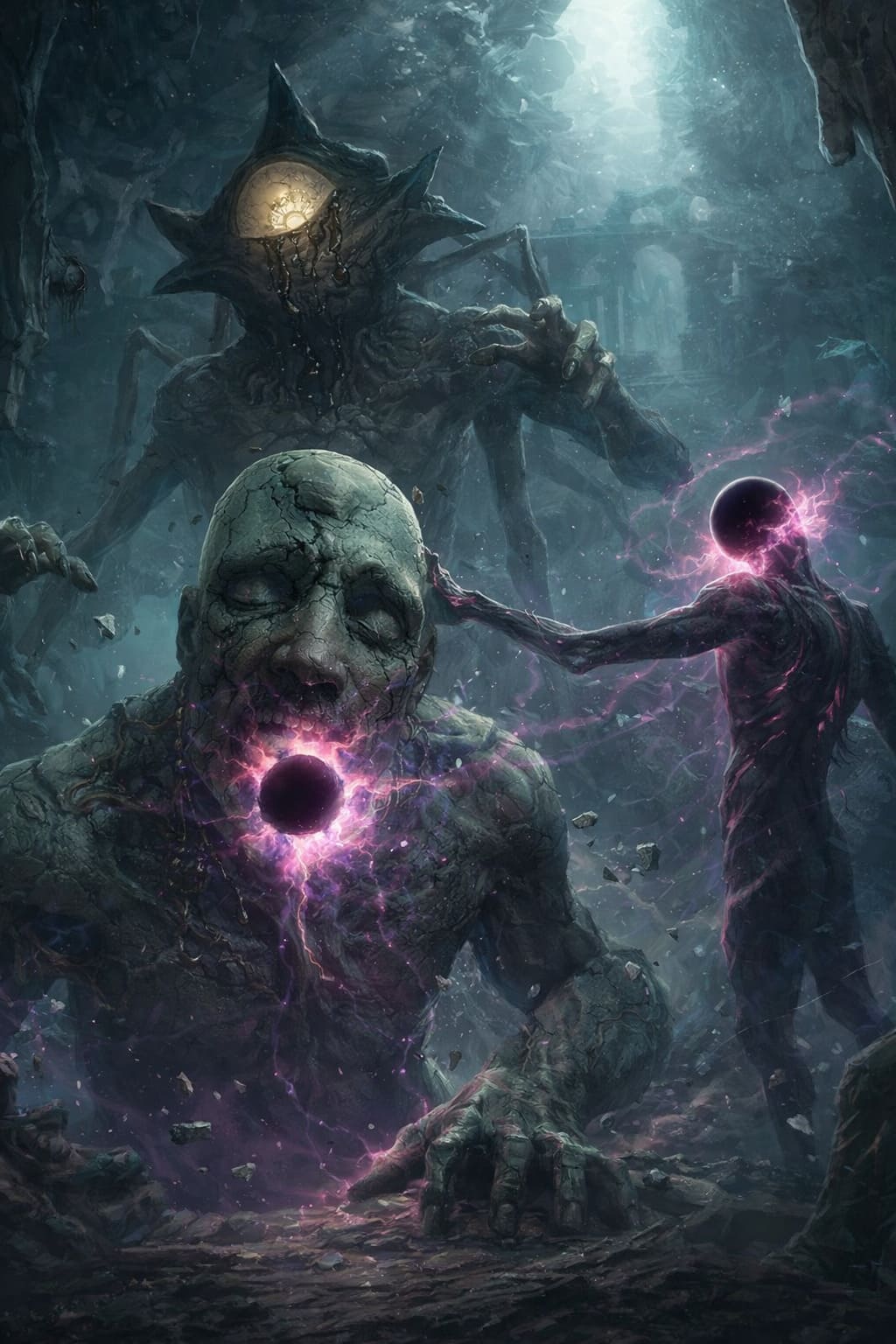
As someone who’s obsessed with games that challenge your reflexes and reward precision, I can confidently say that GRIME 2 doesn’t just test your skill—it transforms how you think about combat entirely. Here’s my breakdown of the systems, tips for mastering them, and why they make the game such a standout sequel.
Solasta 2 Subclass Tier List: The Best Warlock Builds and Rankings
The Heart of GRIME 2: Parry and Grasp
The central gameplay loop in GRIME 2 revolves around Parry → Grasp → Grow. Essentially, every encounter becomes a puzzle of timing, positioning, and opportunism.
Parry Mechanics
The parry system in GRIME 2 is a true evolution of reactive combat:
- Timing Is Everything – You must trigger a parry just before an enemy’s attack connects. Too early or too late, and you’re punished.
- Beyond Defense – Successful parries not only block damage but stun enemies and open the door for a Grasp.
- Vertical Combat – One of the coolest new features is the ability to parry attacks mid-air, including projectiles. This instantly makes fights feel more dynamic and cinematic.
Think of your Formless character as a living weapon, using its tendrils to manipulate the battlefield. Every parry is a chance to turn defense into opportunity.
Grasp Mechanics
Once an enemy is stunned from your parry, the Grasp mechanic allows you to absorb them, which is where GRIME 2 really stands apart from other soulslikes:
- Trait Acquisition – Absorbing enemies lets you gain their unique shapes, unlocking permanent passive upgrades called Traits.
- Breath Replenishment – Your Breath resource, essential for healing and certain abilities, is restored with every successful Grasp.
- Mold Creation – Taking it a step further, absorbing powerful foes lets you summon “Molds”—creatures or attacks that mimic absorbed enemies, perfect for crowd control or devastating combos.
It’s a system that rewards observation, timing, and experimentation. The better you understand enemy patterns, the more potent your Grasp becomes.
Advanced Systems: Pliability and Skills
GRIME 2 doesn’t just give you new mechanics—it lets you shape them into a unique playstyle.
| Feature | Description | Player Impact |
|---|---|---|
| Pliability | Core stat that scales parry damage | High Pliability = Parry-focused DPS build |
| Redesigned Skill Tree | Flexible trait assignment and skill upgrades | Customize parry effects, widen timing windows, or generate extra Breath |
| Stunbreak | Chains parries and attacks for posture damage | Perfect for high-level combat optimization |
Pliability
This stat is a dream for anyone who wants to go full parry-centric. High Pliability means your Parry isn’t just defensive—it’s a primary source of damage. It’s reminiscent of the “parry purist” builds in games like Sekiro, but with GRIME 2’s grotesque aesthetic and creative combat twists.
Skill Tree Overhaul
Gone are rigid, permanent skill choices. GRIME 2 introduces Surrogates, checkpoints where you can reassign Traits and skill points. You can refine your build as you go, adapting to tougher enemies or optimizing for crowd control with Molds.
Timing Tips: How to Master the Rhythm
From what the GRIME 2 demo showed, players need a mindset shift to survive:
- Watch the Forward Motion – Don’t hit parry as soon as an enemy winds up. Wait for their weapon or limb to move forward.
- Color Indicators – Powerful attacks may glow. Red = dodgable, Blue = parryable. Learning this subtle visual language is key.
- Use the Environment – Parry enemies into hazards or off ledges for instant environmental kills. It makes battles feel alive and interactive.
- Stunbreak Strategy – Consecutive successful parries build toward a stronger posture break, letting you chain combos effectively.
The game rewards patience, attention, and creativity—much more than brute reflexes.
What’s New Compared to GRIME 1
For veterans, GRIME 2 offers a fresh experience while retaining its signature atmosphere:
- No Death Shadows – You no longer chase your “shadow” after death, streamlining progression.
- Fluid Movement – Combat feels faster and smoother, reducing clunky startup frames.
- Difficulty Options – Adjustable parry windows mean new players can learn without frustration, while veterans can embrace a punishing challenge.
Overall, GRIME 2 feels like a refined, smarter evolution of its predecessor, giving both newcomers and hardcore fans reasons to jump in.
GRIME 2: Mastering Environmental Combat to Turn the World Into Your Weapon
If you loved the first GRIME for its intense melee duels, GRIME 2 flips the script in the best possible way. This time, the world itself isn’t just a backdrop—it’s your playground, your toolbox, and, frankly, your deadliest weapon. Environmental combat takes center stage, letting you manipulate the terrain and physics-based hazards to obliterate enemies in ways that feel both brutal and incredibly satisfying.
As someone who loves exploring every nook of game mechanics, I can tell you: once you get the hang of using the environment, it becomes almost like a chess match with deadly consequences.
Here’s how to dominate GRIME 2’s surreal arenas with environmental creativity.
1. The Mold System: Your Living Arsenal
The biggest shake-up in GRIME 2 is the Mold System. Instead of just swinging your sword, you can absorb enemies to gain molds that act as summons, traps, or interactive tools.
Why this is so fun: You’re not just fighting anymore—you’re playing with the battlefield like a painter with a violent brush. A few key ways molds change combat:
- Strategic Displacement: Some molds let you throw enemies or push them into hazards. Imagine shoving a giant foe into a bottomless pit or spiked wall—it’s immensely satisfying.
- Persistent Hazards: Certain molds can leave behind stationary threats, like spike-balls, that deal continuous damage. Suddenly, a normal corridor becomes a minefield for your foes.
If you like tactical creativity, the Mold System is basically an open invitation to experiment with every object in a room.
2. Grasping and Launching: Pull Everything, Kill Everything
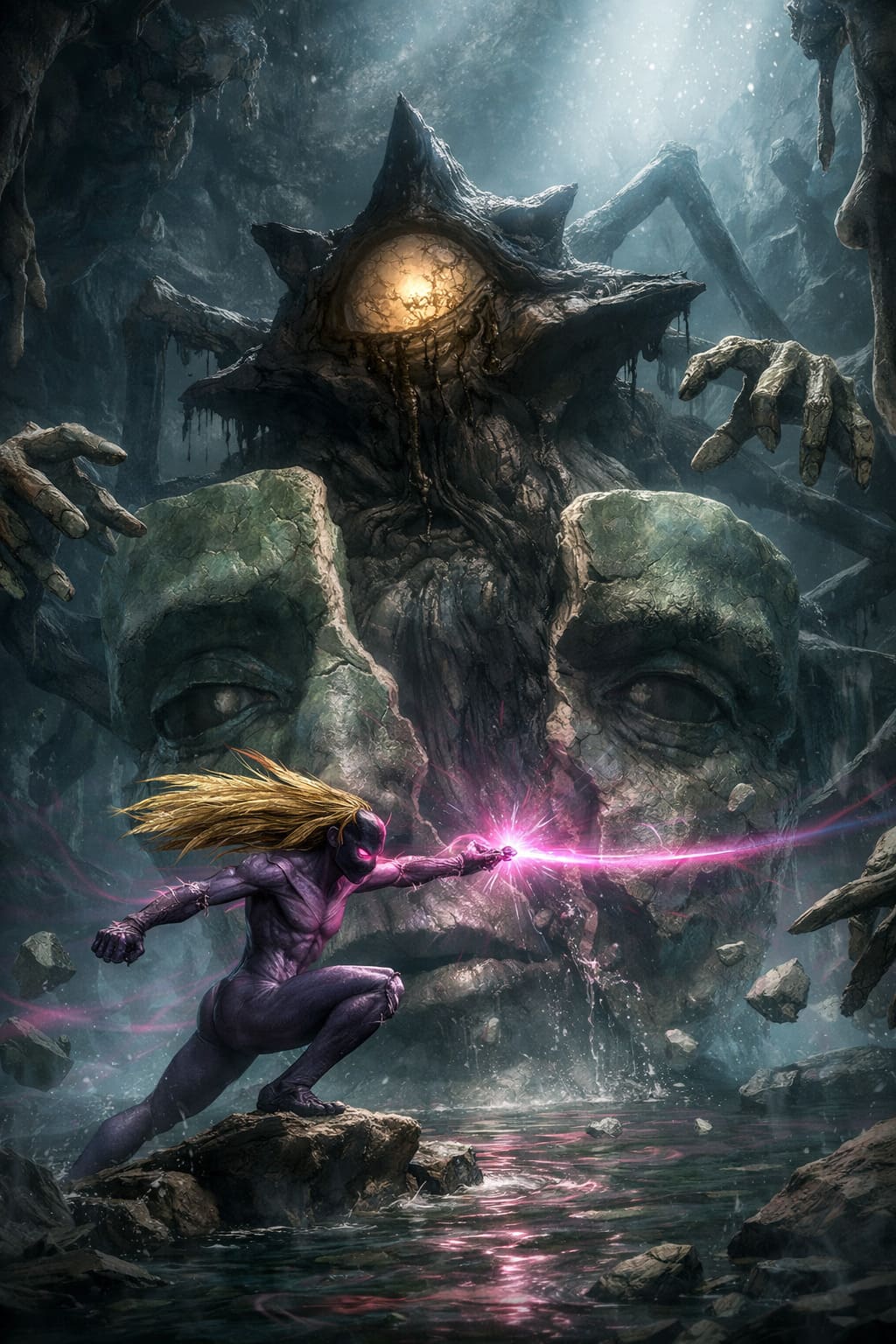
GRIME 2 introduces the Grasp ability, a versatile tool that turns enemies and objects into weapons. Unlike traditional attacks, this lets you interact directly with the environment:
- Distance Management: Grab enemies from afar and yank them into hazards. Being patient and positioning correctly can make a standard mob encounter feel like a carefully choreographed death ballet.
- Projectile Redirection: Floating spike-balls or other objects can be flicked at enemies. Often, a well-timed environmental flick does more damage than any combo or heavy attack.
Personally, I’ve spent minutes just experimenting with pulling enemies into acid pits or smashing them into falling debris—it’s one of those rare mechanics that genuinely makes you feel clever.
3. Reading and Exploiting Hazards
Every area in GRIME 2 is designed with hazards that can be used to your advantage—but only if you notice them. Learning to “read” the battlefield is key for high-efficiency kills:
- Wall Spikes and Bottomless Pits: Classic but deadly. Knocking an enemy into a spiked wall often deals far more damage than a full combo of attacks.
- Reciprocal Danger: Remember, the environment isn’t just your friend. Bosses and mobs can shove you into these hazards too, so always be aware of your positioning.
It’s this duality—using hazards without falling victim to them—that makes GRIME 2 feel like a constant mental and tactical workout.
4. Traits + Environment = Deadly Synergy
To get the most out of environmental combat, you need to combine traits and battlefield knowledge:
- Absorb to Unlock: Certain traits or molds are only unlocked by absorbing specific enemies. Plan your battles to maximize unlock potential.
- Build Focus: Traits that increase knockback or enhance mold effectiveness make environmental kills more consistent.
By syncing your character build with the terrain, you move from simply surviving to orchestrating show-stopping kills that feel both skillful and creative.
5. Quick Reference Table: Environmental Combat at a Glance
| Feature | Primary Function | Environmental Use |
|---|---|---|
| Molds | Summons/Attacks | Throw enemies into traps or create persistent hazards |
| Grasp | Pull/Reach | Pull enemies into hazards or escape dangerous zones |
| Spike-balls | Projectile | Flick or redirect into enemies for massive damage |
| Traps | Passive Damage | Activate floor/wall hazards to clear enemy groups |
Final Thoughts: Why Environmental Combat Feels Different
What I love about GRIME 2 is how it rewards creativity over pure aggression. Sure, sword swings and parries are still important—but now, it’s less about how hard you hit and more about how cleverly you use the world. Each encounter feels like a puzzle with multiple deadly solutions, and mastering environmental combat makes even routine battles feel fresh.
If you’re coming from the original GRIME, expect a shift: the power isn’t just in your hands—it’s in the room itself. Push enemies into hazards, summon molds for strategic chaos, and pull everything toward doom. GRIME 2 isn’t just combat; it’s improvised artistry in violence, and once you embrace it, the game opens up in ways you never imagined.