GRIME 2 Lore Guide: Who is the Rippler of Waves and the Shidra Connection?
GRIME II is creeping closer to release, and if you’re like me—a fan of the surreal, body-horror Metroidvania style that Clover Bite perfected—you’re probably already combing every corner of the Temple of Hands demo for secrets. One name that keeps popping up in forums, Discord threads, and Reddit deep-dives is the Rippler of Waves.
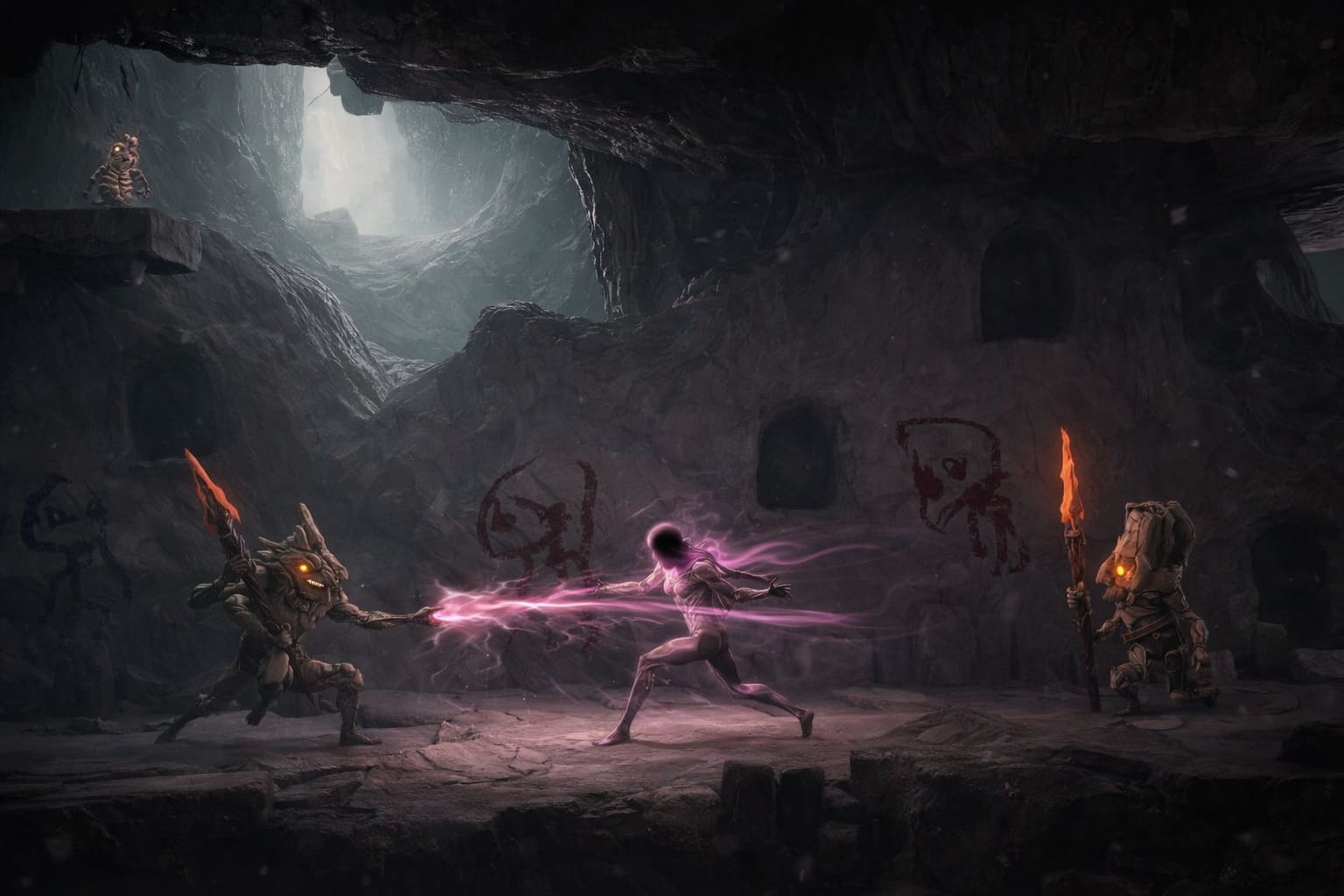
But here’s the thing: as of the current 2026 demo, this ominous-sounding entity isn’t officially confirmed as a boss or NPC. That hasn’t stopped the community from speculating wildly.
Let’s break down what we actually know, what mechanics are changing, and why this mysterious “Rippler” has already captured the imagination of players around the world.
How to Refuel Vehicles in John Carpenter’s Toxic Commando: The Ultimate Guide
The Formless: GRIME’s New Hero
In GRIME II, you’re no longer Akhlan, the black-hole-headed vessel. Instead, players step into the shoes—or rather, the malleable form—of the Formless, an art-mimic capable of absorbing the essence of your enemies.
What’s cool here is how this changes gameplay:
- Molds: Defeated enemies aren’t just a source of passive upgrades anymore. Now, you summon physical “Molds” of your foes to fight with you or provide utility.
- Tendrils of Hands: Your main interaction tool is a writhing mass of hands, letting you pull, parry, and absorb with a satisfying, fluid motion.
This shift from purely dark, body-horror aesthetics to “making of art” themes gives the sequel a unique, almost painterly twist. The Rippler of Waves seems to fit right into that philosophy—fluid, dynamic, and hauntingly beautiful.
Confirmed Bosses in GRIME II
Before diving too far into speculation, here’s what’s been officially seen in the Temple of Hands demo:
| Boss Name | Key Mechanics & Traits |
|---|---|
| Overgrown Barrier | Massive, rooted entity; tests environmental awareness and quick parries |
| Bound Shell | Deep in the Temple of Hands; emphasizes the new Stunbreak mechanic replacing rage |
Both bosses highlight Clover Bite’s love for punishing but fair encounters that force you to think creatively rather than just mash buttons.
Rippler of Waves: Community Theories
Even though the Rippler hasn’t been officially confirmed, the community is buzzing with ideas:
- Fluidity vs. Stone: The first GRIME leaned heavily into rocky, anatomical horror. Redditors theorize that the Rippler could inhabit a watery or ink-based biome, giving the sequel a contrast between rigid stone and flowing liquid.
- World of Paint: Early previews from Hardcore Gamer describe areas that look like wet clay or drying paint. Imagine a massive, rippling boss emerging from a “Sea of Paint”—it fits both thematically and mechanically.
- Hidden or DLC Boss: Some speculate the Rippler may only appear in future updates or DLC expansions, like the rumored Colors of Rot.
Personally, I’m intrigued by this possibility. A water-based, painterly boss could add the perfect new layer of environmental combat, which GRIME II is clearly leaning into.
Gameplay Mechanics You Should Know
Jumping into the demo without understanding these changes could make your first run frustrating:
- Environmental Combat: Stage hazards aren’t just for show. Falling objects and environmental traps can seriously hurt bosses.
- Skill Summoning: Every enemy has a Mold ability, which becomes the backbone of your build and combat strategy.
- Stunbreak: Rage attacks are gone. Instead, interrupting enemy attacks with Stunbreak opens new tactical opportunities, making fights feel more dynamic and skill-based.
This combination of mechanics means that whether or not the Rippler is officially in the demo, the tools you learn now will likely apply to future, more complex encounters.
How to Prepare for GRIME II
If you want to be ahead of the curve:
- Wishlist on Steam: Stay notified for release dates, trailers, and surprise boss reveals.
- Join the Community: The Official GRIME Wiki and forums are goldmines for move lists, lore, and theory crafting.
- Experiment in the Demo: Even if the Rippler isn’t present, mastering Molds, environmental combat, and Stunbreak now will give you an edge at launch.
Why the Rippler of Waves Matters
Even as a speculative boss, the Rippler embodies the direction GRIME II seems to be taking. Moving from the rigid, stone-laden horrors of the first game to a world influenced by fluid art and surreal biology feels like a natural evolution. Whether it’s a hidden mid-game encounter or a post-launch DLC monster, it’s a perfect symbol of how the series continues to push creative boundaries.
For me, the excitement isn’t just about new bosses—it’s about the evolution of the Metroidvania formula itself. The Formless, the Molds, and the immersive environmental interactions make GRIME II feel like it’s not just a sequel, but a reimagining of what this style of game can be. And who knows? Maybe the Rippler of Waves is waiting somewhere in that “Sea of Paint,” ready to test our skills in ways we haven’t imagined yet.
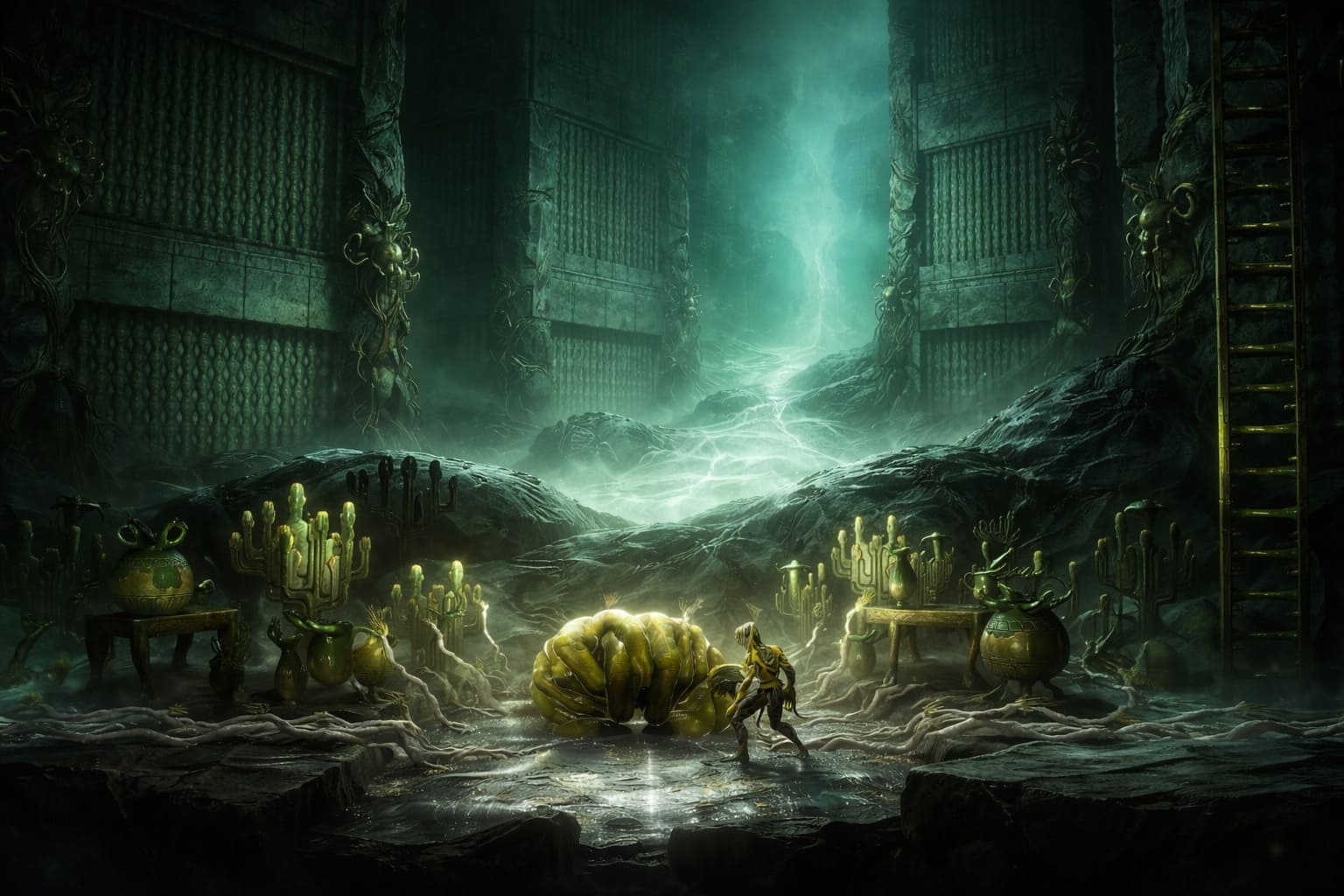
GRIME 2: Shidra’s Legacy and the Next Evolution of the Stoneborn
For fans of GRIME, the announcement of GRIME 2 has ignited the kind of buzz that only a true metroidvania sequel can bring. The original game left players questioning the fate of its haunting world, dominated by the Spiral Heart and the enigmatic Spineborn, Shidra of the Worldpillar. Now, with the sequel on the horizon for 2025, the community is abuzz with theories about how Shidra’s legacy will shape the next chapter.
From a personal perspective, GRIME 2 feels like it’s not just a continuation—it’s an evolution. The first game was a dark, almost oppressive meditation on decay and inevitability, while the sequel hints at a world brimming with life, yet still echoing the “Old Pain” that made the original so unsettling.
Who Was Shidra? The Spineborn Architect
Shidra remains one of the most fascinating figures in the GRIME universe. Born from the spine of the Worldparent—a colossal, celestial titan whose corpse forms the world itself—Shidra was a ruler of paradoxes: both protector and jailer.
- Protector or Tyrant? Shidra’s goal was to shield the Stoneborn from the inherent suffering of existence. Yet some in the lore argue he became a delusional figure, prolonging torment under the guise of mercy.
- The Old Pain: His obsession with alleviating suffering shaped the social and religious structures of the world. Stoneborn sought “perfect forms” as a means of escaping pain—a pursuit that ultimately proved hollow for many.
- Form-Giving Master: Shidra’s control over the material Levolam allowed him to manipulate life itself. This mastery of shape and form is crucial in understanding how GRIME 2 builds on his legacy.
Enter the Formless: The New Protagonist
Unlike the Spiral Heart of the first game, GRIME 2 introduces a Formless entity capable of absorbing and molding the shapes of enemies. This shift from pure consumption to active re-shaping suggests a major thematic evolution: the sequel is not just about survival, but about transformation.
- Mold System: By summoning “Molds” of defeated foes, players can manipulate their environment and abilities. This mechanic echoes Shidra’s obsession with perfect forms, hinting that his influence lingers—even if he doesn’t.
- Adapting vs. Consuming: Where the Spiral Heart consumed life to grow, the Formless remodels it, a subtle but meaningful commentary on evolution and legacy.
Theories About Shidra’s Fate
Fans are divided over whether Shidra himself survives into GRIME 2. Reddit threads and Steam discussions abound with speculation:
| Theory | Explanation |
|---|---|
| Survivor of the Cycle | In the “Shidra Ritual” ending of the first game, he traps the Spiral Heart, allowing his experiments with life to continue. GRIME 2 could depict the long-term outcome of this choice. |
| Echo in the Nerveroot | Shidra’s consciousness might persist as a memory within the Nerveroot-rich Worldpillar, subtly influencing the world. |
| Fallen God | If the “Ascension” ending is canon, the Spiral Heart devoured the world, leaving Shidra—or a spectral version of him—as a cautionary echo. |
A World Transformed
The environmental storytelling in GRIME 2 promises a dramatic shift from the first game’s stone-and-flesh decay:
- Living vs. Dying: The original world was a decomposing god; the sequel appears vibrant, populated by multiple cultures and ecosystems.
- Gameplay Implications: New biomes will likely leverage the Formless’ molding ability, encouraging creative approaches to combat and exploration.
- Theme: The game pivots from staving off the end to adapting, reforming, and interacting with life in a more dynamic, almost nurturing way.
| Feature | GRIME (Original) | GRIME 2 (Sequel) |
|---|---|---|
| World State | Dying/Decomposing | Living/Cultured |
| Core Mechanic | Absorb & Grow | Absorb & Mold (Summon) |
| Protagonist | Spiral Heart (Endgiver) | Formless Molder |
| Primary Theme | Staving Off the End | Adapting and Reforming |
Why GRIME 2 Could Be a Masterpiece
What excites me most as a gamer is how GRIME 2 seems to embrace the consequences of the first game without rehashing it. By expanding on Shidra’s obsession with form and giving players the tools to interact with life itself, it feels like a philosophical and mechanical progression.
- Mechanically Deep: The Mold system introduces strategy beyond simple stat growth, rewarding creativity and experimentation.
- Narratively Rich: Whether Shidra returns or his ideology persists, the sequel appears poised to explore the implications of playing god—or being shaped by one.
- Visually Striking: A living, cultured world promises contrast to the oppressive, decaying environments of the original, making every discovery feel meaningful.
For fans of games that combine lore, mechanics, and atmosphere, GRIME 2 could redefine what a sequel can achieve. It’s not just a continuation—it’s a rebirth of a world once defined by death, now teeming with possibilities.