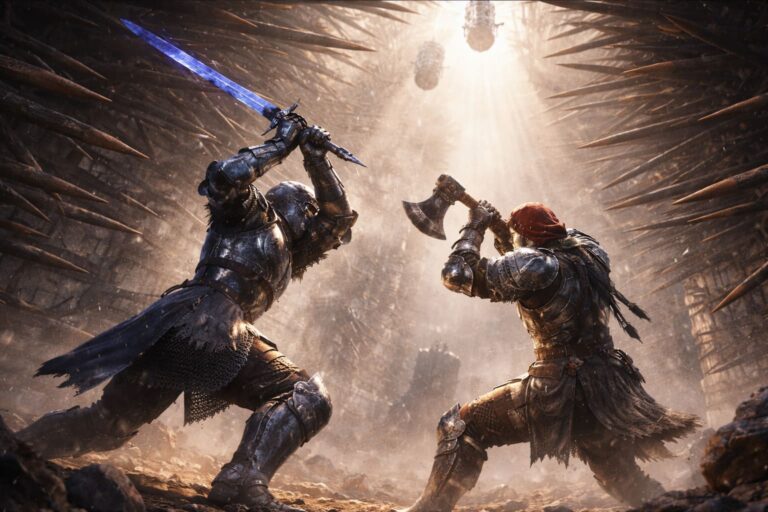
Abstergo Removed from Black Flag Resynced? Why This Change Matters
I’ve played Assassin’s Creed IV: Black Flag more times than I can count. It’s one of those rare games I keep returning to—not because it’s perfect, but because it captures something few open-world titles ever manage: freedom on the sea, music in the wind, and that strange dual identity of being both pirate and Assassin.
So when Ubisoft announced Assassin’s Creed Black Flag Resynced, I was immediately interested. Better oceans, improved naval combat, modern engine upgrades—sure, that all sounds great.
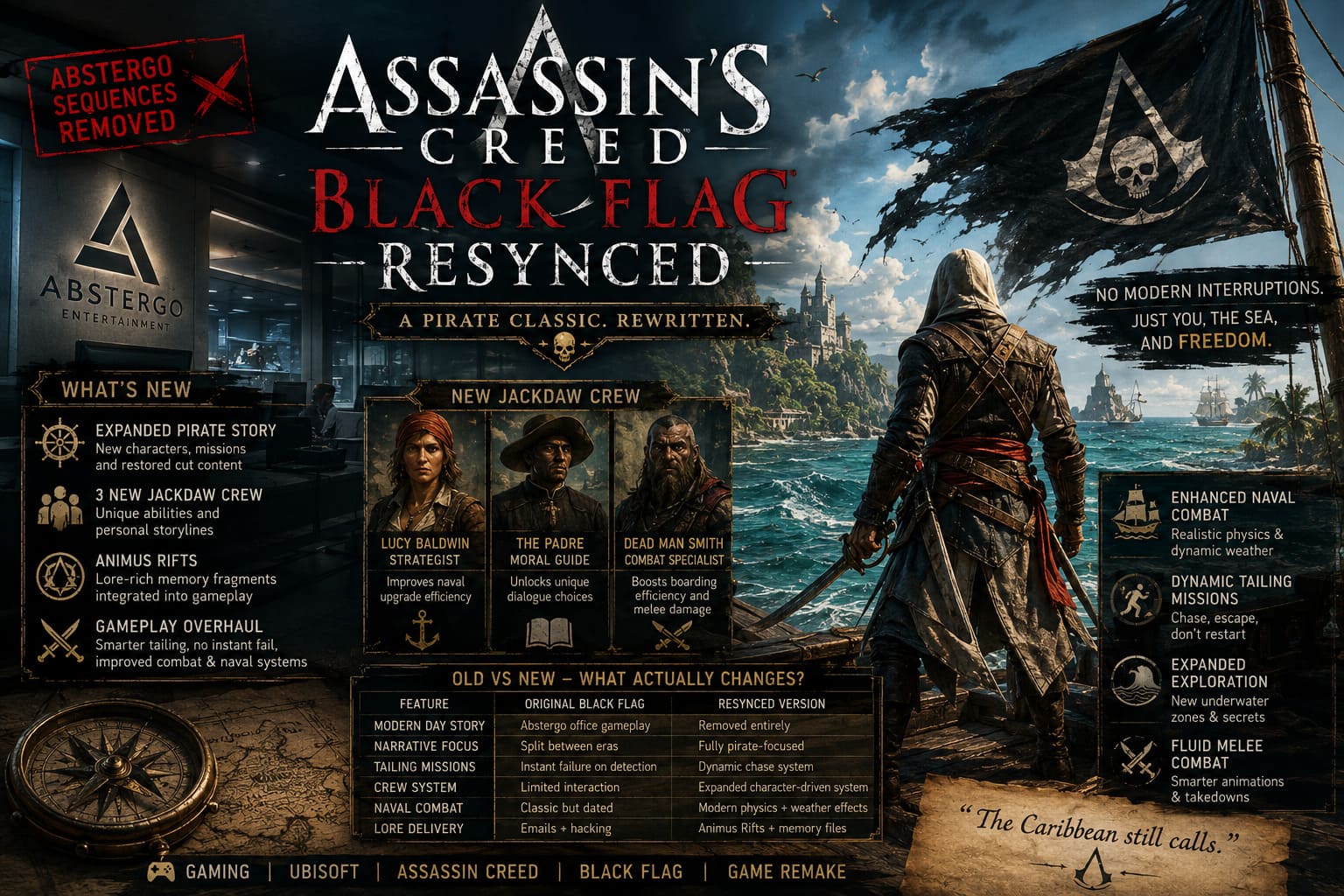
But what really caught my attention wasn’t the visuals or mechanics. It was the decision that sparked the loudest debates online: the complete removal of the Abstergo modern-day sequences.
And honestly, that one change reshapes everything.
Matt Ryan Returns as Edward Kenway: The Ultimate Pirate Revival
Why the Abstergo Removal Matters More Than It Seems
In the original game, the modern-day segments at Abstergo Entertainment were controversial from day one. You’d suddenly shift from sailing Caribbean waters as Edward Kenway to sitting in a sterile office, hacking emails and listening to corporate secrets.
Some players loved it. Others, myself included on certain replays, felt it broke the pacing completely.
But here’s the thing: those sections were never just filler. They were part of Assassin’s Creed’s identity.
By removing them entirely, Ubisoft isn’t just cutting gameplay—they’re changing the framing of the entire experience.
What’s lost:
The first-person Abstergo office immersion, corporate espionage storytelling, hidden lore tied to Juno and the First Civilization, and the feeling of real-world consequence behind the Animus.
What’s gained:
Constant immersion in Edward’s pirate life, no modern interruptions, faster narrative pacing, and more focus on character-driven 18th-century storytelling.
It’s a trade-off that feels both bold and risky.
Why Ubisoft Says They Did It
From what we understand through developer commentary and narrative direction, the reasoning is tied to the modern Assassin’s Creed ecosystem, especially the evolving Animus Hub framework.
Instead of revisiting outdated Abstergo office sequences, the remake is framed as a resynchronization of memory data using newer technology. In simpler terms, Ubisoft is treating the remake as a new simulation layer rather than a literal replay of old events.
That gives them freedom to restructure the game without being tied to 2013 narrative constraints.
And honestly, that explanation makes sense—even if part of me still misses the creepy corporate emails.
What Replaces the Modern-Day Sections
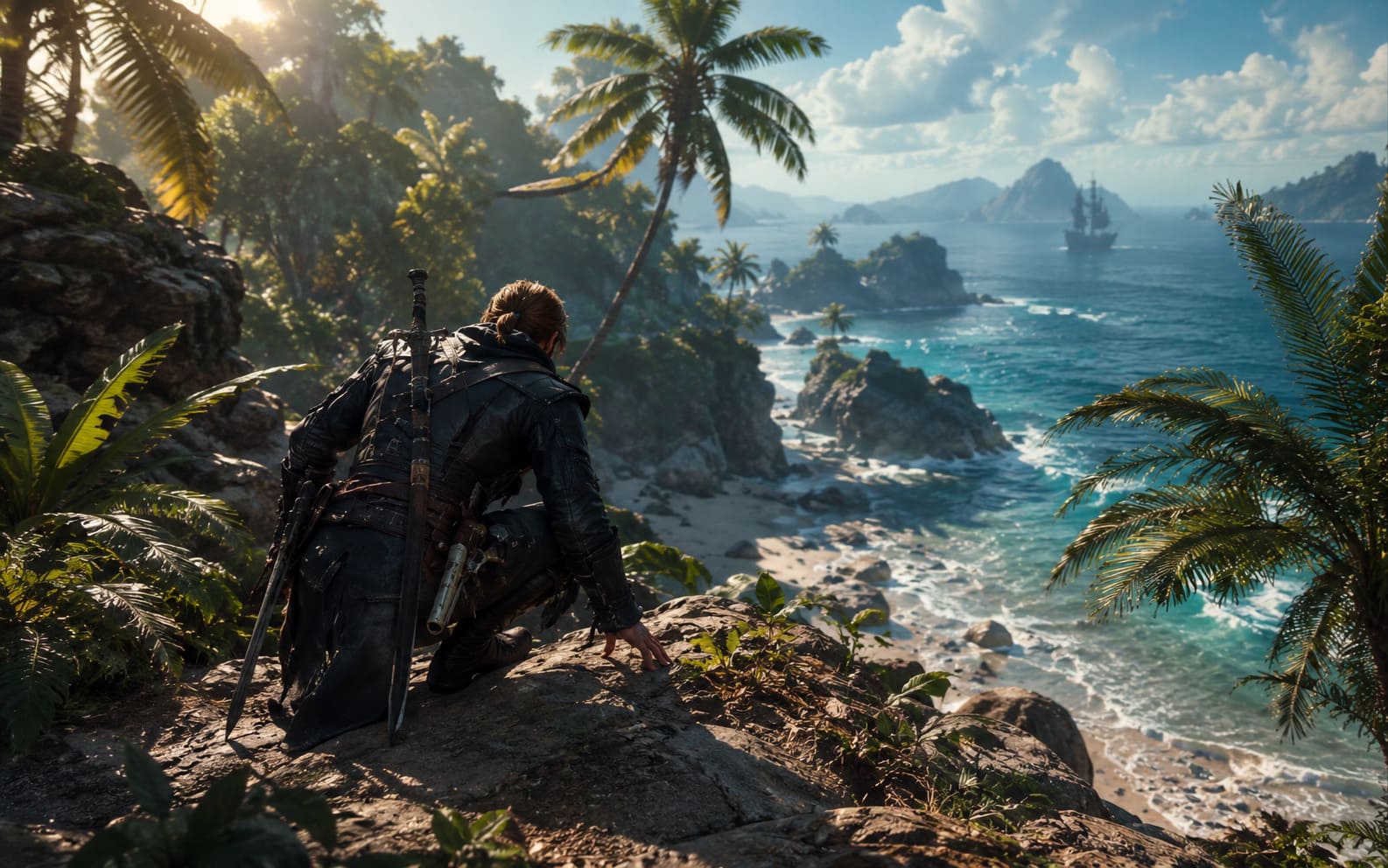
This is where things get interesting. Ubisoft isn’t just deleting content—they’re replacing it with expanded pirate-era storytelling.
Major additions include:
Expanded story arc for Mary Read, fully restored cut content from Nassau missions, three new Jackdaw crew members with personal questlines, and optional narrative Animus Rifts tied to Edward’s memory instability.
AC Black Flag Resynced: Expanded Story, New Quests & World Info
New Crew Members Overview
| Crew Member | Role | Gameplay Impact |
|---|---|---|
| Lucy Baldwin | Strategist | Improves naval upgrade efficiency |
| The Padre | Moral guide | Unlocks unique dialogue choices |
| Dead Man Smith | Combat specialist | Boosts boarding efficiency and melee damage |
This system makes the Jackdaw feel more alive than before. Instead of being just a ship, it becomes a floating community.
The Animus Rifts – Ubisoft’s Compromise
To avoid completely alienating lore-focused fans, Ubisoft introduced something called Animus Rifts.
These are not playable modern-day missions. Instead, they function as narrative glitches—fragmented insights into Edward’s mind and the broader Assassin ideology.
They are optional, lore-heavy, embedded into gameplay flow, and non-intrusive to pacing.
This is Ubisoft’s attempt to balance two audiences: players who want pure pirate immersion and fans who still care about Assassin’s Creed meta-lore.
Whether it works depends on execution—but on paper, it’s a smart compromise.
Gameplay Improvements That Actually Matter
Beyond narrative restructuring, Resynced is shaping up to be a serious mechanical upgrade. And as someone who loved the original but always saw its rough edges, these changes matter just as much as the story decisions.
Key improvements:
Smarter tailing missions with dynamic escape systems, no instant desync on detection, fully reworked naval physics and weather systems, expanded underwater exploration zones, and more fluid melee combat animations.
The biggest win for me personally is the removal of instant-fail stealth frustration. Instead of restarting missions endlessly, you actually recover from mistakes. That alone changes the entire pacing of gameplay.
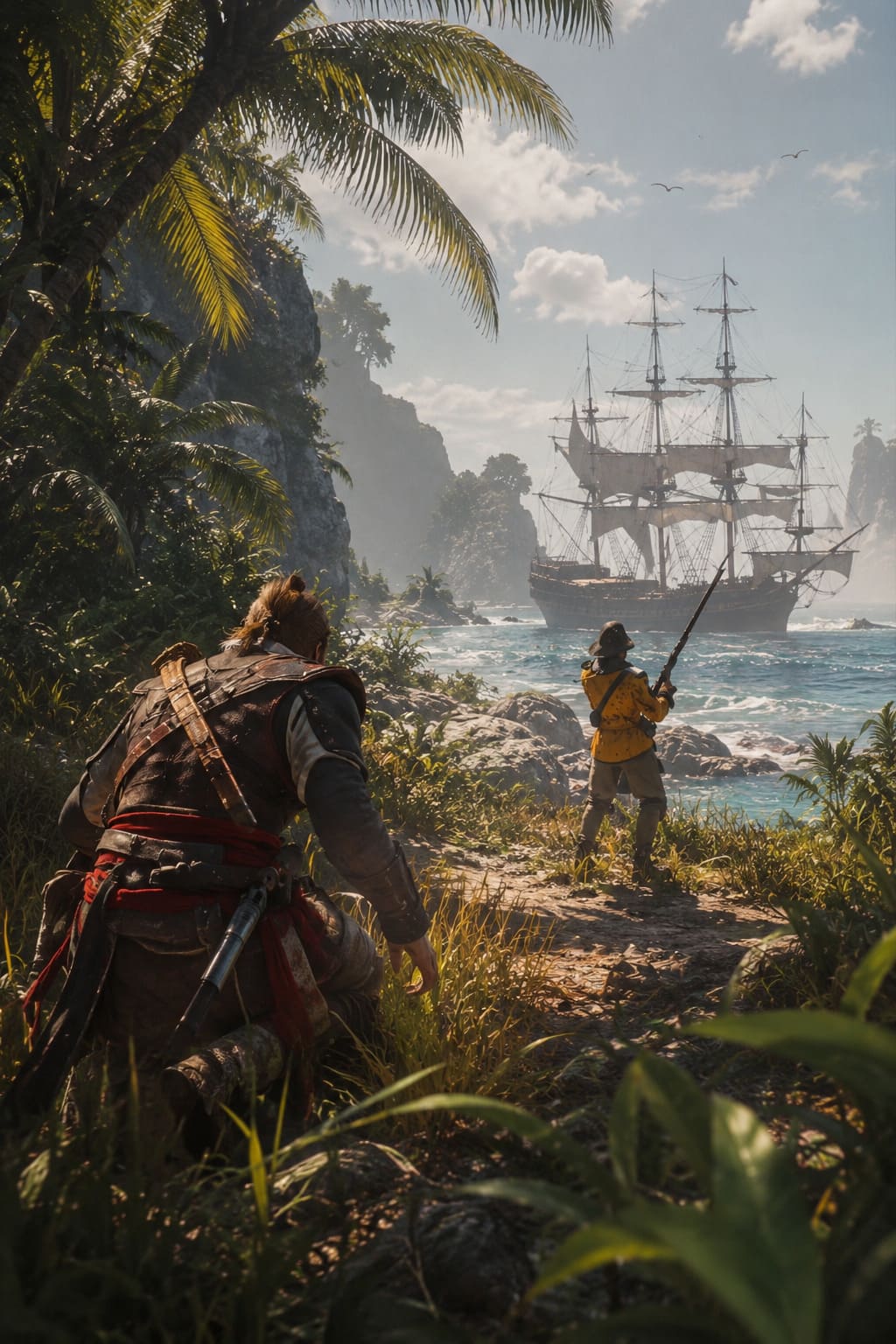
Old vs New – What Actually Changes?
| Feature | Original Black Flag | Resynced Version |
|---|---|---|
| Modern Day Story | Abstergo office gameplay | Removed entirely |
| Narrative Focus | Split between eras | Fully pirate-focused |
| Tailing Missions | Instant failure on detection | Dynamic chase system |
| Crew System | Limited interaction | Expanded character-driven system |
| Naval Combat | Classic but dated | Modern physics + weather effects |
| Lore Delivery | Emails + hacking | Animus Rifts + memory files |
Looking at this, it’s clear Ubisoft isn’t just remaking the game—they’re redefining what it is supposed to be.
The Community Split – And I Understand Both Sides
I’ve been following discussions online, and the reaction is exactly what you’d expect: divided.
Those who support the change say:
The Abstergo segments were immersion-breaking, the pirate gameplay is the real reason people played, removing interruptions improves replay value, and the story feels more focused and cinematic.
Those against it argue:
Assassin’s Creed loses its modern-day identity, lore continuity becomes weaker, the franchise risks becoming just historical RPGs, and Juno-era storytelling is being erased.
Both perspectives are valid, which is exactly why this decision is so controversial.
My Personal Take – As a Longtime Player
If I’m being honest, I won’t miss sitting in that Abstergo office clicking through emails.
But I will miss what it represented.
Assassin’s Creed was always about duality: past and present, memory and manipulation, history and control. Removing one half of that structure makes the experience smoother—but also more singular.
That said, I can’t ignore how strong the gameplay improvements sound. If Resynced delivers smoother combat, better sailing, and deeper crew interactions, I might accept the narrative sacrifice.
Maybe even embrace it.
Because at the end of the day, I didn’t fall in love with Black Flag because of office emails.
I fell in love with it because of the sea.
Final Thoughts – A Risky But Fascinating Direction
Assassin’s Creed Black Flag Resynced isn’t just a remake. It’s a reinterpretation of what the game should have been according to modern design philosophy.
By cutting the Abstergo sequences, Ubisoft is making a bold statement: immersion comes first, meta-narrative second.
Whether that’s the right choice depends on what you value more as a player.
For me, I’ll be watching closely when it releases. Because even with all the changes, one thing hasn’t changed at all: the Caribbean still calls.