Crimson Desert Dynamic Weather Guide: How Real-Time Systems Impact Combat & Exploration (2026)
When I first stepped into Crimson Desert, I expected a beautiful open world. What I didn’t expect was a world that actively pushes back. After spending hours exploring Pywel, I can confidently say the real game-changer here isn’t just combat or visuals—it’s the weather system powered by the BlackSpace Engine.
This isn’t your typical “rain for immersion” situation. Weather in this game feels like a mechanic you must respect—or it will punish you.
Let’s break down how it actually impacts gameplay from a real player’s perspective.
A Living System, Not Just a Visual Effect
Unlike most RPGs where weather cycles feel scripted, Pearl Abyss clearly aimed for something more ambitious. The environment reacts dynamically based on factors like altitude, temperature, and wind pressure.
And you feel it immediately.
- Climbing a mountain? Expect stamina issues and slower recovery
- Walking through a storm? Your visibility drops drastically
- Crossing a river in heavy rain? Surfaces behave differently, and movement becomes less predictable
It reminded me of the first time I played Skyrim, but this is on a completely different level. Here, weather isn’t background—it’s gameplay.
Combat Feels Different Every Time
One of the biggest surprises for me was how much weather affects fights. Same enemy, same location—but totally different experience depending on conditions.
Visibility = Survival
Fog, rain, and blizzards aren’t just aesthetic.
- Fog makes ranged combat unreliable
- Rainstorms reduce clarity and awareness
- Blizzards force close combat
I had a fight where I literally lost track of enemies mid-battle. You start relying on sound, movement, and instinct.
And honestly? It’s stressful—but in a good way.
Crimson Desert Controller Camera Issues: 2026 Fix & Optimization Guide
Elemental Effects Actually Matter
Playing as Kliff, I started noticing how abilities behave differently depending on the weather.
| Weather Condition | Effect on Combat |
|---|---|
| Rain | Weakens fire, boosts lightning |
| Dry Heat | Enhances fire damage |
| Storm | Amplifies AoE and chaos |
| Snow/Blizzard | Slows movement, favors melee |
This adds a tactical layer that most RPGs pretend to have but never fully commit to.
The Environment Becomes a Weapon
One of my favorite moments: during a storm, I destroyed part of a structure and watched debris crush enemies who couldn’t react fast enough due to low visibility.
That’s when it clicked—this game rewards adaptation, not just skill.
Exploration Is No Longer Mindless
Let’s be honest: in many open-world games, traversal becomes autopilot after a while.
Not here.
Temperature Changes Everything
Depending on where you are:
- Cold regions slow stamina regeneration
- Hot zones drain stamina faster
- Gear becomes essential, not optional
You can’t just wear your best armor everywhere. You need to think ahead.
Dynamic Paths and Missable Opportunities
This is something I didn’t expect but absolutely love.
- Lakes can freeze and create new shortcuts
- Storms can block or reveal paths
- Some routes exist only at certain times of day
It creates this constant feeling of: “Should I go now… or wait?”
And that’s rare in modern open-world design.
Immersion Hits Different Here
Because everything runs in-engine, even story scenes are affected by weather.
I triggered a key moment during a thunderstorm—and the entire scene felt cinematic in a way that didn’t feel scripted.
- Lightning flashes changed the mood
- Shadows moved dynamically
- Rain added tension without needing dialogue
It’s one of those subtle features that makes the world feel real, not staged.
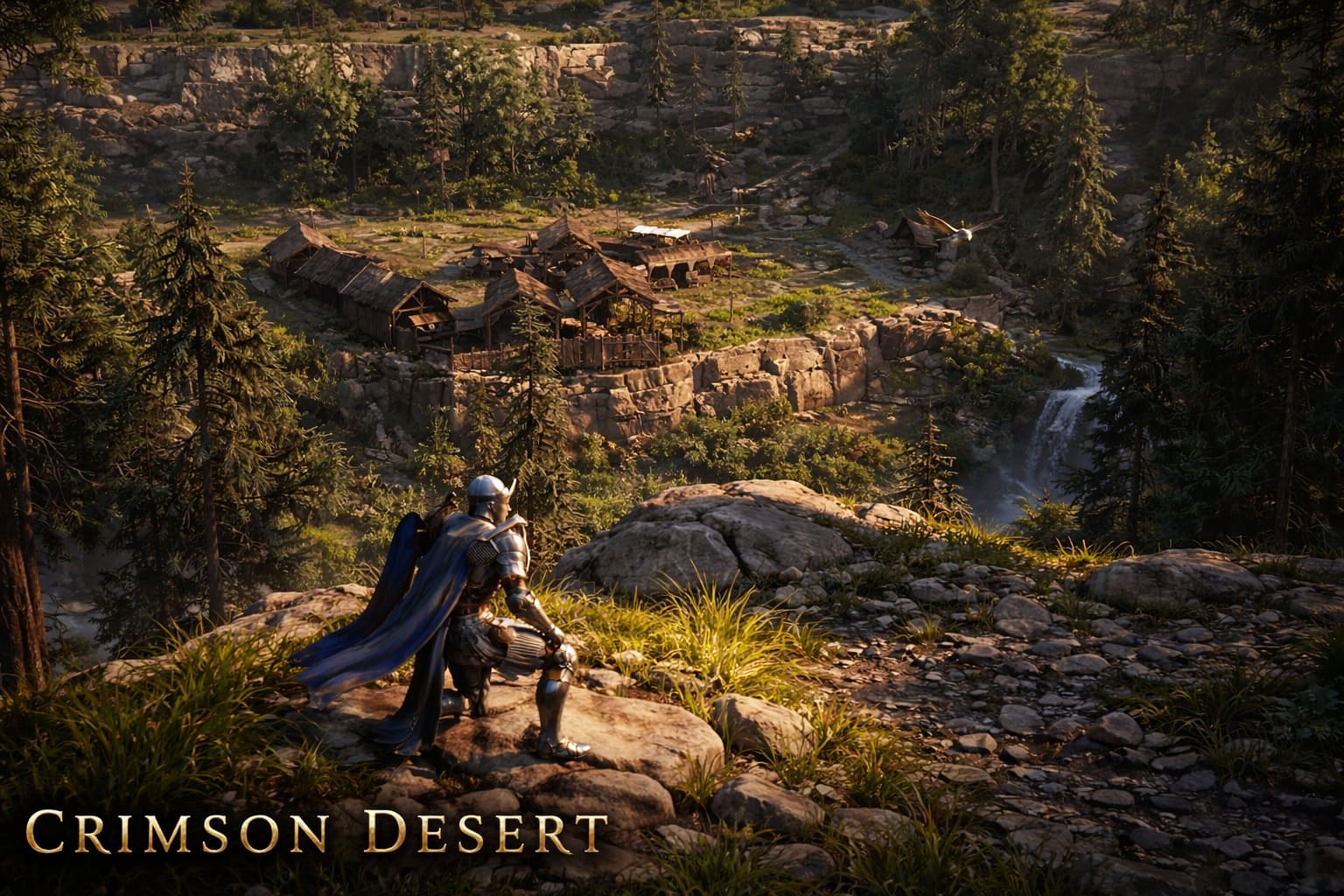
Performance: Not Perfect, But Understandable
Let’s be real—this level of simulation comes at a cost.
From my experience and what other players are saying:
- Frame drops can happen during heavy storms
- Particle effects can overload scenes
- Some transitions feel a bit abrupt
But honestly? Considering what the system is doing in real time, it’s impressive it runs as well as it does.
My Honest Take as a Player
After spending time with the game, here’s what stands out the most.
What I loved:
- Weather actually changes gameplay
- Exploration feels unpredictable
- Combat becomes situational, not repetitive
What could improve:
- Performance optimization
- Smoother weather transitions
- Better UI hints for environmental effects
Still, these are minor compared to what the system achieves overall.
Quick Summary
| Feature | Impact Level | Why It Matters |
|---|---|---|
| Dynamic Weather | ★★★★★ | Core gameplay mechanic |
| Combat Interaction | ★★★★☆ | Adds strategy depth |
| Exploration Changes | ★★★★★ | Keeps travel engaging |
| Visual Immersion | ★★★★★ | Enhances storytelling |
| Performance Stability | ★★★☆☆ | Needs improvement |
Final Thoughts: A New Standard?
If there’s one thing Crimson Desert proves, it’s that weather systems don’t have to be passive.
They can shape combat, influence decisions, create tension, and even tell stories.
It’s not just about making a world look alive—it’s about making it feel unpredictable.
And once you get used to that, going back to traditional open-world games feels kind of empty.