The Best Spells in The Spell Brigade (2026): Guide to Meta builds, Infusions, and Team Synergies
If there’s one thing I keep coming back to in Shot One Fighters, it’s how deceptively personal the game feels once you get past the surface.
On paper it’s a 2.5D fighting game with roguelite runs, but in practice it plays more like a sandbox where every run turns Volley into a slightly different version of herself. And honestly, that’s where the game shines.
Volley isn’t just a “starter shoto” character. She’s the kind of fighter you slowly start to shape into your own style—sometimes zoning-heavy, sometimes aggressive rushdown, and occasionally something completely unhinged depending on what artifacts you pick up in the Void.
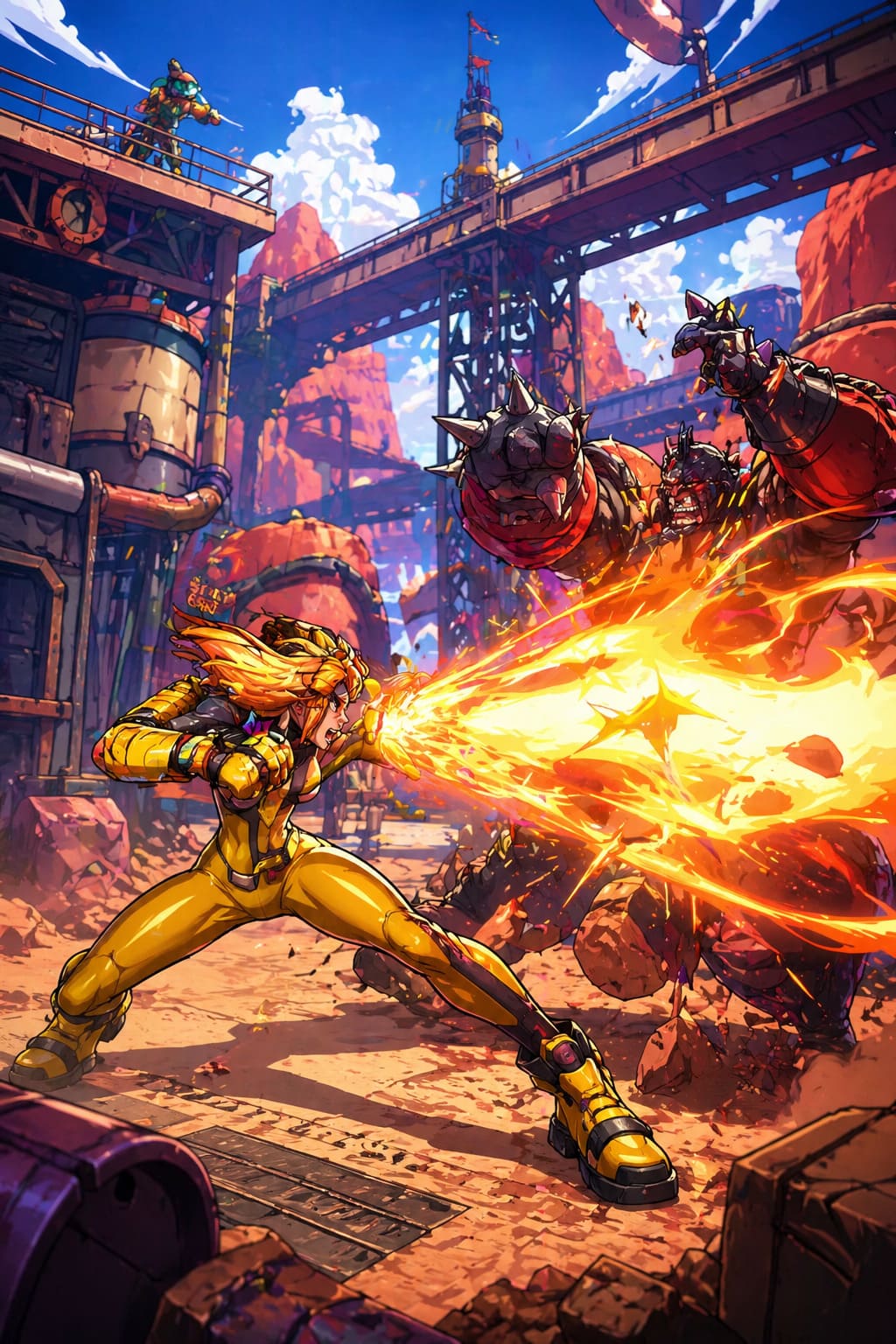
After spending way too many hours experimenting and restarting runs after overcommitting to bad builds, I’ve put together what actually feels like the most consistent and interesting artifact synergies for Volley in the current 2026 meta.
The Spell Brigade Walkthrough 2026: Ultimate Guide to Best Builds, Spells, and Boss Strategies
Why Volley Works So Well With Artifacts
Volley is designed to be flexible, and that’s not just marketing talk. Her kit naturally supports projectile control, anti-air punishes, mid-range pressure, and adaptable combo routes. That means artifacts don’t just boost her damage—they redefine her entire identity in a run. One run she feels like a zoning specialist, the next like a momentum-based pressure monster.
The trick is understanding that artifacts don’t just stack power; they change rules. And Volley benefits more than most characters from rule-breaking.
1. Eternal Fire Build (Burn + Zoning Control)
This is probably the most stable build I keep returning to when I just want a clean, controlled run without chaos. The core idea is to turn Volley into a long-range attrition machine that wins without ever needing to fully commit.
Key artifacts:
- Cinder Heart – Applies Burn stacks on special hits
- Fan the Flames – Increases damage based on Burn stacks
What it feels like in-game is a slow inevitability. Every fireball, every poke, every stray hit matters more than it should. Enemies start melting even before they realize they’re losing.
Volley’s natural projectile spacing makes it easy to apply multiple Burn stacks safely. Once stacks are active, Fan the Flames turns every interaction into exponential damage scaling.
The weakness is simple: if you fall behind early, you don’t have comeback explosiveness. It’s more chess than aggression.
2. Frame Trap Pressure Build (Stun & Momentum Loop)
This is where Volley stops feeling safe and starts feeling oppressive. If Eternal Fire is chess, this is street fighting with perfect timing. The core idea is locking opponents into block pressure loops until they make a mistake.
Key artifacts:
- Heavy Impact Weights – Increases block-stun on heavy attacks
- Momentum Engine – Grants speed boost after successful pressure strings
Once you land a clean string, the opponent doesn’t get much say in what comes next. Increased block-stun means they stay stuck longer, and Momentum Engine lets you reposition faster than they can reset.
The interesting part is how simple it feels. You don’t need complex combos—just consistent pressure that becomes terrifying over time.
3. Paradox Glass Cannon Build (High Risk Speedrun Style)
This is the build I only use when I’m in the mood to gamble my entire run on execution. It’s chaotic, slightly reckless, and extremely satisfying when it works.
Key artifacts:
- Glass Mirror – +50% damage, but double damage taken
- Vampire’s Aegis – Heals based on Super Move damage
You basically stop thinking about defense. Everything is about landing big hits and converting them into healing through supers. One mistake and you’re gone, but if you land cinematic finishers consistently, you can stabilize through lifesteal.
This build is best suited for speedruns or confident runs where enemy patterns are already familiar.
Quick Comparison Table
| Build Type | Playstyle | Strength | Weakness |
|---|---|---|---|
| Eternal Fire | Zoning / Control | Consistent damage over time | Weak comeback potential |
| Frame Trap Pressure | Rushdown / Lockdown | Opponent control and tempo dominance | Requires close-range execution |
| Glass Cannon Paradox | Burst / Risk | Extremely high damage output | Very punishing mistakes |
Artifact Synergy Logic (What Most Players Miss)
A common mistake is treating artifacts like simple stat boosts. They’re not. Artifacts in Shot One Fighters behave more like system modifiers. Some change how damage is applied, some alter timing windows, some affect resource flow, and others completely redefine risk-reward balance.
Volley benefits because her base kit is neutral and adaptable. She doesn’t rely on one strict win condition. So instead of asking what gives more damage, the better question is what changes how your opponent is forced to react.
Mech Hub Progression & Run Strategy
Outside of runs, the Mech Hub is where long-term power actually comes from. It quietly determines how strong your starting identity is.
Priority upgrades include:
- Rebuild the Lab – Unlocks starting Legacy Artifact
- NPC Event Unlocks – Over 60 event paths, including fused artifacts
NPC interactions are more important than they seem. Many of the strongest artifact combinations come from event chains rather than shops.
Moveset + Artifact Interaction (The Real Meta Layer)
This is where Shot One Fighters becomes more than just pick artifacts and go. Volley’s 100+ moves mean artifacts don’t exist in isolation. Air-focused artifacts pair better with aerial moves, burn synergy works best with multi-hit specials, stun builds favor heavy confirm starters, and glass builds require strong super meter generation.
If you ignore your moveset, your artifact build will always feel inconsistent.
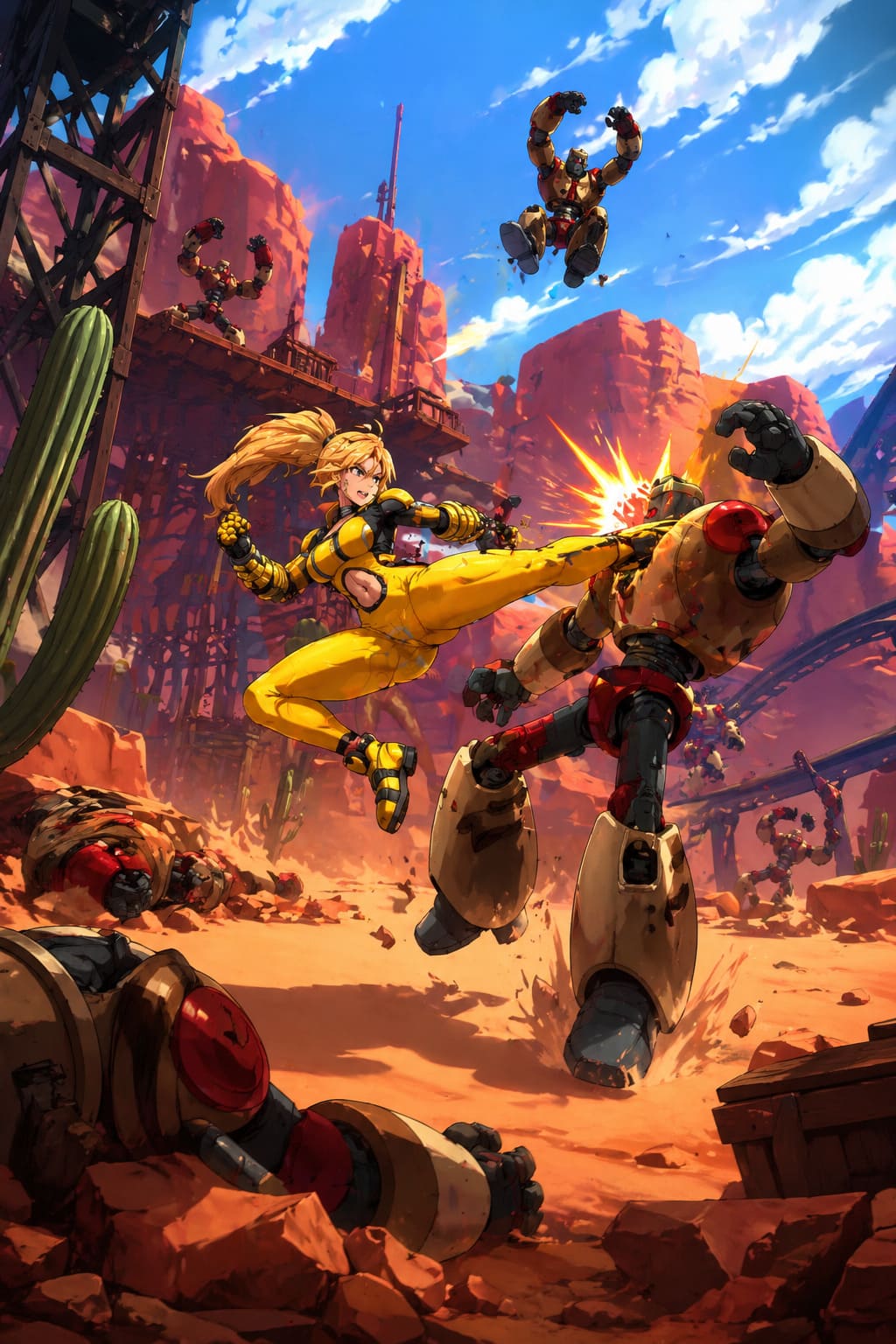
Inside the Hidden Depths of Shot One Fighters: Secret Void Bosses, Unlock Conditions, and Meta Strategies (2026 Guide)
If there’s one thing I love about modern roguelite fighters, it’s how far developers are willing to push hidden systems. Shot One Fighters is exactly that kind of game—on the surface it looks like a fast, flashy arena brawler, but underneath it hides one of the most layered secret encounter systems I’ve seen in years.
The place where all of this madness happens is The Void. And honestly, calling it just a “stage” feels wrong. It behaves more like a living ecosystem—reacting to your build, your consistency, even your greed. After spending way too many runs experimenting with triggers, failed attempts, and accidental discoveries, I wanted to put together a clean breakdown of the secret bosses that actually matter in the current 2026 meta.
This isn’t just a guide. It’s more like a field journal from someone who got obsessed with breaking the game’s logic.
The Void: Where the Game Stops Playing Fair
The Void is the late-game gauntlet in Shot One Fighters, but it’s not just difficulty scaling. It introduces conditional reality shifts—meaning the game literally checks how you play, what you carry, and how clean your execution is.
Some players rush it like a normal dungeon. That’s a mistake. The real content hides behind conditions most people never meet accidentally.
Here’s what the current community (and a lot of painful testing) has uncovered.
1. Echo of Paradox (Volley’s Secret Rival Fight)
This one feels less like a boss fight and more like emotional storytelling disguised as punishment.
To trigger it, you must play as Volley, one of the more mobility-focused characters. The requirement is deceptively simple but brutal in practice:
– Complete the third sector of the Void without losing a single round
– Maintain a Perfect Run streak up to that point
– Equip the Cinder Heart artifact
If you succeed, a Paradox Rift appears in the rest area before the sector boss. Interacting with it drops you into a cinematic transition that leads directly into the fight.
What makes this encounter stand out isn’t just difficulty—it’s pacing. The boss mimics Volley’s movement patterns but corrupted, almost like fighting your own “best possible version” of yourself.
Reward
Phantom Dash ability lets Volley phase through projectiles without meter cost. This single upgrade completely changes high-level play and shifts Volley from high-risk mobility to near-permanent evasive dominance.
2. Gilded Sentinel (The Merchant Punishment Boss)
This one is hilarious in concept and terrifying in execution. The game basically punishes you for being too rich.
To unlock it, you need:
– At least 1,500 Credits
– Minimum three Legendary artifacts
– Reach the Mech Hub in late game
Then comes the trigger mechanic: instead of buying anything, you hit the Merchant NPC three times. That’s it. And suddenly you’re locked into a sub-arena fight with the Gilded Sentinel, a golden armored construct that scales damage based on your total resources.
The fight feels like a moral lesson: you hoarded too much, now survive it.
Reward
Midas Touch artifact converts a percentage of dealt damage into instant Credits, creating a loop where aggressive players can snowball economy mid-run.
3. Null-Pointer (The Glitch Entity)
This is probably the most meta-breaking encounter in the entire game. Instead of testing combat skill, it tests observation and environmental awareness.
In the Digital Decay sub-level, you’ll find three flickering monitors. The sequence matters:
– Left
– Right
– Center
You must destroy them in order within 10 seconds. If done correctly, the floor collapses and you get pulled into a hidden arena.
Null-Pointer itself is unstable. It doesn’t behave like a normal boss. Sometimes it desyncs animations, sometimes it duplicates attacks. It feels like the game engine fighting itself.
Reward
Source Code artifact grants a 5% chance to reset Special Move cooldowns on hit. In long fights, this becomes absurd and allows chaining ultimates far beyond intended limits.
4. Shin-Vanguard (The Skill Gate Final Surprise)
If the previous bosses were secrets, this one is a statement.
Shin-Vanguard only appears for highly technical players, and the requirements are strict:
– At least three Super Move finishers per run
– Combo count above 25 in every encounter
– Must defeat the final Void boss first
Then, instead of skipping the ending cinematic, you let it play. If conditions are met, Shin-Vanguard interrupts the victory sequence, descending from above and reviving the fight.
It’s basically the game saying: you think you finished the run? try again.
Reward
Alternate character skin and permanent stat boost for all future runs, making it one of the most valuable encounters in long-term progression.
Strategy Breakdown: What Actually Matters
After dozens of runs, the pattern becomes clear. These encounters are not random—they test different player behaviors.
1. Build for Stability, Not Just Damage
Secret bosses are tanky. Healing artifacts and mitigation matter more than raw DPS.
2. Don’t Hoard Blindly
The Gilded Sentinel punishes greed directly. Excess resources can become a liability.
3. Learn Environmental Triggers
Null-Pointer proves that the game is partly puzzle-based, not just combat-based.
4. Execution > Luck
Shin-Vanguard especially rewards mechanical consistency over RNG reliance.
Quick Comparison Table
Echo of Paradox: Skill/story fight triggered by perfect run, rewards mobility upgrade
Gilded Sentinel: Economy-based punishment boss, rewards resource conversion
Null-Pointer: Puzzle/glitch encounter, rewards cooldown manipulation
Shin-Vanguard: High-skill gate boss, rewards permanent progression boost
Final Thoughts
What makes Shot One Fighters stand out is how it turns hidden content into a core system instead of optional flavor. These bosses actively reshape how you approach the entire game. They reward curiosity, punish autopilot play, and constantly force you to rethink what optimal even means.
It’s rare for a game to make you feel like you’re both learning mechanics and decoding something underneath the engine itself. The Void is exactly that kind of space.
If you’re only rushing main bosses, you’re basically seeing half the game and missing the part that defines its identity.