Dungeon Lurker Lore Explained: The Creepy Mystery of Mikey and Gabriel
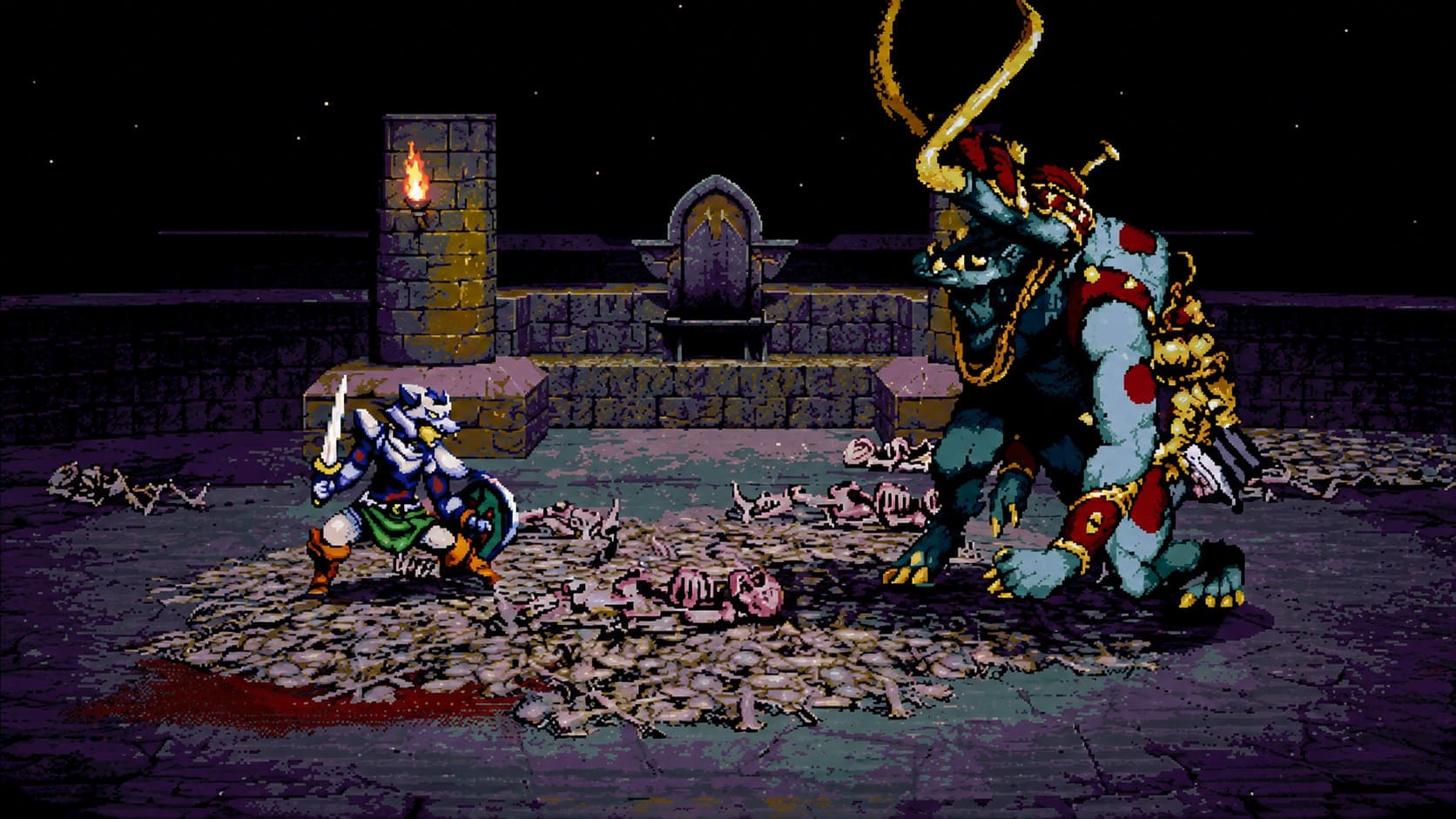
At first glance, Dungeon Lurker looks exactly like the kind of game many retro fans have dreamed about for years. It has chunky pixel art, a grimy 256-color palette, CRT screen effects, and the feeling of discovering a forgotten action RPG from the mid-’90s. As someone who has spent countless hours playing everything from classic dungeon crawlers to modern indie roguelikes, I initially expected a nostalgic adventure inspired by the golden age of console gaming.
Then I started paying closer attention. What caught my interest wasn’t another sword swing or another monster-filled corridor—it was everything happening outside the dungeon. The more information I found about Dungeon Lurker, the more obvious it became that the monsters aren’t the real horror. The true mystery revolves around two ordinary people named Mikey and Gabriel, and that story might be the most fascinating part of the entire game.
Unlike many indie horror titles that throw random cryptic clues at players, Dungeon Lurker appears to build its mystery with purpose. Every trailer, every line of dialogue, and every promotional detail feels carefully placed, encouraging players to question what is actually happening.
Echoes of Aincrad Sentry Golem Boss Guide: How to Beat the First Major Threat
More Than a Retro Roguelike
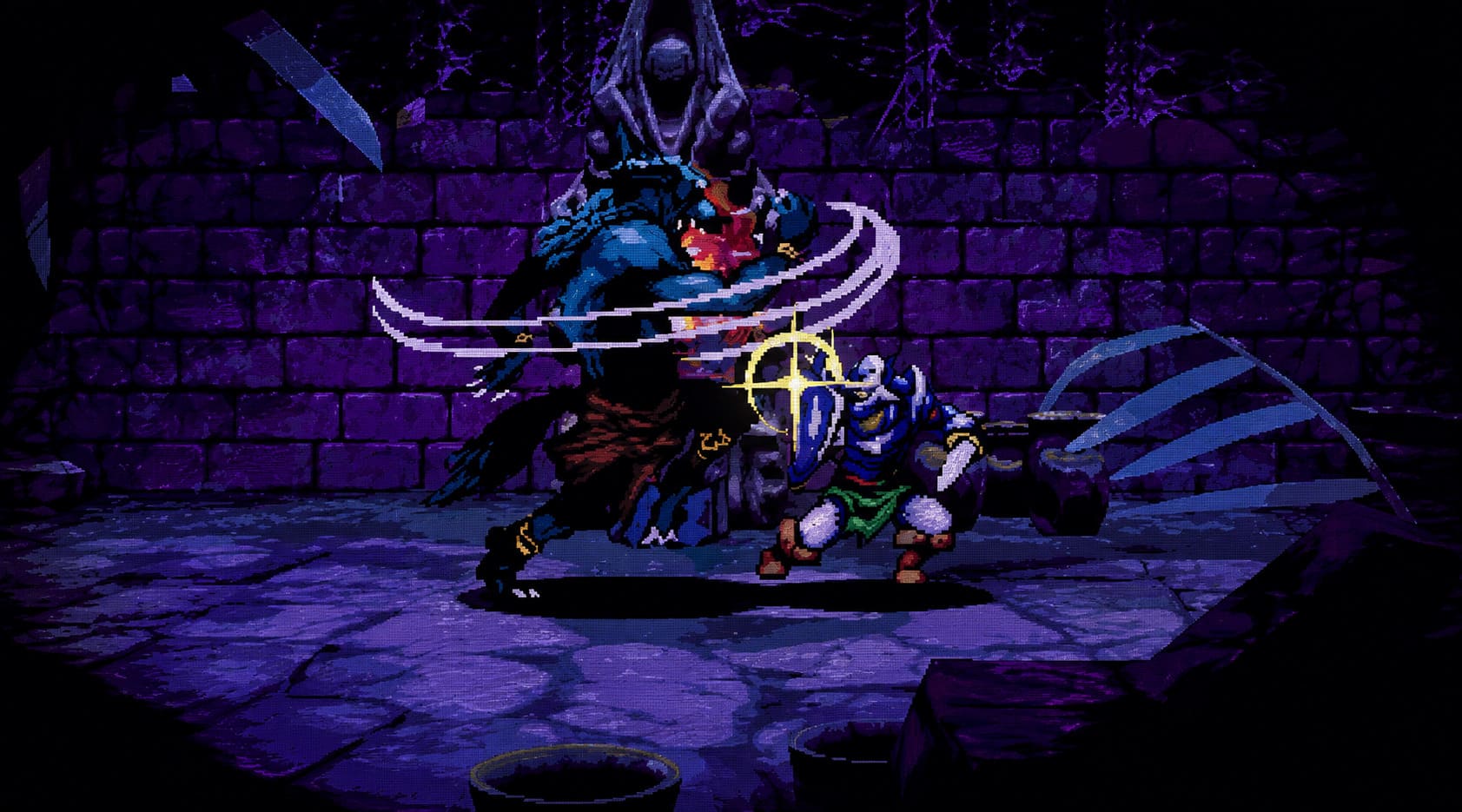
On paper, Dungeon Lurker offers everything fans of old-school action games could want. Players explore over thirty handcrafted levels filled with monsters, magical relics, hidden treasures, and dangerous bosses. Instead of procedurally generated maps, every area has been designed manually, giving each dungeon its own personality. That already separates it from many modern roguelikes that rely heavily on random generation.
What Immediately Stands Out
- Handcrafted level design
- Authentic 32-bit inspired visuals
- Classic hack-and-slash combat
- Retro spell and charm system
- A fictional 1990s console setting
That alone would have been enough to grab my attention. But the developers clearly had bigger ambitions. Rather than simply recreating the feeling of an old video game, they built an entire fictional history around it, making players feel like they’re uncovering a forgotten piece of gaming history.
The Voicemail That Changes Everything
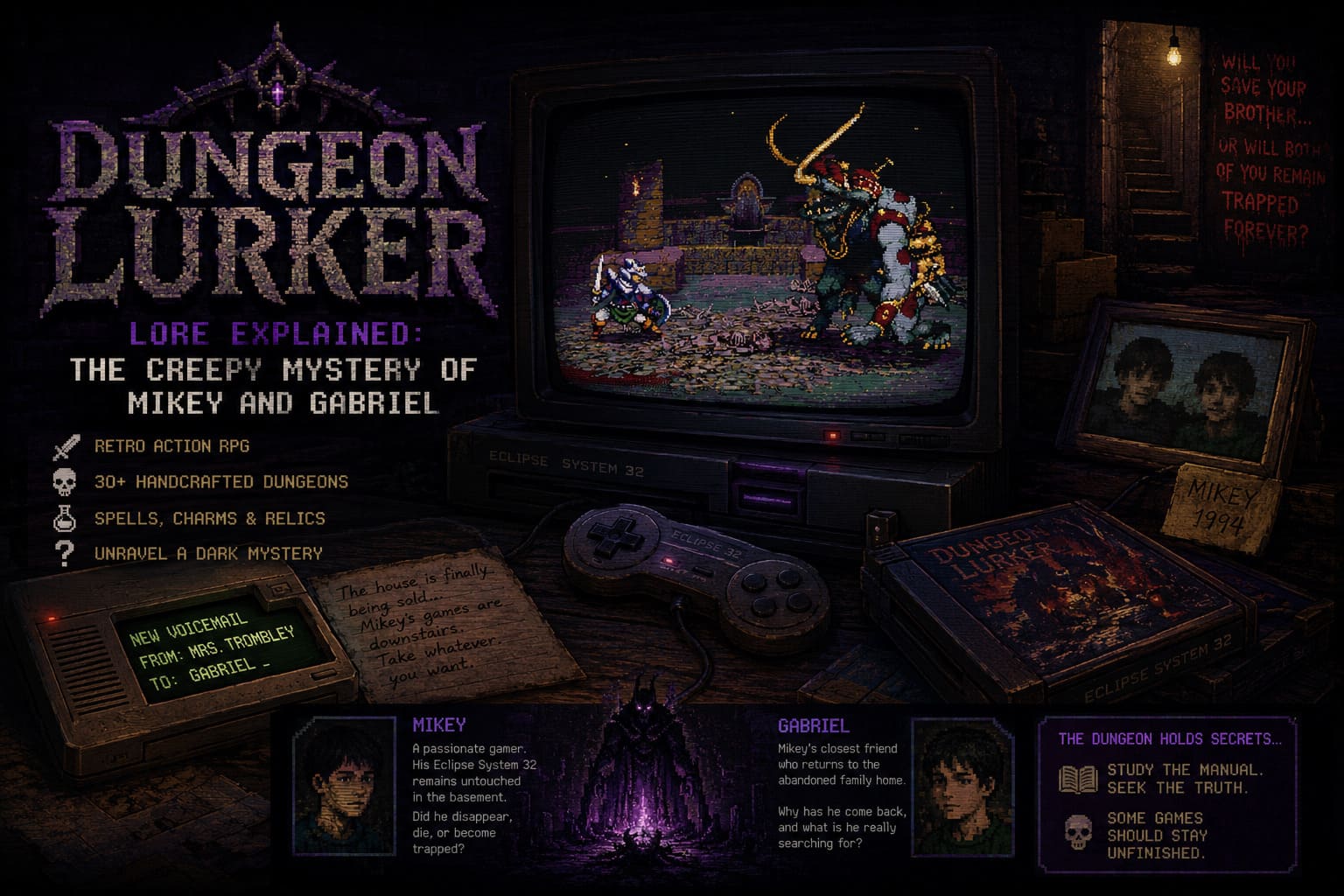
The reveal trailer doesn’t begin with flashy gameplay. Instead, players hear an old answering machine playing a voicemail from Mrs. Trombley addressed to Gabriel. It’s surprisingly emotional, and from that point on, the game immediately feels different from a typical retro-inspired adventure.
Mrs. Trombley explains that her family has finally decided to sell their house after the disappearance—or possible death—of her son Mikey. While packing his belongings, they couldn’t bring themselves to touch everything he left behind. She tells Gabriel that Mikey’s old video games are still downstairs exactly where he left them and that he is welcome to take anything he wants.
That simple conversation completely reframes the player’s perspective. Instead of launching a fantasy adventure, you’re sitting in the basement of someone who never came back. The console isn’t yours, the save files aren’t yours, and even the game itself belonged to someone who is no longer there. That tiny narrative trick instantly gives Dungeon Lurker an emotional weight that many modern horror games struggle to achieve.
Who Are Mikey and Gabriel?
Although very little has been officially confirmed, the clues already available paint an intriguing picture. Both characters seem ordinary on the surface, yet every detail surrounding them suggests there is far more beneath the story than first appears.
| Character | Known Information | Main Mystery |
|---|---|---|
| Mikey | A passionate gamer whose Eclipse System 32 remains untouched in the basement. | Did he disappear, die, or somehow become trapped? |
| Gabriel | Mikey’s closest friend who returns to the abandoned family home. | Why has he come back, and what is he really searching for? |
Personally, I like that neither character is overexplained. Too many modern horror games dump pages of exposition onto players during the opening hour. Dungeon Lurker seems content with letting silence, abandoned rooms, and environmental storytelling carry much of the narrative. Sometimes an empty basement says more than an entire cinematic sequence.
The Game Might Be the Real Prison
One theory that immediately spread throughout the community suggests Dungeon Lurker isn’t simply a fictional game inside another game. Instead, it could actually function as a prison for someone’s soul or consciousness. Promotional material encourages players to study the in-game manual carefully because it supposedly contains hidden secrets and forbidden knowledge beyond ordinary gameplay mechanics.
Adding even more mystery, the game’s primary antagonist, the Darklord, reportedly appears corrupted or glitched in several promotional assets. That doesn’t feel accidental. If you’ve experienced narrative-driven horror games that blur the boundary between software and reality, you’ll probably recognize the inspiration. Dungeon Lurker appears determined to make players question whether they’re simply playing a retro action game or interacting with something much darker.
The “Brother” Mystery
One tiny sentence has generated a surprising amount of discussion among fans. While Mrs. Trombley consistently refers to Gabriel as Mikey’s friend, another official description asks players a completely different question: “Will you save your brother… or will both of you remain trapped forever?”
That single word changes everything. If Gabriel is truly Mikey’s brother, why does his mother describe him only as a close friend? There are several possible explanations, and none of them are particularly comforting.
Possible Explanations
- Gabriel and Mikey are biological brothers.
- They considered each other family despite not being related.
- Gabriel’s memories cannot be trusted.
- Someone or something inside the game is manipulating reality.
Personally, I hope the developers avoid revealing the answer too quickly. The strongest psychological horror stories leave players questioning every clue, and Dungeon Lurker already seems committed to that style of storytelling.
Nostalgia Can Be Terrifying
One reason this premise feels so effective is because nearly every longtime gamer has memories attached to old consoles, basement gaming rooms, and late-night adventures with childhood friends. Dungeon Lurker doesn’t simply celebrate that nostalgia—it transforms it into something deeply uncomfortable.
The CRT television, aging console, dusty cartridges, and old answering machine all feel familiar at first. Then the emotional context changes everything. Instead of comforting reminders of childhood, they become painful symbols of absence, loss, and unanswered questions. As someone who still enjoys replaying classics on original hardware, I found this concept surprisingly powerful.
Could Mikey Still Be Alive?
The biggest mystery remains Mikey himself. Nothing officially confirms what actually happened to him. His mother’s dialogue strongly implies tragedy, but the game deliberately refuses to provide a definitive answer. That ambiguity leaves room for several fascinating possibilities.
Maybe Mikey truly died. Maybe he disappeared under mysterious circumstances. Or perhaps the dungeon itself somehow trapped him inside the game, forcing Gabriel to enter its dangerous world in hopes of bringing him home. If that theory proves true, every dungeon run suddenly becomes much more meaningful than simply collecting loot or defeating bosses.
Why I’m More Excited Than Ever
I’ve played enough indie games over the years to know that nostalgia alone rarely carries an entire experience. Beautiful pixel art, retro soundtracks, and CRT filters can create an incredible first impression, but memorable storytelling is what keeps players talking months or even years later.
Dungeon Lurker appears determined to offer both. The gameplay already looks satisfying, but everything surrounding it—the voicemail, the abandoned basement, the conflicting clues, the mysterious Darklord, and the possibility that the game itself is alive—creates an atmosphere that’s difficult to ignore. I especially appreciate that the developers seem willing to let players piece the mystery together themselves instead of explaining every answer through lengthy cutscenes.
Final Thoughts
Dungeon Lurker could have been another enjoyable retro-inspired roguelike, and honestly, that probably would have been enough for many players. Instead, it appears to be aiming much higher by combining nostalgic dungeon crawling with psychological horror, environmental storytelling, and a mystery that extends beyond the game world itself.
Whether Mikey is trapped inside the dungeon, whether Gabriel is hiding painful memories, or whether the mysterious Darklord represents something far more personal than a traditional final boss, the unanswered questions already make Dungeon Lurker one of the more intriguing indie horror projects in recent memory.
For me, that’s the strongest sign of great horror design. Rather than relying solely on jump scares or grotesque monsters, Dungeon Lurker invites players to investigate, theorize, and debate every clue they uncover. If the full release successfully delivers on the mystery hinted at so far, it could easily become one of those indie games people continue discussing long after they’ve reached the ending.