Why PAC-MAN Snack Breaks Feels Like a Love Letter to Arcade History
If you told me a few years ago that I’d be genuinely excited about a new Pac-Man animated series in 2026, I probably would’ve smiled politely and gone back to replaying old arcade emulators. But here we are. “PAC-MAN: Snack Breaks” is shaping up to be one of those surprise revivals that doesn’t just rely on nostalgia — it actually tries to evolve the whole idea.
And honestly? As someone who still enjoys jumping between retro classics and modern indie games, this feels like a weirdly perfect blend of both worlds.
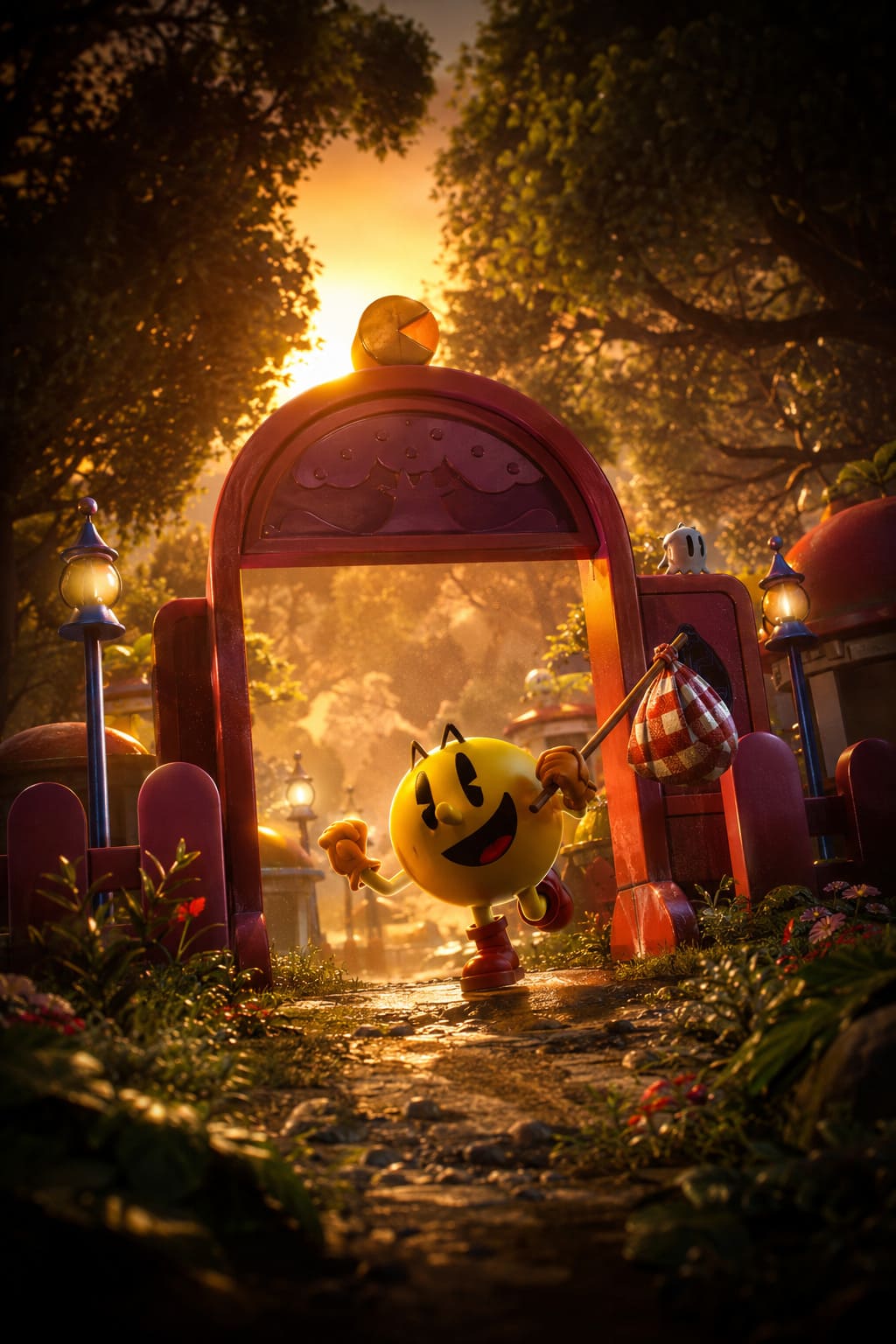
This isn’t just another reboot. It’s a full-on reimagining built for the YouTube generation, backed by Bandai Namco Entertainment America Inc., and designed to live where people actually watch content now — not cable TV, not DVDs, but constant scrolling, short attention spans, and algorithm-driven discovery.
Professor Pac-Man Returns: From Arcade Failure to Snack Breaks Icon
A Quick Reality Check: What “Snack Breaks” Actually Is
“PAC-MAN: Snack Breaks” is a 2D animated web series built around short, monthly episodes released on YouTube.
Instead of dropping a full season all at once (like streaming platforms trained us to expect), this show goes the opposite direction: one episode per month, long-term engagement instead of binge consumption, and built-in hype cycles for each release.
At first glance, that might feel “slow,” but in today’s content economy, it’s actually a smart move. Every episode becomes an event rather than background noise.
Release Strategy: Slow Burn, Maximum Hype
Here’s the official structure of the rollout as currently planned:
| Event | Date | Notes |
|---|---|---|
| Early Screening | May 16, 2026 | Paley Museum (NYC special preview) |
| Official Premiere | May 22, 2026 | Pac-Man Day launch |
| Episode Frequency | Monthly | New episode every month |
| Platform | YouTube | Official PAC-MAN channel |
What stands out is the intentional pacing. In a world where shows disappear from conversation within 48 hours, this format forces people to stay engaged longer.
And let’s be real — it also gives fans time to theorize, meme, and dissect every frame.
New Pac-City: A Maze That Grew Into a Metropolis
The biggest creative swing here is definitely the setting. Instead of sticking to the familiar arcade-style maze loops, “Snack Breaks” introduces New Pac-City, a neon-drenched urban world that feels like a living, breathing version of a Pac-Man level.
Think of it like this: streets shaped like maze corridors, neon signage replacing pellets, buildings acting like vertical labyrinths, and ghost chases happening across rooftops and subway tunnels.
It’s still recognizably Pac-Man, but expanded into something much bigger.
As a gamer, this is the kind of world-building I actually want from legacy franchises. Not just “remember this character?” energy, but “what would this world look like if it actually evolved?”
Professor Pac-Man Returns: From Arcade Failure to Snack Breaks Icon
The Core Idea: “Snack-Sized Adventures”
The subtitle “Snack Breaks” isn’t just branding. It reflects the structure of the storytelling. Each episode focuses on short, self-contained adventures — what you could call micro-quests in New Pac-City.
Instead of saving the world every time, Pac-Man is just living in it.
- Chasing ghosts through a crowded neon district
- Competing in street-style maze races
- Searching for rare “power snacks” instead of classic pellets
- Meeting strange Pac-City residents with their own mini-stories
It’s lighter, faster, and more comedic than older adaptations like “Pac-Man and the Ghostly Adventures.”
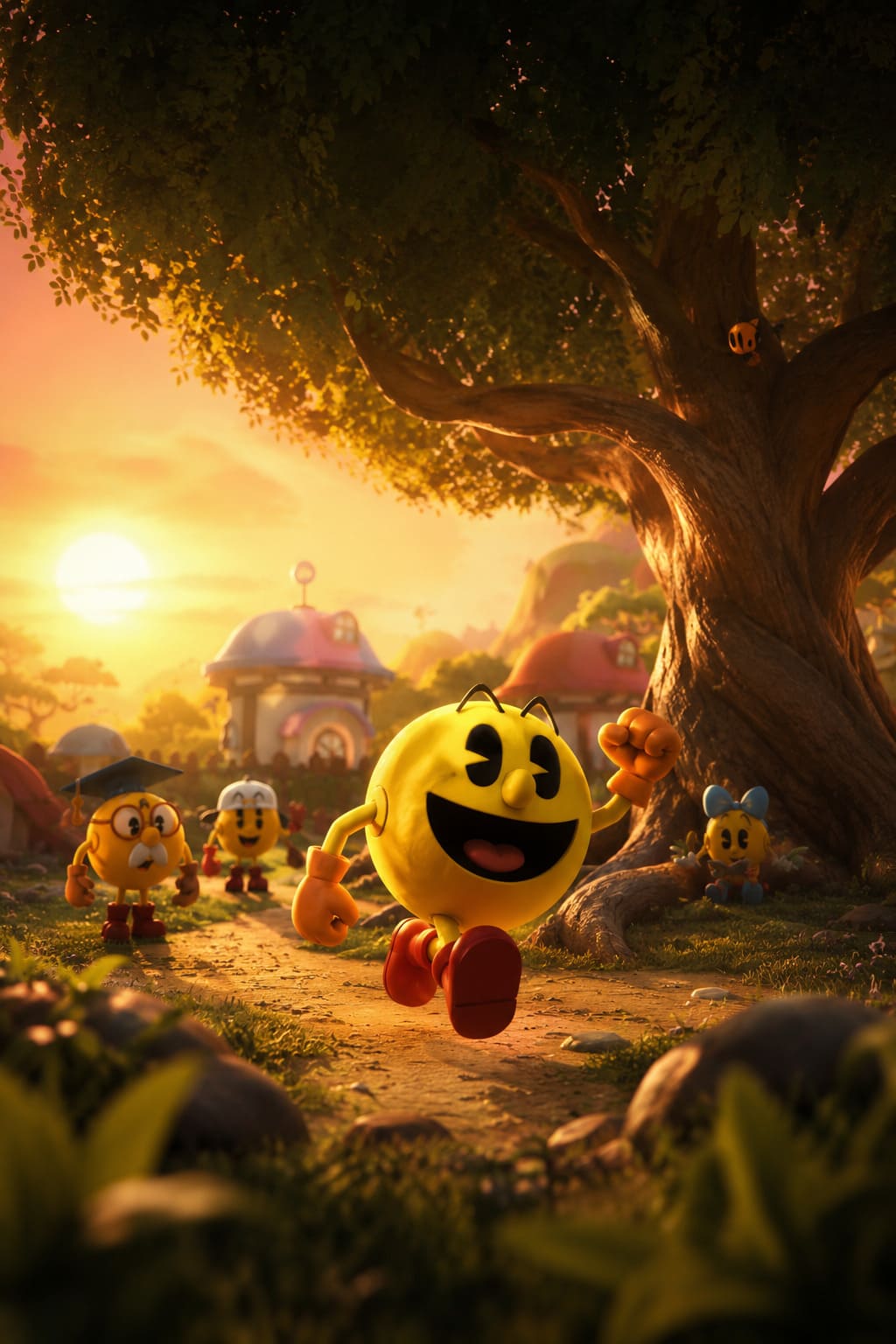
Visual Style: Retro Anime Meets Digital Chaos
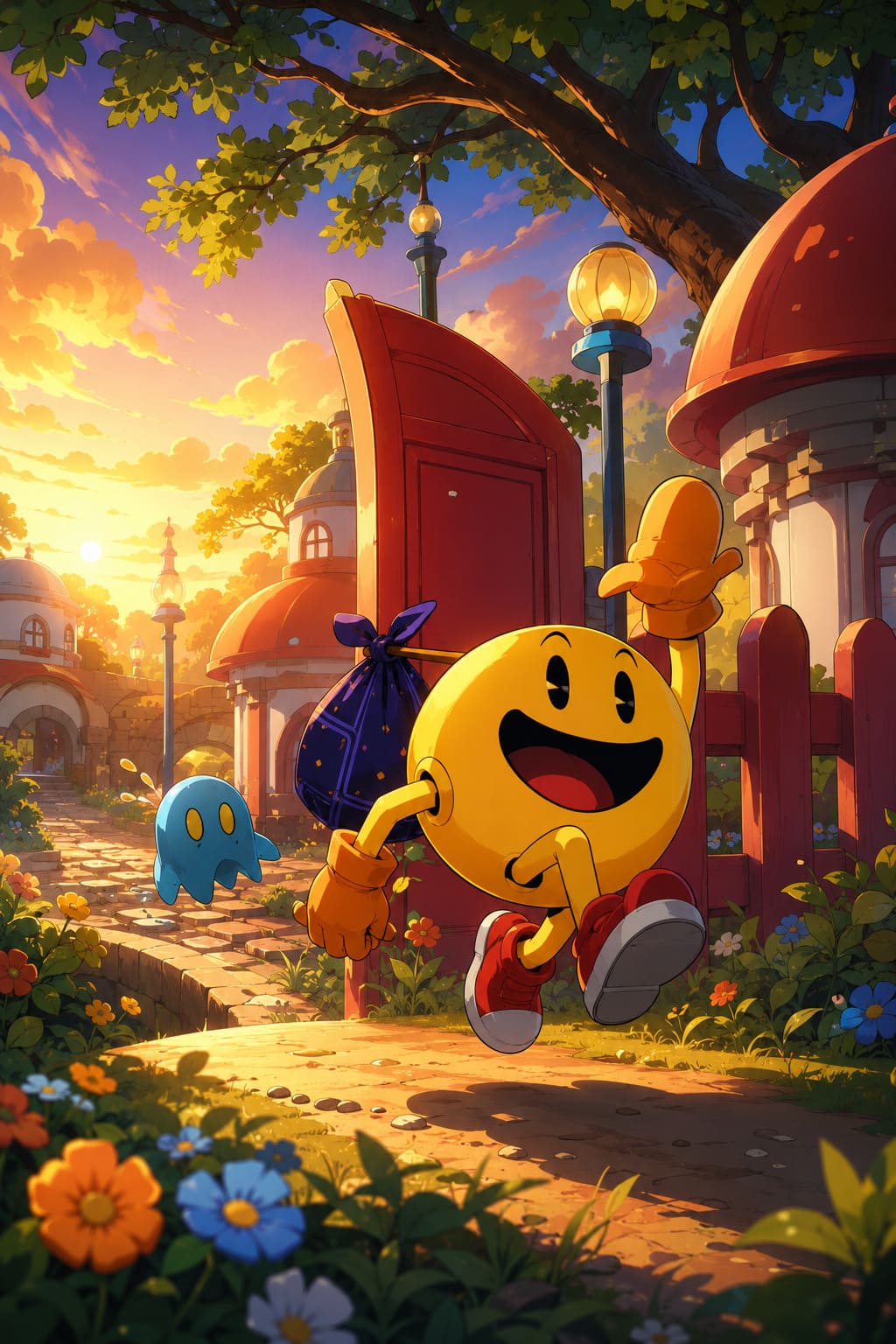
The animation style is one of the strongest selling points. The series leans into a retro-anime-inspired 2D aesthetic combining 1980s arcade visual cues, modern fluid animation, bright neon cyberpunk tones, and simplified but expressive character designs.
The result feels almost like a playable cartoon — something between an arcade attract screen and a modern indie animated series.
What surprised me most is how expressive Pac-Man actually is here. He’s not just a bouncing circle anymore — he’s got personality, posture, and comedic timing.
Voice Cast & Creative Direction
The production is being handled by animation studio Cartuna, known for experimental, internet-native animation styles.
Key creative roles include director Noah Pardo, writer Garrett Beltis, and producers Adam Belfer, James Belfer, and Monica Mazel.
Voice cast highlights include Mike Cefalo as Pac-Man / Inky, Mike Bodie as Blinky, Rebecca Wang as Pinky, and Lukas Arnold as Clyde.
The tonal shift is clearly comedic and fast-paced rather than serious or lore-heavy, which fits Pac-Man better than people admit. The original arcade game was never deep storytelling — it was pure gameplay loop addiction.
Why the Monthly Format Actually Works
At first, a monthly release schedule sounds like a mistake. But it actually makes sense in today’s content ecosystem.
- Community growth through ongoing discussion
- Algorithm advantage via repeated trending cycles
- YouTube creators gain time for breakdowns and theories
- Stronger long-term brand engagement
Instead of burning hype in a week, the series stretches attention across the entire year. It feels closer to how older TV shows built fandoms, but optimized for digital platforms.
Fan Theories Already Circulating
Even before release, the internet has already started doing what it does best — overanalyzing everything.
Some early theories include hidden Namco references like Galaga or Dig Dug cameos, modern reinterpretations of Pac-Family characters, Power Pellets as futuristic energy tech, and a possible ghost evolution system with upgraded abilities in urban environments.
Whether true or not, it doesn’t matter — half the fun is watching the community build its own mythology.
Final Thoughts: Why This Version of PAC-MAN Feels Different
I didn’t expect to care this much about a new Pac-Man series in 2026. But “Snack Breaks” isn’t trying to recreate the past exactly. It’s trying to translate it.
It takes the core idea — chase, escape, survive, repeat — and drops it into a living neon city built for modern attention spans but long-term fandom.
It respects what Pac-Man was, but it’s not afraid to ask what Pac-Man could be in a world shaped by YouTube culture, memes, and constant digital evolution.
Whether it becomes a long-running hit or just a cult favorite, one thing is already clear: New Pac-City isn’t just another maze. It’s a rebooted playground for a character that somehow still stays relevant after decades.
And yeah — it’s probably worth checking in every month just to see where this neon maze goes next.