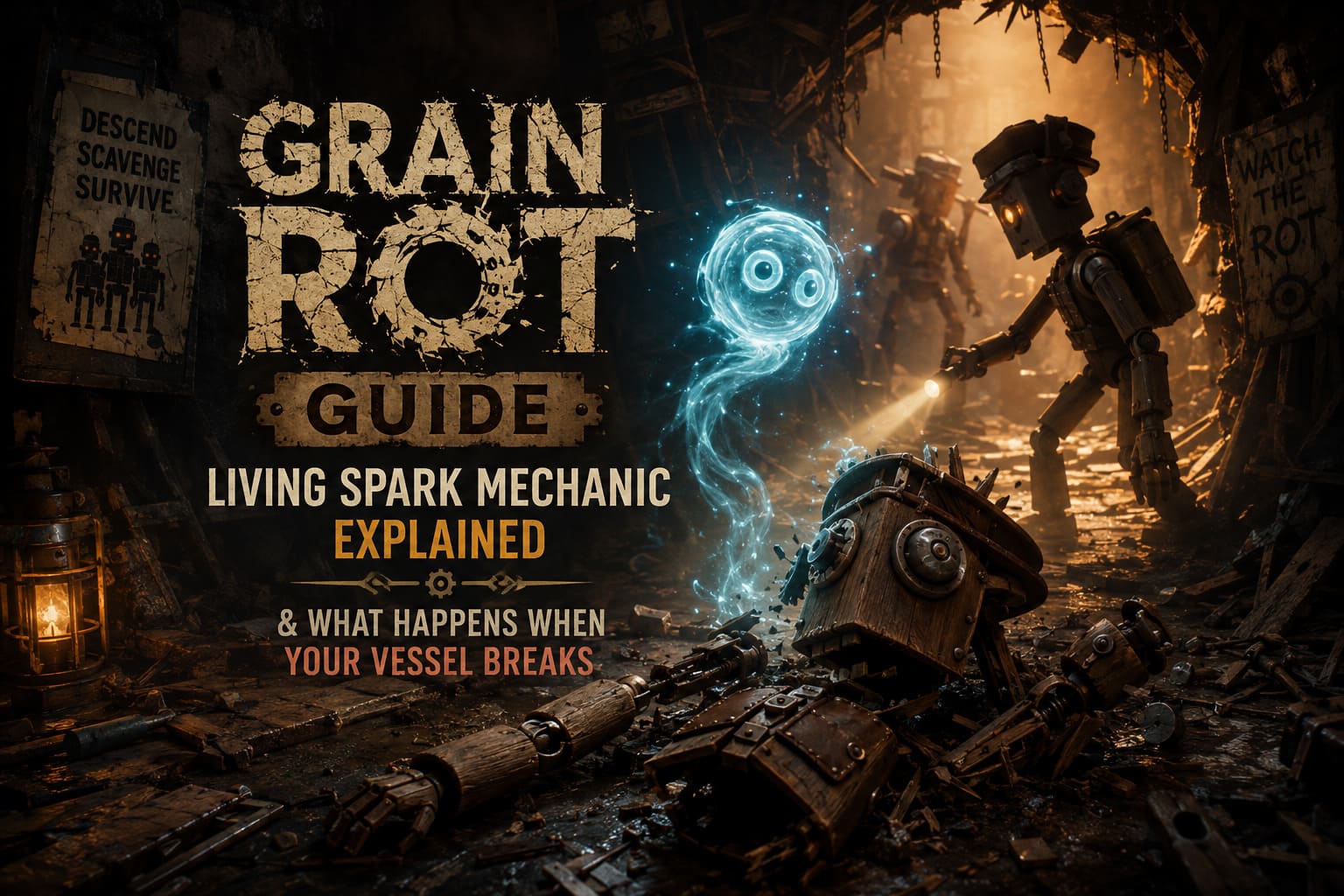
GRAIN ROT Guide: Living Spark Mechanic Explained & What Happens When Your Vessel Breaks
There is something wonderfully cruel about GRAIN ROT. On the surface, it looks like another chaotic co-op extraction game where you smash furniture, collect valuable junk, upgrade your base, and try to make it back home alive. But after spending time with its mechanics, it becomes obvious that Beck & Branch Games had something much stranger in mind.
The biggest reason GRAIN ROT feels different is the Living Spark mechanic. You are not simply a character with a health bar. You are a Spark inhabiting a disposable wooden body called a Vessel. That distinction sounds like a piece of lore at first, but it actually changes the way you approach almost every dangerous situation underground.
And honestly, I think this is one of the smartest ideas in the game.
Breaking your Vessel does not necessarily mean that you are dead. Instead, it creates a frantic second phase where you become a floating spirit, desperately trying to find another body before your Spark runs out of energy. It turns what would normally be a simple death screen into another gameplay problem.
So, if you are still trying to understand what happens when your Vessel breaks in GRAIN ROT, here is how the whole system works and what I recommend doing when everything inevitably goes wrong.
GRAIN ROT’s Strange World and Its Extraction Loop
The setting immediately gives GRAIN ROT its identity.
The surface world has effectively become uninhabitable. Temperatures are so extreme that exposed objects can ignite almost instantly, forcing the surviving Sparks to hide underground. Your crew descends into dangerous ruins using a cursed elevator, searching for anything that can still be salvaged.
And when I say anything, I mean it.
Old furniture, appliances, random household objects, industrial debris, and forgotten relics can all become valuable resources. You destroy whatever you can find, carry the materials back, process them through the Grinder, and turn your haul into gold and other resources.
That gold is not simply there to make your number go up.
Your extracted wealth contributes to the Sanctuary Outpost, which acts as the long-term progression hub. Upgrading it gives your team better equipment, additional facilities, improved Vessel options, and more ways to prepare for increasingly hostile expeditions.
The deeper you go, however, the less predictable the underground environment becomes.
The Rot starts interfering with the environment and your perception. Geometry can become distorted, voices can become unsettling, character behavior can change, and the Corrupted become more dangerous.
That creates a fantastic gameplay loop: the deeper you go, the more valuable the loot becomes, but every mistake becomes more expensive.
The Living Spark and the Wooden Vessel Explained
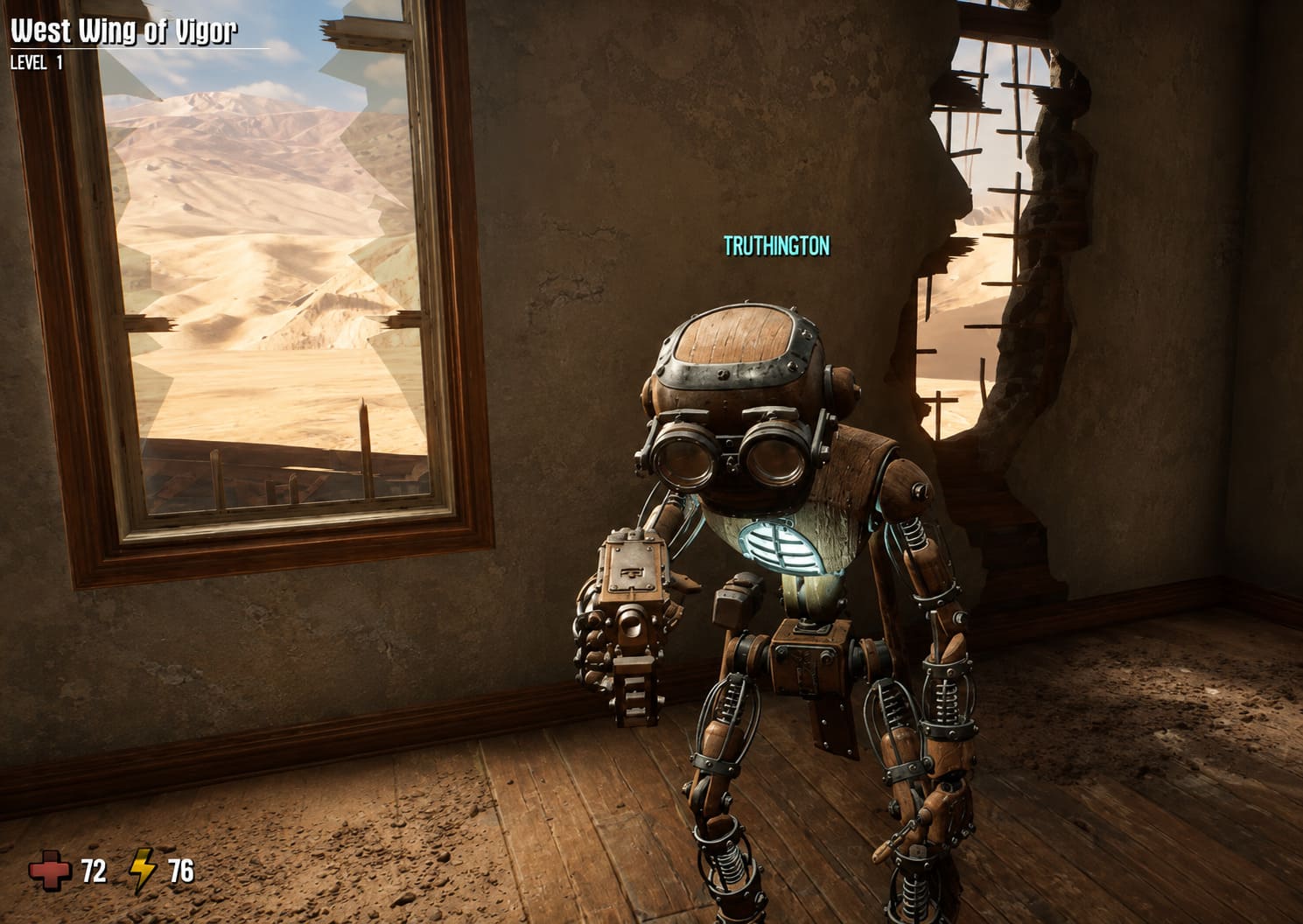
The easiest way to understand GRAIN ROT is to stop thinking of your character as a single entity.
You actually have two components:
| System | Function | Main Risk |
|---|---|---|
| Living Spark | Your actual spirit and survival core | Running out of stability |
| Wooden Vessel | Physical body used for exploration | Physical destruction |
| Inventory | Carries your collected resources | Dropped when Vessel breaks |
| Active Abilities | Physical abilities tied to your current body | Lost or changed after replacement |
| Spark Form | Allows scouting after Vessel destruction | Limited time before fading |
Your Living Spark is effectively the real you.
The Vessel is the body you use to interact with the world.
That difference is extremely important because the Vessel is much more fragile than you might initially expect. You can use it to swing tools, dismantle objects, carry your backpack, kick enemies, interact with the environment, and perform your character’s abilities.
But the body is made of wood.
That means fire, environmental hazards, impacts, enemies, explosions, and poorly timed physics interactions can turn your carefully assembled robot into a pile of splinters surprisingly quickly.
And yes, some of those deaths feel completely ridiculous.
I’ve always liked games where physics can create stories that the developers could never have scripted themselves, and GRAIN ROT seems particularly good at producing those moments.
What Happens When Your Vessel Breaks?
This is where GRAIN ROT becomes genuinely interesting.
When your Vessel’s health reaches zero, the body is destroyed. Depending on the situation, it can shatter, collapse, or burn apart.
Normally, this would be the point where the game tells you to wait for your teammates.
Instead, your Living Spark is thrown out of the destroyed Vessel and remains inside the level.
You become a glowing floating orb of energy.
Your physical equipment and collected materials are left behind at the location where your body was destroyed. That means your teammates can potentially recover your abandoned loot while you continue contributing to the expedition.
This is not a conventional death state.
It is more like a temporary second life.
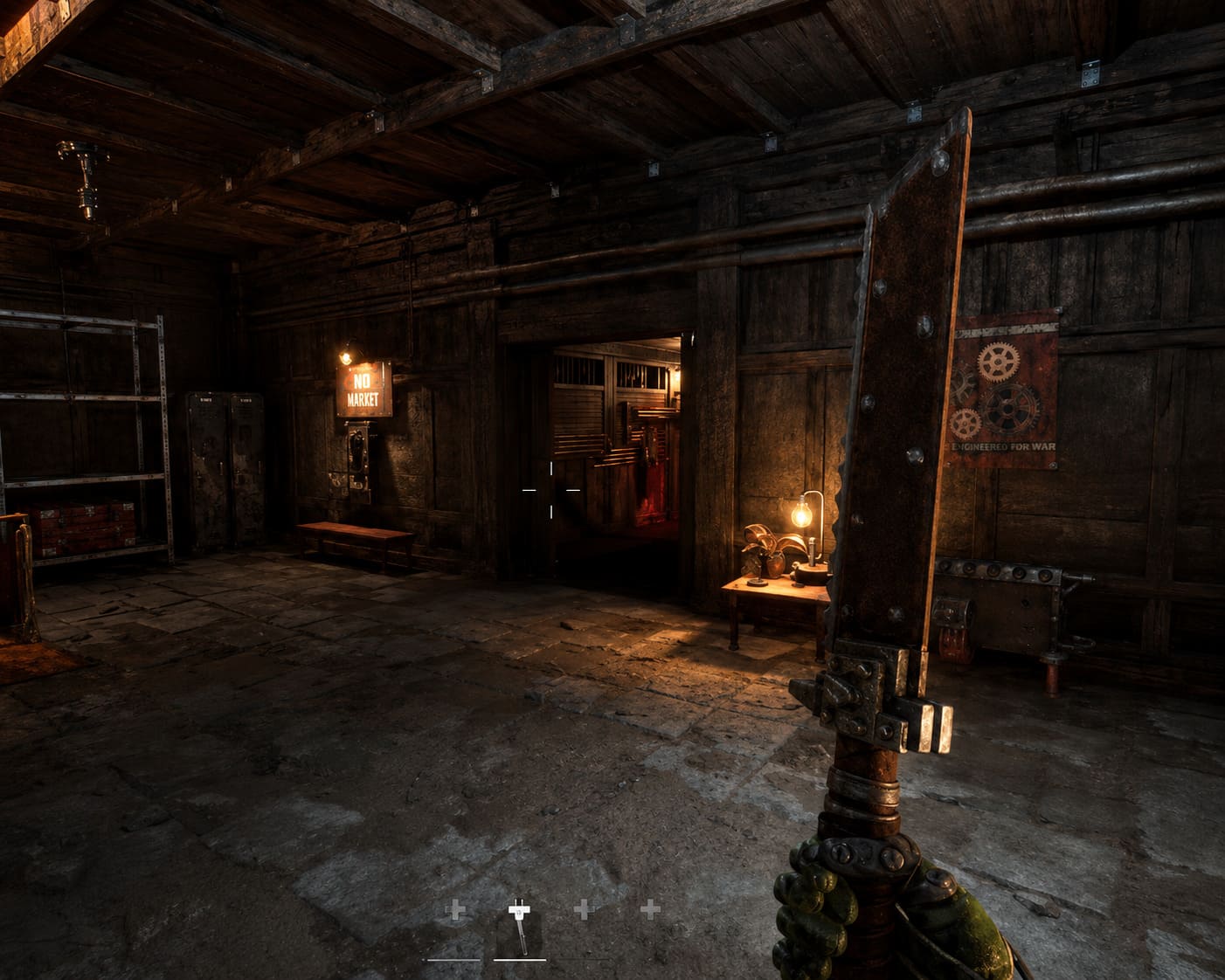
1. You Become Intangible
The first major advantage is that the Spark is not bound by the same physical rules as a Vessel.
You can move through dangerous areas without worrying about ordinary physical collisions in the same way. Many hazards that would have destroyed your wooden body become much less threatening.
That makes the Spark incredibly useful for reconnaissance.
2. You Can Scout for Your Team
This is probably my favorite part of the entire mechanic.
Instead of sitting in spectator mode, you can continue exploring.
You can float into dark corridors, check rooms, identify potential loot, and warn your teammates when something dangerous is waiting around the corner.
A player who knows how to use the Spark properly can turn a Vessel failure into a tactical advantage.
Your body may be gone, but you are still playing.
3. Your Spark Has a Limited Lifespan
There is a catch, though.
Your Spark cannot float around underground forever.
After your Vessel is destroyed, your Spark stability begins to decline. The longer you remain without a physical host, the closer you get to permanent elimination.
This is where inexperienced players can make a huge mistake.
It is tempting to start exploring every corridor because you are temporarily safer than your teammates. But the Spark’s freedom comes with a timer, and wasting that time can be just as deadly as taking another hit.
4. You Need a New Vessel
Your ultimate objective is to find another suitable wooden body.
Once you locate an available Vessel, you can possess it and return to physical gameplay. You regain a physical body, a health pool, and access to the abilities associated with your new form.
This is why finding a replacement Vessel should become your priority almost immediately after death.
Scouting is useful.
Wandering aimlessly is not.
Why Vessel Breaks Are More Important Than They Look
At first, I thought the Spark mechanic was mainly designed to make death less frustrating.
After looking at how the rest of GRAIN ROT works, I think it serves a much bigger purpose.
It encourages teams to split responsibilities.
One player might be physically carrying valuable loot while another player is operating as a Spark scout. A third player could be searching for another Vessel. Suddenly, a disastrous moment becomes a coordinated recovery operation.
That is exactly the kind of emergent multiplayer situation I want from a co-op horror game.
You don’t just say, “I’m dead.”
You say, “My body exploded. Someone grab my stuff. I’m going to check the next room for a replacement.”
That is much more interesting.
The Biggest Danger: A Full Team Wipe
The Spark system does not mean your team is immortal.
Far from it.
The most important rule is that someone needs to remain in a functional physical Vessel.
If every player loses their body and everyone becomes a Spark simultaneously, the expedition can collapse completely.
That is the point where GRAIN ROT reminds you that it is still an extraction game.
All the gold, scrap, and resources you were working toward can disappear. The elevator run ends, the underground environment resets or changes, and everything you failed to secure can be swallowed by the Rot.
This is why protecting one functioning Vessel is often more important than greedily chasing one final pile of loot.
If one player is still physical, your team still has options.
If everyone becomes a Spark, those options disappear very quickly.
Multiplayer Chaos Is Part of the Design
If you are playing GRAIN ROT with friends, you should probably accept one thing before starting:
your teammates are almost as dangerous as the monsters.
The game’s physics-driven interactions create an enormous amount of potential chaos.
A teammate can accidentally knock an enemy into you. Someone can trigger a hazard at the worst possible moment. A badly timed kick can send a player into danger. And, depending on the situation, physical interactions can contribute to a Vessel being destroyed much faster than expected.
This creates those wonderful multiplayer moments where everyone is screaming, laughing, and blaming the same person.
And honestly, I think GRAIN ROT is better because of it.
The game does not always feel fair, but it feels memorable.
The Body-Swap Trick and Other Player Discoveries
Some players have also been experimenting with unusual interactions involving Vessel possession and leaving the body again.
One of the more interesting techniques involves rapidly entering a Vessel and immediately exiting it. The idea is that this can sometimes interfere with enemy aggression or give players additional flexibility when dealing with dangerous situations.
I would treat this as an advanced technique rather than a guaranteed strategy.
Mechanics like this can change as the game receives patches, and tricks that work under one set of conditions may not behave identically later.
Still, experimenting with the Spark/Vessel relationship is exactly what I think players should be doing.
The game clearly encourages experimentation, and some of its best moments come from discovering interactions that are not immediately obvious.
How I Recommend Handling a Broken Vessel
If your body gets destroyed during an expedition, don’t panic.
My preferred recovery sequence is simple:
- Find your dropped resources first if they are safe to recover.
- Scout nearby rooms as a Spark instead of blindly following teammates.
- Watch the Spark stability meter constantly.
- Locate an available Vessel as quickly as possible.
- Communicate enemy positions and hazards to the team.
- Never allow the entire squad to become Sparks at once if it can be avoided.
The biggest mistake is treating Spark form as invincibility.
It is not.
It is a temporary advantage with a built-in expiration date.
GRAIN ROT Multiplayer Guide: Max Lobby Size and Friendly Fire Trolling Mechanics Explained
Upgrading the Sanctuary Outpost Matters
Your performance underground is also influenced by what you do between runs.
The Sanctuary Outpost should not be treated as a cosmetic home base. Its upgrades are part of your long-term survival strategy.
If you repeatedly lose Vessels to the same types of hazards, investing in upgrades that improve their durability or resistance can eventually make a noticeable difference.
Likewise, better inventory capacity and useful facilities can improve the efficiency of future expeditions.
Personally, I would rather spend resources making future runs more consistent than constantly chasing the flashiest upgrade.
Extraction games reward reliability.
One successful run where everyone gets home with valuable loot is usually better than three spectacular disasters.
Is GRAIN ROT Worth It? Review, Gameplay Walkthrough, and US Community Impressions (2026)
Final Thoughts: GRAIN ROT’s Best Mechanic Might Be Its Weirdest One
The Living Spark system is what makes GRAIN ROT stand out from the crowded co-op horror and extraction scene.
The Vessel is fragile, but losing it does not immediately remove you from the game. Instead, you become a vulnerable spirit with a limited amount of time to find another body.
That creates an excellent risk-and-reward relationship.
You can become a scout.
You can help your teammates.
You can search for a replacement Vessel.
You can even turn a disastrous death into an opportunity to see areas your physical body could never safely reach.
But the clock is always running.
And that is what makes the system work.
The best players will not simply learn how to keep their Vessel alive. They will learn how to react when it inevitably breaks.
That distinction matters.
GRAIN ROT is at its most entertaining when everything goes wrong: the Vessel explodes, the loot is scattered across the floor, something horrible starts moving in the darkness, and your Spark is floating around desperately looking for another body while your friends scream through voice chat.
If that sounds stressful, chaotic, and slightly ridiculous, then congratulations.
You already understand the appeal of GRAIN ROT.
GRAIN ROT Survival Priorities
| Priority | What To Do |
|---|---|
| Vessel Protection | Avoid fire, heavy impacts, traps, and unnecessary fights |
| Spark Management | Keep an eye on your stability meter after death |
| Team Support | Use Spark form to scout and warn teammates |
| Replacement Body | Find a usable Vessel before your Spark fades |
| Loot Recovery | Recover dropped resources when the area is safe |
| Outpost Progression | Invest extracted gold into useful long-term upgrades |
The simple rule I would keep in mind is this:
Your Vessel is expendable. Your Spark is not.
Protect the body when you can, but when it breaks, don’t waste the opportunity. Scout, communicate, find another Vessel, and get back into the run before the Rot claims you for good.