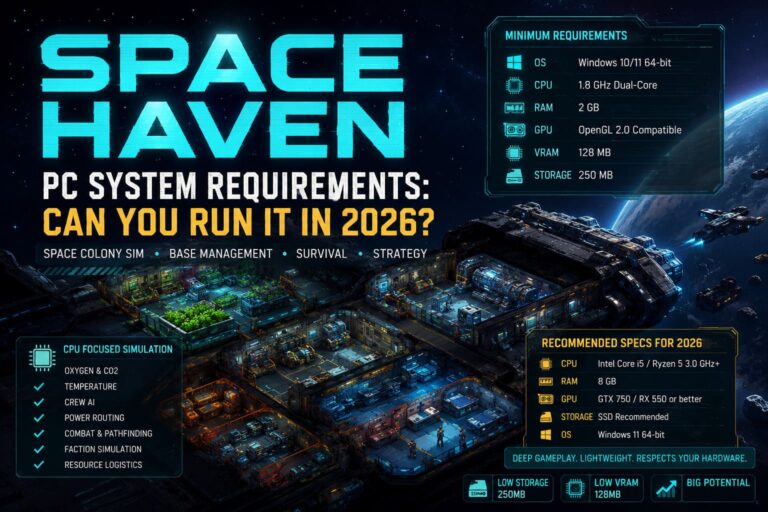
Go-Go Town! Automation Guide: Best Beginner Tips for 1.0 Release
When I first launched Go-Go Town!, I expected a relaxing town-building game where I could casually decorate streets and welcome visitors. Instead, my first several in-game days looked more like controlled chaos. I spent nearly every minute sprinting between forests, mines, shops, and construction sites, constantly wondering why I never had enough resources or enough time.
That feeling is completely normal.
The biggest lesson I learned is that Go-Go Town! isn’t really about doing everything yourself. The real game begins once you build systems that work without you. As soon as I stopped acting like the only employee in town and started thinking like an actual mayor, everything became smoother, faster, and honestly much more enjoyable.
If you’re just starting the 1.0 version of Go-Go Town!, here’s the automation strategy that made the biggest difference for me.
Why Automation Should Be Your First Major Goal
Many beginners naturally focus on expanding their town as quickly as possible. More buildings seem like the obvious path toward progression.
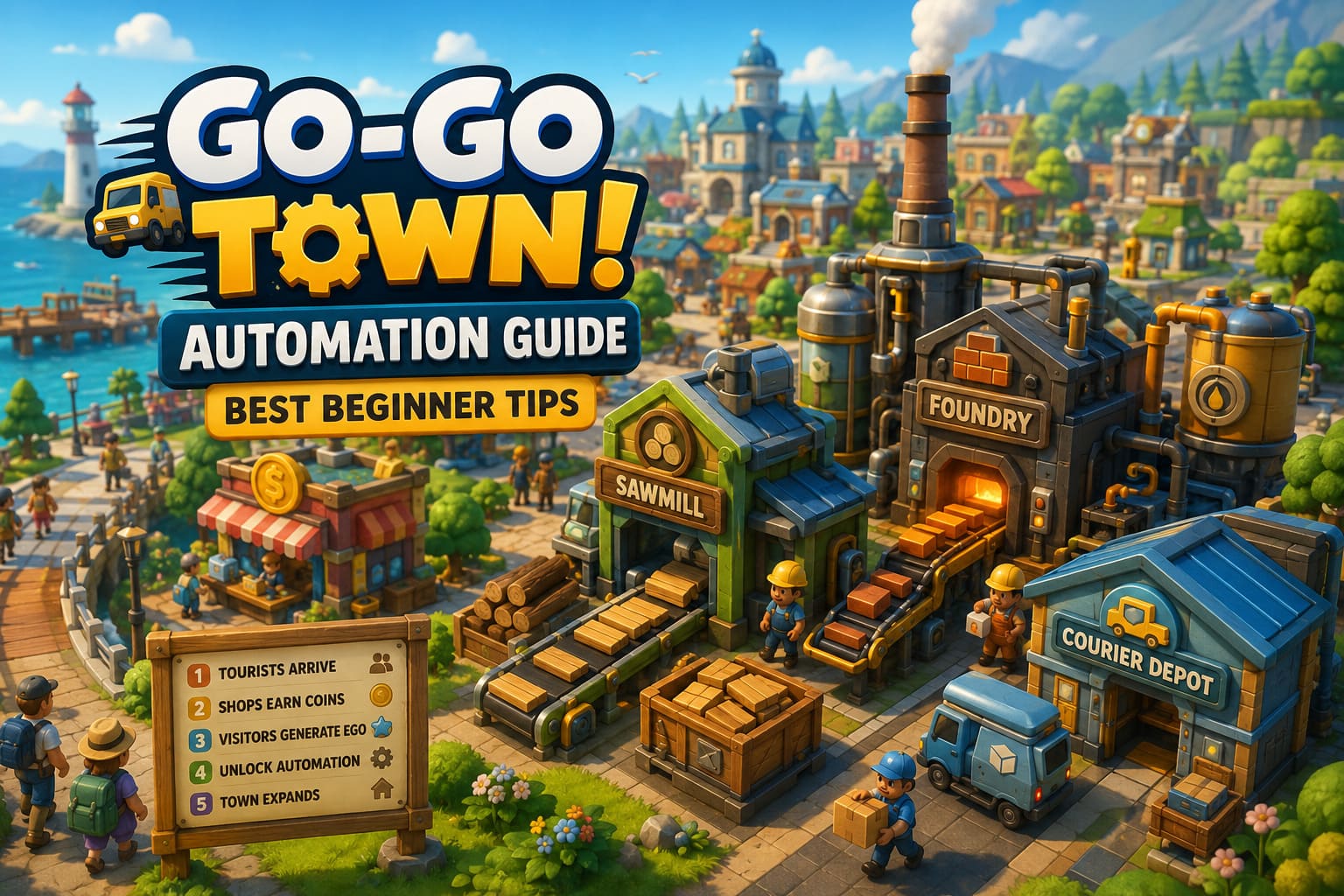
In my experience, that’s actually backwards.
Every new shop creates additional work:
- More resources to collect
- More products to craft
- More shelves to refill
- More deliveries to make
Without automation, your workload increases faster than your town grows.
Instead of constantly chasing resources yourself, build a foundation where workers handle repetitive jobs while you focus on planning, decorating, and unlocking new content.
That’s when Go-Go Town! becomes the cozy management game it was clearly designed to be.
Understanding the Progression Loop
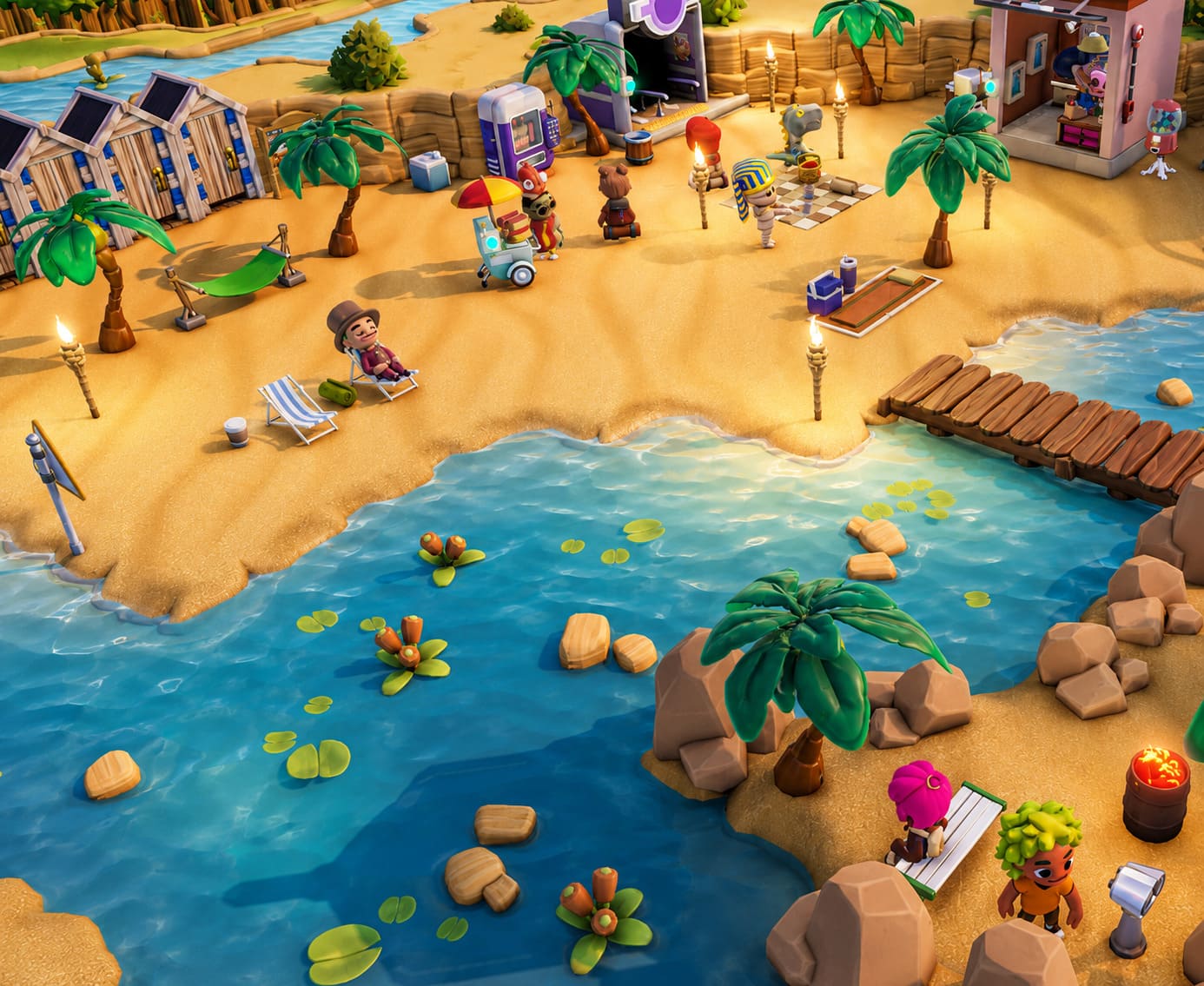
Everything revolves around increasing your Town Rank.
The gameplay cycle is surprisingly simple once you recognize it:
| Step | What Happens | Why It Matters |
|---|---|---|
| 1 | Tourists arrive | They generate income. |
| 2 | Shops earn Coins | Your economy grows. |
| 3 | Visitors generate EGO Points | Unlocks new technology. |
| 4 | New technology unlocks automation | Less manual work. |
| 5 | Town expands | More visitors arrive. |
At first glance it looks straightforward.
The hidden problem is that manual gathering eventually becomes the slowest part of this entire loop.
Once I realized that, every EGO upgrade I purchased was aimed toward reducing repetitive work instead of unlocking cosmetic buildings.
Build Dedicated Resource Zones Early
One mistake I made was scattering production buildings wherever there was empty space.
Later I discovered that dedicated zones are significantly easier to manage.
A basic forestry or mining area should always include:
- Worker Time Clock
- Tool Station
- Local Storage Container
The storage box is the part many new players overlook.
Without somewhere nearby to deposit materials, workers become inefficient or simply stop being productive.
As soon as local storage is available, the workflow becomes almost effortless.
Workers grab tools, collect resources, return everything to storage, and immediately repeat the cycle.
Watching that first fully automated lumber camp was probably the moment I realized how satisfying this game could become.
Don’t Ignore Material Processing
Collecting logs and stone is only half of the equation.
Soon you’ll need refined materials for construction, upgrades, and better buildings.
The easiest approach is placing processing machines close to your gathering areas.
For example:
- Logs → Table Saw → Planks
- Stone → Foundry → Bricks
Although early automation still requires moving some materials manually, organizing these stations together saves an incredible amount of walking.
One habit that helped me enormously was checking output storage regularly.
A machine with a full output container simply stops producing.
That tiny bottleneck can quietly slow your entire economy without you realizing it.
Couriers Completely Change the Game
If there’s one automation unlock worth rushing, it’s the Courier system.
Before unlocking it, I spent most of every day carrying materials around town.
Need planks?
Carry them yourself.
Need bricks?
Carry those too.
Need products delivered to shops?
Guess who’s doing that again.
After hiring my first courier, my town suddenly felt alive.
Instead of constantly running errands, I watched workers move resources between industries while I concentrated on expanding neighborhoods and designing better streets.
To get the most from couriers, make sure you have:
- A central Courier Depot.
- Available workers assigned to deliveries.
- Vehicles whenever possible.
- Clearly organized storage areas.
Organization matters much more than people expect.
When storage becomes messy, deliveries become slower, even if enough resources exist.
Farming Is Easier Than It Looks
When farming unlocked, I expected complicated irrigation systems.
Thankfully, it isn’t nearly that stressful.
The irrigation hose covers a surprisingly generous area, giving you flexibility when planning your fields.
Instead of obsessing over perfect placement, I found it more useful to focus on crop organization and storage locations.
One tip I wish someone had told me earlier:
Collect wild fruit bushes whenever you discover them.
Those early seeds become incredibly valuable later, especially when expanding automated food production.
Fishing Can Become Surprisingly Profitable
Fishing initially feels like a side activity.
Later, however, restaurants begin demanding seafood constantly.
That’s when automated fishing starts paying for itself.
My preferred setup includes:
- Fishing Zone
- Rod storage
- Crab Pots
- Large nearby storage
- Courier access
Once everything is connected, seafood quietly flows into restaurants without requiring much attention.
It’s one of those production chains you almost forget exists until you notice your profits steadily increasing.
A Dirty Town Costs More Than You Think
I underestimated trash management.
Big mistake.
As tourism increased, litter appeared everywhere.
Eventually I noticed fewer happy visitors, slower progression, and less efficient shops.
Keeping streets clean isn’t just about appearances.
It directly affects how successful your town becomes.
Until maintenance workers become available, spend a few minutes cleaning shopping districts yourself.
Later, janitors and garbage disposal systems remove almost all of that responsibility.
It’s one of those automation upgrades that doesn’t seem exciting until you experience life without it.
The Most Common Automation Problems
Even after building what looked like the perfect production network, I occasionally found workers standing completely still.
Usually the problem turned out to be something surprisingly simple.
| Problem | Solution |
|---|---|
| Output storage is full | Empty finished products regularly. |
| Workers have no replacement tools | Restock tool racks. |
| Storage restrictions block resources | Check storage permissions. |
| Economy stops progressing | Spend excess Coins and EGO Points before reaching caps. |
| Deliveries feel slow | Improve storage organization and courier routes. |
Whenever something appears broken, I now check these areas first.
Nine times out of ten, one of them solves the issue.
Go-Go Town! Guide: How to Increase EGO Score and Unlock All Hidden Map Expansions & Secrets
Small Decisions That Save Hours Later
After several towns, a few habits became permanent.
- Plan roads before expanding. Changing your layout later becomes much more difficult once buildings fill every empty space.
- Leave room for future logistics. Eventually you’ll want storage, production, and transportation connected efficiently. Crowded industrial areas become frustrating to redesign.
- Decorate consistently. Many players underestimate decorations because they don’t directly produce resources. However, they contribute toward Town Rank progression, meaning they’re indirectly helping unlock better technology.
- Think in production chains instead of individual buildings. Rather than asking, “Where should this shop go?” ask, “Where will its resources come from?” That mindset completely changed how I designed my towns.
Go-Go Town! Co-Op Multiplayer Walkthrough: Town Building Guide (1.0 Release)
My Overall Thoughts After Learning Automation
The biggest surprise for me wasn’t how useful automation is.
It was how much more relaxing the entire game became afterward.
During my first hours, I constantly felt behind.
There was always another tree to chop.
Another rock to mine.
Another shelf to refill.
Eventually I realized the game wasn’t asking me to become the hardest-working employee in town.
It was encouraging me to become a better planner.
Once workers handled gathering, refining, deliveries, farming, fishing, and maintenance, I finally had time to enjoy the creative side of Go-Go Town!.
That’s where the game truly shines.
Instead of rushing from task to task, I found myself experimenting with neighborhoods, building attractive tourist districts, reshaping terrain, and making my town feel unique.
If you’re new to Go-Go Town! 1.0, my advice is simple:
Don’t treat automation as an optional late-game feature. Treat it as your primary objective from the very beginning.
The sooner your town starts working without constant supervision, the sooner you’ll experience what makes this cozy management simulator so addictive. Once your production lines begin running on their own, you’ll spend less time doing chores and far more time building the town you’ve been imagining from the very first day.