Maseylia: Echoes of the Past Gameplay Impressions
After spending what feels like an unhealthy number of years playing everything from tight 2D Metroidvanias to experimental 3D platformers, I’ve developed a pretty strong instinct for what works and what doesn’t in this genre.
So when I first got my hands on Maseylia: Echoes of the Past, I went in skeptical. Another indie trying to “redefine movement” sounded like marketing talk I’ve heard a hundred times before.
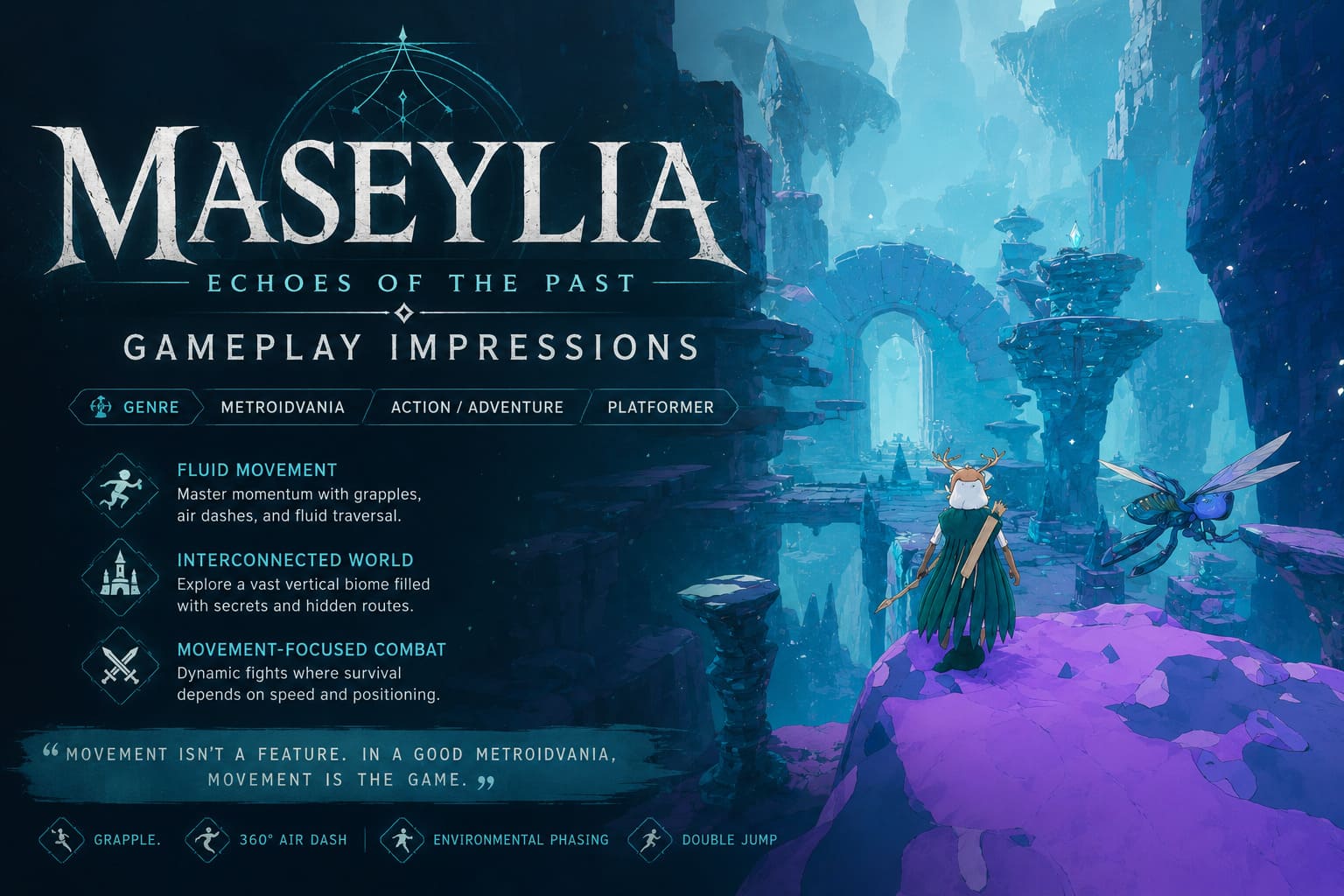
But honestly, this one surprised me. Not because it is perfect—it isn’t—but because it understands something a lot of modern indie games forget: movement isn’t a feature. In a good Metroidvania, movement is the game.
First Impressions: A World Built for Momentum
From the very first moments inside Maseylia’s alien-tech environments, it is obvious that this is not a traditional walk-and-jump experience. The world is structured vertically in a way that immediately makes you think of Metroid Prime and Pseudoregalia, but with a stronger emphasis on speed rather than isolation.
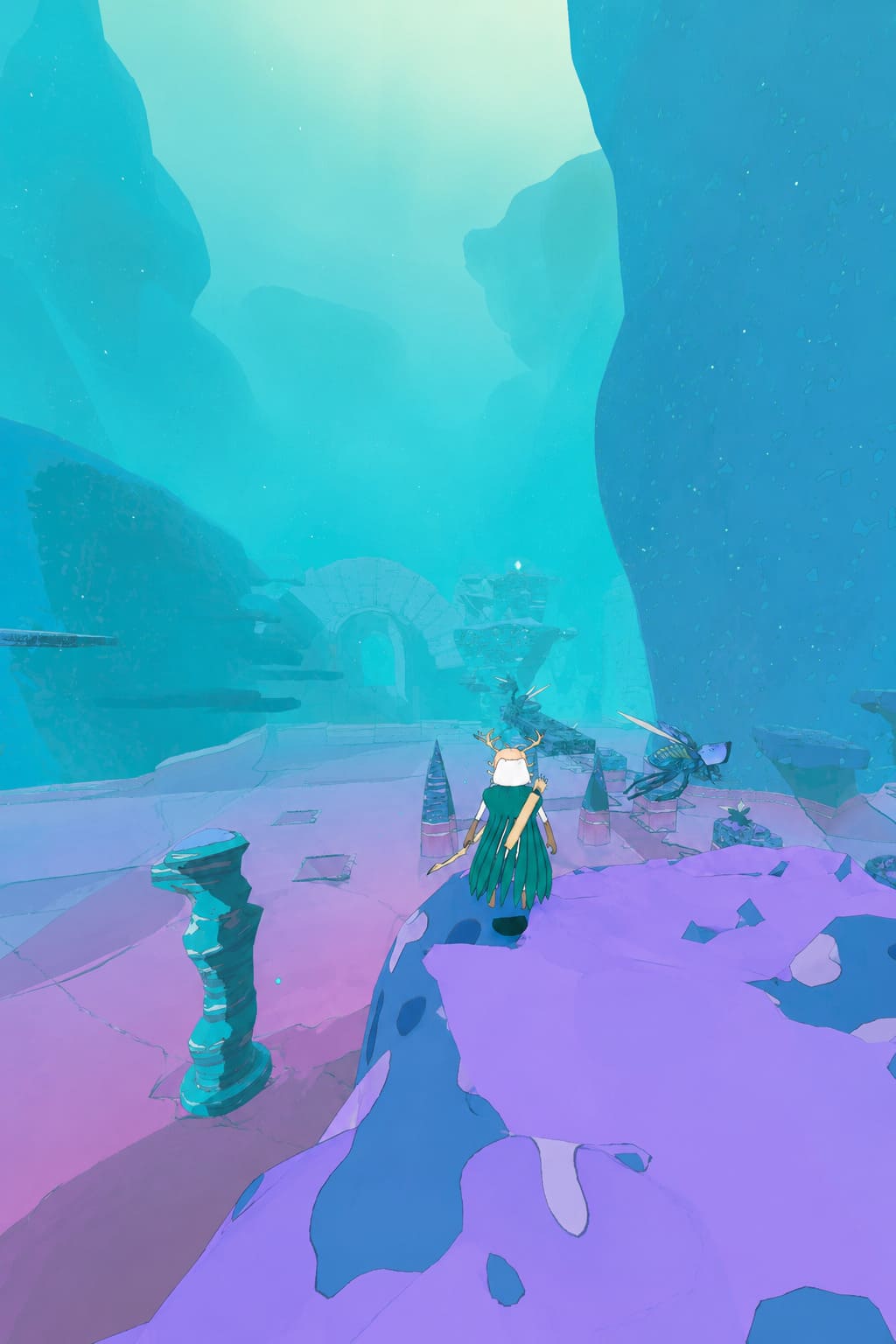
You are dropped into a massive, interconnected biome that feels less like a map and more like a living structure. Floating ruins, fractured bridges, and strange organic architecture stack into layers above and below you.
Maseylia: Echoes of the Past Review — A 3D Metroidvania Worth Paying Attention To
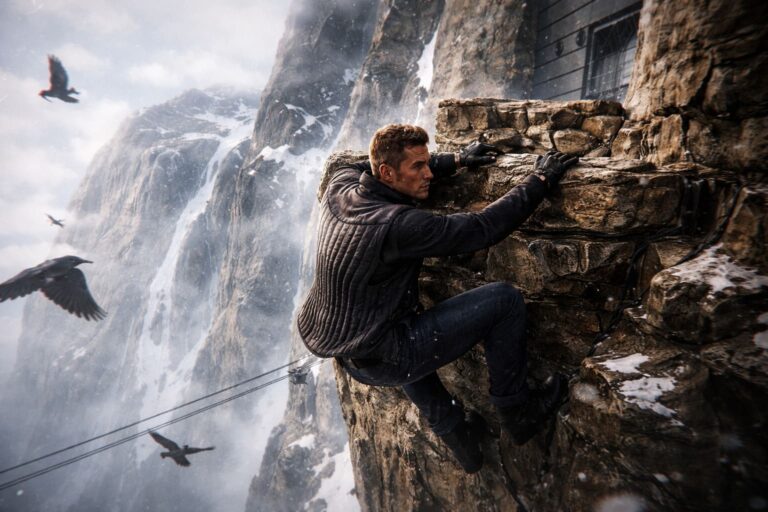
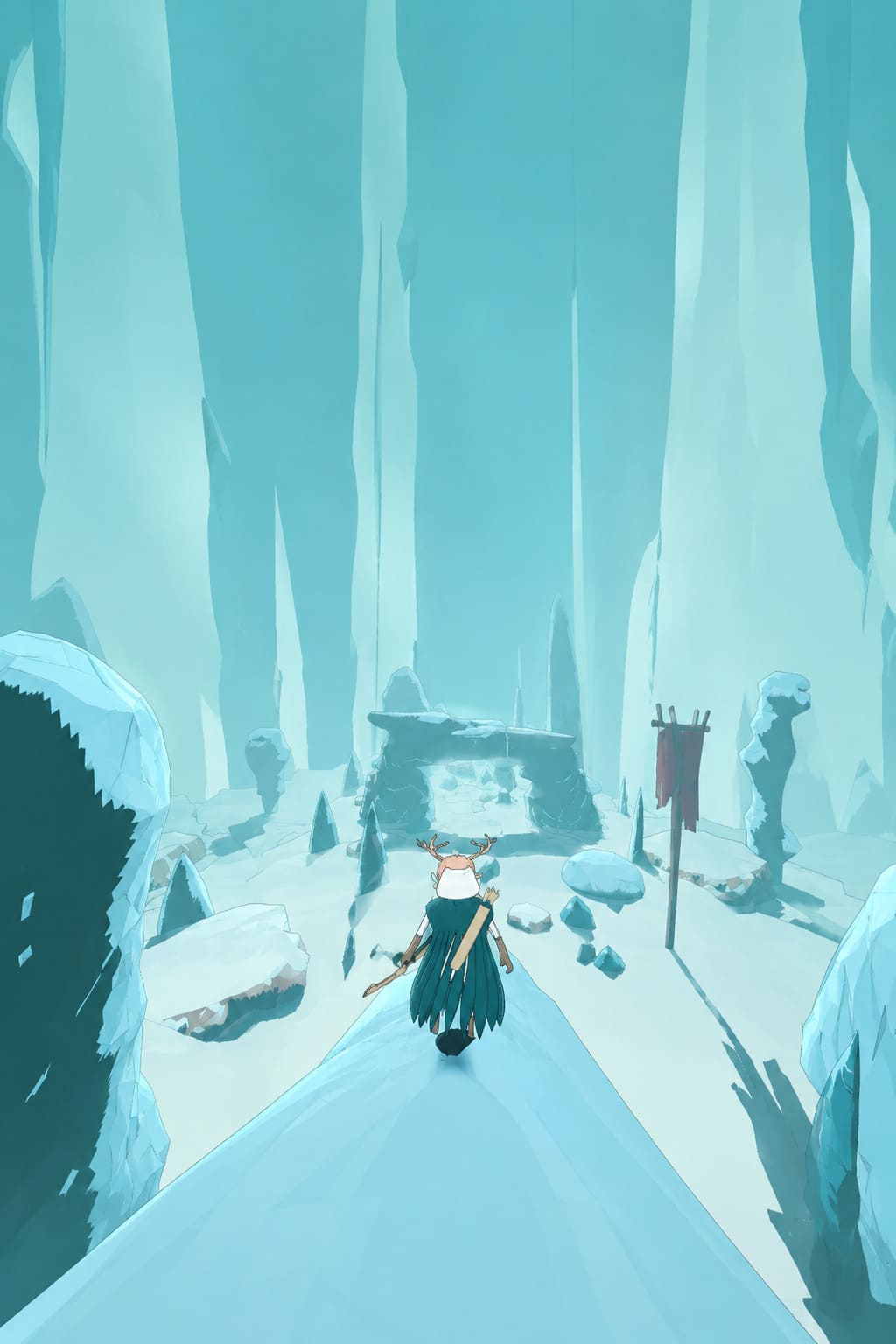
What stood out most to me is how little the game relies on flat design. Vertical traversal is constant, and exploration feels like solving a spatial puzzle while moving at high speed. After a while, I stopped thinking in terms of paths and started thinking in terms of routes.
Movement System: The Real Core of the Game
Maseylia’s movement kit includes familiar tools such as a double jump, a grapple hook, and wall interaction mechanics. On their own, these would not be groundbreaking. However, the system’s real identity comes from its 360-degree air dash, which completely changes how momentum works in mid-air.
This mechanic allows full directional control while airborne, enabling complex combinations of movement that feel almost improvisational. A typical traversal sequence might involve grappling to an anchor point, swinging to build momentum, canceling direction mid-air, and extending reach with a double jump.
The result is a movement system that rewards creativity and experimentation rather than strict execution.
Movement Tools Breakdown
| Mechanic | Purpose | Gameplay Impact |
|---|---|---|
| Double Jump | Vertical extension | Core traversal layer |
| Grapple Hook | Momentum generation | Route building and flow control |
| 360° Air Dash | Mid-air directional control | Advanced mobility and sequence breaking |
| Environmental Phasing | Traversal through obstacles | Spatial puzzle manipulation |
Exploration: Confusing at First, Rewarding Later
Early exploration can feel overwhelming. Not because the game is poorly designed, but because it refuses to guide you in a traditional sense. There is no clear breadcrumb trail or linear progression path.
Instead, the game encourages interpretation of space, elevation, and environmental design. Over time, the world shifts from being a confusing structure into something closer to a playground of interconnected systems.
This is where the game becomes significantly more engaging. Hidden paths are not marked; they are discovered through improved movement understanding and spatial awareness.
Maseylia Echoes of the Past: Platforms, Release Date & First Impressions
Combat: Movement as Survival
Combat in Maseylia is deeply tied to movement. Standing still is rarely an option, as enemies are designed around wide attack patterns and environmental pressure. Instead of traditional combat pacing, fights feel like dynamic movement puzzles.
Dodging projectiles requires precise use of air dashes, while positioning often depends on grappling and momentum shifts. The result is combat that feels like an extension of traversal rather than a separate system.
Boss encounters amplify this design philosophy. Many fights feel like high-speed navigation challenges layered with enemy behavior patterns rather than static battles.
Learning Curve and Responsiveness
The learning curve is noticeable. Early movement can feel slightly loose until the player adapts to the physics system. However, this impression changes significantly over time.
Recent refinements to audio feedback, collision response, and landing impact have improved the overall feel. Movement now feels more grounded without sacrificing speed, creating a balance between responsiveness and fluidity.
Where It Stands in the Genre
Maseylia sits in an interesting space within the Metroidvania genre. It draws inspiration from Metroid Prime, Hollow Knight, and Pseudoregalia, but ultimately focuses more on momentum-based freedom than atmospheric isolation or combat precision.
The key difference is pacing. Most Metroidvanias reward patience and careful exploration. Maseylia rewards control at high speed, which changes how players interact with both exploration and combat systems.
Core Strengths and Weak Points
- Strong emphasis on movement-based gameplay identity
- Highly interconnected vertical world design
- Creative traversal systems that reward experimentation
- Combat integrated directly into movement flow
- Learning curve may feel steep for new players
- Some rough edges in animation and clarity during early play
Final Thoughts
Maseylia: Echoes of the Past is not trying to be a safe or familiar Metroidvania. It is built around a single idea: movement should be expressive, fast, and deeply interconnected with every system in the game.
While it still has areas that need refinement, the foundation is strong. If the final release maintains its current design direction while polishing its rough edges, it could easily become one of the more influential indie Metroidvanias in recent years.
It does not reinvent the genre entirely, but it pushes one of its most important aspects further than most games dare to.