Deep Sea DNA Mutations in Subnautica 2: My Personal Survival Loadout for Surviving the Abyss
When I first heard that Subnautica 2 was introducing a full DNA Mutation system, my reaction was somewhere between excitement and mild panic.
As someone who’s spent way too many hours in survival games trying to outsmart environments that clearly don’t want me alive, the idea of literally rewriting your biology just to survive the ocean depths feels both brilliant and slightly unhinged in the best possible way.
Unlike the original Subnautica, where your biggest concern was upgrading your seamoth before something with too many teeth turned it into scrap metal, Subnautica 2 pushes you into a more personal kind of survival.
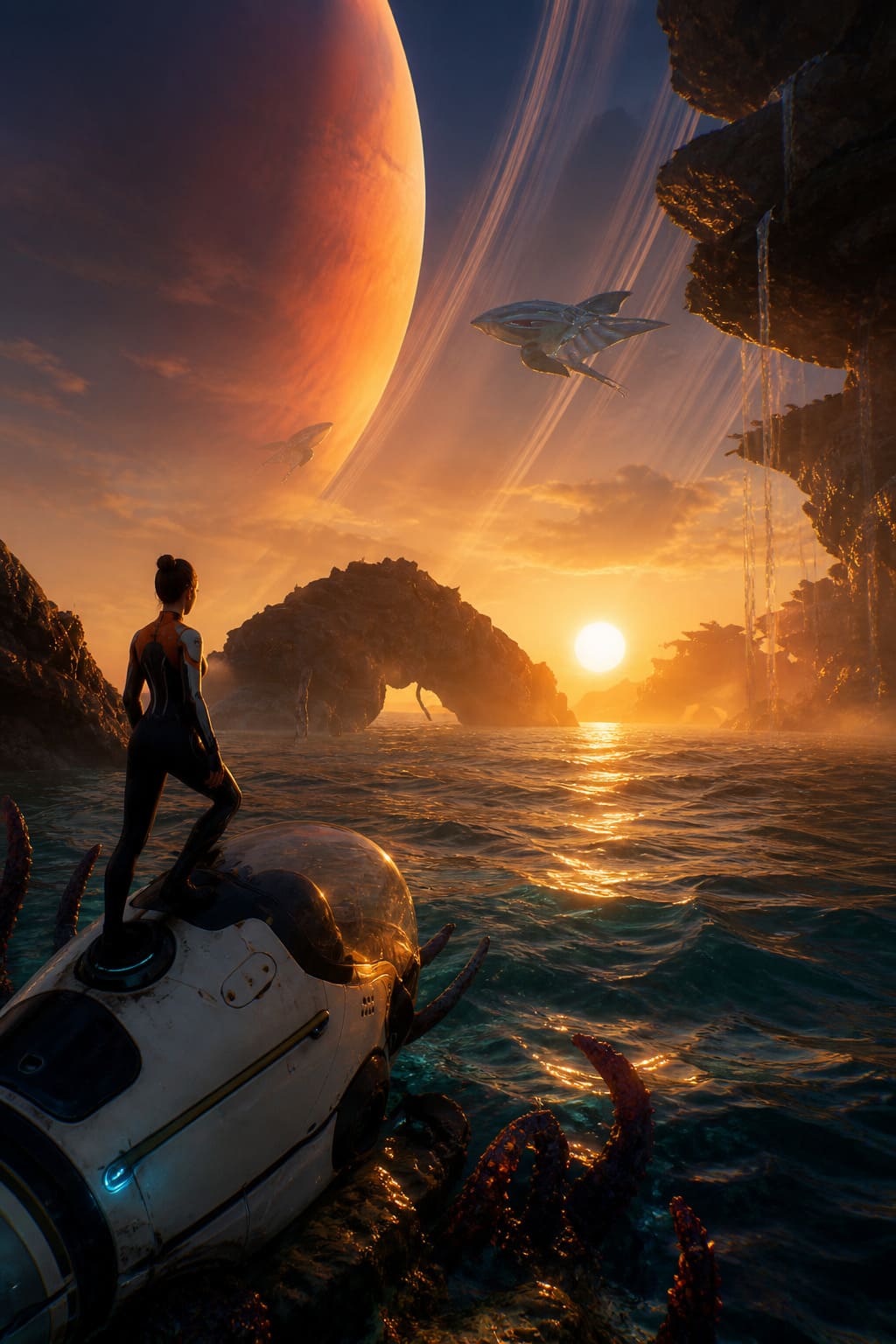
It’s no longer just about your gear — it’s about you. Your body becomes part of the progression system, and honestly, that changes everything.
Below is my personal breakdown of the most useful DNA mutations for deep sea exploration, based on how I imagine actually playing the game — cautious, curious, and occasionally overconfident in the worst possible moments.
Tiny Delivery Map Mastery: Speedrunning Routes, Secret Paths & Every Region Explained
Why DNA Mutations Change Everything in Subnautica 2
What makes the system interesting is the trade-off philosophy. Every upgrade comes with consequences. You’re not just getting stronger — you’re reshaping your survival style.
In my experience with survival games, systems like this usually create two types of players: the optimized meta-build hunters, and the chaotic explorers who accidentally mutate into something unrecognizable. I fully expect to be the second type.
The game reportedly uses structures like the Centrifuge and Biopod systems to manage genetic splicing. You collect DNA from alien organisms and integrate it into your body, which sounds scientific on paper but feels more like becoming slightly more ocean monster every hour.
My Favorite DNA Mutations for Deep Exploration
Pressure-Adapted Bone Reinforcement (Deep Depth Survival Core)
If I had to pick just one mutation, this would be it. In deep ocean zones, pressure is basically the game’s silent antagonist. You don’t always see it, but you feel it constantly in how quickly your exploration becomes limited.
Effect: Allows safe movement at extreme depths without instant crushing damage. Playstyle impact: Lets you leave your submarine more often and actually explore caves instead of just peeking in. Downside: Slight reduction in mobility near the surface.
This is the kind of upgrade that turns Subnautica 2 from vehicle simulator into I might actually walk into that glowing abyss and regret it later.
Bioluminescent Vision Graft (No More Blind Panic Moments)
If you’ve played the first Subnautica, you already know the feeling: total darkness, strange sounds, and the sudden realization that something large is moving nearby. This mutation basically removes the I’m blind and something is probably eating me phase of exploration.
Effect: Enhances vision in low-light environments, highlighting movement and resources. Bonus: Makes exploration feel cinematic rather than terrifyingly blind. Trade-off: Bright flashes can temporarily disorient you.
This mutation changes the emotional tone of the game. Instead of fear of the unknown, it becomes cautious curiosity — still dangerous, but more controlled.
Thermal Adaptive Metabolism (Surviving the Heat and Cold Zones)
Deep ocean environments in Subnautica 2 aren’t just dark — they’re extreme. Some zones are freezing, others feel like you’re swimming through volcanic vents. This mutation feels like survival insurance.
Effect: Resistance to extreme temperatures and improved energy efficiency. Bonus: Slight environmental stabilization over time. Trade-off: Increased need for resource consumption.
It’s the kind of upgrade I’d take when I know I’m going somewhere I absolutely shouldn’t be going… which is most of the time.
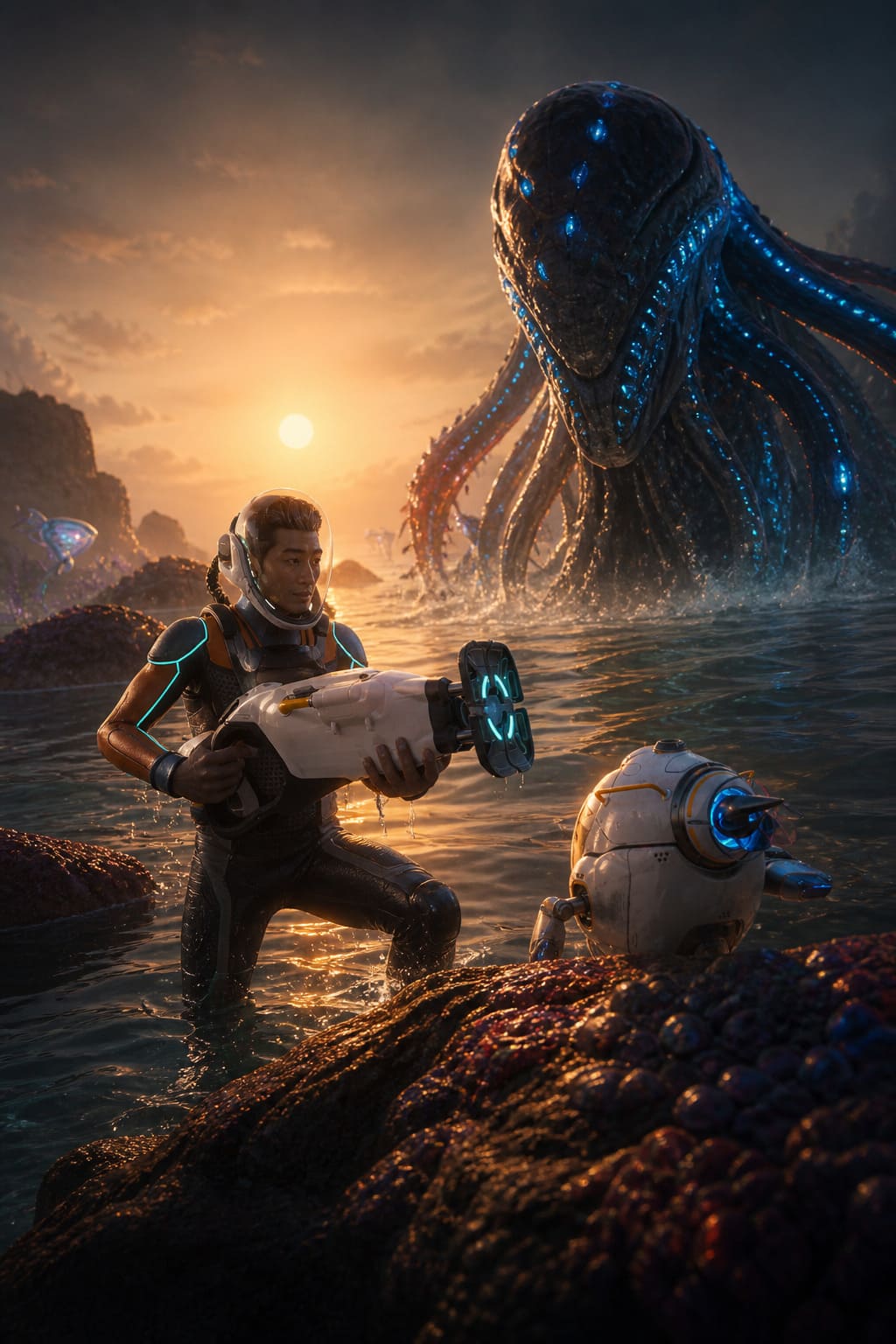
Oxygen Efficiency Lung Adaptation (The Real Endurance Upgrade)
Oxygen is still the true boss fight in Subnautica games. No matter how advanced your tech gets, panic always starts when the oxygen meter begins screaming at you.
Effect: Slower oxygen consumption during controlled movement. Best use: Slow exploration, scanning, and resource gathering. Trade-off: Slight reduction in stamina and combat endurance.
This mutation encourages a more methodical playstyle, which is ironic because Subnautica always tempts you to rush deeper just to see what’s there.
Electro-Sensory Awareness (Predator Detection System)
This one feels almost like cheating — but in a good way. Instead of relying purely on sight or sound, your body becomes a kind of biological radar.
Effect: Detects large predators or high-energy movement nearby. Use case: Avoiding surprise encounters in deep darkness. Trade-off: Vulnerability to electrical hazards and EMP-like effects.
If you’ve ever been jumpscared by a leviathan in the original game, you already understand why this is invaluable.
Suggested Mutation Loadouts (My Personal Experiments)
I like thinking of mutations like builds in RPGs. Depending on your goal, you can specialize your survival style.
Deep Explorer build focuses on Pressure Bone and Oxygen Efficiency for long dives with minimal return trips. Stealth Diver build combines Bioluminescence and Electro-Sensory for avoiding predators and silent movement. Hazard Runner build uses Thermal Adaptation and Pressure Resistance for surviving extreme biome transitions. Balanced Survivalist build mixes moderate mutations for flexibility without specialization.
In practice, I’d probably switch builds constantly and forget what I was doing halfway through a dive.
What Makes This System So Interesting
What I like most about this system isn’t just the mechanics — it’s the identity shift. In most survival games, you upgrade tools. In Subnautica 2, you upgrade yourself.
That creates a strange psychological effect: you feel less like a survivor using equipment and more like an organism adapting to a hostile world.
It also introduces real decision tension. You can’t just have everything. You have to choose what kind of creature you want to become. And that’s where the game becomes memorable.
Final Thoughts
If Subnautica 2 fully delivers on its DNA mutation system, it could redefine how survival progression works in underwater exploration games. Instead of simply grinding for better gear, you’re evolving into something that belongs in the deep — or at least survives long enough to regret going there.
Personally, I’m most excited about the unpredictability. Every mutation loadout feels like a new experiment. Sometimes you’ll become an efficient deep-sea explorer. Other times… you’ll probably become something that swims too slowly, sees too brightly, and panics too easily.
Either way, the ocean wins a little bit every time.