Invincible VS Steam Deck Optimization Guide: Best Settings for 60 FPS (2026 Update)
If you told me a few years ago that I’d be running a visually heavy Unreal Engine 5 fighter on a handheld and actually enjoying it at a stable 60 FPS, I probably would’ve laughed. Yet here we are in 2026, and Invincible VS is one of those games that both excites and frustrates Steam Deck owners in equal measure.
I’ve spent a good chunk of time tweaking, testing, and lurking in forums and Reddit threads to get this game dialed in. This isn’t some sterile benchmark breakdown — this is what actually works when you’re sitting on the couch grinding matches or sneaking in fights before bed.
Let’s get into it.
Why Invincible VS Is Tough on Steam Deck
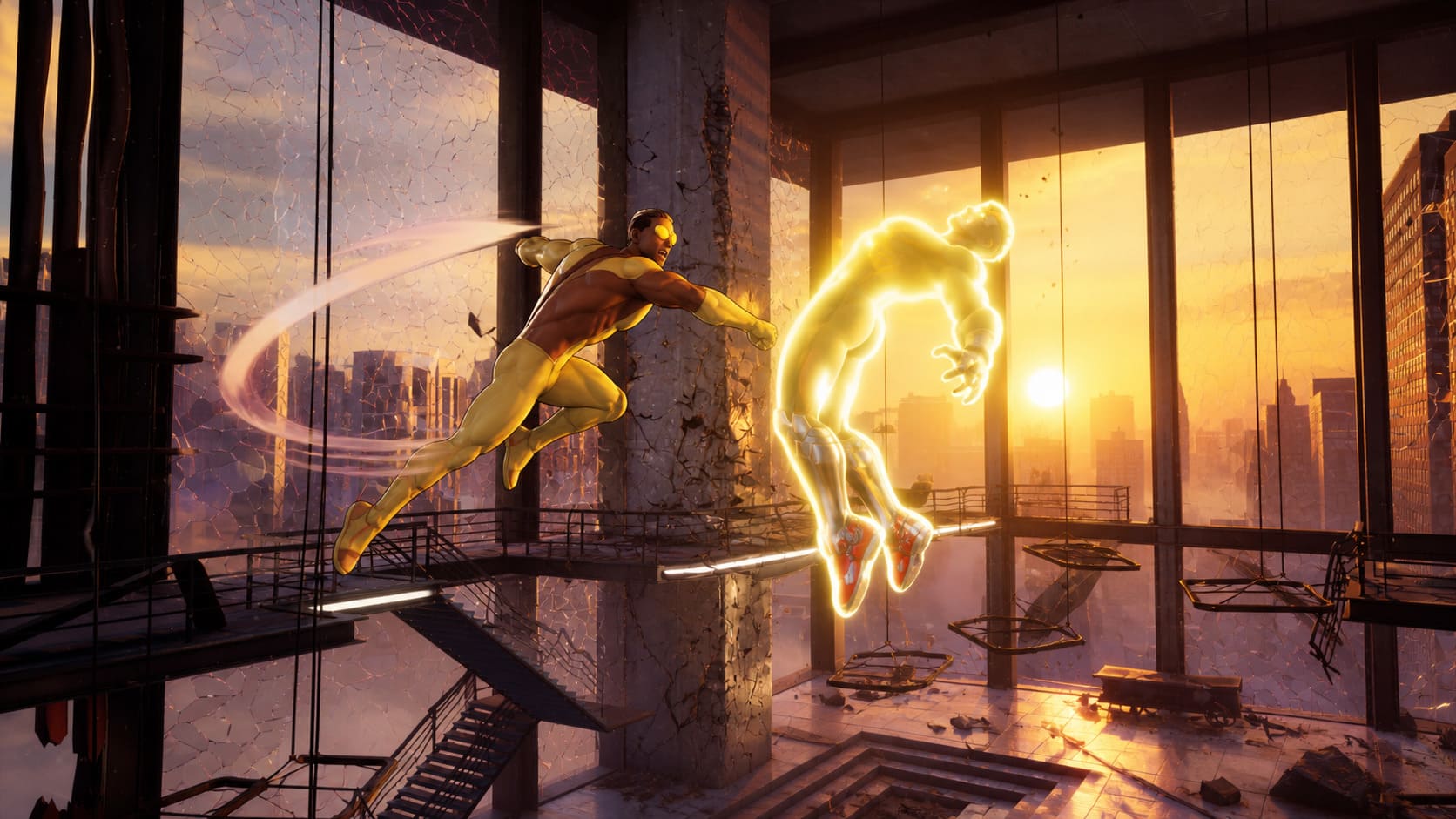
First thing: this game is not lightweight. It’s built on Unreal Engine 5, and that comes with all the bells and whistles — dynamic lighting, dense geometry, flashy effects. Looks amazing on a high-end PC, but on Steam Deck?
Yeah… not so much out of the box.
Default settings tend to land you somewhere around 25–35 FPS with random stutters during supers or tag-ins and occasional shader hiccups that will cost you a combo. And in a fighting game, that’s unacceptable. You need consistency, not cinematic slideshow moments.
The “Feels Right” 60 FPS Setup
After a lot of trial and error, here’s the setup that actually delivers a locked or near-locked 60 FPS in real gameplay — not just training mode.
Core Display Settings
- Resolution: 1280×800 (native)
- Resolution Scale: 85%
- Fullscreen: Yes
- FPS Limit (in-game): Uncapped
That 85% scaling is the secret sauce. You lose a bit of sharpness, sure, but gain just enough performance headroom for chaotic fights.
Graphics Settings That Actually Matter
Here’s where most people mess up — not all settings are equal.
- Shadows: Low — Biggest performance win. Dropping this alone smooths out fights massively.
- Effects: Low — Essential in 3v3 chaos. Otherwise, particle spam tanks performance.
- Textures: Medium — Surprisingly safe. The Deck can handle it without major stutter.
- Anti-Aliasing: Low — Keeps things clearer. UE5’s TAA can look blurry anyway.
- Post-Processing: Low — Motion blur and depth effects are just distractions here.
- View Distance: Near — It’s a fighting game — you don’t need cinematic landscapes.
- Foliage: Low — Only matters on a few stages, but still worth lowering.
Steam Deck Settings (Where the Real Magic Happens)
If you’re not using the Quick Access Menu, you’re leaving performance on the table.
Must-Use Tweaks
- Framerate Limit: 60 FPS
- Refresh Rate: 60 Hz
- Allow Tearing: ON
This last one is controversial, but trust me — in a fighter, input latency matters more than perfect visuals.
Invincible VS Beginner Guide 2026: 12 Essential Tips & Tricks to Dominate the Meta
GPU Control (Highly Recommended)

- Manual GPU Clock: 1600 MHz
This stops the Deck from downclocking mid-match, which is a major source of those annoying “round start stutters.”
Scaling Filter
- FSR Enabled
- Sharpness: 5
This helps counteract the 85% resolution scaling. Not perfect, but definitely cleaner.
Advanced Tweaks (For People Who Want Zero Headaches)
If you’re the kind of player who hates crashes or long-session slowdowns, these tweaks are worth it.
Memory Optimization
- Increase swap file to 16GB
- Set UMA buffer to 4GB via BIOS
This helps avoid out of memory errors and gradual performance degradation over time.
Shader Caching (Don’t Ignore This)
- Keep at least 5GB free on internal storage
Otherwise, the game compiles shaders mid-fight, resulting in severe stuttering exactly when you don’t want it.
Invincible VS Mark Grayson Combo Guide 2026: Best Moves, BnB Routes, and Mastery Tips
The “Blurry Characters” Problem (And Fix)
If you’ve noticed ghosting or weird blur trails during movement — that’s Unreal Engine’s TAA acting up.
Quick Fix
[SystemSettings]
r.DefaultFeature.AntiAliasing=0
What happens: blur and ghosting disappear, while the image becomes sharper but slightly more jagged. In a fast-paced fighter, this trade-off is usually worth it.
Battery Mode (When You’re Not Sweating Ranked)
Let’s be real — sometimes you just want to chill in story mode.
- FPS Cap: 40
- Refresh Rate: 40 Hz
- TDP Limit: 10W
This setup gives you longer battery life, less heat, and still smooth enough gameplay for casual sessions, especially on the OLED model.
Real Talk: Is It Worth Playing on Steam Deck?
Short answer: Yes — but only if you tweak it.
Out of the box, the experience is rough. With the right settings, however, it becomes surprisingly solid. You won’t get ultra visuals, but you will get consistent frame pacing, responsive controls, and a genuinely competitive experience.
And honestly, landing combos on a handheld still feels kind of wild.
Quick Settings Recap

| Setting Category | Recommended Value |
|---|---|
| Resolution Scale | 85% |
| Shadows | Low |
| Effects | Low |
| Textures | Medium |
| GPU Clock | 1600 MHz |
| FSR Sharpness | 5 |
Final Thoughts (From One Gamer to Another)
This is one of those games where optimization isn’t optional — it’s part of the experience.
Once you dial everything in, though, it clicks. The fights feel fast, inputs are responsive, and you stop thinking about performance entirely — which is exactly how it should be.
The Steam Deck isn’t magic, but it’s flexible. And with a bit of tweaking, Invincible VS becomes not just playable, but genuinely enjoyable on it.
Just don’t skip the settings. Seriously.