Fatekeeper Sentinel Lore Explained: Deep Dive Into the 2026 Dark Fantasy RPG World
When I first saw Fatekeeper, my immediate reaction was simple: someone finally remembered why classic fantasy RPGs were so special.
For years, the genre has been dominated by gigantic open worlds stuffed with map markers, endless side quests, and systems layered on top of systems. Fatekeeper feels like the exact opposite. Instead of trying to be everything at once, it focuses on atmosphere, mystery, meaningful exploration, and brutally physical combat.
After spending time analyzing developer materials, early player impressions, gameplay footage, and the lore currently available in Early Access, one thing became obvious: the real star of Fatekeeper isn’t its combat system or Unreal Engine 5 visuals.
It’s the world itself.
And at the center of that world stands one of the most interesting fantasy protagonists we’ve seen in years—the Sentinel.
The Sentinel Is More Than a Hero
Most RPGs start with a familiar formula.
You’re a prisoner.
A farmer.
A nobody.
Then destiny chooses you.

Fatekeeper takes a different approach.
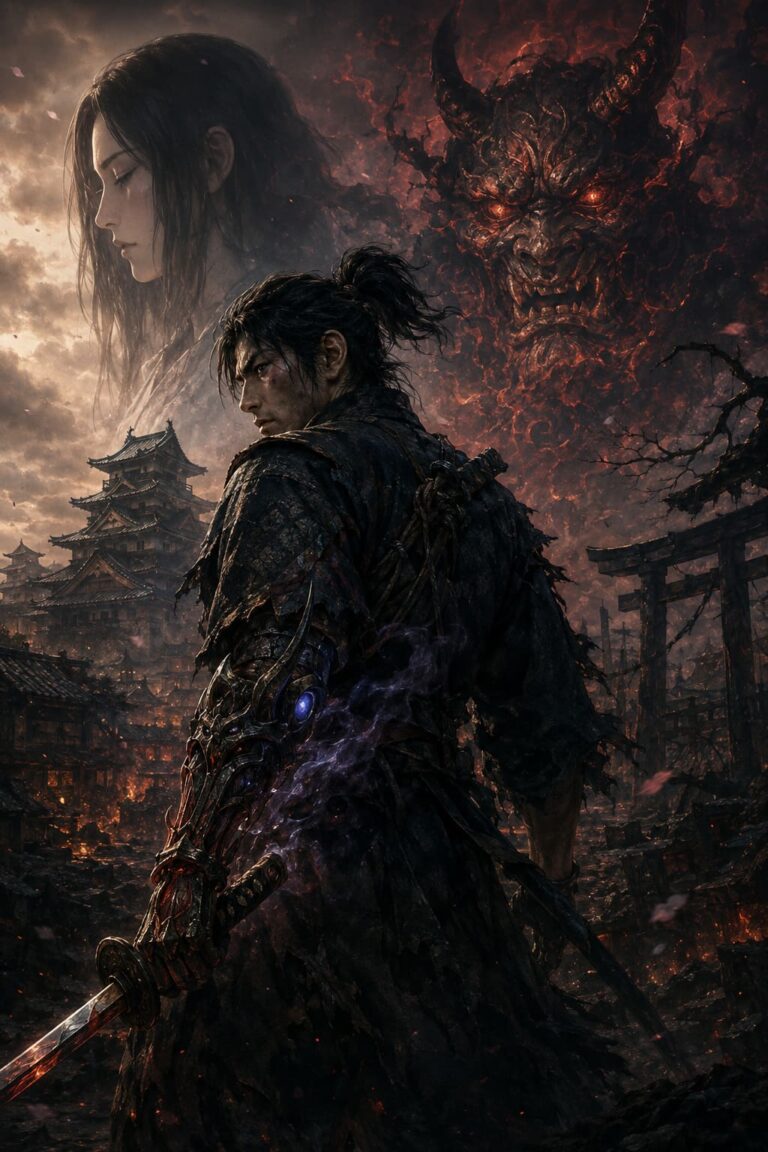
From the very beginning, you are already someone important. The Sentinel is not merely a warrior but a member of an ancient order responsible for maintaining balance between nature, magic, and the unseen forces that shape reality itself.
What I find particularly interesting is how the game’s mechanics reinforce this identity.
You are never pushed toward a single “correct” version of the character.
Your Sentinel can become:
- A heavily armored frontline fighter
- A swift dual-blade assassin
- A destructive elemental mage
- An alchemical specialist
- A hybrid battlemage
In many RPGs, build customization exists purely for gameplay purposes. Here, it feels woven directly into the narrative. Every skill choice represents a different interpretation of fate itself.
That concept alone gives the character far more depth than the average fantasy protagonist.
Solace: A World Built on the Ruins of Failure
If there’s one word that defines Fatekeeper’s setting, it’s loss.
The world of Solace doesn’t feel alive in the traditional fantasy sense. It feels like a civilization desperately trying to survive after the end has already happened.
Every location shown so far tells the same story.
Ancient temples stand abandoned.
Fortresses crumble beneath centuries of neglect.
Forgotten roads disappear into wilderness reclaimed by nature.
The implication is clear: Solace was once magnificent.
Then something went horribly wrong.
According to available lore fragments, excessive magical experimentation, political corruption, and unchecked power eventually destabilized the world itself. The catastrophe that followed—often referred to as the Great Fracture—changed everything.
Entire cities vanished.
Mountains split apart.
Civilizations collapsed overnight.
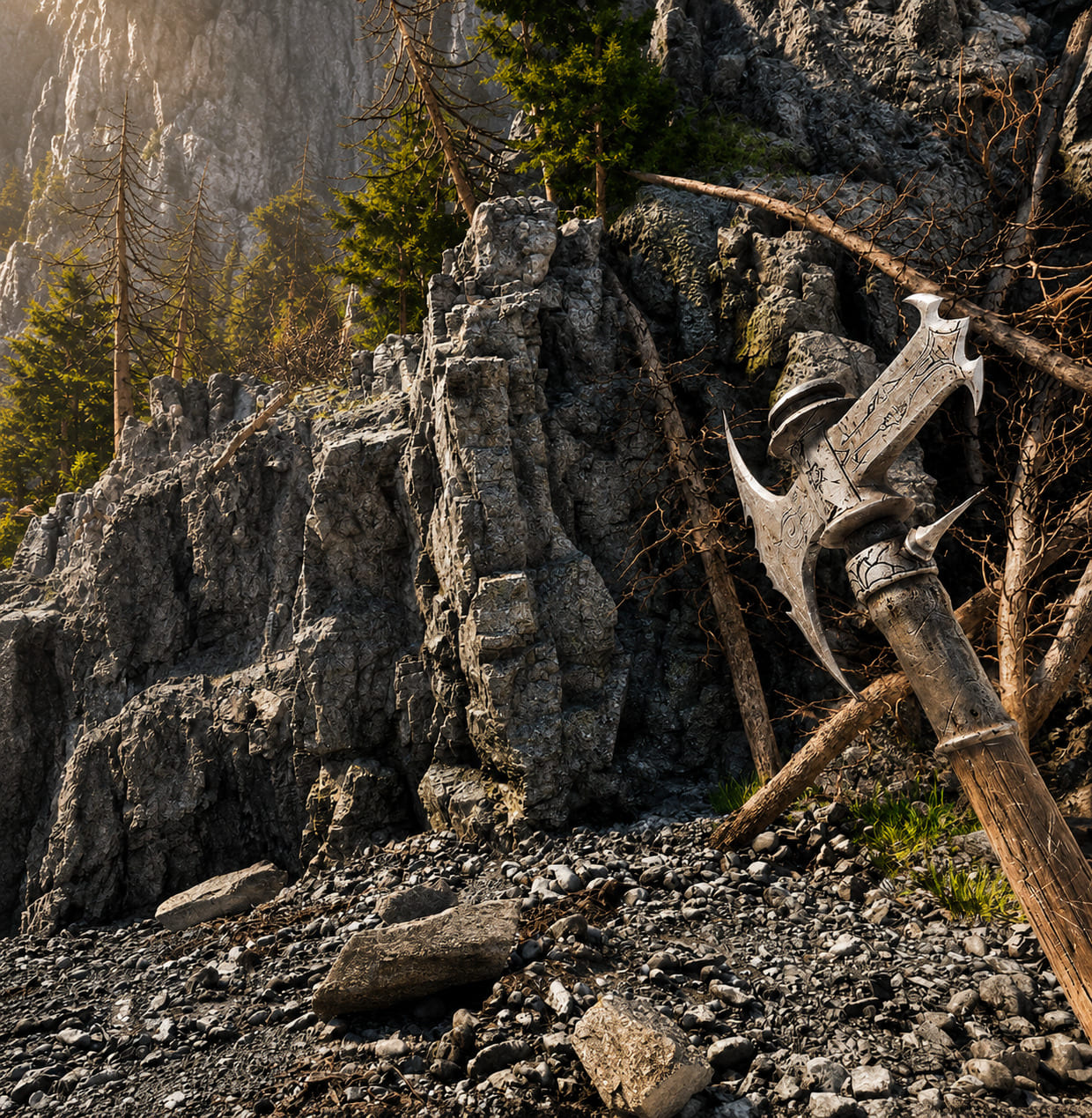
What remains is a landscape haunted by its own history.
As someone who grew up playing atmospheric fantasy games, I genuinely appreciate this approach. Fatekeeper doesn’t constantly explain its world through lengthy dialogue sequences. Instead, the environment itself becomes the storyteller.
Why The Great Fracture Matters
Many fantasy settings include ancient disasters.
Few make them feel truly consequential.
The Great Fracture appears to be different because its effects are visible everywhere.
The catastrophe wasn’t simply a historical event.
It’s still happening.
Magic continues leaking into the environment.
Creatures continue mutating.
Ancient wounds across the land never fully healed.
This creates a fascinating tension throughout the world. Solace isn’t recovering from disaster. It’s slowly dying from it.
That distinction changes the entire tone of the adventure.
Instead of restoring a fallen kingdom, players may ultimately be deciding whether the world deserves saving at all.
The Tragic Story of the Underdwellers
Among all currently known factions, the Underdwellers might be the most compelling.
Their story feels like classic fantasy tragedy.
Long ago, they abandoned the surface world to escape a tyrannical ruler. Rather than fighting a hopeless war, they sought refuge deep beneath the earth.
Initially, this seemed like a wise decision.
Then fate intervened.
Massive geological upheavals sealed every path back to the surface.
What was supposed to be temporary exile became permanent imprisonment.
Generation after generation adapted to underground life.
They built cities.
Created new traditions.
Developed their own identity.
Eventually they became something entirely separate from the people they once were.
What fascinates me is how believable this transformation feels. Most fantasy races simply exist because the lore says they do. The Underdwellers, however, appear to be the result of centuries of environmental adaptation and cultural isolation.
That makes their downfall even more tragic.
Exploring the remains of their civilization looks like it will become one of Fatekeeper’s strongest narrative elements.
The Talking Rat Might Be the Biggest Mystery in the Game
Yes, that sentence sounds ridiculous.
But hear me out.
One of Fatekeeper’s most unusual companions is a talking rat perched on the Sentinel’s shoulder.
At first glance, this sounds like comic relief.
The more footage I watched, the less convinced I became.
The creature clearly knows far more than it reveals.
Its dialogue is cryptic.
Its knowledge seems ancient.
Its connection to the Sentinel appears deeper than simple friendship.
My personal theory?
The rat isn’t really a rat.
Whether it’s a cursed sorcerer, an imprisoned spirit, or a surviving relic from before the Great Fracture, something important is hiding beneath that furry exterior.
Paraglacial’s refusal to fully explain the character only makes the mystery more intriguing.
And honestly, every great fantasy world needs at least one bizarre unanswered question.
Combat That Actually Supports the Lore
One thing Fatekeeper understands surprisingly well is that gameplay and storytelling should work together.
The combat isn’t fast because the world isn’t safe.
The enemies aren’t weak because survival isn’t guaranteed.
Every encounter reinforces the idea that the Sentinel is powerful, but still mortal.
Some of the most impressive mechanics include:

- Environmental manipulation
- Elemental interactions
- Physics-based combat solutions
- Telekinetic abilities
- Dynamic terrain advantages
Instead of treating the battlefield as a static arena, Fatekeeper encourages players to use the environment itself as a weapon.
Burn shields.
Kick enemies from cliffs.
Drop heavy objects onto opponents.
Use terrain to gain an advantage.
This approach feels remarkably close to the philosophy behind legendary immersive fantasy titles from the early 2000s.
And in today’s RPG market, that feels refreshingly rare.
The Creatures of Solace Reflect Its Decay
One of the strongest aspects of the setting is how enemy design supports the larger narrative.
Nearly every threat encountered appears connected to the world’s decline.
| Enemy Type | Narrative Purpose |
|---|---|
| Scavenger Tribes | Survivors fighting over remnants of civilization |
| Corrupted Beasts | Victims of magical instability |
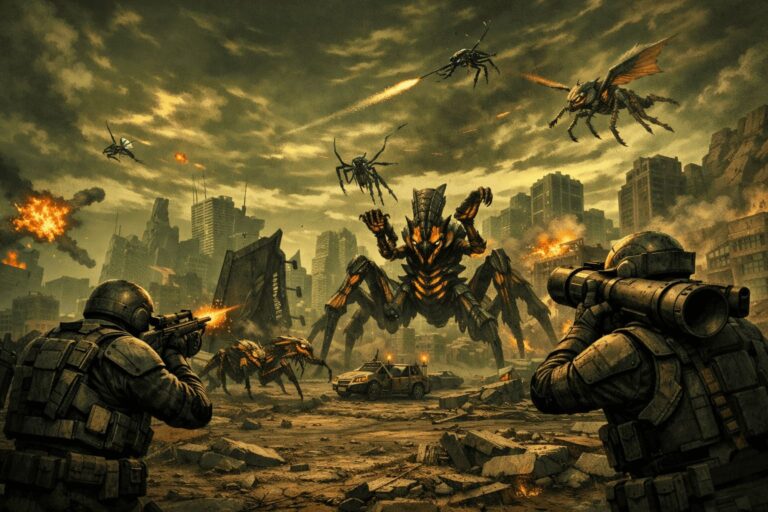
| Giant Insects | Evolution warped by unnatural forces |
| Stone Guardians | Ancient defenses still carrying out forgotten orders |
| Mythological Monsters | Living remnants of a lost age |
| Undead Protectors | Echoes of civilizations that refuse to disappear |
Rather than feeling random, these enemies appear to tell stories of their own.
They’re symptoms of a broken world.
Fatekeeper System Requirements: Can the RTX 3070 Run This 2026 Next-Gen Unreal Engine 5 Title?
Why Fatekeeper Has Caught So Much Attention
Despite launching into Early Access with a relatively small amount of content, the game has generated significant discussion among RPG fans.
I think that’s because players recognize something familiar beneath the modern visuals.
Fatekeeper isn’t trying to imitate current trends.
It’s chasing an older design philosophy:
- Atmosphere over spectacle.
- Discovery over guidance.
- Immersion over convenience.
The game trusts players to observe, explore, experiment, and think.
That’s becoming increasingly uncommon.
And for a certain audience—including myself—that approach is incredibly appealing.
Fatekeeper PC Performance Fix: How to Fix Low FPS, Stuttering, and Unreal Engine 5 Crashes
Final Thoughts: A Promising Beginning for a New Fantasy Universe
It’s still early days for Fatekeeper.
The full story remains unfinished.
Many mysteries remain unanswered.
Large portions of Solace have yet to be explored.
Yet what already exists shows enormous potential.
The Sentinel feels unique.
The Underdwellers have fascinating lore.
The Great Fracture provides a compelling historical foundation.
And the world itself radiates the kind of dark fantasy atmosphere that stays in your mind long after you stop playing.
If Paraglacial can successfully expand upon these foundations throughout Early Access, Fatekeeper could evolve into something far more significant than another indie RPG release.
It might become one of those rare cult classics people still discuss ten years from now.
And honestly?
After everything I’ve seen so far, I wouldn’t bet against it.