Base Mastery & Logistics: How the 2026 Rework Fixes the Building Hammer Follower Bug
If you’ve spent even a few hours in Conan Exiles, you already know the real endgame isn’t just surviving—it’s building ridiculous, oversized, slightly impractical bases that make your server lag just by existing.
So when the Construction Hammer suddenly refuses to pull materials from your follower, even though your Bearer thrall is basically a walking warehouse… yeah, that kills the vibe fast.
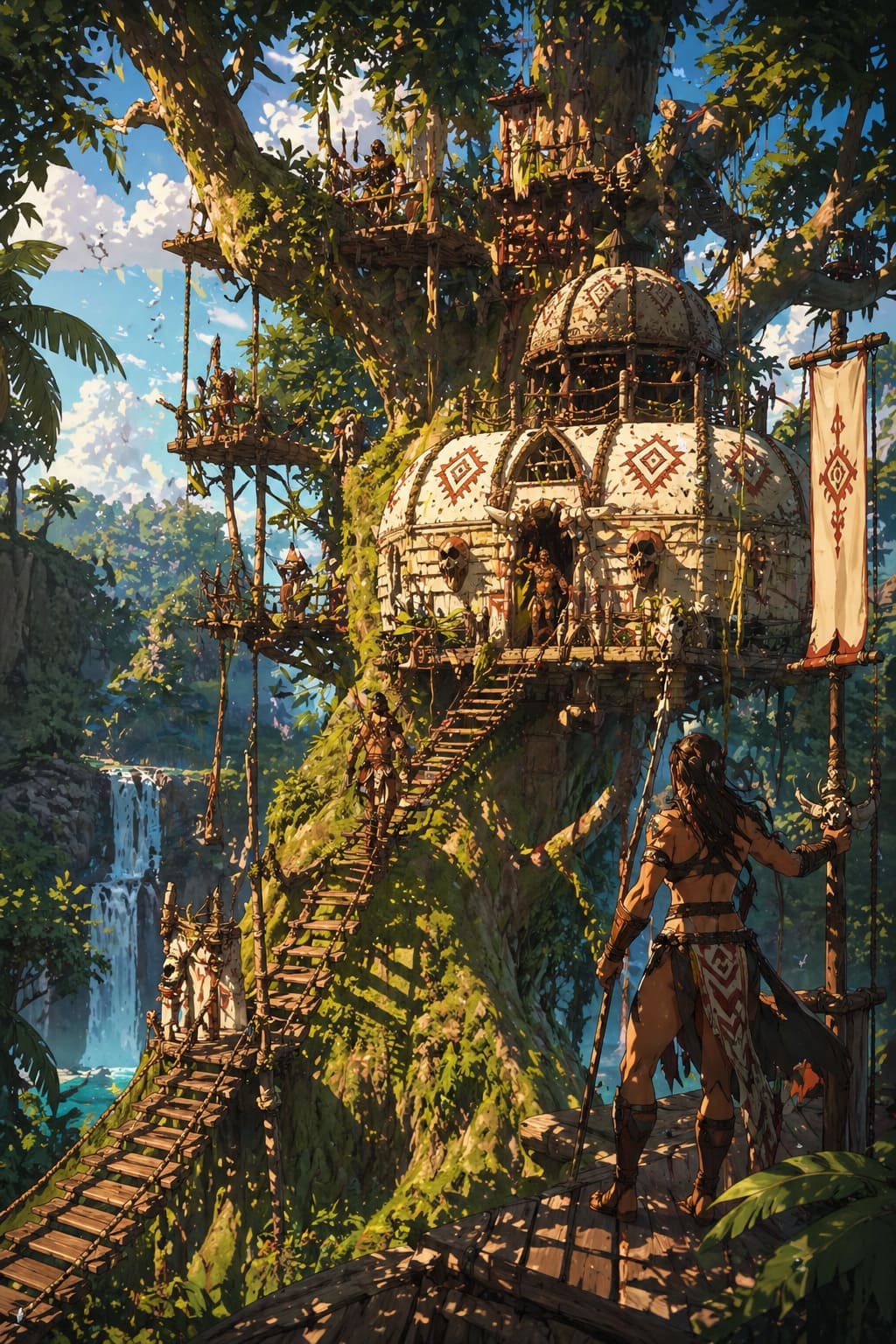
I’ve run into this issue more than once while building in the Exiled Lands, and it always feels like the game is gaslighting you: “No resources available” while your thrall is standing there carrying half the desert.
This is a breakdown of what’s actually going wrong, what players have consistently found works, and how to make your building workflow smooth again in 2026.
Saros Carcosa Guide: Biome Exploration Tips & NG+ Survival Strategies
What the Construction Hammer Follower System Is Supposed to Do
The idea behind the updated building system is honestly great.
Instead of pre-crafting thousands of pieces, you:
- Open the Construction Hammer
- Select a building piece
- Build directly in the world
- Pull materials from your inventory OR your follower
In theory, your follower becomes a portable storage extension. A well-trained Bearer can hold tens of thousands of stone, wood, and iron, meaning you can build continuously without ever stopping to restock.
In practice… sometimes it just breaks.
The Core Problem: Why Follower Resources Stop Working
After digging through community reports, personal testing, and general frustration, the issue usually comes down to a few recurring bugs.
1. Inventory Desync (The Big One)
This is the most common problem. The game loses synchronization between your Construction Hammer UI and the server’s follower inventory state.
So even though your thrall is full of materials, the game behaves like they’re empty.
Symptoms:
- Red building icons (“missing resources”)
- Hammer ignores nearby follower completely
- Relog sometimes temporarily fixes it
2. Inventory State Not Updating
Followers that are recently summoned, teleported, or just finished combat can fail to register their inventory correctly.
The system simply hasn’t reloaded their data yet.
3. Sorting Conflicts in Inventory
This one is sneaky. If either your inventory or your follower’s inventory is using custom sorting, weight sorting, or auto-stack modifications, the Construction Hammer sometimes fails to read stacks properly.
It’s like the game sees chaos and just gives up.
4. Follower Logic Conflicts (War Party & Multiple Thralls)
If you’re using multiple followers, especially with Authority builds, the system may only read one follower or none at all.
It’s inconsistent and heavily server-dependent.
5. Distance / State Issues
Followers must be close enough, not in combat, and not stuck in animation loops. Even “idle but technically engaged” can break the link.
How to Fix the Construction Hammer Follower Bug
Below are the fixes that actually work most consistently based on player experience.
FIX #1 — Inventory Refresh Trick (Most Reliable)
This is the classic “make the game remember what reality is” method.
Steps:
- Exit Construction Hammer mode
- Open your follower’s inventory manually
- Move ANY item (even 1 stone)
- Close inventory
- Reopen Construction Hammer
This forces a full UI + server sync refresh.
FIX #2 — Disable Inventory Sorting
Set both your inventory and follower inventory to default sorting with no filters. Custom sorting often breaks resource detection.
FIX #3 — Hotbar Reset for the Hammer
Remove the Construction Hammer from your hotbar, place it back in a different slot, and re-equip it. This resets UI state and fixes invisible build menu bugs.
FIX #4 — Reset Follower Position State
If your thrall just moved or fought, reassign follow command, wait a few seconds, then try building again. This forces a clean state update.
FIX #5 — Full Character Reset (Modded Servers Only)
If you use mods, unequip all armor and re-equip it. Some mods interfere with hidden tool states and inventory scripts.
Quick Troubleshooting Table
| Problem | Likely Cause | Fast Fix |
|---|---|---|
| Red building icons | Desync | Inventory refresh |
| No follower detected | State or distance bug | Re-summon follower |
| Partial resource use | Multiple thralls conflict | Use single follower |
| Hammer UI empty | UI glitch | Hotbar reset |
| Works after relog only | Server sync delay | Inventory refresh + wait |
Best Practices to Avoid the Bug Entirely
After dealing with this long enough, a few habits make a big difference.
Use Bearers Whenever Possible
They provide higher inventory capacity and reduce the need for frequent transfers, lowering desync chances.
Avoid Constant Thrall Teleporting
Frequent summoning increases the chance of inventory state corruption.
Keep Inventory Clean
Stick to structured storage: building materials grouped together instead of mixed clutter.
Avoid Mid-Build Combat
If your follower enters combat while you’re building, assume you’ll need a refresh afterward.
Personal Take
The Construction Hammer system is one of the best quality-of-life additions in Conan Exiles. When it works, it feels incredibly smooth—almost like creative mode inside a survival sandbox.
But the follower resource system still feels fragile. It’s less “broken” and more like it occasionally forgets how inventory continuity works.
Most of the time, a quick inventory interaction fixes everything. Other times, it’s a reminder that even in brutal survival games, UI bugs are the true final boss.
Conan Exiles 2026 Base Mastery: Living Settlements, Chest-Building & Thrall Logistics Reworked
There’s a point in every long-running survival game where it stops being just “survive and build a base” and turns into something closer to running a small, chaotic industrial civilization. For me, Conan Exiles hit that stage hard by 2026.
Between the “Living Settlements” systems and the upgraded logistics features, I honestly find myself spending as much time organizing thrall workflows as I do actually going out to fight in the Exiled Lands.
And weirdly? I enjoy it.
This guide is my personal breakdown of how the modern (2026-era) base-building meta feels, especially around Build-from-Chests mechanics, automated thrall logistics, and settlement optimization. It’s not just theorycrafting — it’s how I actually approach building now after dozens of hours experimenting with efficiency setups, broken thrall pathing, and surprisingly satisfying automation loops.
The Shift: Conan Exiles Feels Like a Management Game Now
The biggest change isn’t one single feature — it’s the combination of systems. Instead of running back and forth for materials, manually micromanaging every crafting station, and babysitting storage organization, we now have something closer to a semi-automated settlement ecosystem.
It still feels gritty and survival-focused, but underneath that is a surprisingly deep logistics layer that rewards planning almost like a factory simulator. I didn’t expect Conan Exiles to go in that direction, but I’m not complaining.
Build-from-Chests System: The Real Game Changer
The most impactful change in my experience is the Build-from-Chests logic. Instead of dragging materials into your inventory before building, the Construction Hammer can now pull directly from storage — but only under specific conditions.
How it actually works in practice:
- Storage must be inside a Settlement Zone
- A functional Town Center or Officer’s Desk must be active
- A Logistician-type thrall must be assigned
- Chests must be properly linked via settlement radius
Once everything is aligned, the Construction Hammer essentially becomes a remote control for your entire warehouse network. When the UI shows that “Warehouse Link” icon turning green, it genuinely feels like unlocking a late-game power system.
My Real Setup (and What Works Best)
After testing messy layouts and clean layouts, I’ve settled on something simple: zones instead of chaos bases. This alone drastically improves thrall efficiency and reduces pathing issues.
Base Layout Philosophy
I divide everything into three core zones: Industrial Core, Storage & Logistics Hub, and Residential Ring.
The Industrial Hub is where production happens. The Storage & Logistics Hub handles movement and sorting. The Residential Ring keeps thralls functional and stable. This separation makes everything easier to scale later.
Industrial Hub Optimization
This is where your crafting life lives or dies. I keep Blacksmiths, Armorers, Tanners, and furnaces within close range — roughly 15–20 foundations apart.
Why? Because AoE bonuses and settlement buffs stack better when crafting stations are clustered properly. More importantly, thralls waste less time walking, which increases overall production uptime.
Residential Design: Thralls Actually Feel “Alive” Now
One of the more immersive changes is how thralls behave when not working. They sit, rest, and move between interactable objects instead of just standing still.
So I started placing beds near workplaces, chairs and benches in small break corners, and short walking paths instead of long corridors. It doesn’t just look better — it improves workflow timing. Thralls return to stations faster after breaks, which increases output over long sessions.
Automated Gathering: The Quiet Backbone of Your Base
Once you unlock proper settlement control, manual farming becomes optional. The system revolves around assigning roles through the Town Center.
Key roles I use:
- Prospector Thralls → gather wood, stone, and basic resources
- Day Shift Workers → active production cycles
- Night Shift Workers → passive resource accumulation
It creates a continuous loop where your base never really stops functioning. It feels less like micromanagement and more like setting up a living machine.
Thrall Logistics & Sorting System
The Sorting Hub system turns your base into a real logistics chain. My preferred flow starts with a drop-off chest at the entrance. Low-tier bearers collect items and move them into a sorting system that distributes resources automatically.
Example routing structure:
| Item Type | Destination |
|---|---|
| Ore | Furnace / Smelter |
| Hides | Tannery |
| Weapons | Armory Storage |
| Food | Cooking Station / Pantry |
The key is discipline. Without strict routing rules, everything collapses into chaos surprisingly fast.
The Real Limitation: Thrall Capacity Management
No matter how efficient your setup is, you still hit the follower cap. So optimization becomes important. I prefer using high-tier bearers instead of multiple weak ones, avoiding redundant assignments, and prioritizing multi-function thralls whenever possible.
Every thrall is an investment. Thinking of them as workforce units rather than individual helpers changes how you build entirely.
Common Problems I Still Run Into
Even in 2026 systems, nothing is perfect.
Idle Thralls: sometimes workers stop functioning. Usually fixed by checking schedules or reassigning tasks at the Officer’s Desk.
Pathing Issues: still one of the most frustrating problems. Open archways and simple layouts help more than complex interiors.
Visual Bugs: thralls may animate incorrectly, but production often continues normally in the background.
Why This System Actually Works
At first glance, the systems look overly complicated — zones, logistics, shifts, thrall roles. But once everything clicks, it becomes a structured production ecosystem.
You’re essentially building a survival base that behaves like a factory: production lines, transport logic, scheduling systems, and resource automation — all inside a hostile sandbox world.
Final Thoughts
Conan Exiles in 2026 isn’t just about survival anymore. It’s about efficiency, planning, and watching your base slowly become self-sustaining. I still remember when it was just stone huts and desperate resource gathering. Now it feels like managing a living civilization that occasionally gets attacked by monsters.
And honestly, that evolution is what makes it interesting. It rewards players who enjoy systems thinking, optimization, and base design experimentation. It’s still brutal, still chaotic — but now it’s also structured in a way that makes long-term planning genuinely satisfying.