Mastering Stealth in Intravenous 3: The Best Weapons for Silent Domination
If you’ve spent any real time with Intravenous, you already know this isn’t one of those games where you slap a suppressor on a pistol and suddenly become a ghost. Nope—this game punishes sloppy stealth. Sound matters. Positioning matters. And most importantly, your weapon choice can make or break a perfect run.
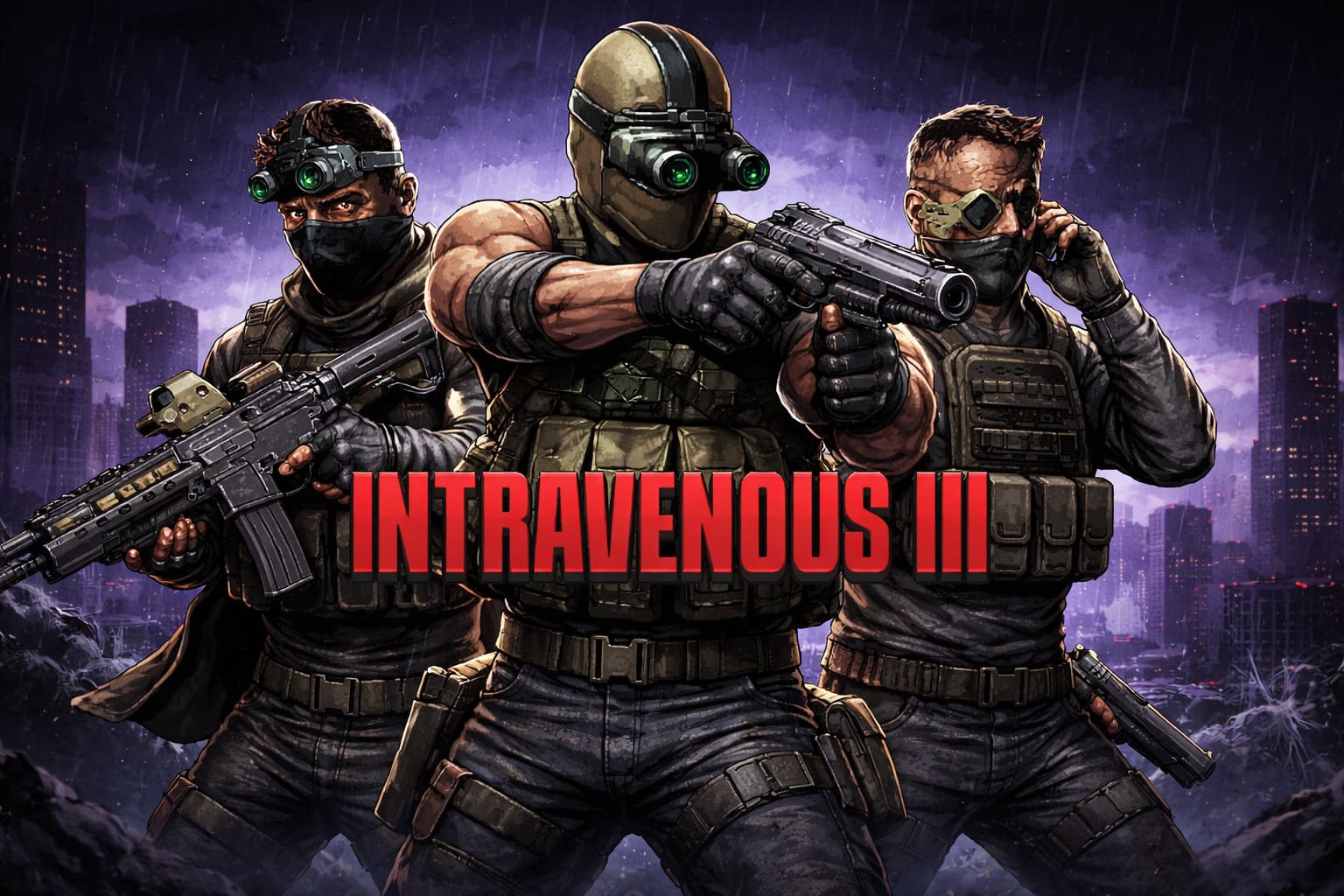
After plenty of trial, error, and a few “well, that escalated quickly” moments, I’ve settled on a handful of weapons that actually let you play like a shadow instead of a loud tourist with a silencer. This isn’t just theory—it’s what genuinely works when you’re chasing those clean, no-alert runs.
Let’s break down the three stealth tools I keep coming back to—and why they feel right when you’re playing seriously.
How to Reach Kankan in GRIME 2: The Ultimate Location Guide & Walkthrough (2026)
1. VP9 — The Only Gun That Truly Feels Silent
Let me be blunt: if you’re trying to play pure stealth, the VP9 is non-negotiable. Unlike most “suppressed” weapons in the game, which still sound like someone dropped a frying pan in the next room, the VP9 actually behaves the way you’d expect a stealth weapon to behave.
Why I always carry it:
- Genuinely low noise profile compared to everything else
- Perfect for tight indoor environments
- Feels designed specifically for stealth gameplay
What makes it special is its use of subsonic ammo. That means no sharp crack echoing through hallways—just a dull, controlled pop that rarely travels far enough to ruin your run.
But here’s the catch:
This thing is slow. Painfully slow. You fire → you cycle → you fire again. So if you mess up? That’s on you.
My personal tip:
Treat every shot like it’s your only shot. Go for headshots only. A body shot can turn a clean run into chaos if the enemy manages to react or make noise.
2. Tranq Rifle — The Stealth Player’s Safety Net
Now, if you prefer a more careful, almost surgical playstyle, the Tranq Rifle is a lifesaver. I didn’t appreciate it fully at first—but once you start playing on higher difficulties, it becomes clear: this weapon is ridiculously strong in the right hands.
What makes it so good:
- Extremely low noise radius
- Lets you engage from a distance
- Ideal for hard-to-reach targets
You can take someone out from far enough away that even if someone should hear it—they just don’t.
The downside:
- Very limited ammo
- Non-lethal (which can matter depending on your strategy)
You typically get just a handful of darts, so every shot needs to be calculated.
How I use it:
- For guards in open areas
- When I can’t risk getting closer
- To remove a key target without disrupting patrol routes
It’s not a replacement for your pistol—it’s more like your “problem solver” when things get tricky.
3. Throwing Knives — Silent, Simple, Satisfying
There’s something incredibly satisfying about using throwing knives in Intravenous. No gunfire, no tech—just pure stealth. And honestly? They might be the most reliable silent option in the entire game.
Why I love them:
- Zero firing noise
- Reusable (huge advantage)
- Perfect for resource management
The only sound comes from the impact or the body falling—and if you position things right, even that won’t get noticed.
The trade-offs:
- Limited range
- Requires precision and timing
- Risky if enemies are grouped
My approach:
I use knives when: enemies are isolated, I want to save VP9 ammo, and I’m confident I can land a clean hit. Once you get comfortable with their arc and timing, they become insanely efficient.
📊 Quick Comparison: What Actually Stays Quiet?
| Weapon | Noise Radius (Approx.) | Playstyle Role |
|---|---|---|
| VP9 | ~20–27m | Close-range lethal stealth |
| Tranq Rifle | ~6–8m | Long-range silent control |
| Throwing Knife | 0m (impact only) | Pure silent takedowns |
| Suppressed MK23 | ~34–40m | Risky “stealth-lite” option |
Even “suppressed” firearms (like the MK23) are way louder than you think. They’re fine for hit-and-run tactics—but not for true ghost runs.
My Stealth Loadout Philosophy
After experimenting a lot, I’ve found that the best stealth runs come from combining tools, not relying on just one. Here’s what I personally run: VP9 for controlled, close-range eliminations, Tranq Rifle for distant or high-risk targets, and Throwing Knives for efficiency and silent chains. This setup gives you flexibility without sacrificing silence.
Common Mistakes I See (and Made Myself)
If you’re struggling with stealth, chances are it’s not just your aim—it’s your approach.
Avoid these:
- Overusing suppressed weapons: They’re louder than you expect and will betray you.
- Rushing shots: Panic shooting = noise = failure.
- Ignoring positioning: Even silent kills can fail if a body drops in the wrong place.
Mastering True Stealth in Intravenous: A Player’s Guide to Silent Domination
If you’ve ever tried to pull off a true stealth or “ghost” run in Intravenous, you already know this isn’t your typical sneak-and-shoot experience. This game punishes sloppy movement, careless noise, and even something as small as a flickering light. It’s not just about having a suppressed weapon — it’s about controlling the entire environment.
After spending way too many hours experimenting (and restarting missions), I’ve come to realize that your gadgets matter just as much as your aim. In fact, they often matter more. The right tools can turn an impossible situation into a perfectly orchestrated silent run.
Here’s my take — as someone who genuinely loves stealth games — on the best gadgets and how they actually feel to use in a real run.
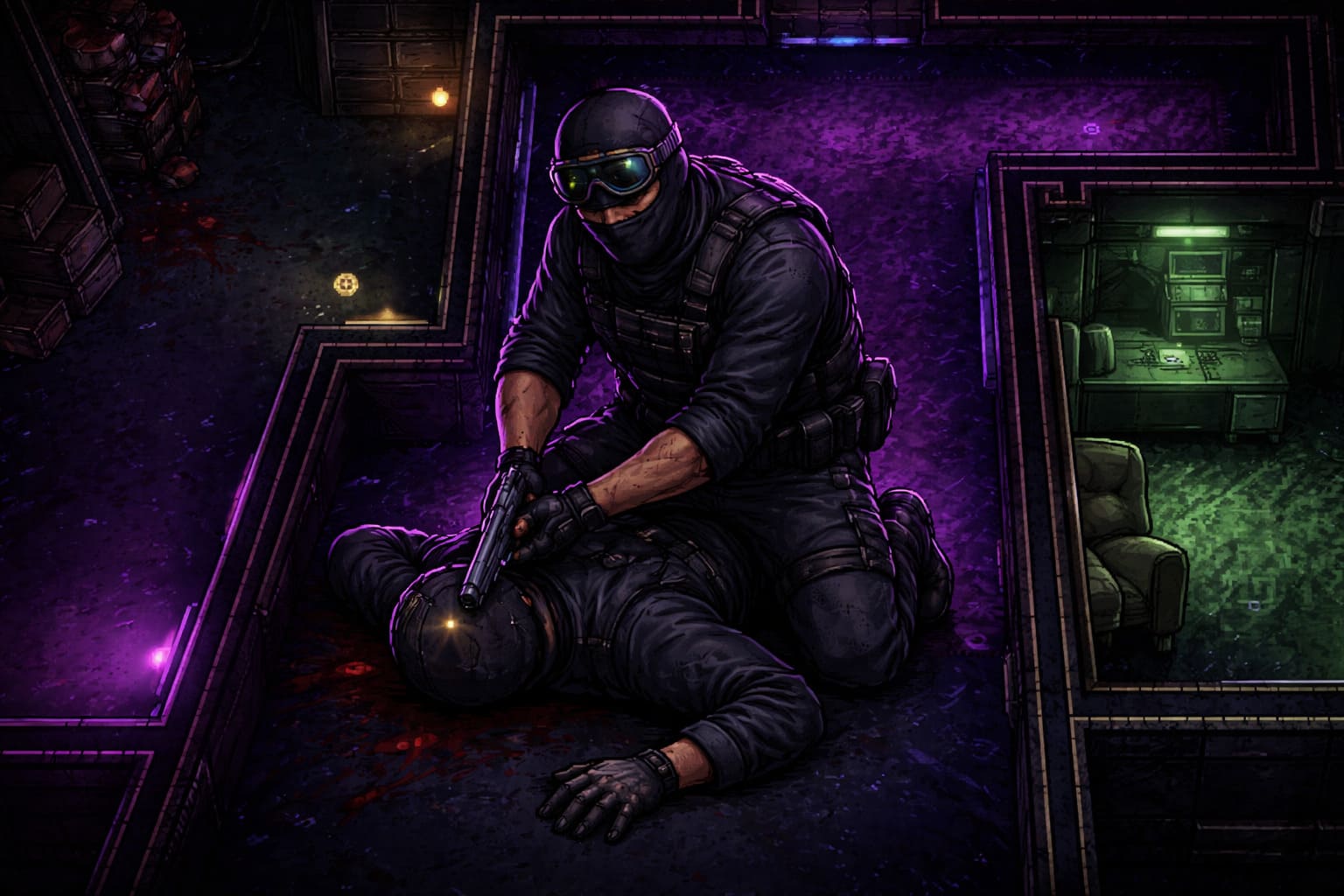
Why Gadgets Matter More Than Guns
Let’s get one thing straight: guns in Intravenous are situational. Even the quietest weapon can betray you if used poorly.
Gadgets, on the other hand, let you:
- Manipulate enemy behavior
- Control sightlines
- Create safe paths
- Recover from mistakes
Think of them less as “equipment” and more like tools for shaping the level itself.
1. EMP Pistol — The Silent Game-Changer
This thing is honestly ridiculous in the best way possible. Instead of smashing lights and risking that telltale glass-breaking sound, the EMP pistol quietly shuts down electronics. And when I say quiet — I mean almost unfairly quiet.
What makes it so strong:
- No noise radius compared to shooting lights
- Works on cameras and laser systems
- Permanent effect (no worrying about resets)
How I personally use it:
I like creating what I call “shadow lanes.” Basically, I disable lights along a patrol route and turn it into a safe corridor. Guards walk through it like nothing’s wrong, but their visibility drops just enough for me to slip behind them.
Tip: Combine darkness with patience. Don’t rush kills — let enemies walk into your advantage.
2. Noisemakers — Your Best Manipulation Tool
If stealth games are about control, then noisemakers are your remote control for AI. They’re simple — throw, distract, isolate — but the depth comes from where and when you use them.
Best uses:
- Pull a guard away from a group
- Redirect patrol routes
- Create temporary openings
My go-to tactic: “The Isolation Play”
- Identify a group of guards
- Toss a noisemaker slightly out of sight
- Wait for one guard to break formation
- Deal with them silently
This is especially useful when using slower weapons like bolt-action setups. You don’t want multiple enemies at once.
One mistake I learned the hard way: If a guard sees the device immediately, they go suspicious instead of curious. That’s a completely different problem.
Rule of thumb: Make them hear it, not see it.
3. Lockpicks & Door Wedges — The Underrated MVPs
These aren’t flashy, but they’re essential for consistent stealth runs.
Lockpicks — The Quiet Alternative
Kicking doors is basically announcing your presence to the entire map. Lockpicks let you:
- Access alternate routes
- Avoid heavily guarded entrances
- Stay completely silent
Sometimes the “long way” is actually the safe way.
Door Wedges — Low-Key Genius
I didn’t appreciate these at first, but now I never go without them.
Why they’re amazing:
- Block enemy entry
- Delay pursuers
- Secure rooms for hiding bodies
My favorite use: After clearing a room, wedge the door and turn it into a temporary safe zone. It gives you breathing room in otherwise chaotic levels.
4. Flashbangs — Your Emergency Reset Button
Let’s be honest — no matter how careful you are, things will go wrong. That’s where flashbangs come in.
What they do best:
- Instantly disrupt enemies
- Buy precious seconds
- Prevent full alert escalation
How I use them: Not aggressively — defensively. When I see that detection indicator pop up, I don’t hesitate: toss flashbang, break line of sight, reposition or escape. You can use them offensively, but I find they’re far more valuable as a panic tool.
Important mindset: A flashbang isn’t failure — it’s recovery.
Suggested Stealth Loadout
| Slot | Recommendation | Purpose |
|---|---|---|
| Primary | Tranq Rifle | Silent long-range takedowns |
| Secondary | EMP Pistol / VP9 | Utility vs. precision kills |
| Tactical 1 | Throwing Knives | Fast, silent eliminations |
| Tactical 2 | Noisemakers | AI manipulation |
Why this works:
- You have range (Tranq Rifle)
- You control visibility (EMP)
- You handle close encounters (Knives)
- You dictate enemy movement (Noisemakers)
It’s not about brute force — it’s about total control.
A Real Player’s Take: What Actually Wins Runs
After many failed attempts, I realized something important:
Stealth in Intravenous isn’t about perfection — it’s about preparation.
The best runs don’t happen because you’re fast or accurate. They happen because:
- You planned routes
- You controlled lighting
- You manipulated enemy behavior
Gadgets are what make that possible.
Final Thoughts
If you’re struggling with ghost runs, don’t just focus on your weapons. Start thinking like a level designer instead of a shooter player.
Ask yourself:
- Where can I create darkness?
- How can I move enemies instead of avoiding them?
- What’s my escape plan if things go wrong?
Once you start using gadgets with intention, the game opens up in a completely different way. Suddenly, impossible sections become manageable — even satisfying.
And honestly, that’s when Intravenous feels at its best.