Fatekeeper Weapon Guide: Best One-Handed vs Two-Handed Weapons for Speedruns and High-DPS Builds
Since diving into Fatekeeper during launch week, I’ve spent dozens of hours experimenting with nearly every weapon category the game offers. Like many players, I started with the assumption that bigger weapons automatically meant bigger success. After all, who doesn’t love smashing enemies with a gigantic warhammer or sending skeletons flying with a massive greatsword?
The reality turned out to be much more interesting.
Fatekeeper isn’t the kind of action RPG where damage numbers alone determine success. Its combat system rewards positioning, timing, stamina management, and adaptability far more than simple aggression. After testing both weapon archetypes extensively in difficult encounters and speed-focused runs, I’ve come to appreciate that the choice between one-handed and two-handed weapons fundamentally changes how the game feels.
If you’re trying to decide which path deserves your upgrade materials and character investment, here’s my breakdown based on actual gameplay experience.
Why Weapon Choice Matters More Than You Think
Many RPGs allow players to switch weapons casually without significantly affecting their performance. Fatekeeper takes a different approach.
Every weapon category influences:

- Combat rhythm
- Stamina consumption
- Recovery timing
- Defensive options
- Boss fight strategies
- Crowd control potential
Because enemies react dynamically and punish mistakes quickly, your weapon determines not only how much damage you deal but also how safely you can deliver it.
One-Handed Weapons: The Flexible All-Rounders
After experimenting with multiple builds, I found myself returning to one-handed weapons more often than expected.
At first glance, their damage appears modest compared to heavy alternatives. However, their real strength comes from flexibility.
Fast swords, maces, and daggers allow players to:
- Attack and recover quickly
- React to enemy counters
- Maintain defensive readiness
- Combine melee combat with magic
- Apply status effects rapidly
The biggest advantage is responsiveness.
When using a one-handed sword, I never feel trapped inside an animation. If an enemy suddenly launches an unexpected attack, I usually have enough time to block, dodge, or reposition.
That safety becomes incredibly valuable during longer dungeon runs where a single mistake can cost significant progress.
The Magic Synergy Factor
One-handed weapons truly shine when paired with Fatekeeper’s spell system.
Keeping your off-hand free opens countless tactical possibilities:
- Elemental projectiles
- Defensive barriers
- Debuff applications
- Crowd-control abilities
- Utility spells
This creates a fluid combat loop where melee and magic constantly support each other.
Instead of committing entirely to close-range combat, you gain answers for nearly every situation.
Two-Handed Weapons: The Kings of Destruction
Despite eventually favoring one-handed builds, I completely understand why so many players swear by two-handed weapons.
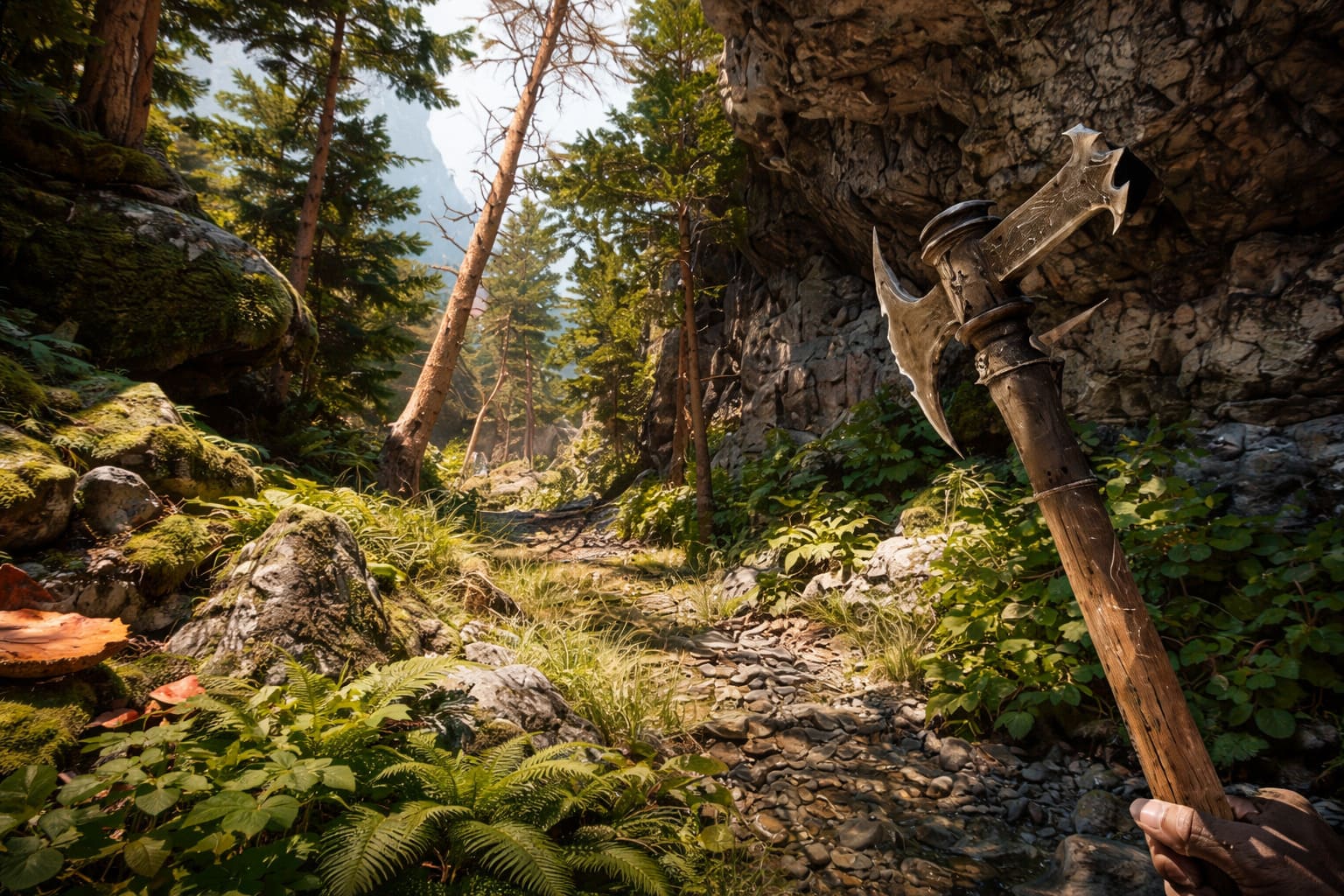
Simply put, they feel incredible.
Landing a fully charged greatsword strike or crushing an armored enemy with a massive hammer delivers a level of satisfaction few weapons can match.
Their advantages are obvious:
- Extremely high burst damage
- Powerful stagger effects
- Excellent crowd-clearing potential
- Strong guard-breaking capability
- Superior reach in many situations
The stagger mechanics deserve special attention.
In Fatekeeper, interrupting enemies can often be more valuable than raw damage. A staggered opponent isn’t attacking, blocking, or casting spells.
This means skilled players can effectively control encounters before they become dangerous.
The Commitment Problem
However, two-handed weapons come with a cost.
Every swing requires commitment.
Miss a heavy attack and you may find yourself:
- Out of stamina
- Vulnerable to counters
- Surrounded by enemies
- Forced into defensive recovery
The margin for error becomes much smaller, especially during fast-paced boss encounters.
Players who enjoy learning enemy patterns and executing precise punish windows will love this style. Those who prefer reactive gameplay may find it frustrating.
My Speedrunning Experience
After watching several early route optimizations and testing some strategies myself, I noticed an interesting trend.
The best speedrun weapon isn’t always the one with the highest damage.
Consistency matters.
Why One-Handed Weapons Feel Better for Most Runs
In standard speedrun routes, movement is everything.
One-handed weapons support this philosophy perfectly.
You can:
- Eliminate blocking enemies quickly
- Maintain momentum
- Recover from mistakes
- Adapt to unexpected situations
Most importantly, they reduce risk.
A safe run that reaches the final boss consistently is usually faster than a risky route that constantly resets.
Why Experts Love Two-Handed Weapons
At the highest level, things change.
Elite runners memorize every enemy placement and boss pattern.
Under those conditions, two-handed weapons become terrifyingly effective.
Experienced players can:
- Pre-charge attacks
- Chain stagger effects
- Skip mechanics
- End boss phases rapidly
The payoff is enormous.
The downside is obvious: one mistake can destroy the entire run.
Direct Comparison
| Category | One-Handed Weapons | Two-Handed Weapons |
|---|---|---|
| Attack Speed | Excellent | Slow |
| Recovery Frames | Fast | Long |
| Mobility | High | Moderate |
| Defensive Flexibility | Excellent | Limited |
| Burst Damage | Moderate | Excellent |
| Crowd Control | Good | Excellent |
| Stagger Potential | Moderate | Outstanding |
| Spell Synergy | Excellent | Poor |
| Beginner Friendly | Very High | Moderate |
| Speedrun Consistency | Excellent | Moderate |
| Boss Burst Potential | Good | Excellent |
The Builds That Impressed Me Most
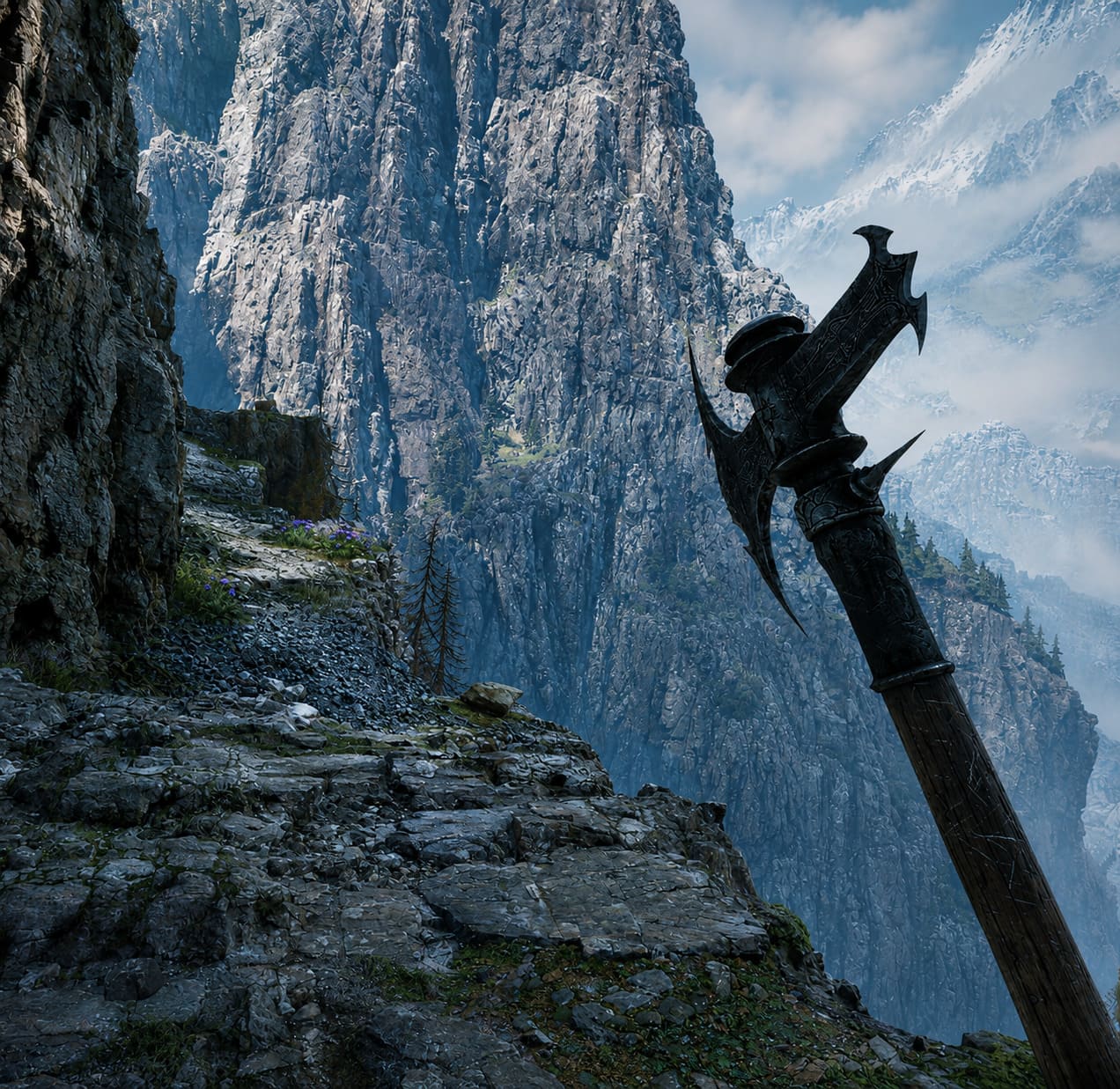
Hybrid Spellblade
This is easily my favorite setup so far.
The build combines:
- Fast one-handed sword
- Agility investment
- Elemental enhancements
- Defensive spellcasting
Combat feels fluid and adaptable.
Against aggressive enemies, you can stay mobile and punish mistakes. Against stronger foes, elemental buffs steadily increase damage output without forcing risky engagements.
Strength Juggernaut
This build represents the opposite philosophy.
Everything focuses on overwhelming force.
Core priorities include:
- Maximum strength scaling
- Large stamina reserves
- Heavy armor
- Massive two-handed weapons
The result is a character capable of turning elite enemies into target dummies through repeated stagger chains.
It requires greater mastery but rewards skilled execution with some of the most satisfying combat moments in the game.
Fatekeeper Melee Combat Stamina Guide: Advanced Stamina Management Tips to Win Every Encounter
Which Weapon Type Should You Actually Choose?
If a friend asked me for a recommendation today, I’d suggest one-handed weapons first.
Not because they’re stronger.
Not because they’re easier.
But because they allow players to experience more of Fatekeeper’s combat systems simultaneously.
You’ll learn enemy patterns, spell interactions, stamina management, and defensive timing without constantly being punished for every small mistake.
That said, once you understand encounter design and boss behavior, two-handed weapons become incredibly rewarding.
They’re not merely about dealing damage.
They’re about controlling the battlefield through fear, stagger pressure, and overwhelming force.
Fatekeeper Early Access Roadmap 2026: Future Updates, Gameplay, and Full Release Details
Final Verdict
After spending significant time with both archetypes, I don’t think Fatekeeper has a clear winner.
Instead, it offers two distinct philosophies.
One-handed weapons reward adaptability, precision, and tactical creativity. They’re reliable, versatile, and exceptionally effective throughout an entire playthrough.
Two-handed weapons reward confidence, encounter knowledge, and aggressive mastery. They’re riskier but capable of producing some of the fastest kills and most spectacular victories in the game.
For progression and consistent success, I’d personally choose a one-handed spellblade every time.
For pure fun and unforgettable combat moments, nothing beats watching a perfectly timed two-handed strike shatter an enemy’s defense and end a fight in a single devastating sequence.