Overwatch 2 Map Voting & Summit Update: Why Season 2 Feels Like a True Comeback
The launch of Overwatch Season 2: The Great Summit on April 14, 2026, feels like more than just another seasonal update—it feels like a philosophical reset.
Blizzard didn’t just tweak numbers or rotate maps; they fundamentally changed how players interact with the game before a match even begins.
As someone who has spent years bouncing between competitive shooters, MOBAs, and the occasional casual grind, I can confidently say this: map voting systems often shape the emotional tone of a match long before the first shot is fired.
And this new “Majority Rules” approach? It’s a bold move. One that removes frustration for some—and maybe removes a bit of chaos for others.
Long Gone Mavis Mechanics Guide – Battery Hunt & Exploration Tips
A Shift Away from RNG: Finally, Your Vote Matters
Let’s start with the biggest change—the death of the old weighted random system. Previously, map voting felt like spinning a roulette wheel. You could have nearly the entire lobby agreeing on a map, only for a single outlier vote to flip the outcome. It was rare, sure, but when it happened, it felt unfair.
Now, Blizzard has introduced a clear rule: if a map gets six or more votes in a standard lobby, it instantly wins. No randomness, no surprises. Just a straightforward majority decision.
From a player perspective, this feels incredibly satisfying. When you coordinate—even loosely—with teammates and secure that sixth vote, there’s a sense of control that simply didn’t exist before.
- Less frustration: No more losing to a 1% probability scenario
- More agency: Your vote has real weight
- Stronger social dynamics: Players naturally try to align choices
However, there’s a trade-off. The unpredictability that once made the system feel dynamic is mostly gone. If you loved those rare, chaotic outcomes, you might actually miss them.
The “Random Map” Button: A Quietly Genius Addition
At first glance, the new Random Map option seems like a simple addition—but in practice, it adds a surprising layer of strategy.
Imagine a scenario where two maps you dislike are close to securing a majority. Previously, you’d be forced to pick the lesser evil. Now, you can throw your vote into randomness and potentially disrupt the outcome.
This creates an interesting psychological dynamic:
- Players can protest the current choices
- Indecisive players have a safe fallback
- Late votes become more impactful than ever
From my experience in other games with voting systems, having a “wildcard” option often prevents stagnation. It ensures that the system doesn’t become too predictable—even within a majority-driven structure.
Attack vs. Defense Visibility: A Small Change That Feels Huge
This is one of those quality-of-life updates that doesn’t sound exciting on paper but makes a massive difference in practice. You can now see whether you’ll start on Attack or Defense during the voting phase.
Why does this matter? Because in a game like Overwatch, your hero choice—and even your entire team composition—can depend on which side you’re starting on.
With this change:
- Teams can plan earlier
- Hero picks become more intentional
- Pre-match coordination improves
It subtly shifts the game toward a more tactical experience, even in casual modes like Quick Play.
Competitive Rank Protection: Encouraging Exploration
One of the most interesting additions is the new “rank forgiveness” system tied to new or reworked maps. Traditionally, new maps come with a risk—you don’t know the angles, timings, or optimal strategies, and that uncertainty can cost you rank.
Blizzard’s solution is surprisingly player-friendly:
- Reduced rank loss when you lose on new maps
- Full rank gain when you win
This creates a rare scenario in competitive gaming: high reward with reduced risk.
As someone who enjoys learning new maps but hates tanking rank in the process, this change feels like a breath of fresh air. It encourages experimentation without punishing curiosity.
Map Recency Tweaks: Keeping the Rotation Alive
Another subtle but important change lies in how the game handles map rotation behind the scenes. Previously, maps that didn’t get votes could disappear for extended periods, while others dominated the pool.
Now, Blizzard has adjusted the system so that:
- Maps that receive some votes are more likely to reappear
- Only completely ignored maps get heavily deprioritized
This helps maintain variety without forcing unpopular maps into every session. It’s a smart balance between player preference and content diversity.
Old vs. New System Comparison
| Feature | Old System (2025) | New System (2026) |
|---|---|---|
| Selection Logic | Weighted RNG | Majority Rules (6+ votes = win) |
| Player Control | Limited | High |
| Map Options | 3 choices | 3 + Random option |
| Starting Side Info | Hidden | Visible (Attack/Defense) |
| New Map Risk | Full penalty | Reduced loss penalty |
The Meta Shift: “Undeniable Majority” Playstyle
What fascinates me most is how this system changes player behavior. We’re already seeing the emergence of what I’d call the “Undeniable Majority Meta”.
Instead of silently voting, players now actively try to influence others. Even minimal communication—like a quick “King’s Row?” in chat—can swing the outcome.
Here’s how to adapt:
- Coordinate early: Even a small group can secure a majority
- Watch vote trends: Late decisions matter more than ever
- Use Random strategically: It’s your escape button
This transforms voting from a passive system into a mini social game.
The Downsides: Are We Losing Variety?
Of course, not everything is perfect. There’s a valid concern that popular maps will dominate the rotation. When six votes guarantee a win, fan-favorites could become the default experience.
This could lead to:
- Less exposure to niche or experimental maps
- Repetitive gameplay sessions
- A shrinking effective map pool
As someone who enjoys variety, this is my biggest worry. The old system’s randomness, while frustrating, occasionally forced players out of their comfort zones.
Control vs. Chaos
At its core, this update represents a trade-off between control and unpredictability. Blizzard has clearly chosen control—and for the majority of players, that’s probably the right call.
Personally, I love having more influence over my matches. It makes each game feel intentional rather than accidental. But I can’t deny that a small part of me will miss those rare, chaotic moments when the unexpected happened.
Still, if the goal was to make the system feel fairer, more transparent, and more engaging, Blizzard absolutely nailed it.
The question now is simple: will players embrace this new structured approach, or will they start to miss the wild unpredictability of the past?
Overwatch Reborn: Why Season 2 “Summit” Feels Like a True Comeback
I’ve spent years jumping between competitive shooters, hero-based chaos, and the occasional story-driven break, but there’s something about Overwatch that always pulls me back in. Maybe it’s the personality of the heroes, maybe it’s the team synergy, or maybe it’s just the nostalgia.
Either way, Season 2: Summit doesn’t just feel like another update—it feels like a statement. Dropping the “2” and going back to simply “Overwatch” isn’t just branding. It’s Blizzard saying: “We’re resetting expectations.” And honestly, after diving into everything this season offers, I kind of get it.
A New Identity: Overwatch Drops the “2”
Rebranding a live game is risky, but here it actually works. The shift back to “Overwatch” feels symbolic of a broader design philosophy—less fragmentation, more cohesion. Instead of trying to constantly prove it’s a sequel, the game is now leaning into being a living platform. From a player perspective, that’s refreshing. It feels less like starting over every year and more like evolving something that already has strong foundations.
The introduction of the “Majority Rules” map system is part of that identity shift. Matches now feel more democratic in structure, subtly changing how players experience rotations and pacing. It’s not revolutionary on paper, but in practice it adds a layer of unpredictability that keeps sessions from feeling repetitive.
Sierra: A Damage Hero That Actually Feels Fresh
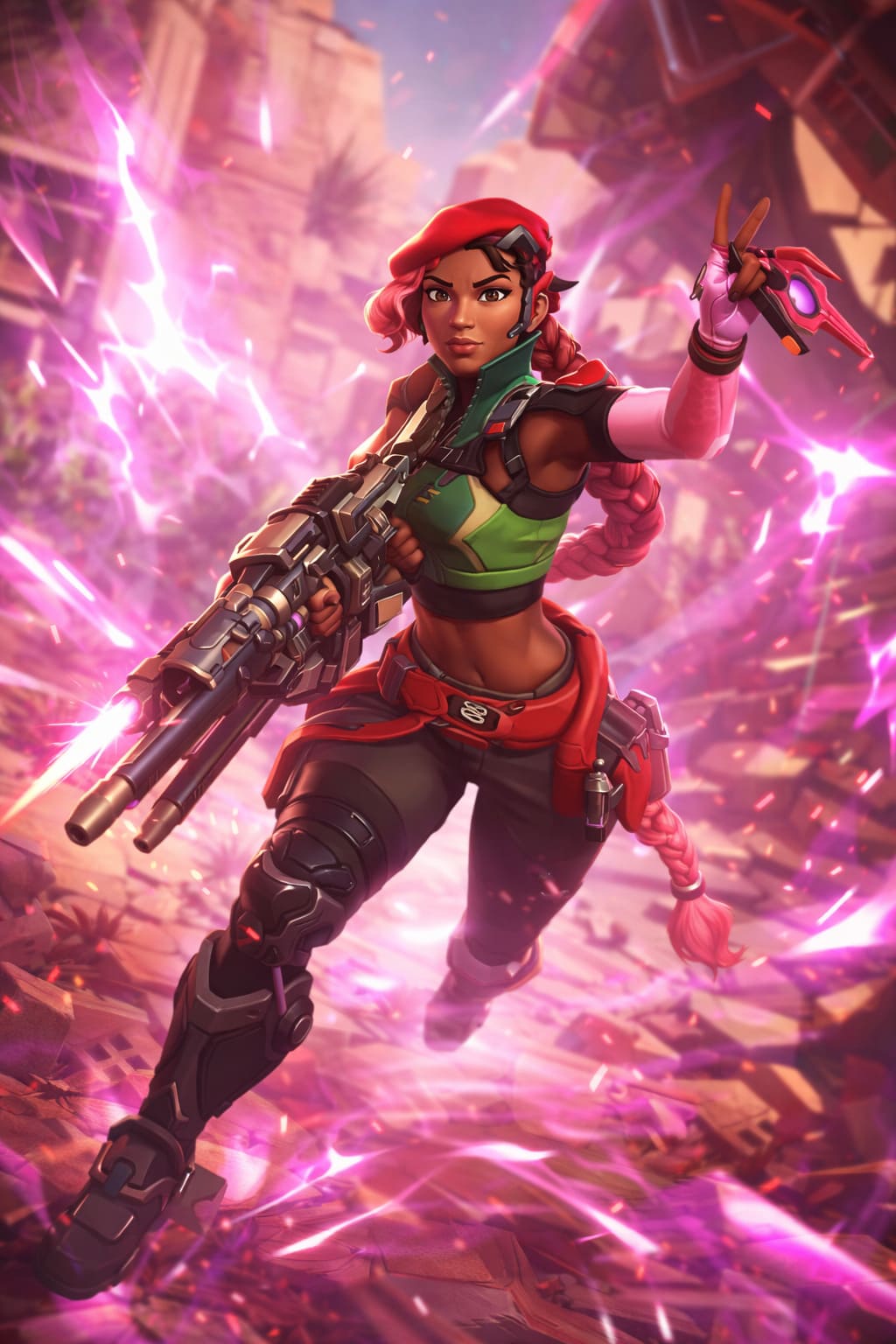
Let’s talk about Sierra, because she’s clearly the centerpiece of the season. New heroes can sometimes feel like slight variations of existing kits, but Sierra stands out in a way that reminds me of when Echo first dropped—high skill ceiling, tons of mobility, and endless room for creative plays.
Her design is all about space control through movement. She thrives in vertical engagements, but she’s not limited to them. The best way I can describe her is: she punishes hesitation. If you’re not actively tracking her positioning, she’ll dismantle your backline before you even realize what happened.
- Playstyle: Hyper-mobile, pressure-oriented Damage hero
- Strength: Controls both vertical and horizontal zones effectively
- Skill Ceiling: High, but incredibly rewarding
- Best For: Players who enjoy aggressive flanking and map awareness
There’s also a limited-time event tied to her, running until May 4, which adds a bit of narrative flavor. Unlocking lore about Sierra and the Grand Mesa location gives context that the game has been missing lately. It’s a small touch, but for longtime fans, it matters.
Mythic Cosmetics: Style Meets Identity
Cosmetics in Overwatch have always been more than just skins—they’re part of how players express themselves. Season 2 leans heavily into that with a dual Mythic offering that caters to two very different aesthetics.
| Hero | Cosmetic | Theme |
|---|---|---|
| Soldier: 76 | Volted Overdrive (Skin) | Cybernetic supersoldier with electric effects |
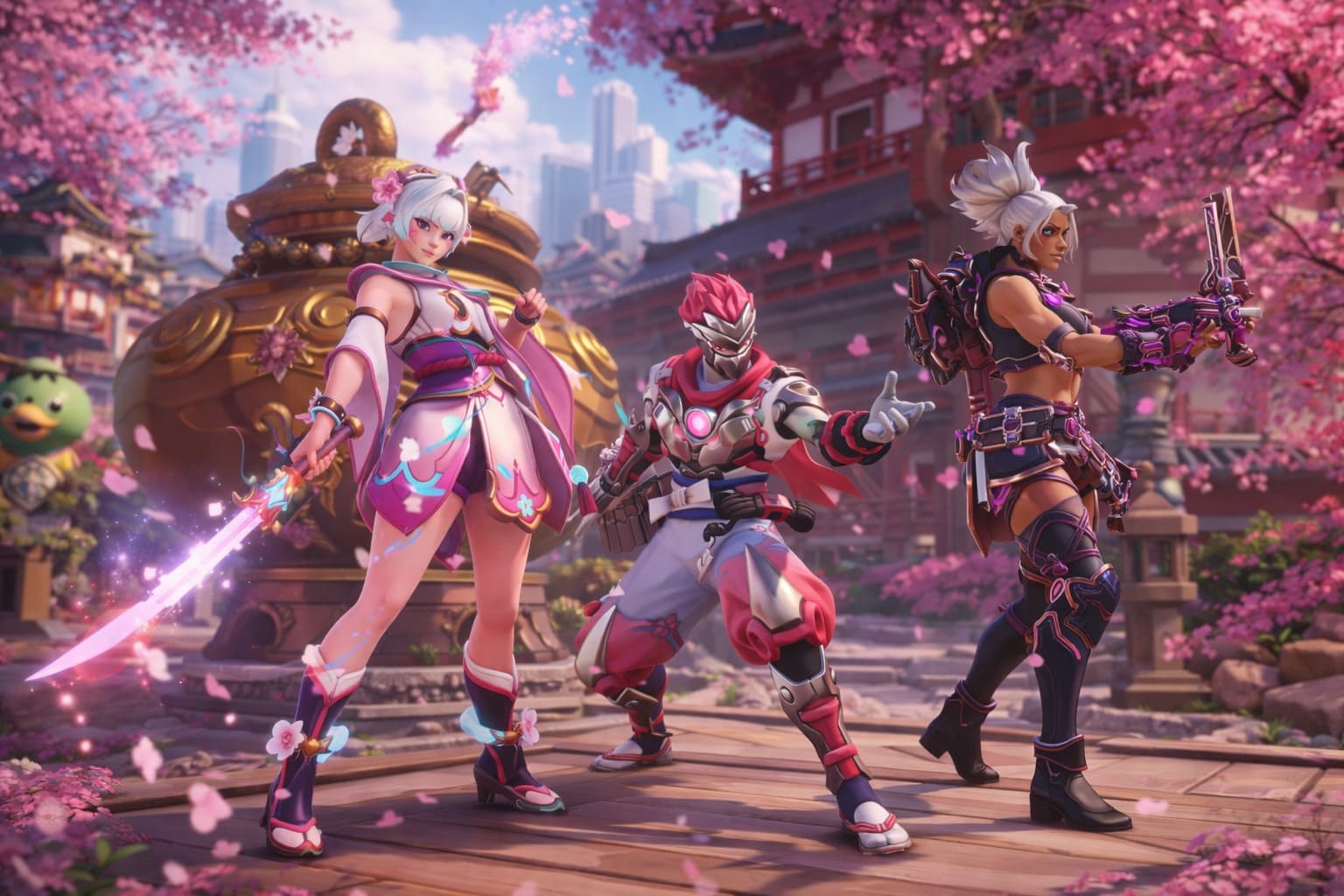
| Genji | Sumi-ichimonji (Weapon Skin) | Traditional Japanese calligraphy meets cyber-ninja |
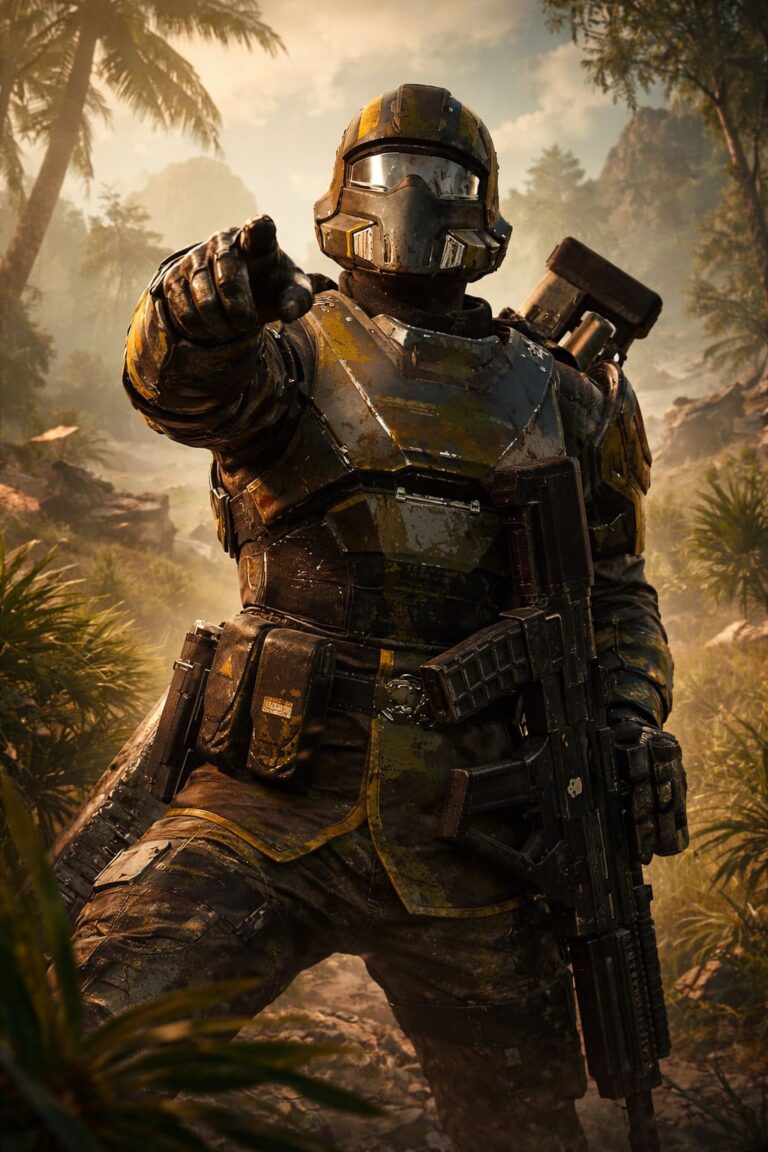
The Soldier: 76 Mythic skin is exactly what you’d expect—in a good way. It leans hard into that enhanced-soldier fantasy, with glowing energy effects that make every movement feel impactful. Meanwhile, Genji’s weapon skin is surprisingly elegant.
The sumi-e inspiration gives it a refined, almost artistic feel, which contrasts beautifully with his fast-paced gameplay.
Personally, I love when games mix futuristic and traditional design elements, and this season nails that balance.
Gameplay Changes That Actually Matter
Now here’s where things get interesting. Beyond the flashy additions, Season 2 brings meaningful gameplay adjustments that impact how matches unfold.
The perk system overhaul is probably the biggest one. Instead of keeping certain bonuses as passive add-ons, Blizzard is integrating them directly into hero kits. This makes characters feel more complete and reduces the need to “build” effectiveness over time.
- Lifeweaver: Gains Cleansing Grasp as a base ability
- Mercy: Receives Flash Heal integration
These changes streamline gameplay and make supports feel more impactful right out of the gate. There’s less ramp-up time, which is great for faster-paced matches.
Then there are the Stadium mode adjustments. Some heroes, like Ramattra and Juno, have been reworked specifically for this format. It’s clear Blizzard is trying to make Stadium feel like a fully supported mode rather than a side experiment.
Balance tweaks also deserve mention. D.Va’s improved survivability against beam damage—especially in matchups against Zarya—finally addresses a long-standing frustration. On the flip side, Cassidy’s reduced Stadium Cash gain feels like a necessary nerf to keep things fair.
Seasonal Content and Events
Season 2 isn’t just about mechanics—it’s also packed with thematic content that keeps things visually and culturally engaging.
The Spring Fairy battle pass theme is one of the more whimsical additions we’ve seen in a while. Heroes like Ashe, Echo, and Moira get designs that lean into fantasy aesthetics, complete with elf-like features. It’s a nice contrast to the more intense cybernetic elements elsewhere in the season.
There’s also a mix of collaborations and returning favorites:
- Diablo crossover content
- Le Sserafim skins returning (April 14–27)
- Painter Sierra skin in the Ultimate Battle Pass
These kinds of crossovers can sometimes feel gimmicky, but here they’re integrated well enough that they don’t break immersion.
The Return of MVP Voting
One of the most underrated changes this season is the return of post-match accolades and MVP voting. It might seem small, but it adds a layer of recognition that competitive games thrive on.
There’s something satisfying about being acknowledged by your team (or even your opponents) after a strong performance. It encourages better play and adds a social dimension that had been missing.
Final Thoughts: A Step in the Right Direction
If I had to sum up Season 2: Summit in one sentence, it would be this: it feels like Overwatch finally knows what it wants to be again. The rebranding, the hero design, the gameplay tweaks—they all point toward a more unified experience.
Is everything perfect? Not quite. Some balance changes will need further tuning, and not every player will love the new systems. But compared to previous updates, this one feels confident. It’s not trying to reinvent the wheel—it’s refining it.
As someone who plays a wide range of games, from tactical shooters to chaotic multiplayer sandboxes, I can say this: Overwatch is fun again in a way that feels sustainable. And in today’s gaming landscape, that’s not something you can take for granted.