Fatekeeper Melee Combat Stamina Guide: Advanced Stamina Management Tips to Win Every Encounter
When I first launched Fatekeeper on Steam Early Access, I expected another brutal first-person fantasy game where raw aggression wins most fights. After a few hours getting destroyed by random bandits, cornered by skeleton mobs, and repeatedly dying because my character couldn’t even lift his sword anymore, I realized something important: Fatekeeper is not really about damage. It’s about stamina control.
And honestly, that’s exactly why I’m enjoying it so much.
A lot of modern action RPGs let players survive by panic rolling, spamming attacks, or abusing healing systems. Fatekeeper feels different. The combat has weight. Every swing matters. Every missed parry hurts. If you waste your stamina bar at the wrong moment, the game punishes you instantly.
After spending a ridiculous amount of time experimenting with melee builds, reading Steam discussions, watching gameplay breakdowns, and testing different weapons myself, I’ve reached one conclusion: players who learn stamina management early will dominate the game later.
So if you’re struggling with exhausting your stamina during fights, here’s the guide I genuinely wish I had during my first few hours.
Fatekeeper Combat Is Built Around Rhythm, Not Speed
The biggest mistake new players make is treating Fatekeeper like a traditional hack-and-slash game.
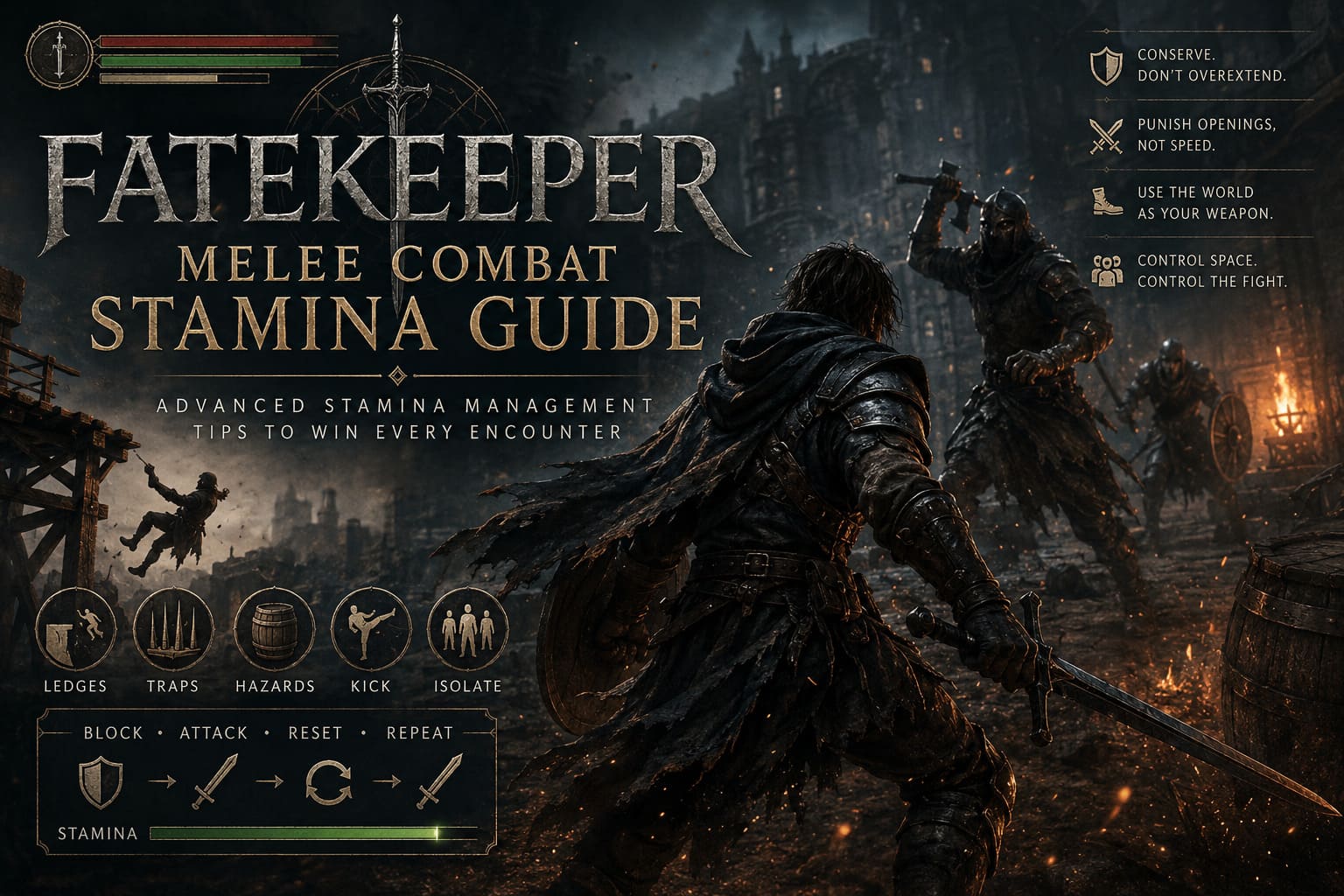
That approach gets you killed fast.
The combat system feels closer to an immersive sim mixed with a tactical dueling game. Enemies react aggressively to overextensions, and the moment your stamina hits zero, your entire character basically falls apart.
You stop controlling the fight.
Your attacks lose impact, your blocks become unreliable, and even weaker enemies suddenly become dangerous. The game intentionally wants players to slow down and think before committing.
What surprised me most is how much easier the combat became once I stopped trying to kill enemies quickly.
Instead, I started focusing on:
- spacing,
- positioning,
- stamina preservation,
- environmental kills,
- and punishing openings instead of forcing damage.
The difference was night and day.
Stop Swinging First — Let Enemies Make the Mistake
One habit completely changed how I approached melee combat.
I stopped attacking first.
At first this sounds counterintuitive because most RPGs reward aggression. Fatekeeper punishes it. If you throw out multiple swings hoping to stagger an enemy, you’ll usually drain your stamina before the fight even properly starts.
Now I enter fights defensively.
I walk into range carefully and watch enemy animations. Most opponents telegraph their attacks more than people realize. Once you learn their timing, fights become dramatically easier because you’re only spending stamina during guaranteed punish windows.
This does two important things:
- You conserve stamina naturally.
- Your hits actually matter because they land during vulnerable recovery frames.
In my experience, reactive playstyles are significantly stronger than reckless aggression in Fatekeeper’s current Early Access build.
The “Block Reset” Technique Feels Almost Mandatory
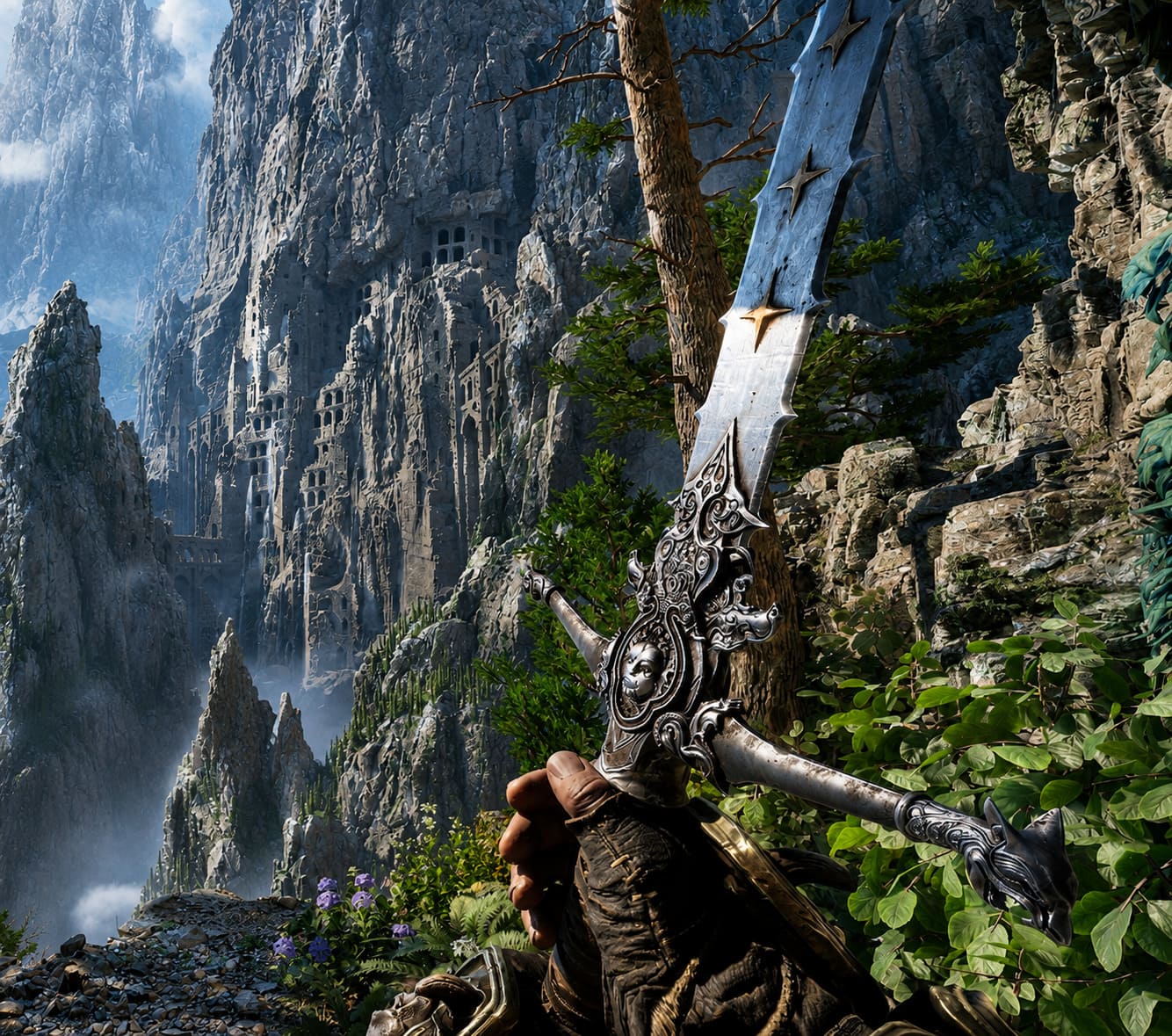
This is probably the most useful stamina trick I discovered.
A lot of players noticed that continuous attack chains completely halt stamina regeneration. If you mash light attacks nonstop, your stamina disappears incredibly fast.
But there’s a workaround.
If you briefly transition into blocking between swings, the game allows tiny regeneration windows to trigger. The stamina recovery isn’t huge, but over longer fights the difference becomes massive.
Here’s the basic flow:
- hold block,
- perform one light attack,
- briefly reset posture,
- attack again,
- repeat rhythmically.
Once I got comfortable with this timing, my survivability improved immediately.
Without using this technique, I could maybe sustain several attacks before exhausting myself. With proper rhythm management, I stayed aggressive much longer without completely draining my bar.
Honestly, it almost feels like Fatekeeper rewards disciplined swordsmanship rather than frantic clicking.
And I kind of love that.
Environmental Kills Are Overpowered — Use Them Constantly
One thing that makes Fatekeeper stand out from other dark fantasy RPGs is its sandbox physics system.
The environment is basically another weapon.
Instead of wasting stamina trying to brute-force every encounter, start abusing:
- ledges,
- spike traps,
- fire hazards,
- loose objects,
- explosive barrels,
- narrow hallways.
The kick mechanic alone is insanely valuable.
A simple kick costs far less stamina than heavy attacks, yet it can instantly remove enemies from fights if positioned correctly. I’ve kicked armored enemies into traps, shoved undead off cliffs, and interrupted dangerous elites before they could swing.
Some of my easiest victories came from barely using my sword at all.
That’s when Fatekeeper started reminding me of classic immersive fantasy games where creativity matters more than stats.
If you’re struggling with stamina management, environmental control is honestly one of the best solutions available right now.
Fighting Multiple Enemies Is Where Most Players Collapse
One-on-one combat is manageable.
The real problem starts when enemies surround you.
This is where stamina disappears incredibly fast because you begin panic dodging, spam blocking, and overreacting to pressure. I learned quickly that trying to fight groups head-on is almost always a bad decision unless your build is heavily optimized.
Now I isolate enemies whenever possible.
A few methods work extremely well:
| Strategy | Why It Works |
|---|---|
| Doorway funneling | Prevents enemies from surrounding you |
| Stealth openings | Removes one target before combat begins |
| Crowd control magic | Gives breathing room for stamina recovery |
| Retreat positioning | Forces enemies into predictable movement |
| Vertical terrain abuse | Breaks enemy pathing and spacing |
The corridor strategy especially saved me countless times. If enemies can only approach one at a time, your stamina consumption drops dramatically because you’re defending fewer angles.
This alone can make difficult encounters feel manageable.
Heavy Armor Isn’t Always Worth It
I originally assumed tank builds would dominate melee combat.
After testing heavier setups, I’m not so sure anymore.
Heavy armor absolutely increases survivability, but the stamina penalties can become brutal depending on your weapon choice. Large two-handed weapons already consume huge amounts of endurance, and combining them with bulky armor often leaves you exhausted after only a few exchanges.
Right now, medium-load builds feel strongest to me.
A balanced one-handed sword combined with lighter armor provides:
- faster recovery,
- better mobility,
- safer repositioning,
- lower stamina costs,
- more consistent survivability.
The game heavily rewards movement efficiency. Sometimes avoiding damage entirely is far more valuable than tanking hits behind a shield.
This might change later during Early Access balancing, but currently I think agile melee builds feel significantly smoother.
Fatekeeper Early Access Roadmap 2026: Future Updates, Gameplay, and Full Release Details
Consumables Are More Important Than Players Think
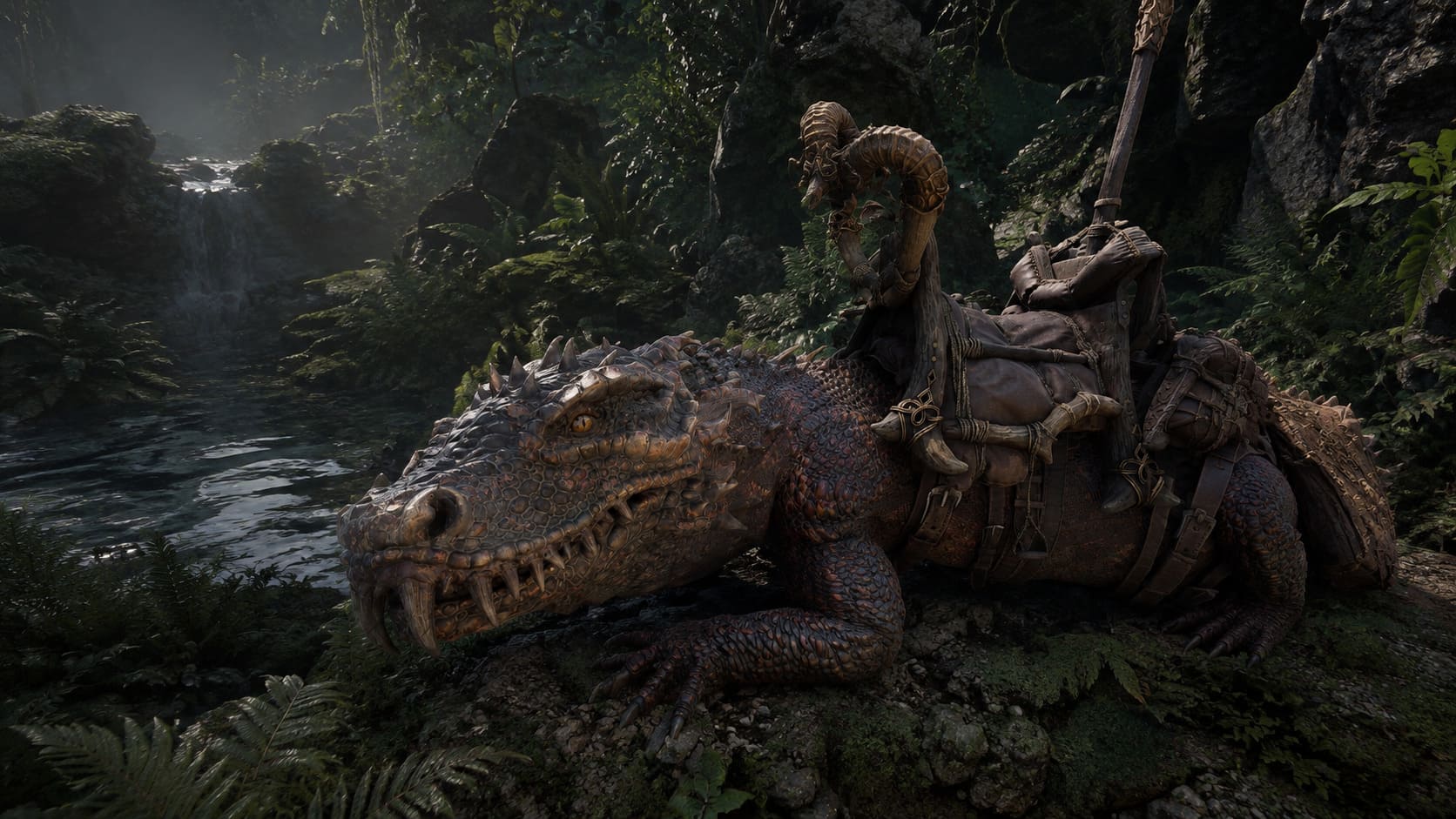
A lot of players hoard potions early.
Don’t.
Fatekeeper’s stamina economy becomes much easier once you start actively using consumables instead of saving them forever. Certain stamina restoration items can completely stabilize difficult fights before they spiral out of control.
I also noticed several hidden debuffs drastically reducing recovery speed during dungeon runs. Poison, curses, fatigue effects, and environmental hazards can quietly cripple your stamina regeneration without being immediately obvious.
Now I always carry:
- stamina potions,
- recovery elixirs,
- food buffs,
- cleanse items,
- emergency healing supplies.
It sounds basic, but preparation matters a lot in this game.
Going into difficult zones without proper consumables feels like intentionally handicapping yourself.
My Favorite Part of Fatekeeper So Far
What I genuinely appreciate about Fatekeeper is that combat rarely feels mindless.
Even messy fights have this tense rhythm where spacing, patience, and resource control matter constantly. The stamina system forces players to think carefully instead of relying on pure reflexes or overpowered gear.
And when you finally survive a brutal encounter while perfectly managing your stamina bar, timing your blocks correctly, and using the environment intelligently, the payoff feels incredible.
That’s the kind of combat design I’ve missed in modern fantasy RPGs.
Sure, the Early Access version still has rough edges. Enemy AI occasionally behaves strangely, balancing definitely needs work, and some encounters feel overtuned. But beneath those issues, there’s an incredibly satisfying combat foundation already visible.
If Paraglacial continues refining the stamina system instead of simplifying it, Fatekeeper could easily become one of the most memorable first-person fantasy RPGs in years.
For now, my biggest advice is simple:
Slow down.
Stop panic attacking.
Treat stamina like your real health bar.
Once you understand that mindset, Fatekeeper becomes far less frustrating — and far more rewarding.