How to Survive a Manhunt: Advanced Weapon Mods and Expert Co-op Strategies in Intravenous 3
There’s something instantly different when you boot up. If you’ve played the earlier entries, you expect to be the predator — stalking enemies, controlling engagements, dictating the pace. This time? Not even close.
You’re being hunted. Constantly.
And honestly, that shift is what makes this game hit so hard.
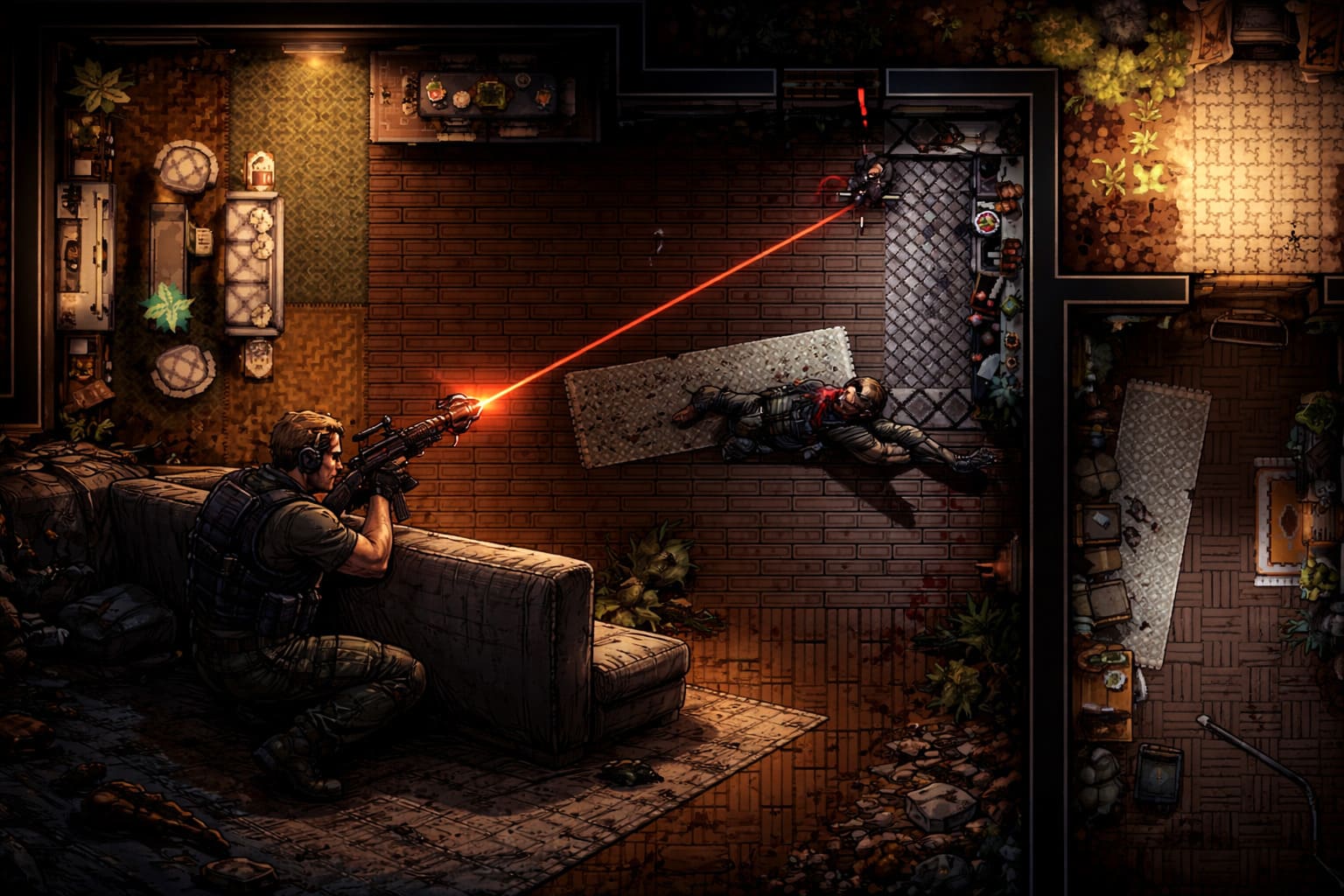
I’ve spent a good chunk of time experimenting, failing, retrying, and occasionally pulling off something that felt incredibly satisfying. So this isn’t just a breakdown of mechanics — it’s a real-player perspective on what actually works when the AI is breathing down your neck.
Ironfront Express Module Synergy List: Ultimate Turret Guide & Smart Upgrades
The Core Truth: You Survive by Being Invisible
If there’s one thing you need to accept early, it’s this:
You’re not stronger than the AI — you’re smarter (if you play it right).
The visibility and sound systems aren’t just features — they are the gameplay.
What actually matters:
- Light is your biggest enemy
- Sound is your biggest mistake
- Movement is your biggest giveaway
You feel the difference immediately. Walking through a lit hallway feels like asking to get shot. Staying in darkness? That’s where the game clicks.
My take on light & stealth:
I started playing aggressively out of habit — big mistake. Once I switched to breaking lights, cutting power, and sticking to shadows, the game slowed down in a good way. It becomes more tactical, almost like a puzzle.
Pro tip: If you have Night Vision Goggles, darkness becomes your weapon — not just cover.
Sound Design Is Brutal (In a Good Way)
This game punishes noise in a way most stealth games pretend to.
- Running = basically shouting “I’m here”
- Shooting (even suppressed) = still risky
- Panic movement = death sentence
And then there’s that wild feature:
Your real microphone can make in-game noise.
At first, it sounds like a gimmick. Then you realize you can bait enemies with actual sound. It’s chaotic, but also kind of genius.
Loadouts: Your Playstyle Defines Your Survival
One thing I genuinely love is how gear isn’t just “better or worse” — it’s trade-offs.
| Playstyle | Pros | Cons |
|---|---|---|
| Heavy Gear | Can survive firefights | Slow, loud, less flexible |
| Light Stealth | Fast, silent, adaptable | Almost zero margin for error |
| Balanced | Flexible approach | Not exceptional at anything |
What I personally recommend:
Start light. Seriously. You’ll die fast, sure — but you’ll learn faster. Once you understand how enemies react, then you can experiment with heavier builds.
Gear that actually stands out:
- Night Vision Goggles — borderline essential
- Suppressors — useful, but not magic
- Light armor — enough to survive a mistake, not ruin mobility
Combat: When Things Go Wrong (And They Will)
Let’s be honest — stealth will fail at some point. And when it does, the game doesn’t suddenly become a shooter power fantasy. It becomes survival horror with guns.
What I learned the hard way:
- Never stay in one spot too long
- AI will flank you — fast
- Shotgun enemies are pure nightmare fuel
Seriously — shotguns in this game are terrifying. If one gets close, it’s usually over.
What actually helps in fights:
- Flip tables for cover (simple, but effective)
- Use vents to escape pressure
- Keep moving — always reposition
Camping is punished hard. The game adapts to you.
The AI Is Smarter Than You Think
This is probably the biggest jump from previous games.
Enemies:
- Coordinate
- Search intelligently
- React to your patterns
It’s not just “find and shoot.” It’s more like: “Track, predict, surround, eliminate.”
And yeah — sometimes it feels unfair. But when you outplay it? That’s where the satisfaction is.
Co-op Changes Everything
This is one of the best additions, hands down. Playing solo is intense. Playing co-op? It becomes something else entirely.
What works best in co-op:
- One player scouts, the other executes
- Split attention of enemies
- Create distractions intentionally
I tried a run where my partner caused noise on one side while I moved through shadows on the other — it felt like a movie scene.
Environmental Awareness Is Your Lifeline
You’re not just moving through levels — you’re using them.
Things I didn’t appreciate enough early on:
- Vents = safe zones
- Vertical movement = huge advantage
- Darkness pockets = survival zones
Small tricks that matter:
- Throw objects to distract enemies
- Break line of sight before hiding
- Always think: “Where do I go if this goes wrong?”
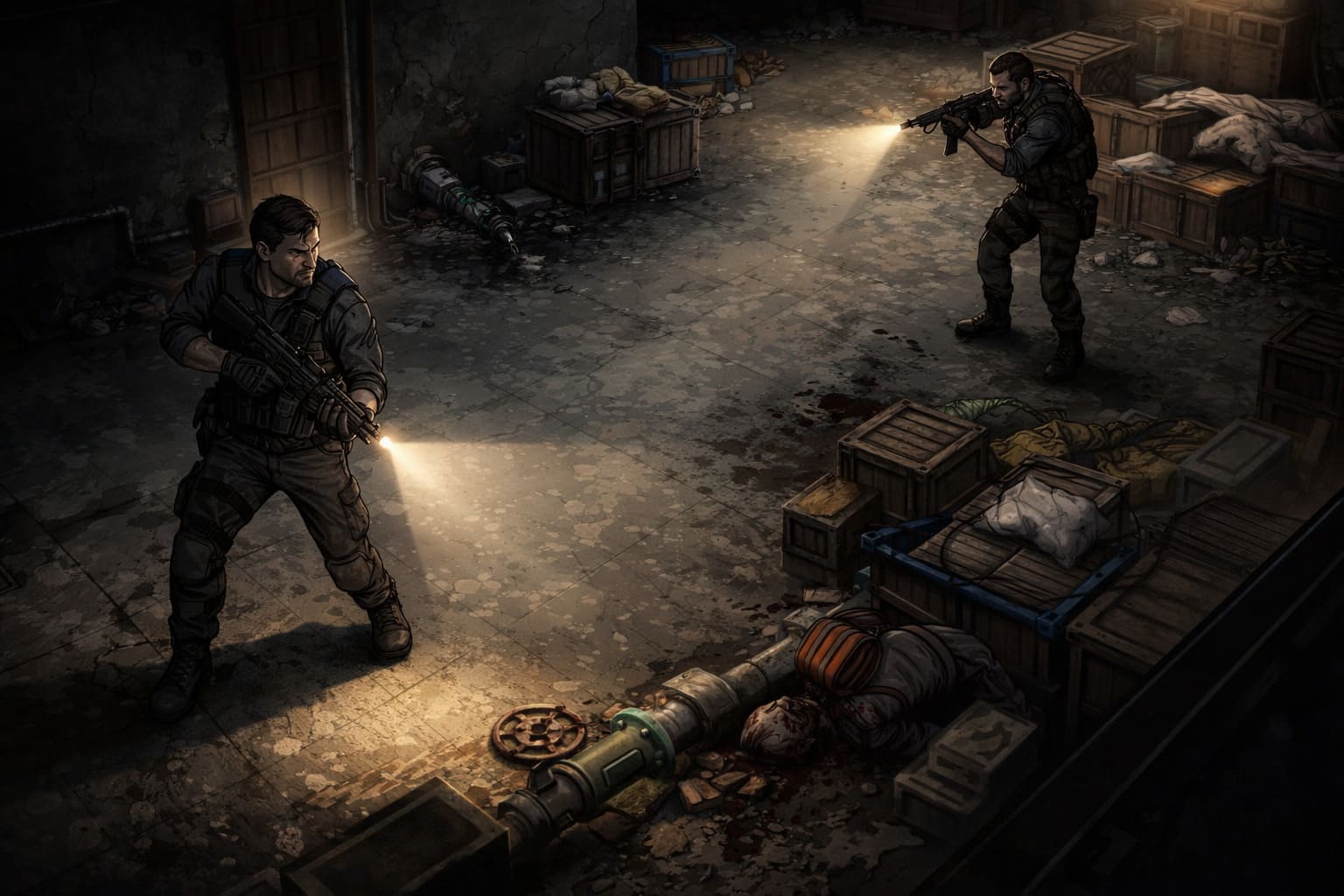
Community Tricks That Actually Work
After checking what other players are doing, some patterns show up:
The most useful habits:
- Hide bodies — leaving them out escalates everything
- Use vents when overwhelmed — still works, still strong
- Watch your armor — once it’s gone, you’re basically one shot away from death
Nothing groundbreaking, but together? They make a huge difference.
What Makes Intravenous 3 Stand Out
After spending time with it, I think what really makes this game special is this:
It forces you to adapt, not dominate.
You’re constantly adjusting:
- To AI behavior
- To your mistakes
- To the consequences of earlier missions
And that last part is important — your actions actually shape what happens next. Go loud early? Expect harder exits later.
It’s Not About Winning — It’s About Surviving
If you go into :contentReference[oaicite:1]{index=1} expecting a typical tactical shooter, you’ll struggle. If you treat it like:
- A stealth sandbox
- A survival challenge
- A thinking player’s game
Then it really shines. It’s tense, sometimes frustrating, but also incredibly rewarding when everything clicks.
And honestly? That feeling of slipping through darkness while enemies search just a few feet away… That’s what makes this game unforgettable.
Mastering Intravenous 3: Advanced Weapon Mods and Expert Co-op Strategies
If you’re diving into Intravenous 3, you already know that survival isn’t just about shooting straight. The real game-changer comes from how you customize your gear and coordinate with your team—especially when tackling the hardest difficulties. I’ve spent countless hours experimenting with weapons, stealth, and co-op tactics, and here’s my take on what really works.
Weapon Customization: Ghost vs. Panther Playstyles
One of the coolest aspects of Intravenous 3 is how flexible the weapon system is. You can tailor your guns to a quiet “Ghost” approach or a loud, aggressive “Panther” strategy. Choosing the right combination is more than aesthetic—it can literally decide whether you survive an encounter or get wiped out instantly.
Muzzles & Barrels
- Suppressors – Great for stealth runs. Don’t be fooled though: suppressed gunfire is not invisible to ears. Expect your shots to carry 40–60 meters. Ideal for sneaking past guards but not for going full silent ninja.
- Match Barrels – If precision is your thing, these are perfect. Rifles like the AR15 or G36C become pinpoint accurate at medium to long range. A must for overwatch or defensive positions.
Optics & Sights
- Scopes (4X or higher) – Now compatible with more weapons, including the Model 700. Perfect for sniping in open areas or taking out patrolling guards from a safe distance.
- Laser Sights – Boost your hip-fire efficiency in hectic firefights. Even in “Panther” mode, a laser can be the difference between landing a crucial shot or getting knocked down.
Ammunition & Rounds
- Subsonic Rounds – When paired with a suppressor, these reduce noise significantly, though you may sacrifice some muzzle velocity. Perfect for Ghost runs.
- Slugs for Shotguns – Increase range and armor penetration. Don’t underestimate a shotgun with slugs in mid-range combat—it can turn any room into a massacre zone.
Specialty Stealth Tools
- EMP Pistol – Disables cameras and electronic locks silently. Game-changing for Ghost-style approaches.
- Noisemakers / Empty Mags – Essential for baiting guards or manipulating patrol routes. I often use these as part of an ambush strategy, and they never fail to keep AI off-balance.
Pro Co-op Tactics for Hard Difficulties
Co-op changes everything. Enemy health scales, damage spikes, and AI gets way more aggressive. On “True” or “Nightmare” difficulties, sloppy teamwork is instant death. Here’s how I tackle it:
Host Scaling Trick
When playing with friends, the player with the lowest gear score should host the session. Enemies scale to the host’s level, which can prevent a lower-level teammate from getting one-shot in the opening hallway. It’s a subtle trick but huge for survival.
Define Roles
Setting clear roles prevents chaos:
| Role | Gear & Weapon | Main Objective |
|---|---|---|
| Point Man | Heavy armor, Shotgun/SMG | Lead rooms, absorb damage, neutralize enemy shotgunners |
| Infiltrator / Scout | Light armor, NVGs | Scout ahead, disable electronics, move silently |
Leapfrogging & Ambush
On high difficulties, AI is aggressive and intelligent:
- One player can lure enemies using Noisemakers or microphone bait.
- The second player waits in a kill zone (cover, vent, or shadow) for maximum effect.
- Vents are underrated safety zones—AI almost never checks them. If spotted, retreating here is often the difference between life and death.
Body Management
On co-op, leaving bodies around triggers Code Red states faster. Always hide bodies in shadows, containers, or under objects. One player secures the next room while the other handles clean-up. This is a small detail that often separates pro teams from the amateurs.
Ghost Achievement Tips
For those chasing 100% completion:
- Using certain gadgets, like NVGs, or even dropping weapons, can disqualify Ghost or Professional Boxer achievements on high difficulties.
- Always double-check mission objectives before committing to a loud loadout. Sometimes the quietest player wins the game, even if they deal the least damage.
Personal Takeaways
From countless sessions, here’s what I’ve learned:
- Stealth is king – Even on Panther-friendly setups, sneaking gives more control than raw firepower.
- Communication beats skill – In co-op, a well-coordinated duo can take on enemies much higher level than them.
- Experiment with mods – Small changes like switching ammo or adding a laser can drastically change your performance in a firefight.
The combination of weapon mastery and team tactics makes Intravenous 3 one of my favorite modern co-op shooters. Every time I switch up loadouts or try a new role, it feels like a fresh challenge.
Final Thoughts
Whether you’re a Ghost-style silent operator or a Panther-style aggressive marauder, weapon mods and co-op coordination are where the game truly shines. Intravenous 3 isn’t just about shooting—it’s about thinking, planning, and executing with precision. Nail your gear, define your roles, and you’ll conquer even the toughest missions with style.