Luminary Game 2026: Steam Deck Support, PC Crossplay, and Full Co-Op Details
If you’ve played enough action RPGs over the years, you’ve probably noticed the same pattern I have. Many games either go all-in on brutal difficulty, demanding dozens of hours just to stay competitive, or they swing too far in the opposite direction and become forgettable after a weekend. Luminary immediately caught my attention because it seems to land somewhere in the middle. After following its development, trying the demo, and comparing it with countless indie and AAA RPGs I’ve played over the years, I honestly think it has a chance to become one of the biggest indie surprises of 2026.
Launching into Steam Early Access on August 11, 2026, Luminary comes from Refractive Entertainment, a tiny two-person studio that somehow delivers visuals and gameplay ideas that feel much larger than you’d expect. What impressed me most wasn’t flashy graphics or cinematic trailers—it was how the game respects the player’s time while still offering meaningful progression. That’s something I wish more modern RPGs understood.
Luminary Mining Job & Economy Guide: How to Make Gold Fast (Refractive Entertainment)
Why Luminary Immediately Stands Out
The fantasy RPG market is crowded. Every year brings another open-world adventure promising hundreds of hours of exploration, dozens of skill trees, and endless crafting systems. Eventually many of those mechanics start feeling like chores instead of entertainment.
Luminary takes a different route. Instead of trying to overwhelm players with endless checklists, it focuses on accessible exploration, satisfying combat, and cooperative progression. The world still feels expansive, but every activity seems designed with purpose rather than simply increasing playtime.
As someone who’s spent years jumping between games like Diablo, Monster Hunter, Elden Ring, Valheim, and countless indie RPGs, I appreciate when developers know exactly what experience they want to create instead of trying to imitate everything that’s popular.

A Fantasy World That Encourages Exploration
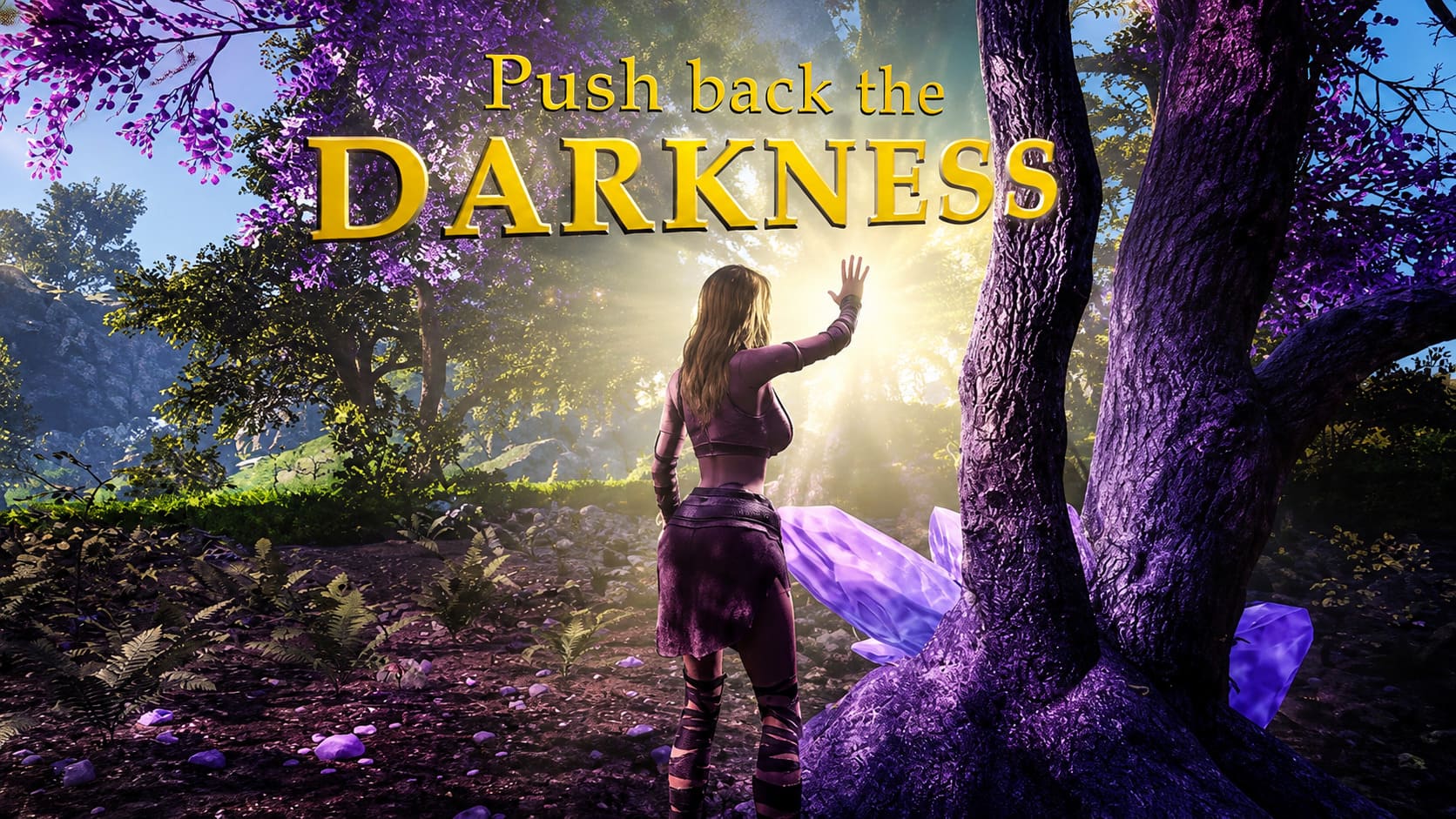
The story revolves around warriors capable of channeling an ancient inner light to fight corrupted rulers known as the Ebonarchs. These immortal enemies control different regions through mysterious abyssal powers, forcing players to venture across dangerous landscapes to weaken their influence.
Rather than rushing from objective marker to objective marker, exploration feels rewarding because nearly every area hides something useful. The game encourages curiosity, and that is something many modern open-world adventures often forget.
- Rare weapons
- Hidden treasure caches
- Crafting materials
- Upgrade resources
- Secrets that improve your settlement
The handcrafted approach gives each zone its own identity instead of relying on procedural generation. Personally, I always prefer carefully designed environments over randomly assembled maps, especially in RPGs where exploration is supposed to create memorable moments.
No Traditional Classes? That’s One of the Best Decisions
One feature that instantly appealed to me is the absence of permanent character classes. Instead of forcing you to become a mage, warrior, or ranger forever, Luminary lets your character naturally improve based on the equipment you actually use.
This system feels much more natural than choosing a class during the first five minutes and being stuck with that decision for the entire adventure. Your playstyle grows alongside your experience.
| Weapon Type | Progression Style |
|---|---|
| Sword & Melee | Improves melee proficiency |
| Bow | Increases ranged combat skills |
| Magic Staff | Develops magical abilities |
| Different Gear | Encourages flexible builds |
I’ve always enjoyed RPGs that allow experimentation without making me restart an entire character. Some nights I want to fight up close, while other times I’d rather support teammates from a distance. Luminary appears to encourage exactly that freedom.
Instead of locking players into early decisions, it rewards curiosity and makes every weapon choice feel like part of your personal journey.
Steam Deck Support Looks Surprisingly Promising
One question many players have asked is whether Luminary performs well on handheld PCs. Based on the demo and available information, the outlook is encouraging.
Although the game uses Unreal Engine 5, which often worries Steam Deck owners because of demanding graphics, Luminary appears to have received solid optimization work before Early Access.
The Steam Deck’s native 1280×800 resolution actually fits the game’s recommended lower-resolution profile quite well. The third-person camera and controller-friendly design also make the game feel naturally suited for handheld gaming.
For the smoothest experience, players will likely want to use:
- Low to Medium graphics settings
- 30 FPS or 40 FPS frame cap
- Upscaling when available
- Balanced power settings for longer battery life
From what I’ve seen, this doesn’t feel like one of those Unreal Engine releases that completely overwhelms handheld hardware. Early Access always leaves room for further optimization, but the starting point already looks respectable.
PC Crossplay Couldn’t Be Simpler
One thing I absolutely love is that the developers didn’t overcomplicate multiplayer. Because every version launches through Steam, there aren’t multiple ecosystems to connect together.
This means:
- Desktop players can join Steam Deck users
- Steam Deck players can join desktop players
- Everyone uses the same matchmaking system
- No extra launchers or complicated account systems are required
No extra launchers. No confusing invite systems. No unnecessary setup before playing with friends.
Honestly, this should be the standard in every PC game. I’ve lost count of how many multiplayer titles create unnecessary friction by requiring separate publisher accounts before players can even start a simple co-op session.
Co-Op Feels Like It Was Designed First
Many RPGs advertise cooperative play, but it often feels like a feature added near the end of development. Luminary gives the opposite impression because teamwork seems to be one of the main foundations of the experience.
The game supports solo adventures or parties of up to three players, and enemy difficulty adjusts depending on how many people are currently exploring together. Whether you prefer playing alone or with friends, the challenge is designed to stay balanced.
What makes this especially appealing is that your personal progression remains yours. If you join a friend’s world, you don’t lose progress or waste time helping someone else.
- Experience stays with your character
- Weapon proficiency continues leveling
- Rare equipment remains yours
- Progression carries back into your own world
That’s exactly how cooperative RPG progression should work. Nothing feels wasted simply because you spent the evening helping a friend.
Building a Shared Town Adds Long-Term Motivation
One mechanic I’m especially curious about is the central town progression system. During expeditions, players collect resources that improve their settlement over time.
Upgrading the town doesn’t just make it look better. It directly improves your future adventures by unlocking useful features.
| Town Upgrade | Benefit |
|---|---|
| Crafting Stations | Better equipment crafting |
| Merchants | Higher-quality gear |
| Passive Bonuses | Stronger long-term progression |
| Infrastructure | More efficient future adventures |
I like systems like this because they make every expedition feel meaningful, even if you don’t find your dream weapon during that session. Progress isn’t measured only by experience points. Your entire world slowly evolves alongside your character.
Trading Makes Co-Op Even Better
Another feature I hope more RPGs embrace is unrestricted trading between teammates. Imagine you’re hunting for a specific fire-infused sword while your friend is searching for magical staffs.
If someone finds an item they don’t need, they can simply hand it over instead of watching it collect dust in storage. The same applies to currency, creating a cooperative economy where players actually help each other.
Some games intentionally limit trading to stretch progression, but I’ve never found those restrictions particularly enjoyable. Sharing rewards with friends usually creates better memories than keeping everything for yourself.
Early Access Pricing Offers Great Value
At $19.99, Luminary enters Early Access with a price that feels refreshingly reasonable. Considering many modern releases launch at much higher prices, the lower cost makes it easier for players to try something new with friends.
The developers have also introduced community wishlist milestones that unlock launch discounts depending on overall wishlist totals before release. It feels like a nice reward for early supporters.
The Road Ahead Looks Encouraging
Refractive Entertainment plans to keep Luminary in Early Access for roughly a year before releasing Version 1.0. During that period, players can expect continued improvements and new content.
- Additional regions
- New weapon types
- More equipment variations
- Gameplay balancing
- Performance optimization
- Community-driven updates
I actually enjoy well-managed Early Access projects when developers actively communicate with players. Some of my favorite games started this way and grew into something much bigger because the community had a direct influence on development.
Is Luminary Worth Watching?
After spending years bouncing between massive AAA RPGs and hidden indie gems, I’ve learned that budget doesn’t always determine quality. Sometimes a small team with a focused vision delivers a far more enjoyable experience than huge studios with endless resources.
Luminary gives me that impression. It isn’t trying to become the biggest RPG ever made. Instead, it focuses on creating a fantasy adventure that’s easy to jump into, rewarding to play with friends, and flexible enough that you never feel trapped by early decisions.
If the developers continue polishing performance, expanding content, and listening to community feedback throughout Early Access, I wouldn’t be surprised to see Luminary become one of the indie RPG success stories people keep recommending throughout 2026.
Whether you’re planning to explore alone on your desktop, relax with a Steam Deck, or build a party with friends, Luminary is definitely one fantasy adventure that deserves a place on your Steam wishlist.