Is The Relic: First Guardian Worth It? Full 2026 Game Review & Community Verdict
When I first saw The Relic: First Guardian, I immediately assumed it would be another Soulslike trying to follow the success of Dark Souls and Elden Ring. After watching gameplay showcases, developer presentations, preview footage, and community discussions leading up to launch, I don’t think that description is completely accurate anymore. This game clearly takes inspiration from FromSoftware’s formula, but it also introduces enough unusual ideas to feel like a project that wants to create its own identity instead of simply copying a proven blueprint.
Launching on July 31, 2026, Project Cloud Games’ ambitious action RPG arrives in one of the most competitive genres in gaming. Dark fantasy adventures and challenging combat games are everywhere right now, meaning any new release needs something special to stand apart. The interesting thing about The Relic: First Guardian is that it actually attempts to change several familiar systems instead of relying only on atmosphere and difficulty.
If you’re wondering whether this dark fantasy adventure deserves your attention, here’s my personal breakdown based on everything shown through previews, gameplay footage, and community reactions.
The Relic: First Guardian Performance Guide – AMD FSR 3 vs NVIDIA DLSS
A Familiar Dark Fantasy World With Its Own Atmosphere
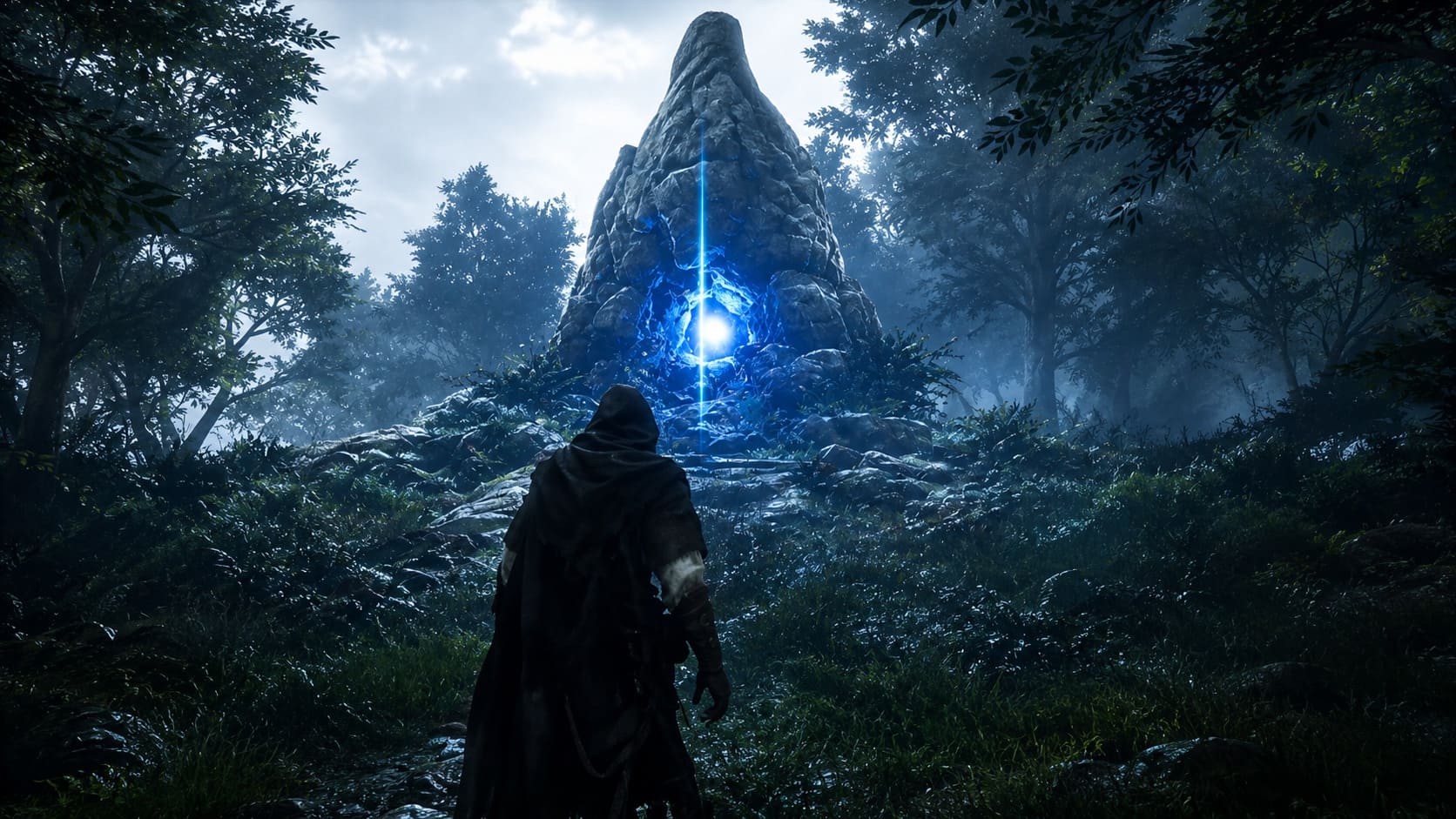
Creating a memorable dark fantasy setting is much harder today than it was years ago. Players have already explored countless cursed kingdoms, fallen civilizations, and corrupted worlds. However, The Relic: First Guardian manages to create a strong atmosphere through its ruined landscapes and mysterious storytelling approach.
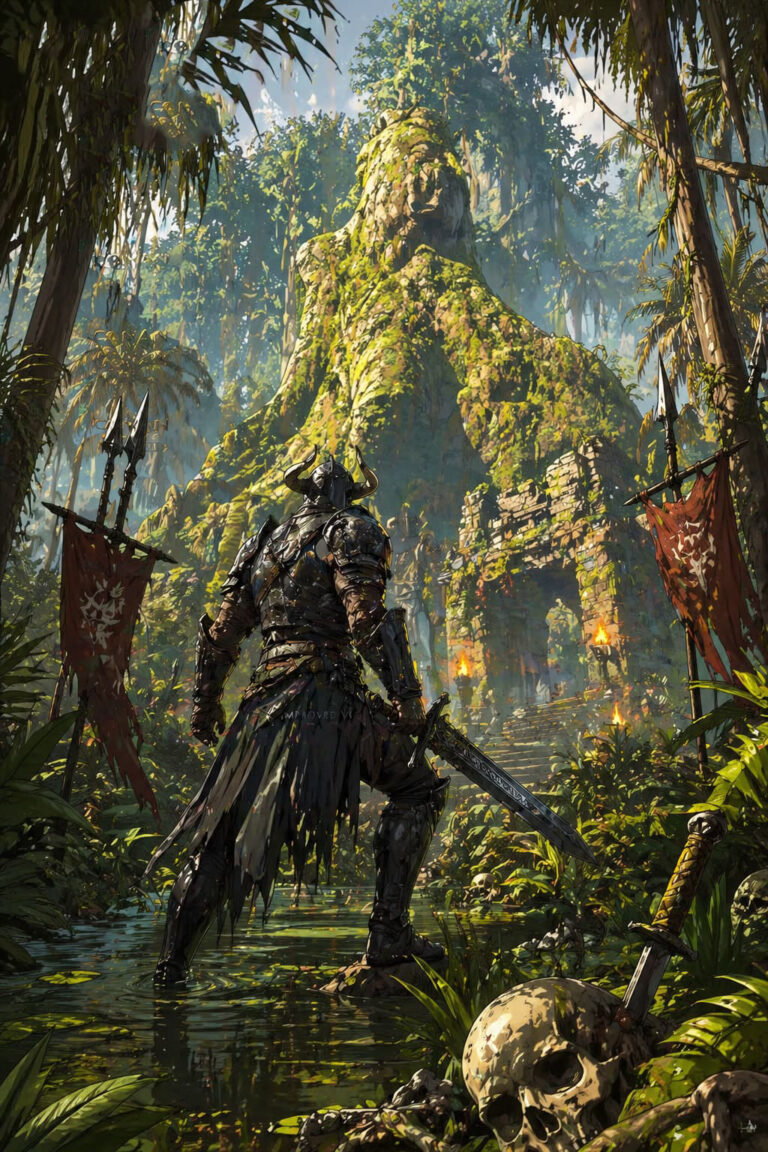
The story takes place in Arsiltus, a kingdom that collapsed after its powerful protective relic was destroyed. The destruction released a mysterious force known as the Void, turning the once-thriving land into a dangerous wasteland filled with mutated creatures called Brutals. Players take the role of the Last Guardian, whose mission is to collect the broken relic fragments and prevent complete destruction.
The overall concept may sound familiar, but the presentation is where the game becomes interesting. Instead of constantly explaining its world through long conversations, Project Cloud Games focuses heavily on environmental storytelling. Ruined castles, abandoned settlements, hidden journals, and survivor encounters slowly reveal the tragedy behind Arsiltus.
I personally enjoy this type of storytelling when it is handled correctly. Discovering pieces of lore while exploring a dangerous world feels much more rewarding than being forced through endless dialogue scenes. Some preview footage also showed emotional side stories, including a fallen warrior who sacrificed everything searching for power and treasure before becoming corrupted by a terrible curse.
The Progression System Completely Changes the RPG Formula
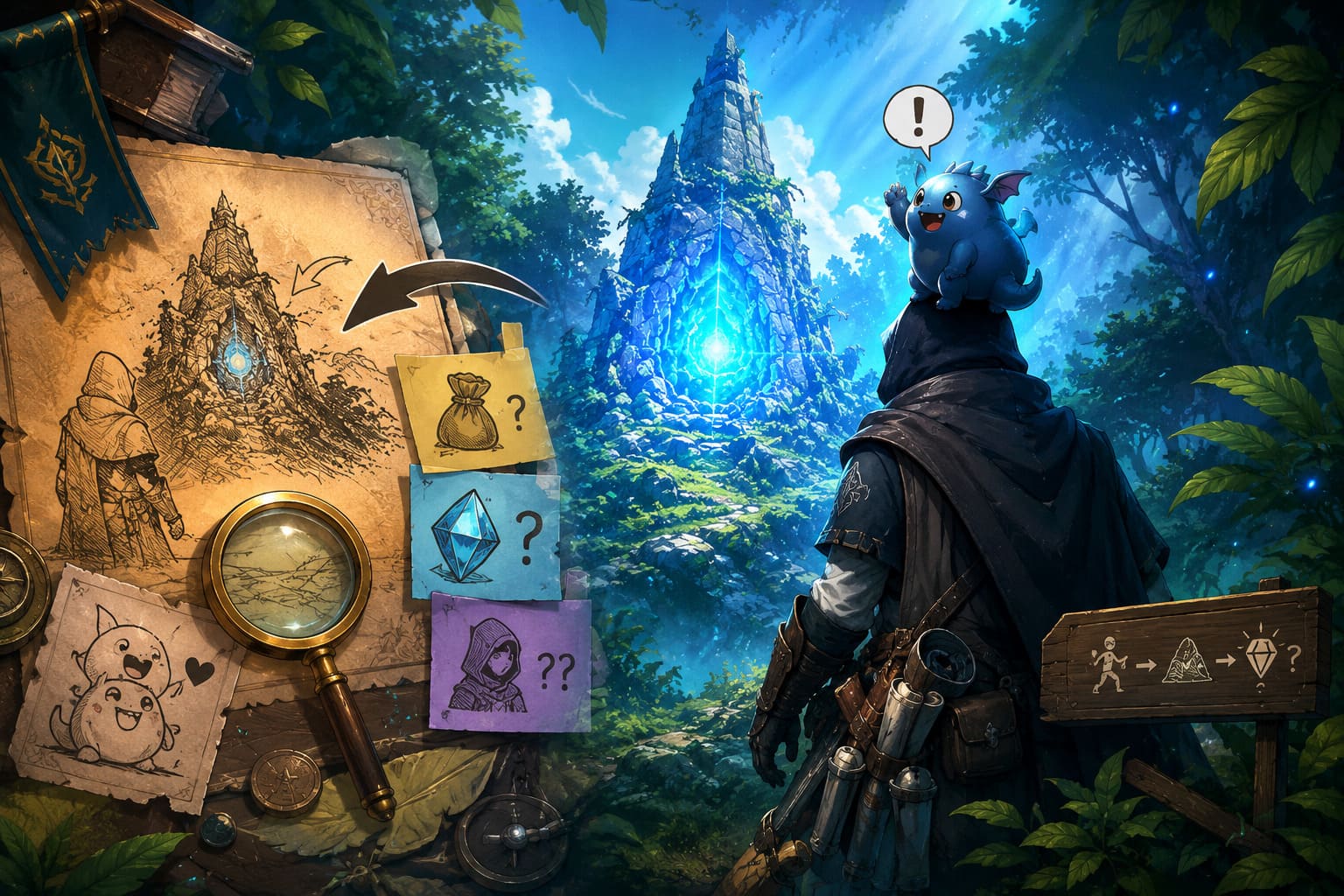
The biggest surprise in The Relic: First Guardian is not the combat system. It is the way your character becomes stronger. Traditional RPG progression has been removed entirely, meaning players do not spend hours farming experience points to increase basic statistics like health, strength, or stamina.
Instead, your power comes from equipment, runes, and relic upgrades. Every weapon and armor piece directly affects your build, creating a system where your identity as a warrior is determined by the items you discover throughout the world.
At first, I was skeptical about this approach. Leveling systems are a huge part of what makes RPGs satisfying. However, the more I looked at the idea, the more I understood what the developers were aiming for. Finding a legendary weapon is supposed to feel meaningful because it is not just another random upgrade with slightly better numbers.
| Feature | Why It Matters |
|---|---|
| 5 Weapon Classes | Creates completely different combat approaches and playstyles. |
| 12 Skill Trees | Allows players to customize abilities and create unique builds. |
| Unique Equipment | Every important item feels like a special discovery instead of disposable loot. |
| Rune System | Adds additional customization options for advanced builds. |
| Relic Upgrades | Replaces traditional leveling with meaningful progression choices. |
This system reminds me of older action RPGs where finding a rare item could completely change your strategy. If the developers manage to maintain quality throughout the entire adventure, this could become one of the game’s strongest features.
Combat: Faster Than Souls Games but Still Tactical
Calling The Relic: First Guardian a Soulslike only tells part of the story. The combat definitely borrows ideas from games like Sekiro: Shadows Die Twice, especially with its focus on timing, parrying, enemy posture, and aggressive counterattacks. However, the overall pacing feels much closer to an action game than a traditional slow Souls experience.
The most interesting combat decision is the stamina system. Unlike most Souls-inspired games, normal attacks do not consume stamina. Players can perform basic combos freely, while stamina is reserved for defensive actions such as dodging, blocking, and repositioning.
This is a risky but smart change. Many players enjoy difficult combat but dislike constantly stopping because their stamina bar disappears after a few attacks. By removing that limitation, the developers create a faster flow while still requiring careful timing and awareness.
Abilities work through separate cooldown systems, forcing players to think about skill usage rather than simply managing one resource. Boss fights appear to focus heavily on breaking enemy posture through perfect deflections and powerful attacks, eventually opening opportunities for devastating finishing moves.
The five weapon categories also appear to offer dramatically different experiences. Heavy weapons focus on powerful strikes, while faster options reward mobility and aggressive play. Variety will be extremely important because combat is clearly the main attraction of the game.
Boss Battles Could Become the Game’s Biggest Strength
One area where The Relic: First Guardian immediately caught my attention is boss design. Project Cloud Games has promised more than 70 Brutals, each representing a major challenge with unique appearances and combat patterns.
Numbers alone do not guarantee quality, but the bosses shown so far look much more creative than simple damage sponges. Giant corrupted warriors, monstrous creatures, and twisted guardians all appear designed around specific mechanics rather than just having enormous health bars.
For me, memorable boss encounters are often what define action RPGs. I can forget random enemies and side quests, but a great boss fight can stay in my memory for years. If the full release maintains the same level of creativity shown in previews, this could easily become the game’s biggest selling point.
Why Players Are Divided About The Relic: First Guardian
Looking through gaming forums and community discussions, one thing becomes obvious: players cannot completely agree on what kind of game The Relic: First Guardian actually is.
Some fans believe it belongs in the Soulslike category, while others argue that it feels closer to modern action RPGs like God of War. The reason for this disagreement comes from several major design choices.
- Enemies do not constantly respawn after resting.
- Players do not lose currency after dying.
- Traditional character leveling has been removed.
- Combat encourages aggressive action instead of slow defensive play.
Hardcore Souls veterans may find these changes disappointing because they remove some of the tension that defines the genre. However, other players see them as refreshing ideas that make the experience less repetitive and more accessible.
Personally, I think the genre needs games willing to experiment. Not every challenging action RPG needs to follow the exact formula created by FromSoftware. The important question is whether these changes create a better experience.
Visual Style and Performance Concerns
The biggest concern surrounding The Relic: First Guardian is technical performance. Project Cloud Games is a relatively small studio, yet the team is attempting to create a visually ambitious Unreal Engine 5 title filled with detailed environments, large-scale bosses, and impressive combat effects.
That ambition is exciting, but it also creates risks. Some preview players have mentioned problems with heavy motion blur, strong vignette effects, excessive screen shake, and dark environments that sometimes make enemy attacks difficult to read.
A beautiful game should still provide clear gameplay information. When fighting difficult enemies, players need to understand animations and attack patterns quickly. Hopefully, many of these issues can be improved through settings adjustments or post-launch updates.
Final Verdict: Is The Relic: First Guardian Worth Buying?
After looking at everything shown so far, I do not think The Relic: First Guardian is trying to become another Dark Souls clone. In many ways, that is exactly why it interests me.
The game introduces a unique progression system, changes traditional stamina management, focuses heavily on meaningful equipment, and creates a combat style that feels more aggressive than classic Souls games. These choices will not appeal to everyone, but they give the game a clear personality.
There are still questions about launch optimization, visual clarity, and whether the unique mechanics will remain enjoyable throughout the entire adventure. Some players will probably prefer waiting for patches before purchasing.
However, for fans of dark fantasy worlds, challenging boss battles, and action RPGs that try something different, The Relic: First Guardian looks like one of the more interesting releases of 2026.
It may not become the next genre-defining masterpiece, but it does not need to. A game that creates its own identity in an overcrowded market is already doing something valuable. From everything shown so far, The Relic: First Guardian has the potential to become a memorable dark horse for action RPG fans.