How to Play Pao Pao with Friends: The Ultimate Co-op Guide
There is something oddly satisfying about playing a cozy game with friends and then watching everything descend into complete chaos five minutes later. I have played quite a few farming games, life sims, and cooperative cooking games over the years, and they usually fall into one of two categories: relaxing but slow, or fun but exhausting. Pao Pao sits somewhere in the middle, and that is exactly what makes its multiplayer so interesting.
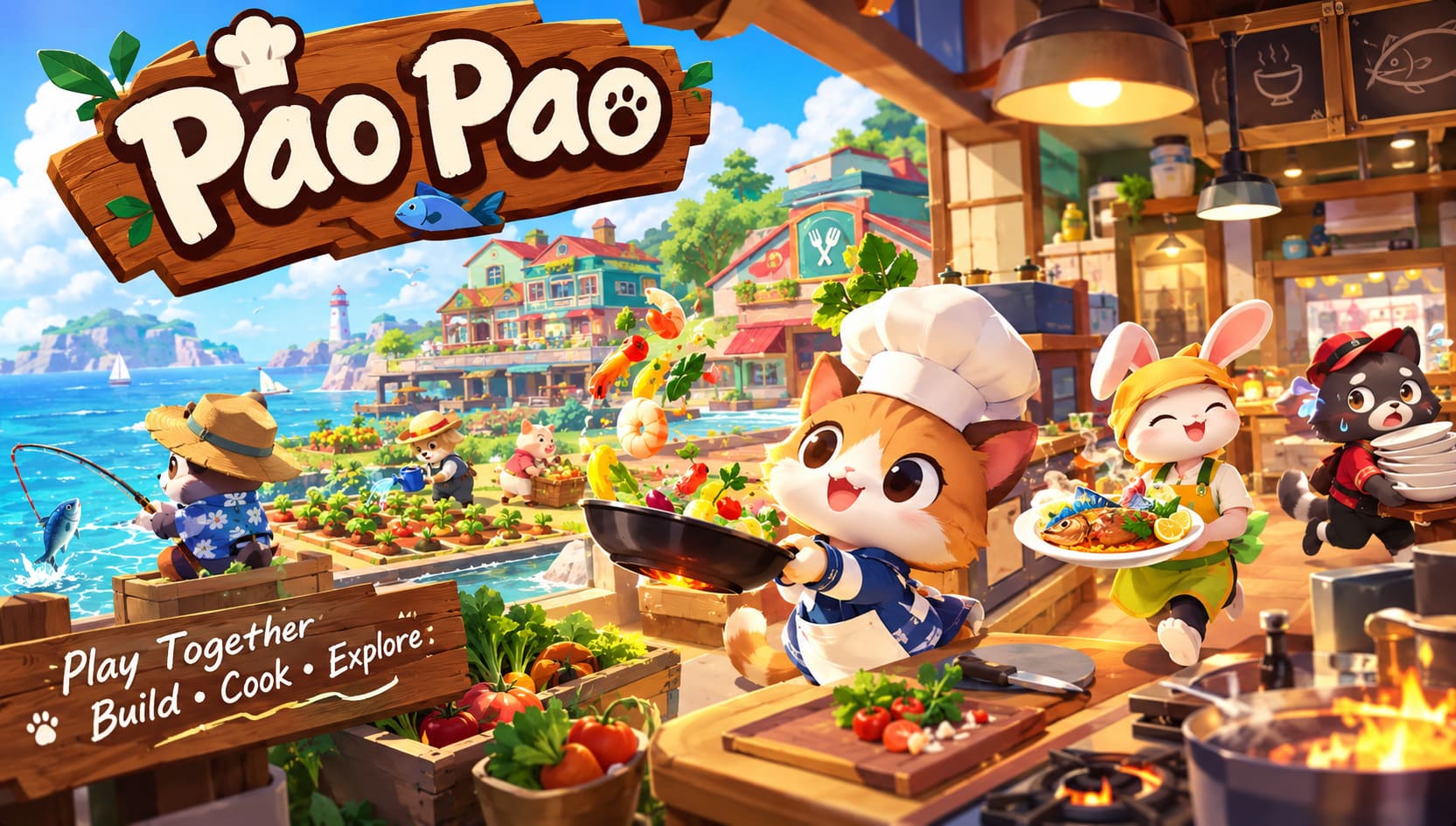
Developed by ArtDock and published by Dreland Enterprises, Pao Pao puts you in a colorful seaside world where adorable animal characters can farm, fish, explore, gather resources, and run a restaurant. Playing alone can be surprisingly peaceful, but the game becomes much more entertaining when several players are trying to keep the same kitchen running. One person is chopping ingredients, another is desperately looking for the right item, someone else is serving customers, and suddenly nobody remembers who was supposed to check the stove.
If you are trying to figure out how to play Pao Pao with friends, this guide covers the multiplayer setup, useful co-op strategies, exploration activities, and some of the problems you may encounter.
How to Fix Pao Pao Game Crashing on Startup: Complete Troubleshooting Guide
What Makes Pao Pao Multiplayer Different?
At first glance, Pao Pao might look like another cute cooking simulator, but its structure is much broader than that. The restaurant is only one part of the experience. Outside of working hours, you have a semi-open seaside environment where you can farm, fish, explore, collect materials, meet NPCs, and participate in different activities.
The multiplayer experience supports up to four players, giving everyone enough room to specialize without turning the game into an overcrowded mess. I particularly like this approach because it avoids the feeling of being permanently locked into a tiny kitchen. During quieter parts of the day, everyone can go their own way and then regroup when the restaurant needs extra hands.
That freedom changes the way co-op works. You are not simply four characters standing next to each other waiting for the next order. You are essentially a small team managing an entire little world.
How to Play Pao Pao With Friends
Getting into a multiplayer session is relatively straightforward. The exact interface can change between builds as the game continues to evolve, so some menu names or options may look slightly different depending on the version you are playing.
The general process is:
- Launch Pao Pao through Steam and open the multiplayer or co-op section from the main menu.
- Create a room or host a lobby if you want to be the player responsible for starting the session.
- Once the lobby has been created, look for the Party ID, room code, or invitation option provided by the game.
- Send the code or invitation to your friends through Steam, Discord, or another messaging service.
- Your friends should launch Pao Pao, enter the co-op menu, and use the appropriate join option.
- Once everyone has connected, you can start exploring the town and working on your restaurant together.
I recommend having everyone join the lobby before starting the main gameplay loop. It sounds obvious, but in cooperative games, getting four people connected at different times can sometimes create unnecessary confusion. It is much easier to sort out connection problems before the kitchen is already filling with customers.
The Best Way to Divide Roles in the Restaurant
This is where Pao Pao starts feeling less like a relaxing life simulator and more like a proper cooperative game.
If everyone tries to do everything at once, the kitchen can become a disaster. I have seen this happen in plenty of co-op cooking games: three players decide they are chefs, nobody serves the food, and one person is running around carrying dirty plates while customers are getting impatient.
A simple division of responsibilities works much better.
| Role | Main Responsibility | Why It Matters |
|---|---|---|
| Prep Chef | Chopping and preparing ingredients | Keeps recipes moving |
| Cook | Uses cooking stations and appliances | Prevents delays and burnt food |
| Server | Delivers meals to customers | Keeps orders under control |
| Runner | Collects ingredients, plates, and supplies | Connects the whole kitchen |
You do not necessarily need to follow these roles permanently. In fact, I would encourage players to rotate them. But having a rough structure makes busy restaurant sessions considerably easier.
Communication matters more than individual skill. Calling out what you need is often faster than everyone independently searching the kitchen. A quick “I need fish” or “that order is ready” can prevent a surprising amount of confusion.
Farming Together Makes Preparation Much Easier
One of the things I enjoy about Pao Pao is that the restaurant economy is connected to the world around it. Ingredients are not simply numbers on a shopping menu. You can actually spend time collecting and producing resources.
Farming is a perfect example.
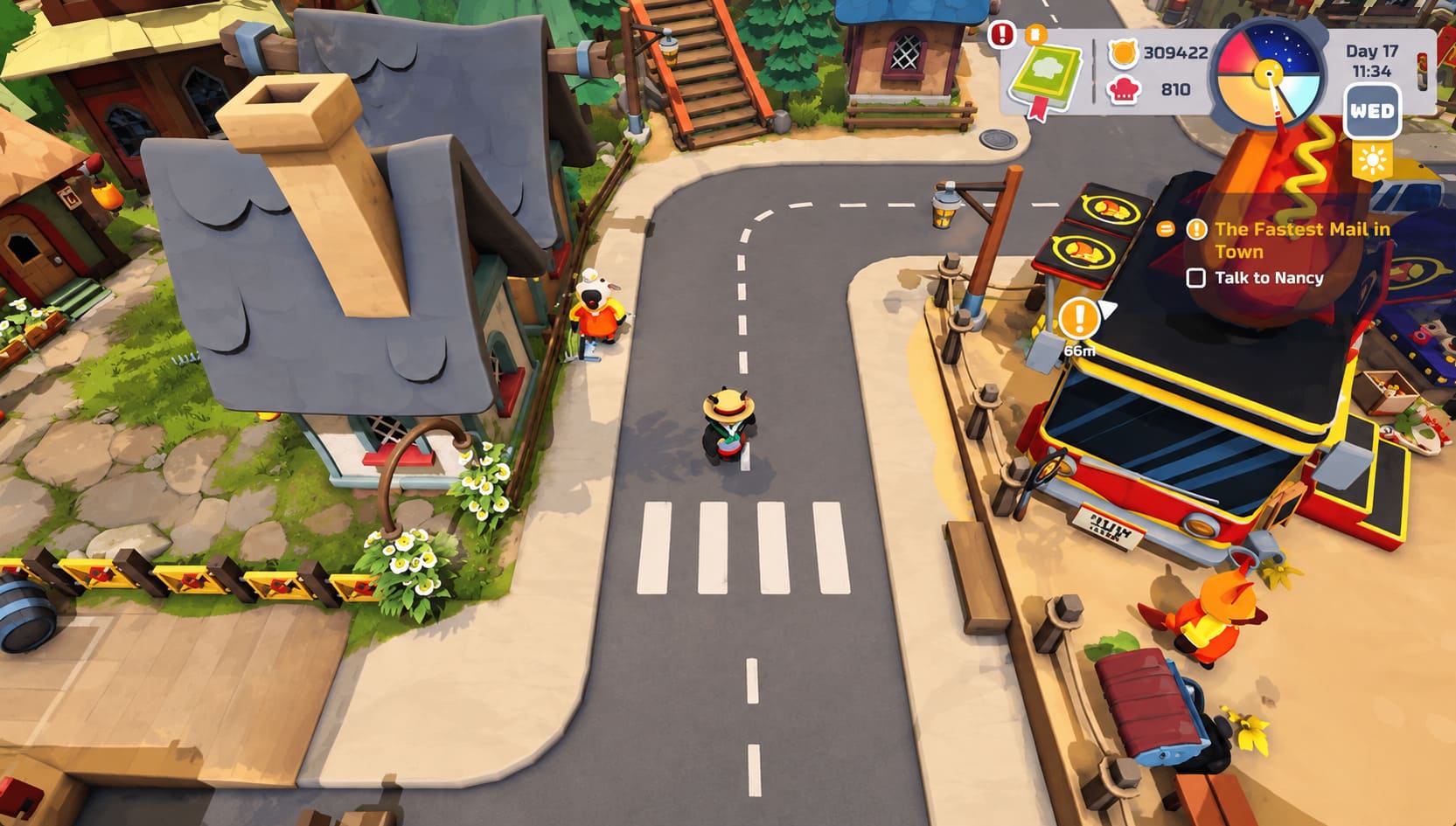
Instead of having one player handle the entire field, divide the work between the group. One person can prepare the land, another can plant seeds, and another can take care of watering and harvesting. It is a simple system, but four players working together can turn a slow farming routine into a surprisingly efficient operation.
There is also something satisfying about seeing the results later when those ingredients become part of a restaurant dish. It gives the cooking side of Pao Pao a stronger connection to the rest of the game.
Fishing and Gathering Resources
Fishing is another useful activity to tackle as a group, particularly when you are looking for better ingredients for more valuable recipes.
Depending on what your group is doing, players can split up and search different areas rather than following one another everywhere. One player can fish while others explore nearby locations or gather materials. Later, everyone can bring their resources back and decide what should be used for the restaurant.
This is one of those mechanics where playing with friends feels noticeably better than playing alone. You are effectively turning four characters into a small resource-gathering team.