Furyball Rogue Revenge Preview: A Fresh Take on Roguelite Combat
The indie roguelite scene has a serious problem in 2026: too many games feel mechanically identical. Every month another stylish top-down action game appears with randomized upgrades, neon effects, dodge rolls, and the promise of addictive replayability. Most of them are fun for a few hours before blending together into one giant memory of repetitive combat loops and interchangeable upgrade trees.
That is exactly why Furyball: Rogue Revenge immediately caught my attention.
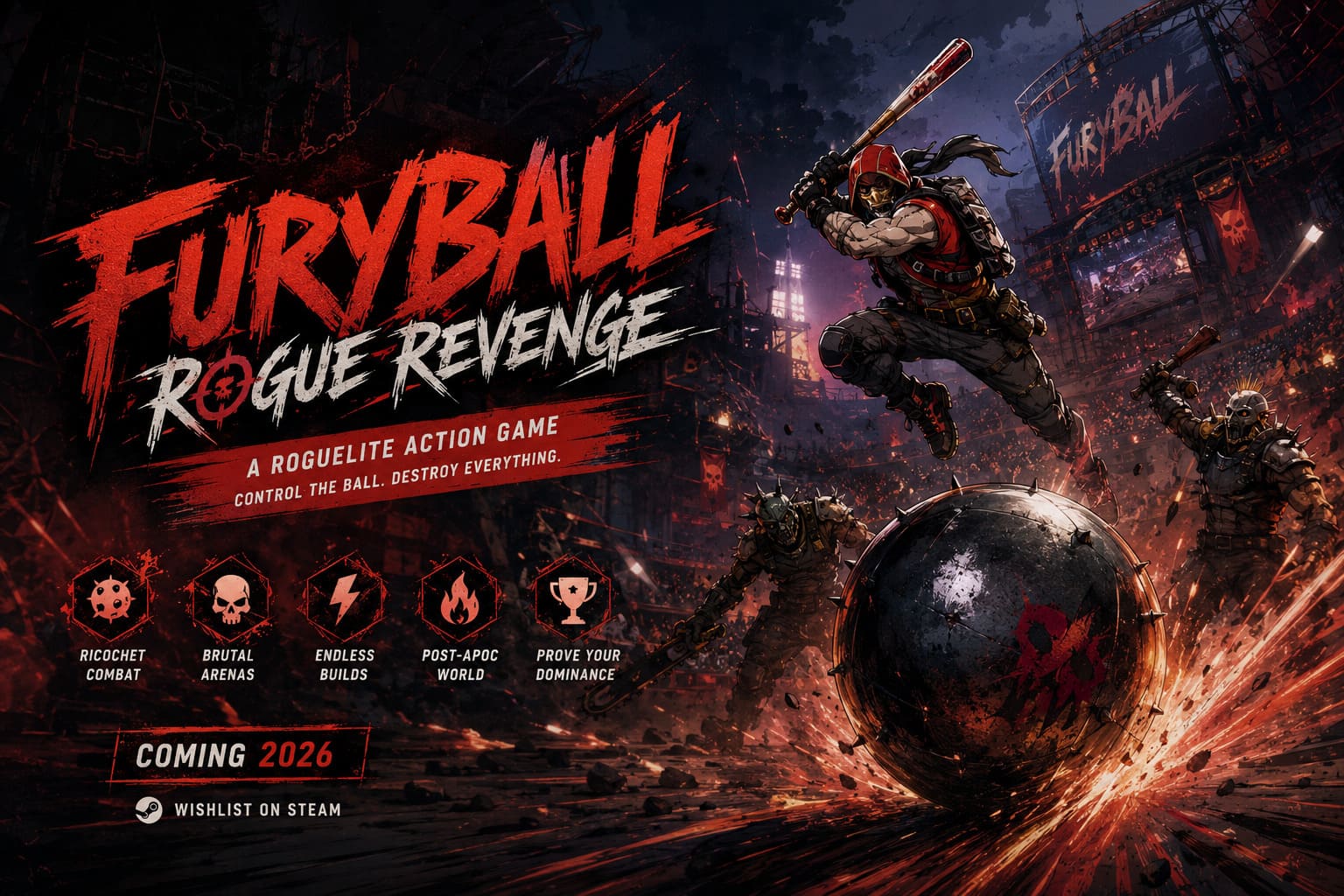
After watching the gameplay footage multiple times and digging through community discussions, I genuinely think Rebound might be building one of the most mechanically refreshing indie action games we have seen in years. This is not another clone trying to imitate Hades or Dead Cells. The entire identity of the game revolves around a single dangerous mechanic: controlling a brutal steel ball that becomes both your weapon and your biggest threat.
That idea alone already makes it more memorable than many indie games currently flooding Steam.
Why Maseylia: Echoes of the Past Feels Like the Future of 3D Metroidvania Games
A Roguelite Built Around Pure Momentum
The core gameplay system in Furyball: Rogue Revenge is deceptively simple. You enter violent arena battles armed with bats, gauntlets, and movement abilities, but your actual source of damage is a heavy bouncing metal ball that ricochets across the map at terrifying speed.
At first glance, it looks chaotic in the best possible way. But once you really pay attention to the trailer, you realize the combat is built around rhythm, positioning, and geometry rather than traditional button-mashing.
Most roguelites reward raw aggression. Furyball seems to reward awareness and prediction. You are constantly tracking angles, wall bounces, enemy positioning, and your own survival route while the ball becomes faster and deadlier after every successful hit.
The closest comparison people keep making is Lethal League, and the comparison makes sense. Every strike feels explosive. The sound design gives the ball absurd weight. But Furyball transforms that competitive concept into a PvE roguelite structure with environmental hazards, enemy swarms, and build progression.
That combination feels surprisingly original.
Romestead Balance Guide: Single Player vs 8-Player Co-Op Scaling Explained
Neo-Arcadia Has Style Without Looking Generic
One thing that immediately stands out is how the game avoids the lazy purple-neon cyberpunk aesthetic that indie developers have been recycling for years.
Instead, Furyball: Rogue Revenge mixes dirty post-apocalyptic visuals with retro sports violence and grindhouse energy. It looks less like a clean sci-fi city and more like a collapsing industrial wasteland where people turned bloodsports into entertainment because civilization already gave up.
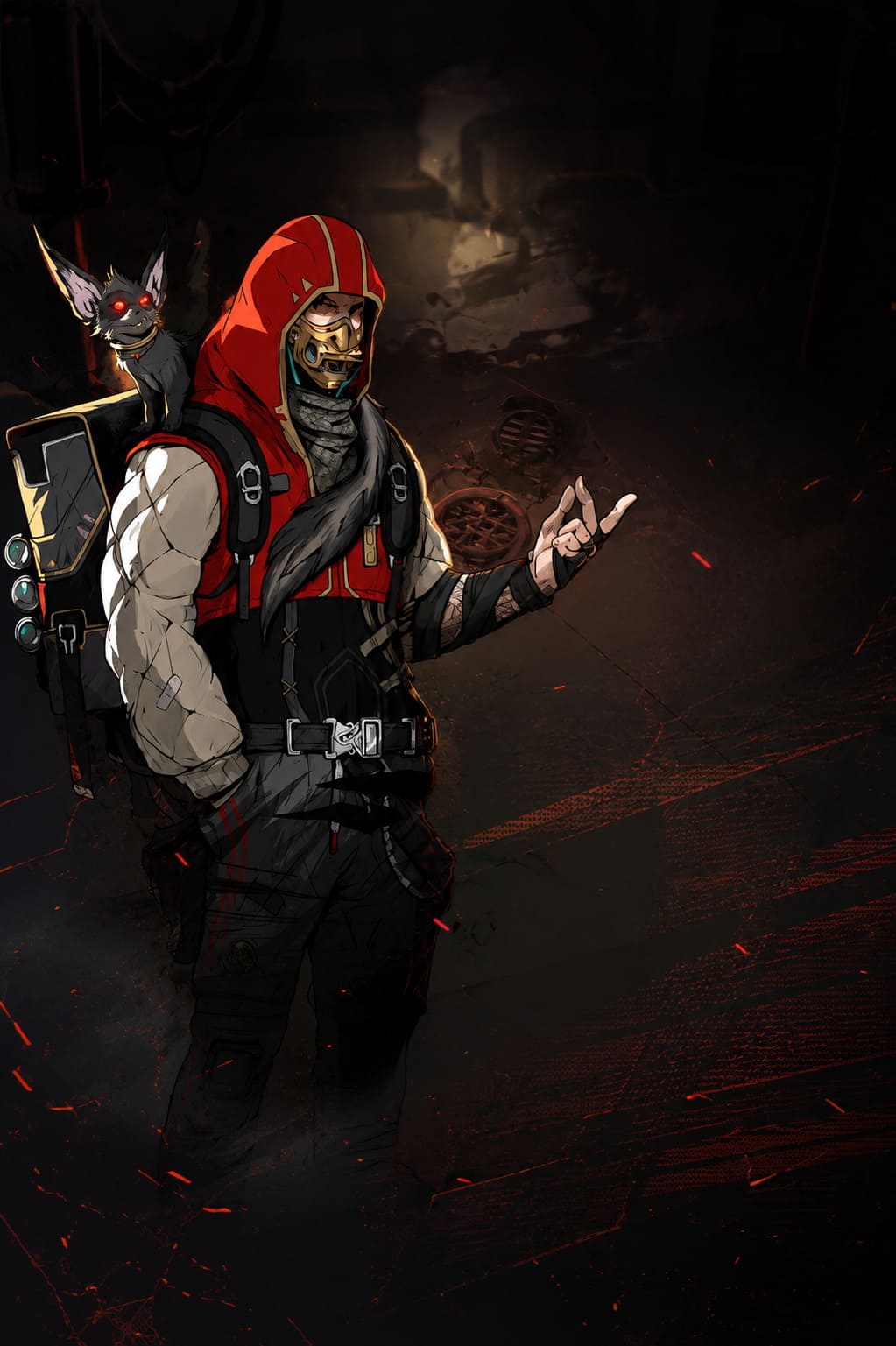
The arenas feel dusty, metallic, and aggressive. Character designs are packed with spikes, mechanical gear, brutal helmets, and improvised armor that looks functional rather than fashionable. It feels much closer to Mad Max than modern cyberpunk games, and that gives the world far more personality.
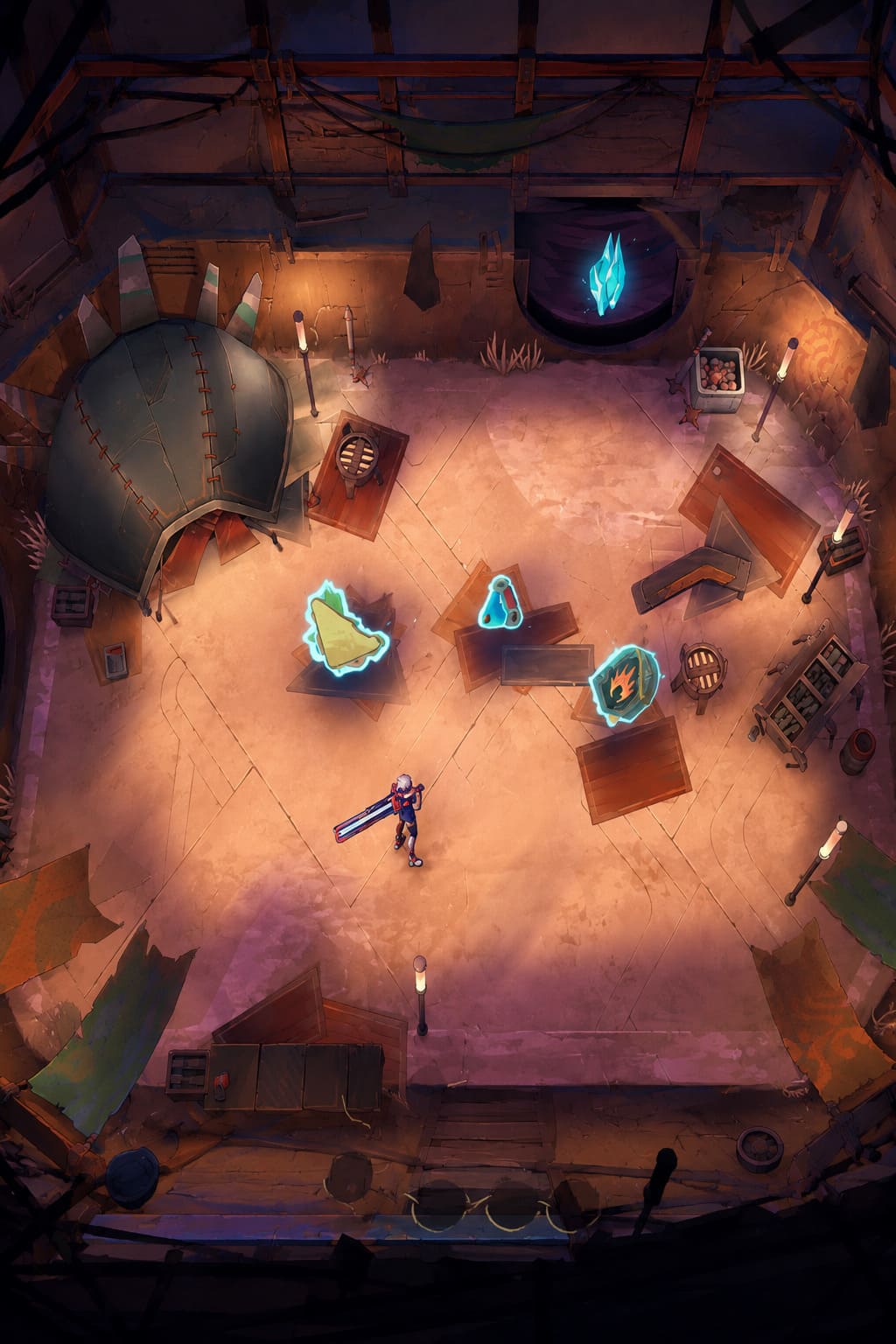
The top-down camera also works in the game’s favor. Because combat revolves around tracking ricochet angles, the clean overhead perspective keeps the chaos readable even when explosions start covering the screen.
Main Influences Behind Furyball’s Style
| Influence | What Furyball Takes From It |
|---|---|
| Mad Max | Brutal post-apocalyptic atmosphere |
| Rollerball | Violent futuristic sports culture |
| Pinball Arcades | Ricochet-based gameplay design |
| Grindhouse Cinema | Heavy impact effects and dirty presentation |
| Modern Roguelites | Upgrade loops and procedural progression |
The result somehow feels nostalgic and fresh at the same time.
The Biggest Strength Is Also the Biggest Risk
Here is where some skepticism starts to appear. A single-ball combat system sounds incredible for the first few hours, but maintaining that excitement over long runs is going to be difficult. That is the real challenge Rebound faces.
When a game revolves around one mechanic, that mechanic must evolve constantly.
The trailers hint at exactly that through modifiers and upgrade systems. Some upgrades appear to add electric chain reactions. Others create explosive collisions or reward maintaining high ball velocity. There also seem to be mobility-focused builds that increase dash speed and recovery potential.
If the developers fully commit to build diversity, the game could stay fresh much longer than expected.
The danger is repetition.
Players will tolerate repeated environments in roguelites if the gameplay systems continuously create new situations. If every run eventually devolves into “hit ball harder,” the novelty could disappear fast. But if later builds fundamentally alter how you control momentum, prioritize defense, or manipulate arena hazards, then Furyball could become something special.
Combat Looks Surprisingly Skill-Based
One detail that stands out during the gameplay reveal is how much emphasis the developers place on timing windows and spatial control.
This does not look like a casual button masher.
The ball accelerates aggressively after consecutive hits, meaning players eventually need fast reactions just to stay alive. Missing a return can leave you completely exposed while enemies close distance from multiple directions.
That creates an interesting layer of pressure absent from many action roguelites.
Normally, players only focus on dodging enemies. In Furyball, you also need to monitor your own projectile at all times. The ball itself becomes an environmental threat capable of ruining your positioning if you lose control for even a second.
Why the Combat Feels Different
- Momentum-Based Gameplay instead of traditional weapon spam
- Ricochet Management forces constant spatial awareness
- Arena Hazards create unpredictable combat situations
- Movement Timing becomes critical at higher ball speeds
- Build Synergies appear focused on speed and combo mechanics
That is the kind of mechanical tension many modern indie games are missing.
The Soundtrack Might Be One of the Game’s Biggest Advantages
Fast-paced roguelites live or die by pacing and sensory feedback. If combat feels repetitive, players stop caring quickly. But when music, sound effects, and visual rhythm synchronize correctly, even failure becomes entertaining.
That seems to be exactly what Furyball understands.
The electronic soundtrack by The Toxic Avenger gives the gameplay a constant sense of forward momentum. Heavy bass hits align with ricochets and enemy impacts in a way that almost turns the game into a violent rhythm experience.
Some indie developers treat music like background decoration. Rebound clearly designed combat around audio intensity, and that massively improves the trailer’s impact.
Why Furyball Could Become a Sleeper Hit
Many indie roguelites try to stand out through style alone. Most fail because underneath the flashy visuals, the gameplay remains predictable.
Furyball: Rogue Revenge actually appears to have a legitimate gameplay identity.
The industry desperately needs smaller projects willing to experiment mechanically instead of copying existing formulas. Rebound may not have the budget of giant studios, but originality still matters in the indie scene, and Furyball has more originality than most upcoming action roguelites combined.
Whether it becomes the next massive Steam obsession remains unclear, but it already feels like one of the most interesting indie action games currently targeting a 2026 release window.
What Furyball Needs to Succeed
- Deep upgrade variety
- Meaningful arena diversity
- Balanced difficulty scaling
- Strong long-term progression
- Satisfying late-game builds
If the final version delivers on those systems, Furyball: Rogue Revenge could easily develop a dedicated cult following among hardcore roguelite players.
Final Thoughts
After spending years playing roguelites that often blur together mechanically, Furyball: Rogue Revenge feels refreshing simply because it commits completely to one bold idea and builds everything around it.
The violent sports aesthetic works. The soundtrack hits hard. The combat looks tense and skill-driven. Most importantly, the game appears confident in its own identity instead of chasing trends.
There is still plenty left to prove before launch, especially regarding long-term replayability, but based on the gameplay footage alone, this is absolutely a title worth watching closely in 2026.
For players exhausted by copy-paste roguelites, Furyball might finally offer the chaotic mechanical originality the genre has been missing.