Why Maseylia: Echoes of the Past Feels Like the Future of 3D Metroidvania Games
I’ve played enough Metroidvania-style games over the years to recognize when something is simply inspired by classics and when a project is actually trying to push the genre forward.
After following previews and community impressions around Maseylia: Echoes of the Past, it feels like one of those rare indie games that isn’t just repeating ideas but trying to evolve them.
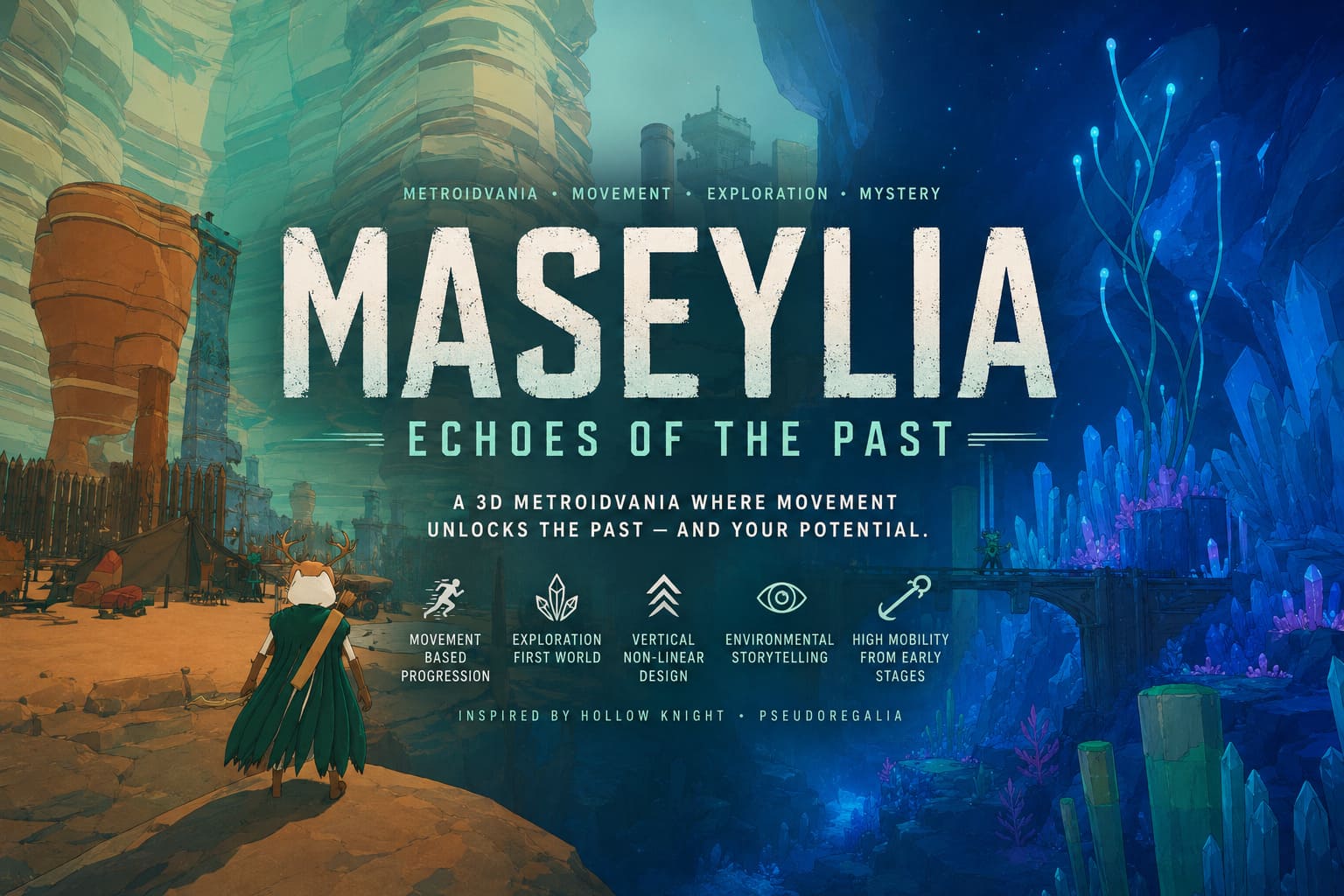
The constant comparisons to Hollow Knight and Pseudoregalia make sense on the surface, but in practice Maseylia feels like it’s building its own identity somewhere between structured exploration and expressive movement freedom.
A Metroidvania Veteran’s First Impression
Most indie Metroidvania games promise freedom, but many still end up being surprisingly linear once you start playing.
What stands out about Maseylia: Echoes of the Past is how much it leans into movement as the core identity of the experience rather than treating it as a supporting system.
Maseylia: Echoes of the Past Review – A Movement-Driven 3D Metroidvania Experience
Hollow Knight focuses on precision and atmosphere. Pseudoregalia focuses on expressive movement and mechanical experimentation. Maseylia attempts to merge those philosophies into a fully 3D space where traversal itself becomes the main form of interaction with the world.
What immediately stands out
The structure of the game emphasizes exploration over direction, encouraging players to learn the environment rather than follow markers. Progression is tied to movement upgrades rather than simple key-and-door mechanics, which creates a more physical sense of growth.
- Exploration-first world design with minimal guidance
- Movement-based progression systems
- Non-linear map structure built around verticality
- Environmental storytelling instead of heavy exposition
- High mobility traversal tools from early stages
Movement That Defines the Entire Experience
The most important aspect of Maseylia is how movement is not just a feature but the foundation of gameplay. Instead of unlocking new areas through static abilities, players expand their traversal potential through systems that interact with each other.
Air dashes, grappling hooks, phasing abilities, and double jumps are not isolated tools. They are designed to be combined in creative ways, allowing players to discover unintended routes or optimized traversal paths through skill and experimentation.
Why the movement system matters
This is where the influence of Pseudoregalia becomes especially noticeable. Skilled players are rewarded for chaining movement mechanics together, sometimes bypassing intended routes entirely without breaking the game’s structure.
It creates a sense of mastery where the world feels increasingly open not because it changes, but because the player’s understanding of movement deepens.
Maseylia: Echoes of the Past Gameplay Impressions
World Design and Atmosphere
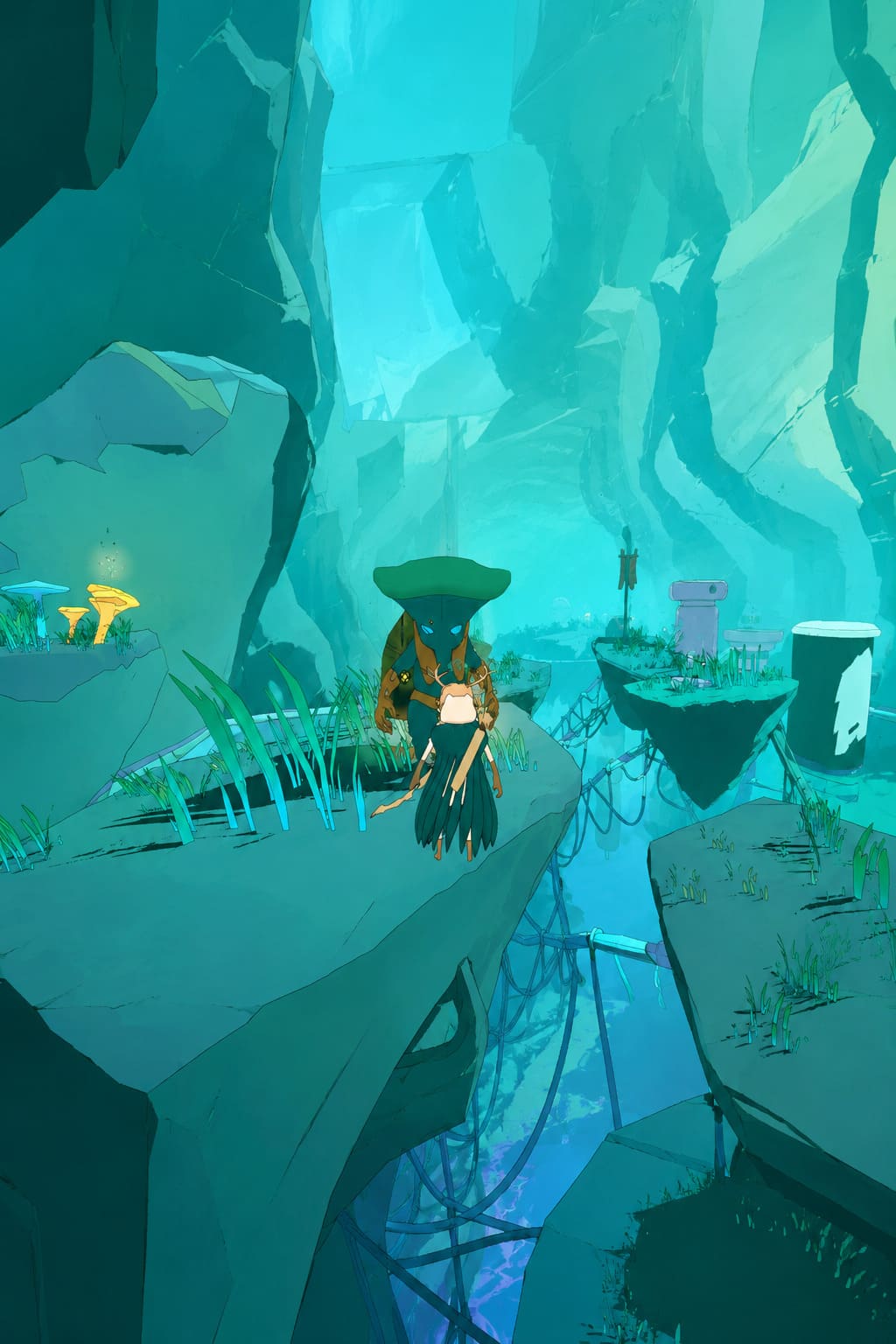
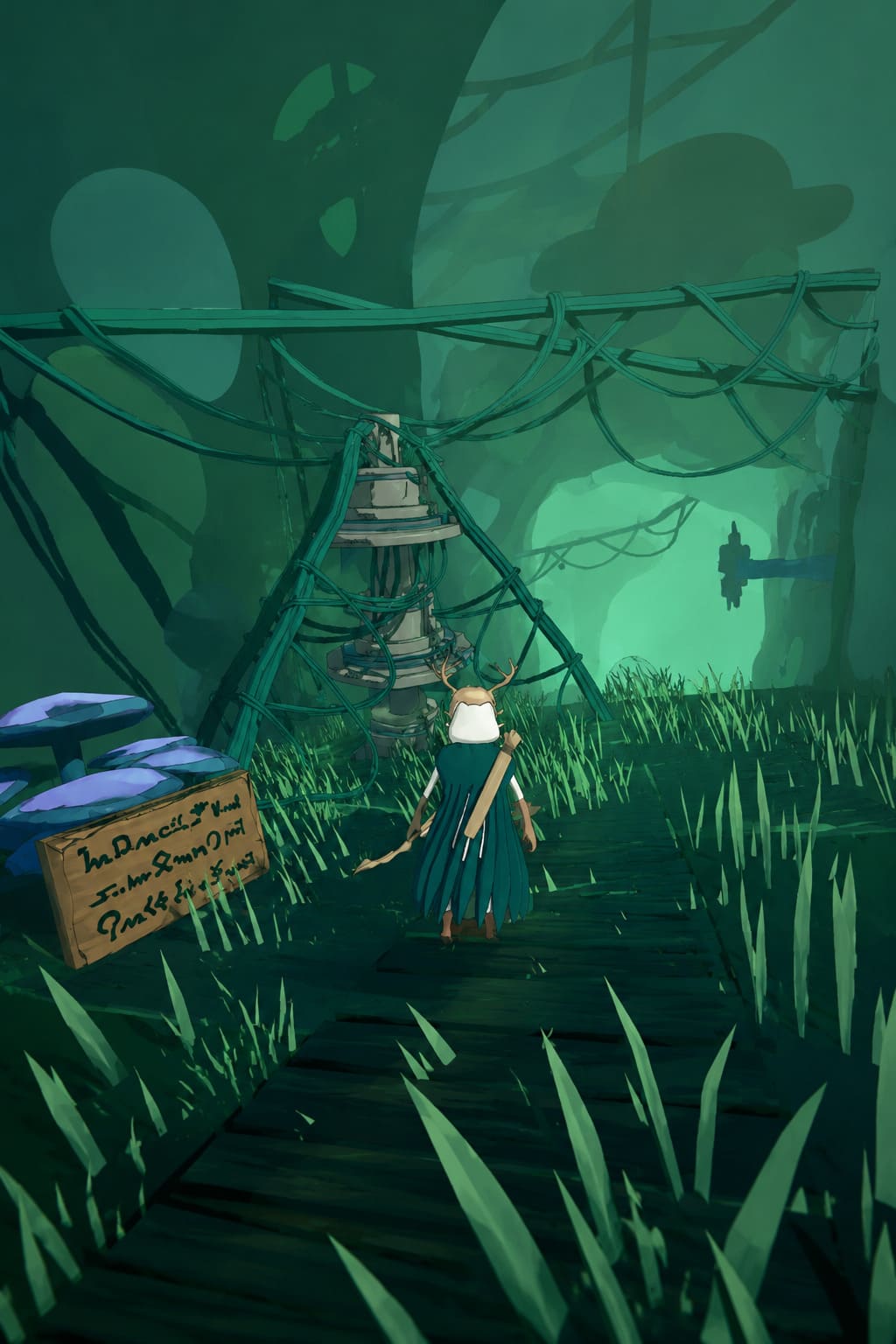
Maseylia’s world stands out because of its distinct visual identity. Instead of leaning into dark fantasy like Hollow Knight or retro stylization like many indie platformers, it uses a surreal sci-fi aesthetic inspired by Moebius-style art direction.
The result is a world that feels both alien and organic, as if technology and nature have merged over centuries into something unfamiliar but coherent.
Key environmental themes
- Techno-organic landscapes blending ruins and ecosystems
- Vertical environments designed for exploration in all directions
- Subtle storytelling through architecture and placement
- Soft color palettes contrasting with strange industrial shapes
Instead of relying on dialogue or text, the game encourages players to interpret the world visually. Every structure feels like it has history, even if that history is never explicitly explained.
Combat Built Around Movement
Combat in Maseylia is not about standing still and trading hits. It is built around constant repositioning and spatial awareness. Enemies are designed to pressure players into movement rather than reward defensive playstyles.
Combat structure overview
| Element | Design Approach |
|---|---|
| Player Defense | Movement-based dodging and aerial control |
| Enemy Design | Pattern-heavy and highly mobile threats |
| Boss Encounters | Large-scale spatial challenges with multiple phases |
| Combat Flow | Continuous motion instead of static exchanges |
This system makes combat feel closer to a movement puzzle than a traditional action RPG loop. Success depends as much on how you move as on when you attack.
Where the Game Might Struggle
While the ambition is impressive, games built around advanced movement systems often face challenges. Maseylia is no exception in terms of potential risks.
- High skill ceiling may discourage casual players
- Complex movement can lead to camera and spatial confusion
- Balancing sequence breaking without breaking progression
- Performance optimization in large vertical environments
These are common issues in movement-heavy 3D platformers, and how well they are handled will determine whether the game becomes a cult favorite or a broader success.
Final Thoughts
Maseylia: Echoes of the Past is interesting not because it imitates Hollow Knight or Pseudoregalia, but because it tries to understand what makes those games meaningful to players in the first place.
It is built around agency, curiosity, and mastery through movement. Instead of guiding the player through a controlled experience, it encourages experimentation and personal discovery.
As someone who has spent years playing Metroidvanias, it is rare to see a game that feels genuinely curious about its own systems. If Maseylia delivers on its ideas, it could become one of the more important 3D interpretations of the genre.