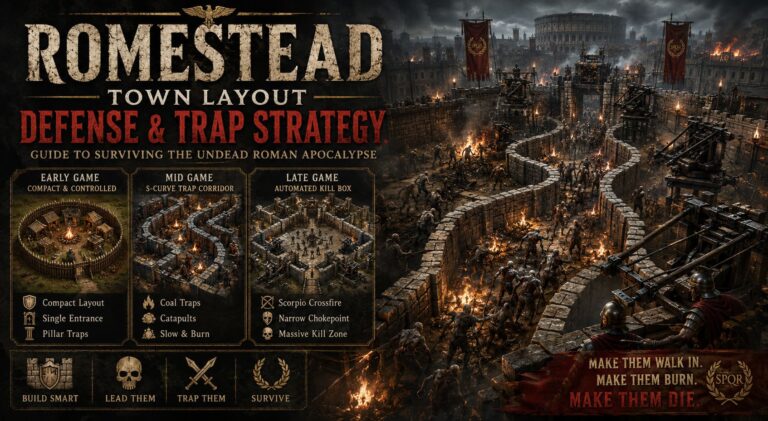
Romestead Dungeons Guide: All Puzzles and Rare Loot Locations Explained
I jumped into Romestead expecting another cozy survival sandbox with some Roman aesthetics slapped on top. You know the type — build a farm, chop trees, survive a few zombies at night, repeat. Instead, Beartwigs somehow created this weirdly addictive mix of settlement management, dungeon crawling, and straight-up panic attacks once the sun goes down.
And honestly? The dungeons are where the game completely changes gears.
The surface gameplay is satisfying enough. Hauling carts, upgrading workshops, automating resource lines — it scratches that classic survival-crafter itch. But once you descend underground, Romestead stops pretending to be relaxing. The dungeon system feels like someone blended Zelda puzzle logic, Valheim survival tension, and Soulslike punishment into one giant underground nightmare.
After spending way too many hours wiping in challenge crypts with friends, losing gear to traps, and discovering secret chest rooms by accident, I’ve got some thoughts — and a few tips that genuinely saved my runs.
Romestead’s Dungeons Feel Different From Most Survival Games
Most survival RPGs treat dungeons like optional side activities. In Romestead, they’re basically your entire late-game progression path.
If you want:
- legendary weapons,
- elite NPC survivors,
- high-tier crafting blueprints,
- magical relics,
- or endgame armor sets,
…you have to go underground.
What surprised me most is how focused the dungeon design feels. Recent updates streamlined the layouts into more linear runs, which sounds simpler on paper, but actually made the experience far more intense. Every room escalates the pressure. Enemy density increases, traps become nastier, and healing resources start disappearing fast.
By the midpoint of a high-tier run, every doorway feels dangerous.
And that’s before modifiers kick in.
Dungeon Modifiers Can Completely Change a Run
This system deserves more attention because it genuinely keeps farming interesting.
Some dungeon modifiers are manageable. Others feel borderline evil.
One of the most memorable runs I had featured the “Darkness Incarnate” modifier. Your normal visibility becomes almost useless, meaning you’re forced to move between light sources like you’re playing a horror game. We ended up dragging portable flames through entire corridors just to avoid getting ambushed by undead hiding in corners.
The reward, though? Ridiculous loot drops.
That’s the gamble Romestead nails perfectly: higher pain = dramatically better loot.
If you’re farming rare crafting recipes or legendary-tier gear, high-modifier dungeons are absolutely worth the suffering.
The Puzzle Design Is Actually Clever
I expected generic “pull lever, open gate” mechanics.
Instead, Romestead leans heavily into environmental interaction, and some of the puzzles genuinely surprised me.
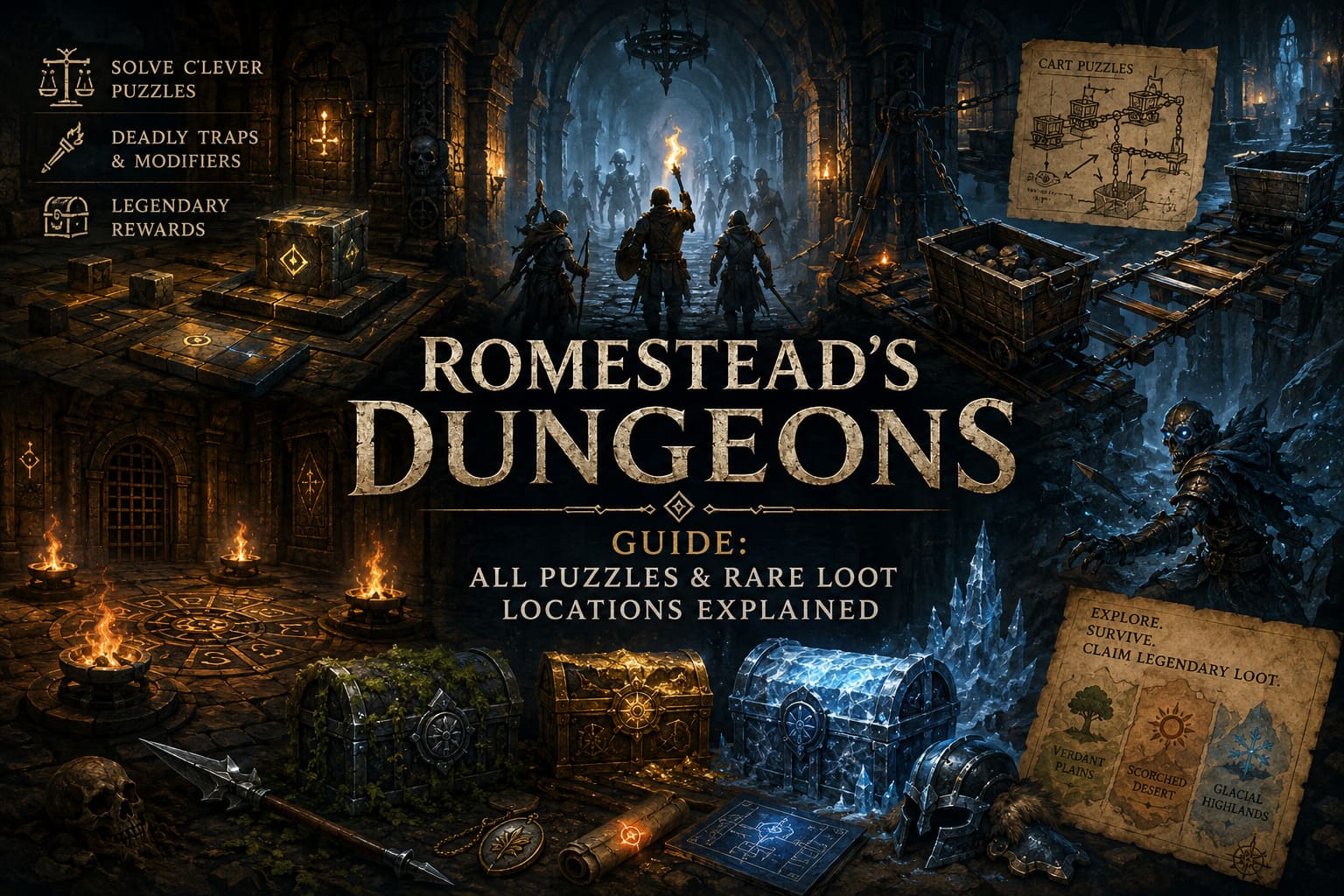
1. Pressure Plate Rooms Are More Creative Than They Look
At first glance, these seem basic.
Stand on switch. Door opens. Easy.
Except Romestead uses physical object weight instead of inventory tricks. You can’t cheese puzzles by dropping random junk from your backpack. You have to physically move heavy debris, columns, or stone blocks around the room.
That creates these chaotic moments where your co-op group starts yelling:
- “NO, PUSH IT LEFT.”
- “THE ROCK IS SLIDING.”
- “WHO AGGROED THE SKELETONS?!”
Honestly, it feels messy in the best possible way.
Solo players can still manage them, but multiplayer turns these rooms into accidental comedy.
2. Torch Sequence Chambers Are Straight-Up Trap Rooms
These became my favorite puzzle archetype in the game.
You’ll enter dark chambers with sealed iron gates and several unlit braziers scattered around the area. Somewhere in the room is a hidden clue — usually carved patterns on the floor pointing toward the ignition order.
Mess up the sequence?
Congratulations. You just spawned an undead swarm.
The first time this happened to my group, we assumed lighting all the torches quickly would brute-force the puzzle.
It did not.
Instead, the room flooded with enemies while we desperately tried relighting braziers during combat. Total disaster. Amazing experience.
Now I actually stop and study the environment before touching anything.
Which, honestly, is rare in survival games.
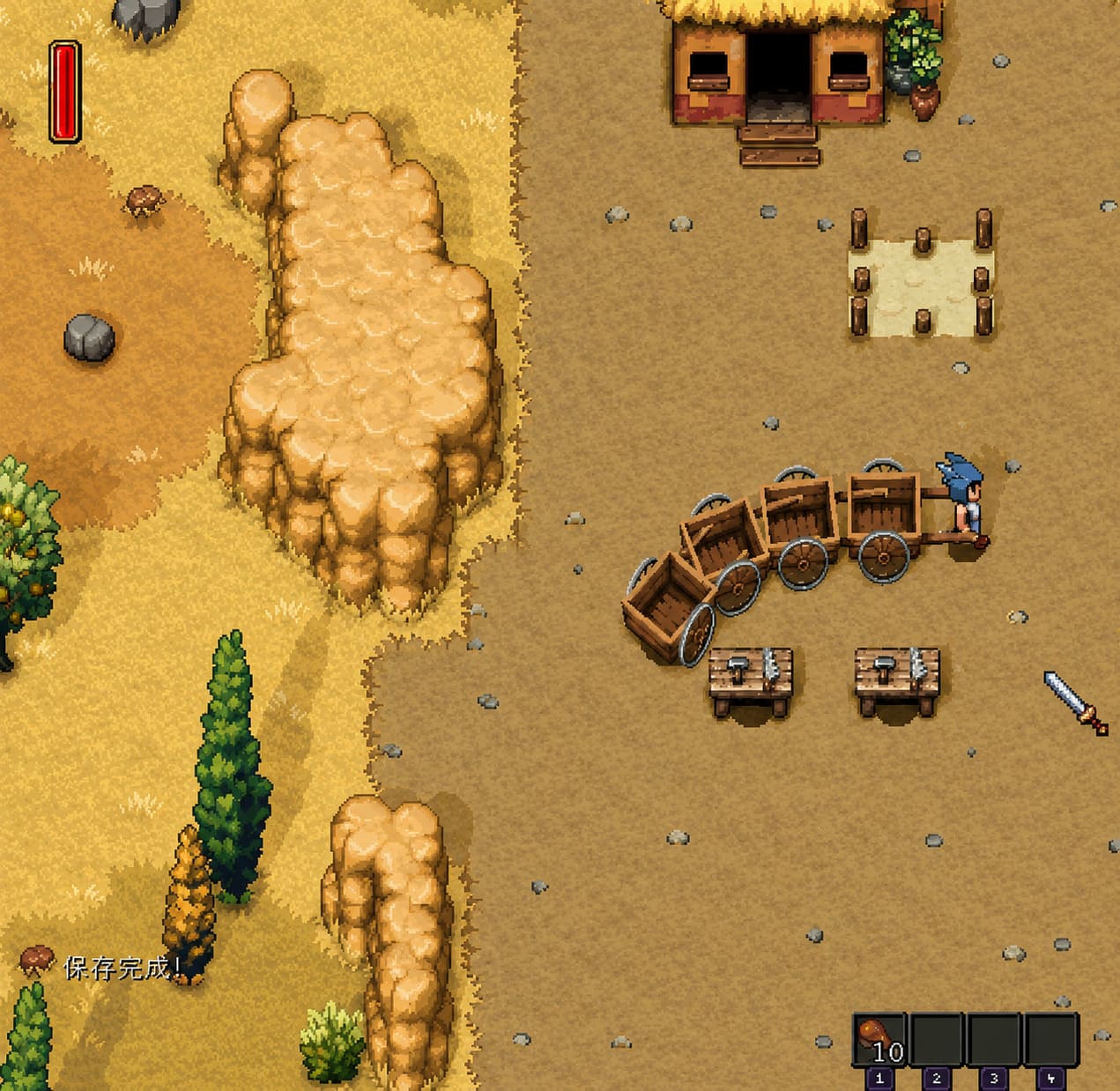
3. The Cart Puzzles Are Peak Romestead
This mechanic is probably the most unique thing in the entire dungeon system.
Later biomes introduce giant mining-shaft puzzles involving chained carts, moving platforms, and gap traversal. Since Romestead already uses physical logistics systems in the overworld, the dungeons cleverly recycle those mechanics into puzzle-solving.
You literally daisy-chain carts together to:
- bridge trap gaps,
- activate distant levers,
- move heavy mechanisms,
- and create improvised pathways.
It sounds weird until you try it yourself.
Then suddenly you realize: “Wait… this is actually genius.”
Very few survival RPGs make their world systems feel interconnected like this.
Best Dungeon Loot Locations So Far
Here’s where I’ve personally had the best luck farming rare gear.
| Biome | Signature Chest | Best Loot | Secret Location |
|---|---|---|---|
| Verdant Plains Catacombs | Moss-Covered Iron Vault | Centurion Spear, Ceres Charms | Hidden behind cracked walls near third combat room |
| Scorched Desert Vaults | Sun-Gilded Sandstone Chest | Fire Scrolls, Nomad Bow | Hidden grate beneath boss arena |
| Glacial Highlands Crypts | Crystalline Ice Vault | Vanguard Armor, Legendary Blueprints | Frozen stalactite shafts with hidden drops |
Verdant Plains Dungeons Are Worth Revisiting
A lot of players abandon the early biomes too quickly.
Mistake.
The hidden cracked-wall vaults inside the Verdant Plains catacombs are still one of the best early farming routes in the game. If you bring a blunt weapon or throwable stone, you can uncover secret chest alcoves surprisingly often.
I found one of my favorite stamina-based weapons there: the Centurion’s Practice Spear.
Not flashy, but the charged heavy attack absolutely destroys weaker undead mobs.
Desert Dungeons Are Pure Chaos
These vaults are where Romestead suddenly becomes terrifying.
You’re juggling:
- heat exhaustion,
- spinning blade traps,
- quicksand pits,
- stamina drain,
- and aggressive ranged enemies.
Preparation matters here more than anywhere else.
Bring cooling food buffs. Seriously.
The hidden treasure room after the boss fight is also incredibly easy to miss. Most players see the exit portal and immediately leave. Don’t. Walk around the arena edges carefully after the boss dies and you’ll eventually notice hidden floor grates opening.
That hidden vault can contain absurd loot.
One run gave my group:
- two Fire Scrolls,
- a rare artisan NPC,
- and upgraded bow components.
Totally worth the extra exploration.
Glacial Highlands Might Be the Best Endgame Content
These crypts are brutal.
Enemy freeze effects reduce mobility so heavily that dodge timing becomes unreliable. It feels oppressive in a way that reminds me of old-school action RPG expansions where developers clearly decided players were having “too much fun.”
But the rewards are insane.
The hidden crystalline chest mechanic is especially cool. You’ll notice faint blue particles falling from frozen ceilings. If you destroy the ice formations overhead with explosives or fire spells, hidden vaults crash down into the room.
The first time this happened, I genuinely thought it was just environmental decoration.
Nope. Legendary loot.
My Biggest Advice for Dungeon Farming
Build a Temporary Safehouse Near Every Dungeon
Do not underestimate Romestead’s death penalties.
If you die deep underground, recovering your equipment can become a nightmare spiral of repeated deaths. I learned this the hard way during a Highlands run where my entire gear set got trapped between frost enemies and spike traps.
Now I always build:
- a respawn bed,
- small storage,
- extra food,
- and backup weapons
outside every major dungeon entrance.
It saves hours of frustration.
Automate Your Town Before Long Runs
One thing Romestead does incredibly well is making your settlement feel alive even when you’re away.
Before serious dungeon sessions, I always make sure my:
- lumberyards,
- quarries,
- and clay pits
are connected through a Logistics Tent.
Otherwise you’ll come home after two hours underground to discover your entire production chain stalled because somebody ran out of wood.
Again.
Romestead Balance Guide: Single Player vs 8-Player Co-Op Scaling Explained
Pick One Roman God Early
This system confused me initially.
I tried balancing favor equally across all seven deities. Terrible decision.
If your focus is dungeon progression, commit hard to either:
- Mars for raw combat buffs,
- or Jupiter for stamina regeneration and survivability.
The difference becomes extremely noticeable in higher-tier challenge dungeons.
Romestead Death Guide: How to Retrieve Dropped Gear and Recover Loot Fast
Final Thoughts
Romestead still has rough edges — it’s Early Access, after all — but the dungeon design already feels stronger than many fully released survival RPGs.
The combination of:
- environmental puzzles,
- brutal combat,
- physical world mechanics,
- and genuinely rewarding exploration
creates a gameplay loop that’s ridiculously addictive.
And maybe that’s the biggest compliment I can give it: every dungeon run creates stories.
The panic when somebody lights the wrong brazier.
The accidental discovery of a hidden chest.
The desperate sprint back to recover lost gear.
The chaos of dragging linked carts through spike corridors while undead swarm behind you.
That stuff sticks with you.
If Beartwigs keeps expanding the biome variety and dungeon systems, Romestead could quietly become one of the best indie survival RPGs in years.