Furyball Rogue Revenge Release Date, Gameplay Trailers, and Demo Details
If you’ve been tracking indie releases over the last year, there’s a good chance you’ve already heard about Furyball: Rogue Revenge. After going through the trailers, community impressions, and most importantly spending time with the Steam demo, this is one of those rare indie projects that actually feels different in motion rather than just on paper.
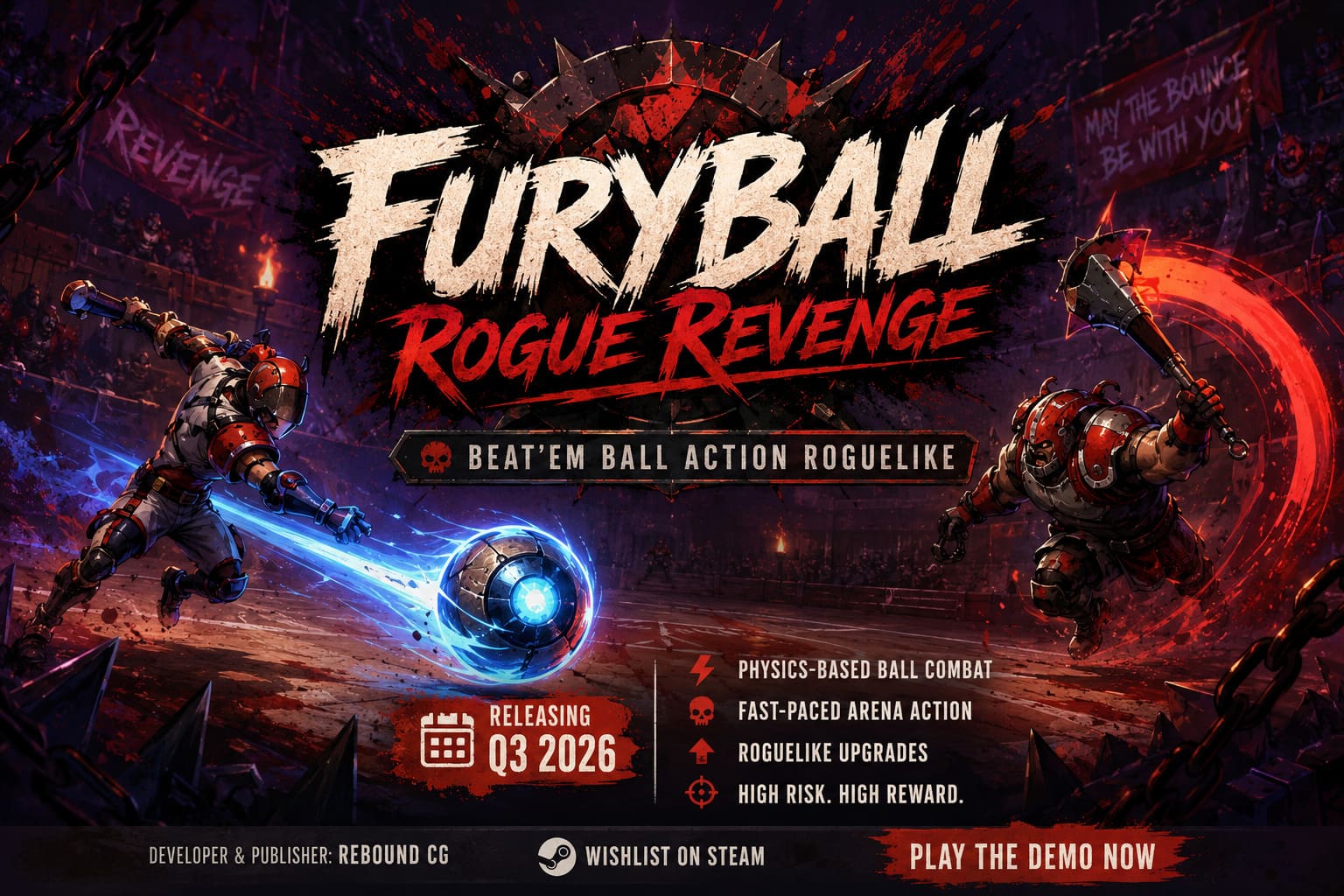
It’s developed and published by Rebound CG, and it markets itself as a “Beat’em Ball” action roguelike. That phrase sounds like marketing jargon at first, but once you actually play it, the concept becomes much clearer: you are not controlling a traditional weapon-based character.
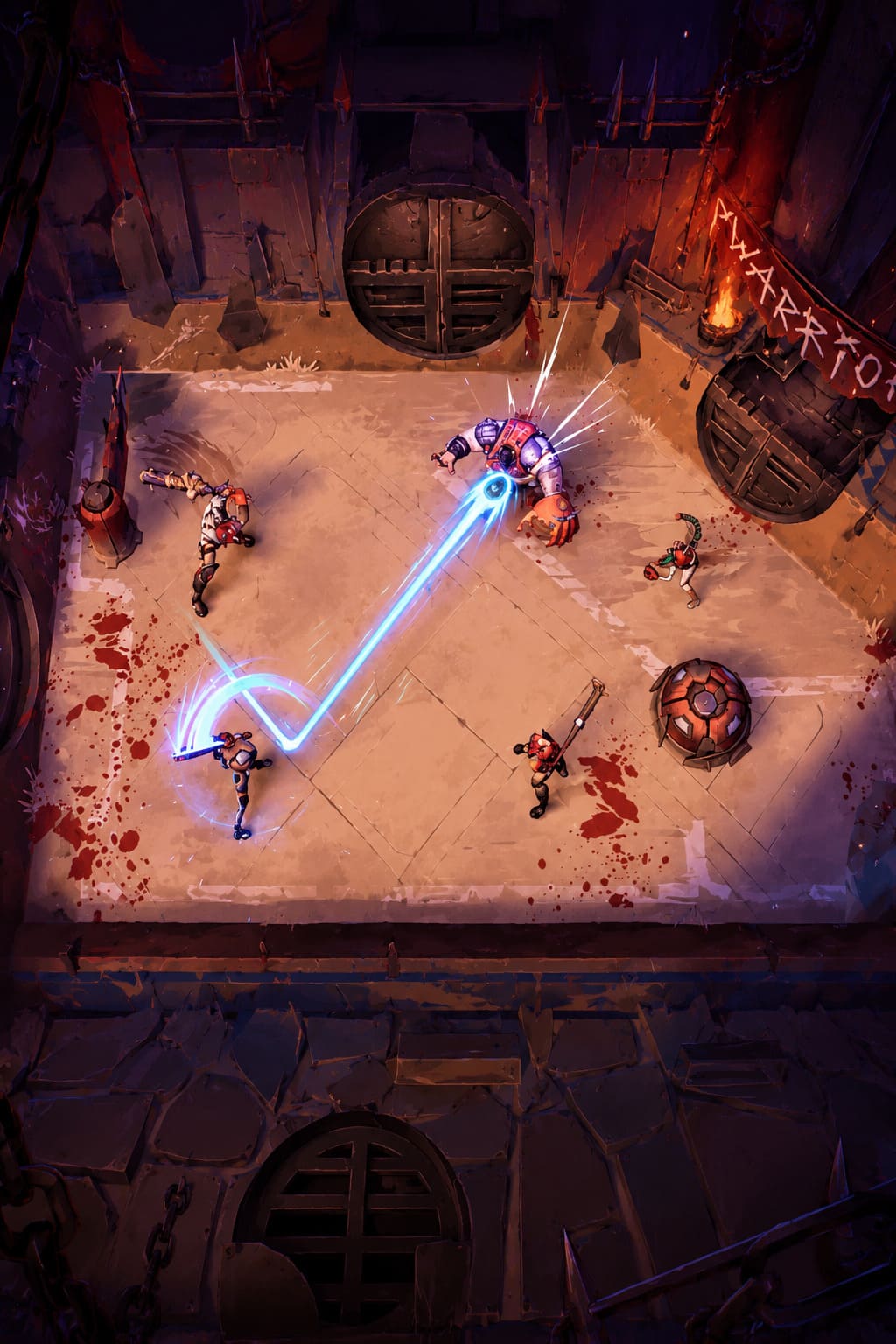
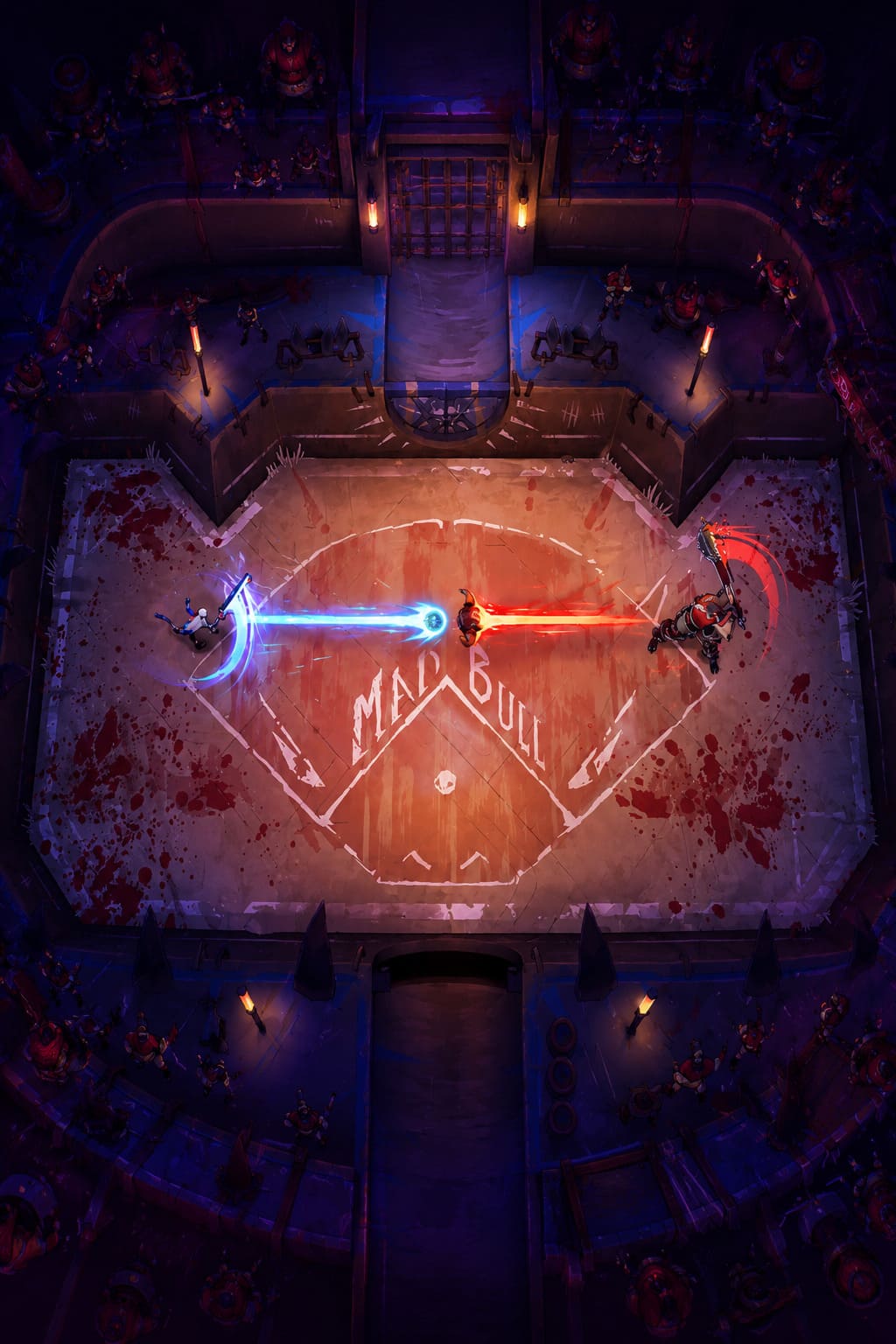
Instead, your primary “attack” is a bouncing, physics-driven projectile that turns every arena into a chaotic puzzle of timing and momentum.
Best Class Formations in TBH: Task Bar Hero Game Guide (2026 Meta)
Release Window and Current Development Status
The game is currently targeting a Q3 2026 release window, which places its full launch somewhere between July and September 2026. While that still leaves time before release, the current demo already feels surprisingly structured for an early-stage public build.
Unlike many indie roguelikes at this stage, Furyball doesn’t feel like a concept still searching for identity. It already knows what it wants to be: fast, reactive, physics-heavy arena combat built around controlled chaos rather than predictable combos.
Core Gameplay: Momentum Is Everything
The most important thing to understand about Furyball is that it completely removes traditional combat expectations. There are no swords, no guns, no skill rotations in the usual sense. Instead, the entire gameplay loop revolves around a single bouncing object that acts as both your damage source and your biggest risk factor.
Romestead Dungeons Guide: All Puzzles and Rare Loot Locations Explained
Key gameplay elements include:
- Momentum-based combat instead of direct attacks
- Physics-driven bouncing projectile as your main tool
- Arena positioning as a core survival mechanic
- Roguelike upgrades that modify ball behavior
- High-risk, high-speed decision making
What stood out immediately is how quickly the game punishes hesitation. A single miscalculated bounce can shift the entire rhythm of a fight. At the same time, successful control of the ball feels incredibly rewarding, especially when you chain rebounds across multiple enemies in rapid succession.
Gameplay Flow and Player Experience
Each run follows a relatively simple structure: enter an arena, survive waves, collect upgrades, and push forward. However, the simplicity hides a surprising amount of depth once you start interacting with the physics system.
The closest comparison many players will probably make is something like Lethal League, but translated into a top-down roguelike format. That comparison isn’t perfect, but it helps explain the sense of speed and timing-based control that defines every encounter.
What makes Furyball stand out is that it doesn’t rely on traditional damage scaling or stat stacking as its main attraction. Instead, progression changes how your projectile behaves, which directly affects how you approach combat situations.
Demo Impressions: A Limited but Honest Slice
The Steam demo is currently the best way to understand the game’s direction. It offers early arenas, basic upgrade systems, and a simplified progression loop designed to showcase the core mechanics without overwhelming players.
| Feature | Demo Status | Player Impression |
|---|---|---|
| Core Combat System | Fully playable | Fast, responsive, and skill-based |
| Physics Engine | Core focus | Surprisingly consistent and readable |
| Progression System | Limited | Functional but not yet deep |
| Content Variety | Small sample | Can feel repetitive over long sessions |
| Difficulty Curve | Early build tuning | Fair but occasionally abrupt |
The demo is not trying to impress with content volume. Instead, it focuses entirely on proving that the core loop works. In that regard, it succeeds more often than it fails.
Visual Style and Presentation
Visually, Furyball leans into a bold, stylized identity that mixes arcade aesthetics with grindhouse-inspired intensity. The color palette is sharp, the effects are exaggerated, and the overall tone feels deliberately chaotic.
This is not a subtle game visually. Every arena is designed to feel like a performance space where violence and spectacle are part of the same system. While this style won’t appeal to everyone, it reinforces the game’s core idea: everything is about momentum and impact.
Strengths and Weaknesses
What works well:
- Unique physics-based combat system
- Strong identity compared to typical roguelikes
- High skill ceiling potential
- Fast, replayable run structure
What still needs improvement:
- Limited content variety in the current demo
- Occasional readability issues during heavy action
- Difficulty spikes that may feel uneven
- Progression depth still unclear
None of these issues feel fundamentally broken. Most of them appear to be balancing and content expansion problems rather than structural design flaws.
Final Thoughts: A Risky Idea That Actually Works
Furyball: Rogue Revenge is still in development, but it already feels like one of those indie games that will either become a cult favorite or a very specific niche experiment. There’s very little middle ground here.
What makes it interesting is not polish or presentation alone, but the fact that its core mechanic genuinely changes how you approach combat. Controlling momentum instead of direct attacks creates a learning curve that feels fresh even if you’ve played dozens of roguelikes before.
Right now, it is not a finished product, but it is absolutely a playable concept worth paying attention to. The Steam demo is the best proof of that — not because it is packed with content, but because it confidently shows exactly what the final game is trying to become.
If the developers manage to expand content variety and smooth out pacing before its planned Q3 2026 release window, this could easily become one of the more memorable indie action roguelikes of its year.