Building the Perfect Courier: Tiny Delivery Robot Upgrades & Hidden Underground Shortcuts
I’ve spent a surprising number of hours in Tiny Delivery, the cozy indie game by Artem Sinitsyn (Sinica), and I keep coming back to one thing: your little delivery robot isn’t just a tool—it becomes your personality in metal form.
At first glance, it’s a chill package-delivery experience where you move through a lively town, deliver parcels, and explore small environmental stories. But over time, the real depth shows up in how you build and customize your robot. Efficiency, exploration, and pure creativity all collide in one system.
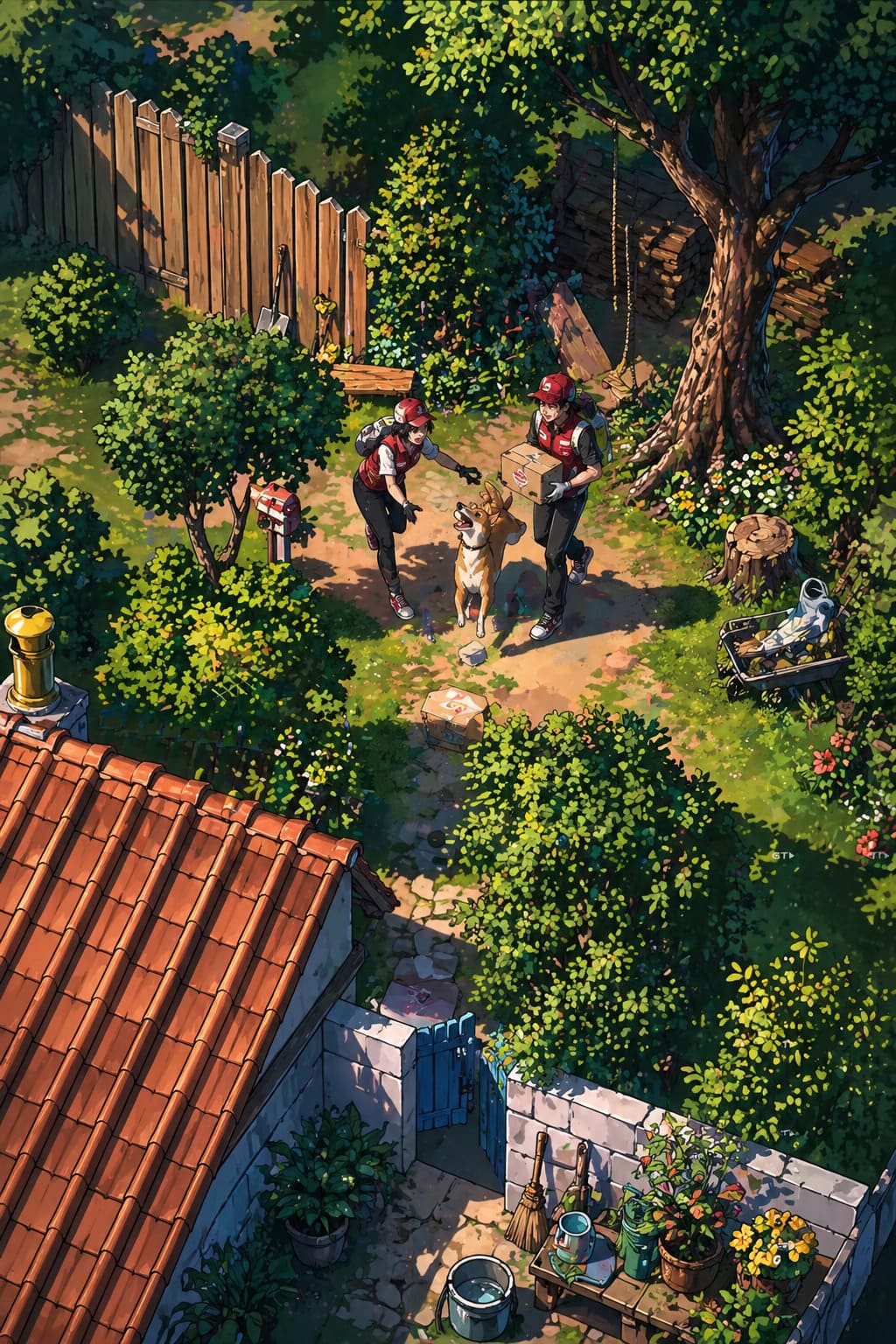
This guide reflects a mix of practical upgrades and personal experience from experimenting with different builds and playstyles.
Getting Started: Why Customization Actually Matters
Customization in Tiny Delivery is not just cosmetic. It is tied directly to progression. You earn upgrade parts through deliveries, NPC interactions, and exploration, slowly evolving your basic courier bot into something far more capable.
Essential Blood of Dawnwalker Mods 2026: Camera Fixes, Graphics Overhauls & QoL Tweaks
The Upgrade Station or Workshop in the central hub is where all customization happens. From there, you can modify performance, mobility, and appearance.
What makes this system interesting is the freedom. You are not locked into a single optimal build. Instead, you are encouraged to experiment.
Core Upgrade Systems (What Actually Impacts Gameplay)
After spending time testing different setups, upgrades in Tiny Delivery clearly fall into three main categories: power, movement, and utility.
Power & Endurance Upgrades
These upgrades define how far and how safely your robot can operate before needing to recharge.
- High-Capacity Battery – increases travel range
- Refrigerated Cargo Module – protects perishable items
- Efficiency Core Upgrade – reduces energy consumption
Battery upgrades are often underestimated early on. However, longer routes quickly expose their importance, especially when carrying sensitive cargo.
Movement & Terrain Handling
Movement upgrades completely change how you interact with the map. The town is layered and varied, requiring different traversal strategies.
- All-Terrain Wheels – improves stability on uneven surfaces
- Jump Thrusters – enables vertical exploration
- Stability Suspension System – reduces cargo spill risk
- Climbing Assist Module – improves vertical movement
Jump Thrusters stand out as one of the most enjoyable upgrades because they unlock hidden exploration paths and rooftop shortcuts.
Navigation & Quality-of-Life Systems
These upgrades improve control and reduce frustration during longer delivery routes.
- Advanced GPS Module – better route tracking
- Route Prediction AI – suggests optimal paths
- Obstacle Detection Sensors – helps avoid collisions
While not flashy, these upgrades significantly improve overall flow and reduce navigation errors.
Visual Customization: Personalizing Your Robot
Beyond performance, Tiny Delivery offers extensive visual customization options that help define your robot’s identity.
Skins, paint schemes, and cosmetic upgrades are often tied to NPC quests and exploration rewards, making them feel meaningful rather than purely decorative.
- Basic colors like red, blue, and yellow available early
- Rare glowing or iridescent skins hidden in exploration zones
- Quest-based themed skins from NPC interactions
The visual system encourages experimentation and rewards curiosity rather than grind-heavy progression.
Accessories & Special Gear
Accessories add personality and sometimes small gameplay effects.
- Thinking Cap Module – boosts experience gain in specific tasks
- Safety Flags – improves visibility and style
- Utility Attachments – minor gameplay modifiers depending on loadout
These items are not always essential, but they add flavor and personalization to your build.
Best Build Strategies (From Practical Testing)
After experimenting with multiple approaches, several effective build styles emerge.
Balanced Courier Build
This build is ideal for general progression and story completion.
- Medium battery
- Stable wheels
- GPS navigation system
- One utility upgrade
Explorer Rooftop Build
This build focuses on traversal and discovering hidden areas.
- Jump thrusters
- Lightweight frame
- Enhanced sensors
- Reduced cargo capacity
Heavy Logistics Build
This setup prioritizes efficiency and cargo safety.
- High-capacity battery
- Refrigerated cargo system
- Reinforced suspension
- Stability-focused wheels
Upgrade Priorities Overview
| Category | Recommended Upgrades | Benefit |
|---|---|---|
| Power | Battery, Efficiency Core | Longer operational range |
| Mobility | Wheels, Suspension | Stable movement and cargo safety |
| Exploration | Jump Thrusters | Access to hidden areas |
| Utility | GPS, Sensors | Better navigation control |
Community Tips That Actually Help
After reading community discussions and testing suggestions, a few consistent insights stand out.
- Stability upgrades are essential early on to prevent failed deliveries
- Exploration often yields better rewards than shops
- NPC quests can unlock rare cosmetic items
- Upgrade planning should match delivery routes, not random choices
Thinking in terms of upcoming routes rather than isolated upgrades significantly improves efficiency.
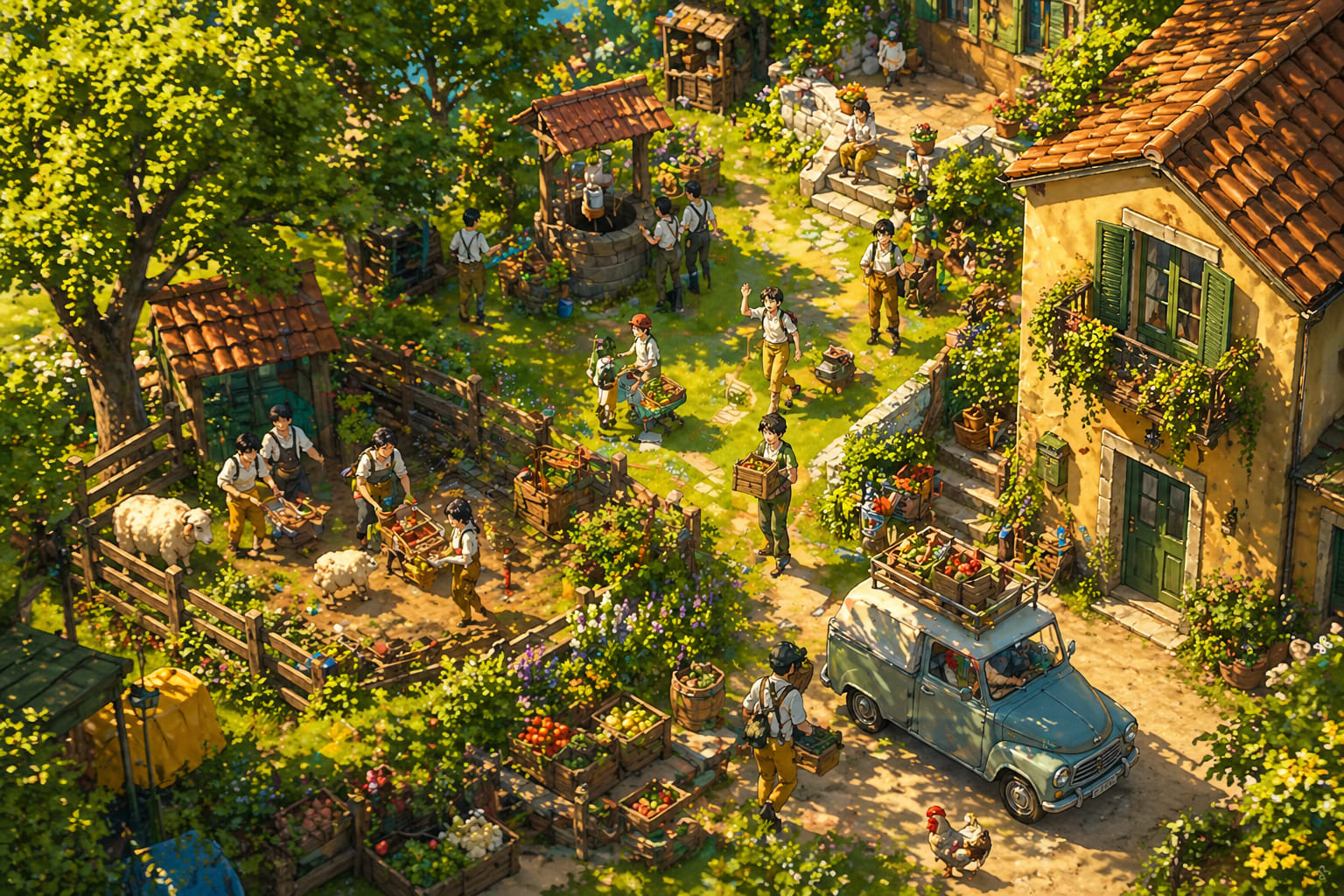
Tiny Delivery 2026 Secrets Guide: Hidden Routes, Odd Shortcuts & Underground Treasures You’ll Probably Miss
There are games you “finish,” and then there are games like Tiny Delivery—where finishing the main loop almost feels like the tutorial for something much bigger hiding underneath. I’ve been following this one since the early teasers, and what really stands out isn’t just the cute robot courier concept, but how much hidden world design Sinica seems to be packing into every corner.
What started as a simple delivery simulator has quietly turned into a playground of secret paths, environmental puzzles, and “wait… you can actually go THERE?” moments. Below is a structured breakdown of the most interesting hidden routes and treasures currently being discussed in the 2026 community meta and early builds.
This isn’t just a checklist—it’s more like a traveler’s notebook from someone who keeps getting distracted by rooftops, alleys, and suspiciously interactive scenery.
Why Hidden Routes Matter More Than Main Delivery Paths
At first glance, Tiny Delivery looks like efficiency: take package A to point B. But once you start exploring, you realize the real reward loop is elsewhere.
Hidden routes usually give cosmetics, lore fragments, upgrade components, or just that “I wasn’t supposed to be here” feeling that makes exploration addictive.
And honestly, that last one is often the most valuable reward in the entire game.
1. Rooftop Shortcut – Central Plaza
This is one of the earliest discoveries players stumble into once they start ignoring ground-level paths.
If your jump thrusters are upgraded, you can chain movement across delivery vans, scaffolding, and building edges behind the Central Plaza. This route completely bypasses the crowded main street and its chaotic NPC traffic.
The reward isn’t just loot—it’s learning that vertical movement is basically a second map layer.
Reward: Hidden decal case and early access traversal advantage.
2. Sunken Canal Passage
Most players treat water areas as hard boundaries, but Tiny Delivery quietly breaks that assumption.
Near the waterfront, there’s a narrow pipe entrance leading into a submerged tunnel system. Navigation here feels tighter and more experimental than the main routes, but it opens into a dry hidden alcove.
Reward: Glowing cargo skin with unique lighting effects.
3. Library Basement Archives
This is one of those secrets that feels almost playful in design.
Interacting with a specific bookshelf in the library (yes, even knocking it over accidentally works) triggers a pressure mechanism that reveals a hidden staircase.
Below is a small archive room filled with environmental storytelling elements and a cosmetic item known as the Archive Hat.
Reward: Lore-rich space + cosmetic collectible.
4. Lighthouse Lookout
The lighthouse looks decorative at first, but it is fully climbable.
Reaching the top requires patience and careful navigation along exterior ladders, but the reward is a chest containing rare paint patterns.
This area also ties into a panoramic achievement system that encourages exploration of high vantage points.
Reward: Rare customization patterns + achievement progress.
5. Apartment 202 Balcony Key
This secret feels more like a chain reaction than a single discovery.
During a delivery to a specific NPC, interacting with her balcony area and disturbing a flower pot triggers a hidden item drop—a mailbox key.
This key unlocks a lobby container containing unique robot decals, often missed by players rushing through delivery routes.
Reward: Cosmetic decals + hidden interaction chain.
6. Alleyway False Wall
A newer area in updates, this alley introduces one of the more meta-style secrets.
A poster showing an early concept map of the town is actually a disguised entrance. Behind it is a hidden room filled with broken props and a Scrap Metal Trophy.
This feels like a direct nod to development history and cut content ideas.
Reward: Trophy collectible + developer-style Easter egg room.
7. Waterfall Cavern
This is one of the most atmospheric hidden areas in the game.
Beneath the main bridge waterfall, players can pass through the water curtain into a tunnel. Inside, there’s a looping screen showing early prototype builds and unused systems.
It functions like a quiet museum of development history hidden inside gameplay space.
Reward: Visual Easter egg + prototype footage loop.
8. Park Underground Shelter
The park looks harmless at first, but it hides one of the most functional secret areas.
Under a playground slide is a concealed hatch that requires interaction with a guard dog NPC using a specific item to unlock access.
Inside the underground shelter are upgrade components and resource caches that significantly help mid-game progression.
Reward: Upgrade materials + hidden utility zone.
9. Abandoned Film Set – North Woods
This area is easy to miss because it sits completely outside normal delivery paths.
Old film equipment, broken lights, and props suggest it was once part of a production space within the game world.
Behind the equipment lies the Director’s Lens, an accessory that alters camera filters and visual tone.
Reward: Camera effect item + exploration bonus.
10. Rooftop Garden “Thinking Spot”
This is arguably the most peaceful hidden location in the game.
Reaching it requires precise rooftop traversal across air conditioning units and narrow platforms. Once at the top, players find a quiet rooftop garden far removed from the city noise.
At the center is the Thinking Cap, a rare item providing passive experience bonuses.
Unlike most rewards, this one feels less like loot and more like a rest stop designed for players who enjoy exploration itself.
Reward: XP boost item + endgame-style exploration space.
Final Thoughts
What makes Tiny Delivery interesting isn’t just that it hides secrets—it’s that it builds its entire identity around rewarding curiosity instead of efficiency.
Most of these locations don’t feel like “hidden content” in the traditional sense. They feel like alternate versions of the same world that only reveal themselves if you slow down and start ignoring the obvious route markers.
If the full release continues this design philosophy, Tiny Delivery won’t just be a delivery game. It will be a layered exploration sandbox disguised as one.
And honestly, that’s the kind of game where you don’t really “finish” it—you just slowly realize you’ve been playing it wrong the whole time.