Long Gone Puzzle Walkthrough – Platforming & Hard Sections Explained
There’s something oddly calming about wandering through the ruins of a broken world—especially when the game doesn’t rush you with constant action.
Long Gone is one of those rare experiences that trades chaos for atmosphere. Instead of mowing down zombies, you’re studying them, working around them, and sometimes even… respecting them as part of the environment.
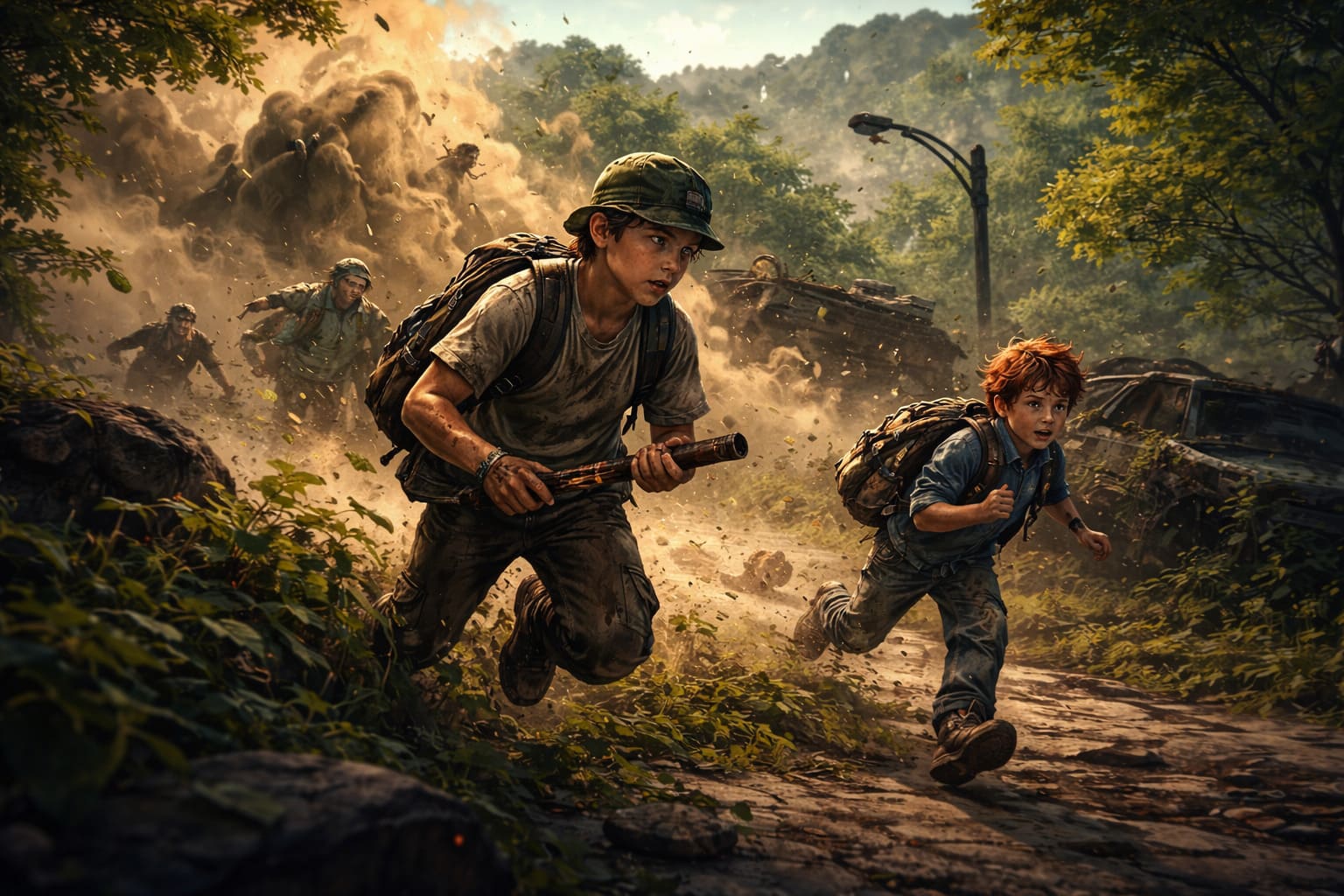
As someone who enjoys games that reward patience and curiosity, I found Long Gone surprisingly refreshing. It blends 2.5D platforming with deeper exploration in a way that feels natural, not forced.
This guide isn’t just about getting through tough sections—it’s about understanding how the game wants you to think.
2026 Guide to Fixing Soulmask Tribesmen Pathing Issues
Why Long Gone Feels Different
Most post-apocalyptic games lean heavily into combat. Here, the tension comes from absence—empty homes, quiet streets, and subtle storytelling.
What stood out to me:
– Zombies aren’t enemies—they’re puzzles
– Exploration is more important than reflexes
– The world rewards attention to detail
If you rush, you’ll miss things. And in Long Gone, missing things often means getting stuck.
Core Mechanics You Need to Understand
Before diving into specific sections, let’s talk about how the game actually works. Mastering these basics will save you a lot of frustration later.
1. Hybrid Movement (2.5D + 3D)
Outdoor areas feel like classic side-scrolling platformers, but interiors shift into more open exploration.
– Use vertical space constantly
– Look for ladders, ledges, and broken structures
– Don’t assume a path is purely horizontal
This mix can feel strange at first, but once it clicks, it becomes one of the game’s strengths.
2. Environmental Interaction Is Everything
If you’re stuck, you probably missed something.
Search:
– Drawers
– Cabinets
– Corners of rooms
– Hidden containers
Items aren’t just collectibles—they’re solutions. A random plank or tool might be the key to progressing.
3. Zombies as Obstacles
Instead of fighting, you observe behavior, use items strategically, and trigger interactions. Think of zombies like moving locks rather than enemies.
Walkthrough Highlights: Early Game Challenges
Let’s go through some of the sections that tend to trip players up early on.
The Overgrown Streets (Platforming Focus)
This is where the game teaches you to slow down and think.
The Broken Bridge Puzzle
At first glance, it looks like a dead end. You can’t jump across, and there’s no obvious solution.
What worked for me:
1. Head uphill instead of forward
2. Look for a ladder (easy to miss if you’re rushing)
3. Climb down and explore below the bridge
4. Collect wooden planks
5. Return and repair the bridge
It’s simple—but only if you notice the environment properly.
Hidden Reward Tip
Near the ladder, there’s a chest that’s easy to overlook. Inside, you’ll find useful resources that can help in upcoming sections. Always check side paths, even if they seem optional.
The Ruined Apartment (Exploration Shift)
This is where the game transitions into a more investigative style. Suddenly, you’re not just platforming—you’re thinking spatially.
Air Vent Navigation
Locked door? No key? Don’t panic. Instead, look up, check walls, and find vents. These act as hidden pathways and are often the intended solution, not a workaround.
The Rock Puzzle
You’ll encounter blocked paths with boulders. The trick is simple: push both rocks south and clear the path completely. It’s one of those puzzles where overthinking actually slows you down.
The “McBite-Face” Encounter
This is your first real test of the game’s zombie-as-puzzle philosophy. The name is weird, but the moment is memorable.
What you need:
– Rusted Pistol
– At least one Bullet
What not to do:
– Don’t panic
– Don’t treat it like a shooter
Instead, prepare your weapon in advance, use it at the right moment, and focus on timing rather than aggression. It feels less like combat and more like solving a mechanism.
Practical Tips That Actually Help
✔ Search like you mean it
If something feels off, there’s probably a hidden item, missed interaction, or clue nearby.
✔ Save your ammo
Bullets are rare and should only be used when the game clearly expects it.
✔ Pay attention to dialogue
Choices can affect character morale and later outcomes in subtle but meaningful ways.
Key Locations and Rewards Overview
Outskirts Hill — Repair the broken bridge — Access to new area
Lower Ledge — Explore near ladder — Valuable healing items
Rock Path — Move boulders south — Consumables and resources
Starting House — Full search — Essential early supplies
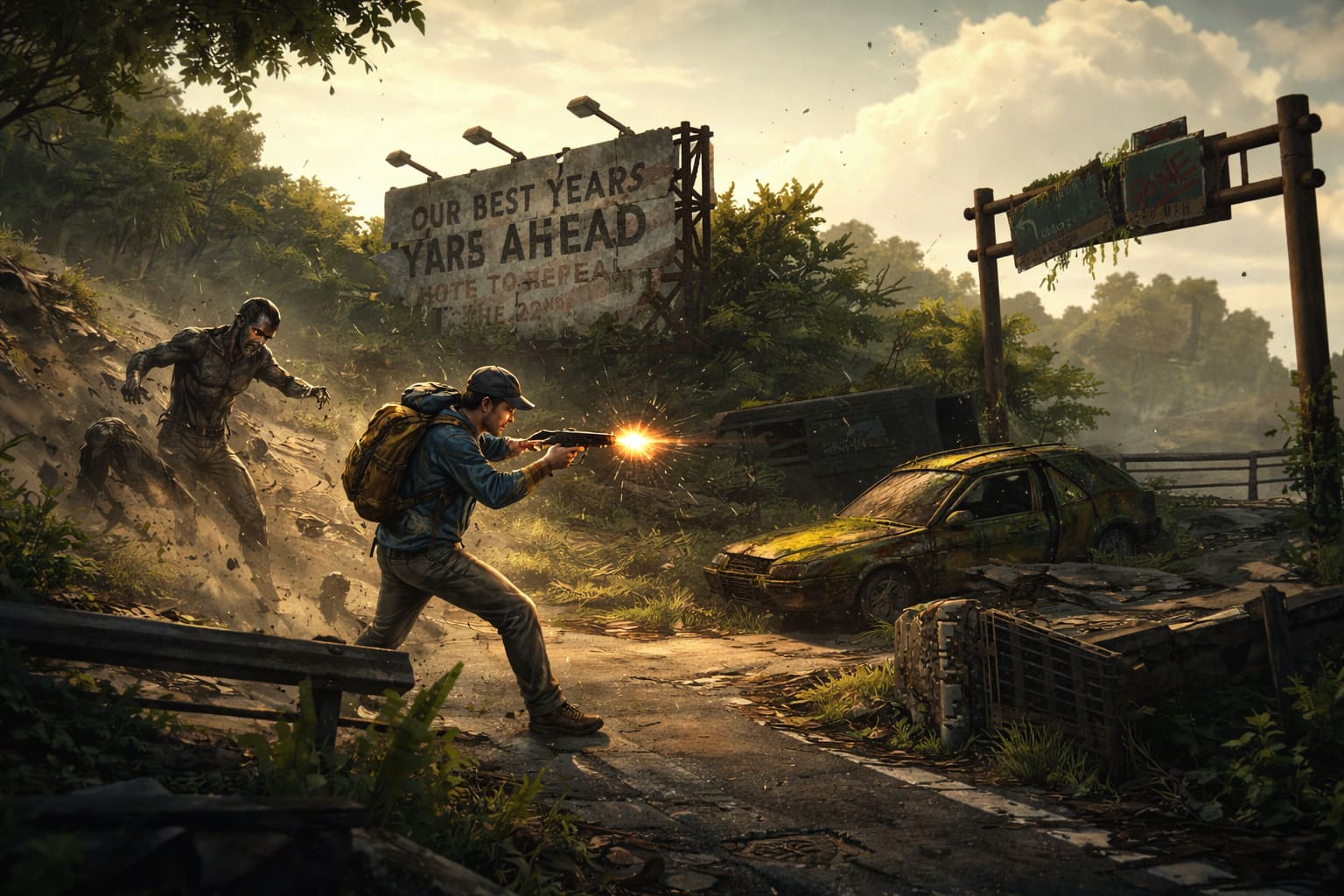
Long Gone Feels Different: Why Its Puzzles Actually Tell the Story (And How to Beat the Toughest Ones)
There’s a certain kind of game that doesn’t just give you puzzles — it asks you to feel them. Long Gone falls right into that category.
It’s not about jumping over gaps or pushing blocks for the sake of it. Instead, every obstacle feels like a fragment of a broken world you’re slowly trying to understand.
After spending time with the game, I started to notice something important: the hardest sections aren’t hard because of mechanics — they’re hard because they expect you to pay attention.
The Broken Bridge — A Simple Puzzle That Sets the Tone
At first glance, this is the kind of moment you’ve seen a hundred times in games: a broken bridge blocking your path. But here, it’s not just a roadblock — it’s a quiet introduction to how Long Gone wants you to think.
Most players instinctively search for a direct fix near the bridge and get stuck. Instead, the game encourages exploration rather than brute force problem solving.
- Head north from the bridge
- Follow the path until you find a ladder
- Climb down into the lower area
- Collect 3 Belladonna from the chest
- Find wooden planks beneath the bridge structure
- Return and repair the bridge
This section quietly teaches a core idea: progress often comes from understanding space, not just solving puzzles. It’s a subtle shift in mindset that defines the rest of the game.
The Forest Maze Rock Puzzle — Small but Easy to Misread
This puzzle looks simple, but players often overthink it because of how the game frames everything else. Two large rocks block a southern path, and the solution is more direct than expected.
- Push both rocks south
- Continue through the opening
- Collect Purple Plant and Chocolate Bar
The reason this works so well is pacing. The game briefly removes complexity and forces players to trust simple logic again. Sometimes the answer really is just the obvious one, but only if you stop assuming otherwise.
Varsovia Spire Door Puzzle — The Turning Point
This is where Long Gone shifts from environmental exploration into structured logic storytelling. The puzzle requires reconstructing a timeline using portrait bios and chess piece symbols, with no obvious direction at first.
The key steps are:
- Interact with all portraits
- Read and save all bios in Notes
- Ignore portraits without chess markers
- Recognize that White Pawn is fixed in the middle
- Arrange remaining pieces based on chronology
Final sequence matters and looks like this:
| Position | Piece |
|---|---|
| 1 | White Knight |
| 2 | Black Queen |
| 3 | White Pawn |
| 4 | White Rook |
This puzzle stands out because it merges narrative and mechanics. You are not just solving logic — you are reconstructing meaning from fragments of history hidden in portraits.
Tactical Sniper Sections — Pressure Over Precision
These segments completely change the pace of the game. Instead of exploration or logic, you are thrown into timed execution challenges that test awareness and composure.
The core challenge is simple but stressful: eliminate 8 total targets using limited ammo and strict time pressure.
Target distribution:
- Building area: 4 targets
- Warehouse area: 4 targets
Key positioning details include enemies near doors, bushes, rooftops, vehicles, and road edges. The challenge is less about aim and more about memorization and calm execution.
Practical survival tips:
- Do not rush the first shot
- Identify static targets first
- Learn patterns after the first attempt
- Think in sequences, not reactions
These sections are designed to break pacing intentionally, shifting players from slow thinking into pressure-based execution.
Morale System — The Hidden Layer Most Players Miss
One of the most underrated mechanics in Long Gone is its morale system. Dialogue choices are not cosmetic — they influence gameplay outcomes and companion behavior.
For example, during an early creature encounter, choosing a more aggressive stance like “We can’t reason with this thing” provides a morale boost to your companion Adair, which becomes important later in the game.
This system affects:
- Companion performance
- Survival difficulty
- Potential story outcomes
It reinforces a key idea: what you say matters almost as much as what you do.
Why These Puzzles Work So Well Together
What makes Long Gone interesting is not any single puzzle, but how they interact. The game constantly shifts between observation, logic, exploration, and pressure, forcing players to adapt.
| Element | Traditional Games | Long Gone |
|---|---|---|
| Puzzles | Obstacles | Storytelling tools |
| Exploration | Optional | Essential |
| Dialogue | Flavor text | Gameplay impact |
| Difficulty | Mechanical | Observational + emotional |
This structure is what makes the game memorable. It is not just testing skill — it is testing attention, patience, and interpretation.
Final Thoughts
Long Gone is not always perfectly clear, and some sections can feel deliberately opaque. But that ambiguity is also part of its identity. When it works, it creates moments where the player feels genuinely involved in uncovering meaning rather than simply completing tasks.
If you approach it like a standard puzzle-platformer, frustration is almost guaranteed. But if you treat it like a world that hides its logic inside its environment, it becomes something far more engaging and atmospheric.
And that is exactly why it stands out.