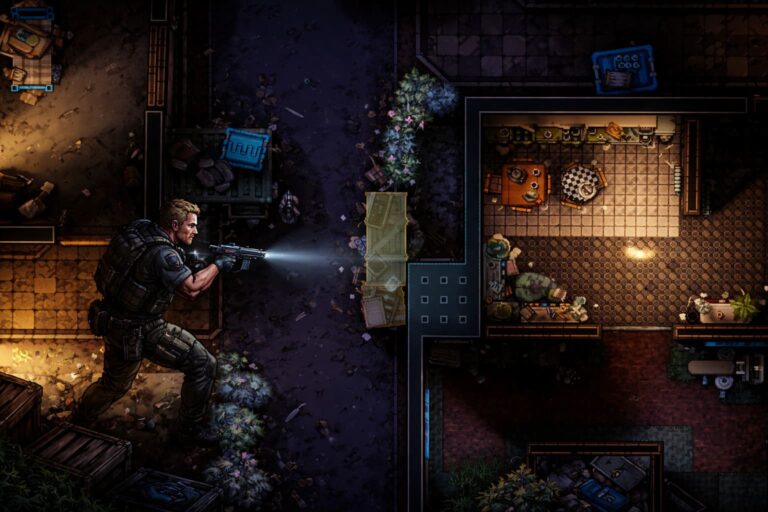
Dreadmoor Beginner’s Guide: How to Survive the Chaos of the Drownlands
Welcome to Dreadmoor, a world that feels like someone took a post-apocalyptic nightmare and added a massive dose of radioactive water. If you thought fishing was a calm, meditative activity, think again—here it’s survival first, relaxation maybe never.
Between mutated monsters, dangerous night shifts, and unpredictable waters, every catch is a battle.

If you’re starting your journey, don’t panic. I’ve spent countless hours navigating submerged ruins, dodging night predators, and figuring out which baits make these grotesque critters bite.
Here’s my take on how to turn a rusty trawler into a fish-catching machine and survive the Drownlands like a seasoned fisherman.
Endalor Lore & Story Explained: Why This New Playtest Feels Different
1. Your First Trawler: Learning the Basics
When you first take the helm, your trawler is basically a floating cardboard box with a motor—but it’s yours. Think of it as your first tiny spaceship in a hostile sea. Before venturing too far:
- Learn the Controls: Rudder, engine, and anchor. Sounds simple, but panicking mid-bite will teach you humility.
- Starter Gear: Your basic rod works, but it’s slow. Don’t underestimate how long even a “tiny” fish can fight.
- Your Goal: Catch fish, sell them to survivors, earn cash, and upgrade your gear. It’s survival economy 101.
Pro Tip: Upgrade the engine and cargo hold first. Multiple small engines are better than one big engine. If one fails in a “red mist” zone, at least you can limp home instead of becoming fish food.
2. Reading the Waters: Where the Fish Actually Are
Not all water is equal in Dreadmoor. Some areas are practically fish-free nightmares, while others hide enormous mutated monsters ready to snap your line—or your face.
| Water Type | What to Expect | Tips |
|---|---|---|
| Shallow Shorelines | Small, easy fish | Good for practice, low risk |
| Deep Waters | Faster bites, rare species | Bring stamina-boosting food |
| Night Zones | Legendary mutated fish | High panic, high risk, very rewarding |
| Red Mist Areas | Aggressive creatures | Upgrade engine & carry nets for auto-loot |
Visual Cues Matter: Ripples, splashes, or weird “sparks” on the water surface are your best friend. Ignore them, and you might as well be fishing in a puddle.
Night Fishing: The thrill is real. Rare fish only appear after dark—but so do panic-inducing monsters. Keep a steady eye on your Panic Level. If it spikes, your rod skills plummet.
3. Gear and Mechanics: What Separates Pros from Noobs
Fishing in Dreadmoor isn’t just click-and-wait. Your equipment, bait, and timing literally define your success rate. Here’s the breakdown:
- Rods & Speed: Better rods = faster catch times. Don’t skimp—your time is valuable, and your life might depend on it.
- Bait is Mandatory: Each biome has its preferred bait. Freshwater fish want something different than the radioactive horrors lurking offshore.
- The Mini-Game: A fish bite triggers a skill mini-game. High Stamina improves accuracy on direction indicators. Low stamina? You’ll break lines, waste bait, and swear at your monitor.
Pro Insight: Always check the mini-game mechanics first. Many beginners reel like maniacs and end up snapping legendary lines because they ignored the tension bar.
4. Survival and Profit: Beyond Just Fishing
Once you catch your first haul, don’t think the hard part is over. Dreadmoor is as much about managing your loot as it is about catching it.
- Cargo Management: Some mutated creatures will literally eat each other if you leave them too long. Sell frequently.
- Nets vs. Pots: Nets auto-empty at the dock—perfect for passive profit. Pots require manual checking but can catch rare goodies if you’re patient.
- Watch the Tension Bar: Flashing red? Stop reeling immediately. The last thing you want is snapping a line full of valuable, hard-earned fish.
- Upgrade Strategy: Prioritize engines, storage, then rods. Surviving a red mist storm is more important than faster reels early on.
5. Extra Tips from a Dreadmoor Veteran
- Scout Before You Fish: Use binoculars or drones if available. Seeing a monster before it sees you is priceless.
- Night Vision & Glow Gear: Some fish are attracted to light, others flee. Learn which lures work for which species.
- Community Knowledge: Reddit, YouTube streams, and in-game chats are gold mines for discovering hidden hotspots. Don’t underestimate the power of player intel.
- Mental Game: Keep calm. Panic makes every mini-game exponentially harder, especially if the line snaps mid-legendary catch.
- Experiment: Dreadmoor rewards creativity. Sometimes, unconventional baits or fishing locations yield the rarest trophies.
Fishing in Dreadmoor isn’t just a mini-game—it’s a pulse-pounding survival experience. Every decision, from engine upgrades to bait choice, can mean the difference between scoring a legendary catch or becoming a snack for the local mutated wildlife. Embrace the danger, learn the waters, and above all, keep your stamina and your wits about you.
By treating fishing like both a sport and a survival mission, you’ll not only make profit but also gain a deep appreciation for the eerie, sunken world of Dreadmoor.
Surviving the Sunken Chaos: A Beginner’s Guide to Dreadmoor’s Drownlands
Dreadmoor’s submerged ruins offer one of the most intense early-game experiences for anyone who enjoys high-stakes, loot-driven adventure games. Inspired by mechanics reminiscent of Dredge, the game isn’t just about fishing or exploring—it’s about balancing survival, speed, and strategy in a world where the waters themselves seem alive with threats. For newcomers, understanding how mutated species behave and how to maintain an escape-ready engine is key.
Here’s my take on how to get ahead in the treacherous waters of the Drownlands, with tips that actually come from playing and tinkering rather than just reading guides.
1. Mutated Fish in the Drownlands: Profitable but Dangerous
The fish you’ll catch here aren’t your typical bass or trout. These mutated monstrosities bring both risk and reward. Treat them like precious cargo—and sometimes, like ticking time bombs.
Types of Mutated Fish:
- Aberrant/Corrupted Variants: These are grotesque takes on standard species, like the horrifying Grotesque Mackerel. They often come with eerie whispers or strange sounds, which can spike your panic or dread levels. Fun fact: I once kept a corrupted variant too long and noticed my character’s animations start trembling—this is not just for show; it impacts gameplay.
- Cannibalistic Cargo: One of the quirkiest mechanics in Dreadmoor is that some fish are aggressive even in your hold. If left unsold, smaller catches can vanish, leaving behind a single, larger predator. It’s like the fish are saying, “Survival of the fittest, even on your ship.” My early-game strategy now is to sell immediately after a big haul—less drama that way.
- Infected Species: Some fish carry the Corrupted status. You’ll notice them often after nighttime excursions, when “something slithers into your hold.” While these fetch high prices from niche traders, they can damage other items in your inventory. Personally, I treat them like double-edged swords: lucrative but hazardous.
Pro Tip: Always check your inventory after night fishing; corrupted species can silently destroy regular fish.
2. Engine Configurations for Beginners: Speed as Survival
In Dreadmoor, speed isn’t optional—it’s your lifeline. The infamous “red mist” will chase you if you linger too long, so having a reliable engine setup is essential.
Early-Game Engine Strategies:
- Safety First Layout: Instead of relying on a single big engine, use multiple small engines. This redundancy means that even if a monster disables part of your hull, you can still escape back to port. In my first few hours, I underestimated this and lost multiple hauls because a single strike immobilized me.
- Refined Outboard Stacks: Early-game favorites include the Refined Outboard Engine. Two of these give roughly 52.6 knots, which is usually enough to outrun most threats. They’re cheap, easy to install, and don’t require deep tech research.
- Engine Placement: Placing engines centrally in your hull grid is a lifesaver. Drownland predators tend to attack from the sides, so central placement protects your mobility. Personally, I also use this layout to tuck some cargo behind the engines for extra protection.
3. Engines vs. Efficiency: Quick Comparison
Here’s a breakdown I found super useful when deciding whether to go for speed or reliability:
| Configuration | Pros | Cons |
|---|---|---|
| Multi-Small Stack | High redundancy; difficult to disable fully | Lower top speed; occupies more grid slots |
| Big Engine + Jets | Maximum speed; “Zoom Zoom” factor | Very vulnerable; one hit can drop speed by 80% |
| Refined Outboards | Cheap, early-game friendly | Becomes obsolete in deeper ruins |
Personal Insight: Early on, I always favor redundancy over raw speed. Later, when you know the terrain and monsters, swapping to bigger engines becomes viable.
4. Early Gameplay Tips: Maximizing Profit and Survival
Here’s what I wish I’d known starting out:
- Plan Your Hauls: Don’t overload your ship with mutated species. Sell smaller hauls often—especially if you have cannibalistic or corrupted fish.
- Night Fishing Strategy: Nighttime yields rare, high-value catches but also brings more corruption risk. I schedule night trips when my hull is strong and engines are well-maintained.
- Engine Maintenance is Key: Small repairs between trips keep you ahead. Neglecting maintenance early means a single monster encounter can turn a profitable run into a disaster.
- Stay Ahead of the Red Mist: This mechanic is unforgiving. If you linger in one area too long, the mist overtakes you and can wipe out your cargo. Keep an escape route mapped in your head and engines in optimal condition.

5. Personal Observations: Why I Love Dreadmoor
What makes Dreadmoor stand out for me isn’t just the thrill of mutated fishing or high-speed escapes—it’s the combination of strategy, tension, and humor. Every haul feels like a gamble: will I return with all my valuable fish, or will the Drownlands claim them?
Even small design choices, like the whispering sounds of corrupted fish, or seeing one of your catches devour another, add layers of immersion that make it feel alive. And unlike other fishing or exploration games, you’re actively balancing greed and caution, which makes early-game progression surprisingly rewarding.
Quick Summary
- Mutated Fish: Highly valuable but may destroy each other or damage inventory.
- Engine Setup: Redundancy over speed early; central placement protects engines.
- Engine Types: Multi-small for safety, big engines for speed, refined outboards for accessible boosts.
- Tips: Sell quickly, maintain engines, stay ahead of threats, and don’t ignore corrupted fish.
Surviving Dreadmoor isn’t just about catching fish—it’s about thinking ahead, reacting fast, and making every haul count. The Drownlands reward smart risk-taking, and for anyone who loves tense, strategic adventure games, it’s pure joy.