Life Is Strange: Reunion Gameplay & 2026 Guide – Max and Chloe’s Final Journey
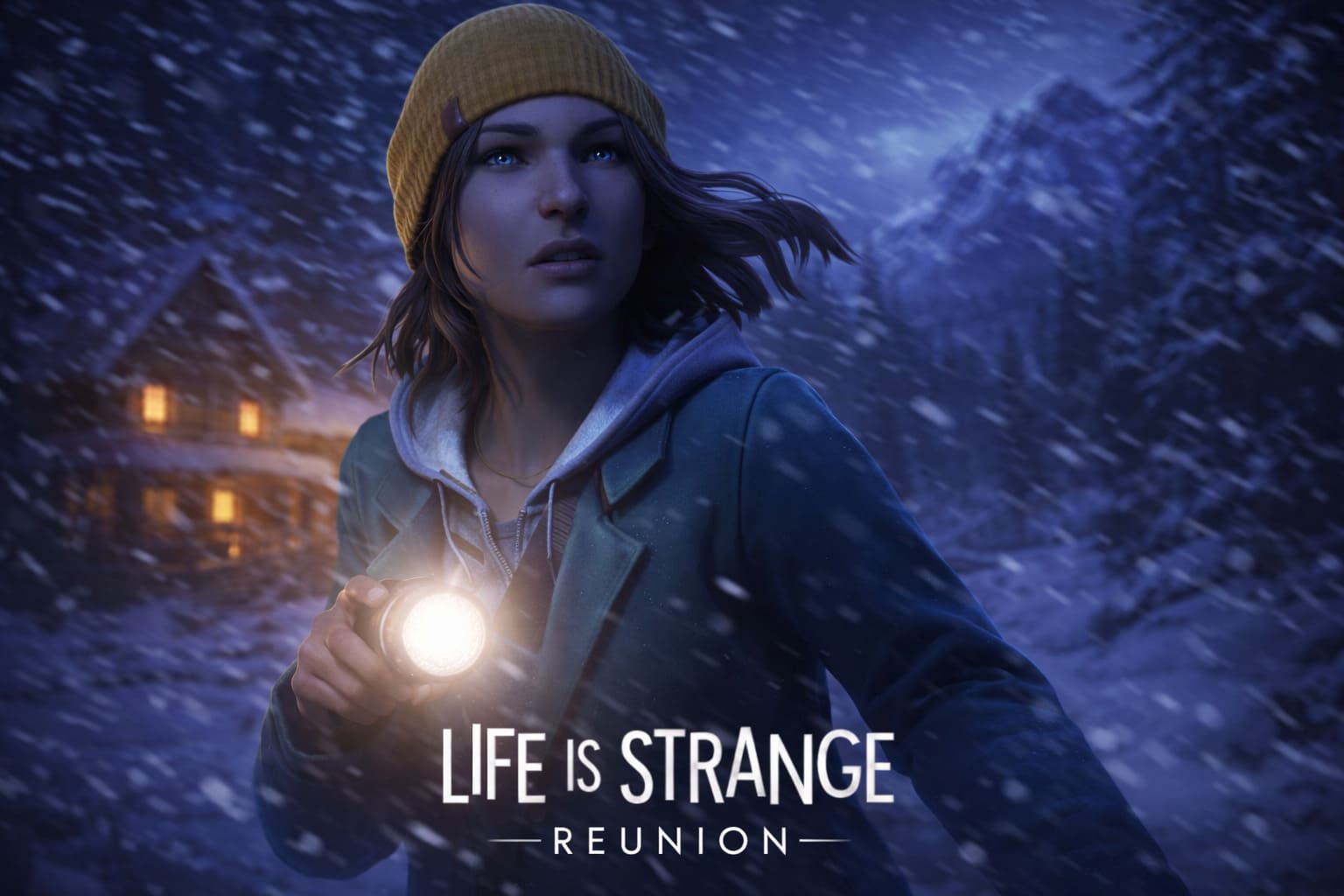
There’s something rare about finishing a story you’ve carried with you for over a decade. That’s exactly what Life Is Strange: Reunion delivers—a closing chapter that doesn’t just rely on nostalgia, but earns its emotional weight. Released on March 26, 2026, and developed by Deck Nine, this isn’t just another sequel—it’s a carefully stitched farewell to Max Caulfield and Chloe Price. And honestly? I didn’t expect it to hit this hard.
Why Reunion Feels Different From the Start
Let’s get this out of the way: this game exists because fans never truly moved on. Ever since the original 2015 ending split players into two camps—Sacrifice Chloe vs Sacrifice Arcadia Bay—there’s been this lingering “what if” hanging over the series. Reunion leans directly into that tension.
Instead of picking a “canon” ending, the game introduces a concept called the Timeline Collapse, where Max’s repeated manipulation of time has caused realities to bleed into each other. It sounds complicated, but narratively it gives the writers freedom to bring Chloe back in a way that feels surprisingly natural. More importantly—it respects your past choices.
Dual Protagonists: A Smart Evolution
Max Caulfield — Time Is No Longer a Tool, It’s a Burden
Max’s powers have evolved beyond simple rewinds. Now she manipulates fragments of reality itself, and every ability feels heavier than before.
- Time Anchoring – перенос предметов между временными линиями
- Echo Listening – hearing past conversations tied to locations
- Pulse State – brief moments where timelines overlap visually
Playing as Max carries a constant sense that every decision and power use comes with consequences.
Is Dragonkin: The Banished Canon to Warhammer? Lore, Developer Insights & 2026 Review
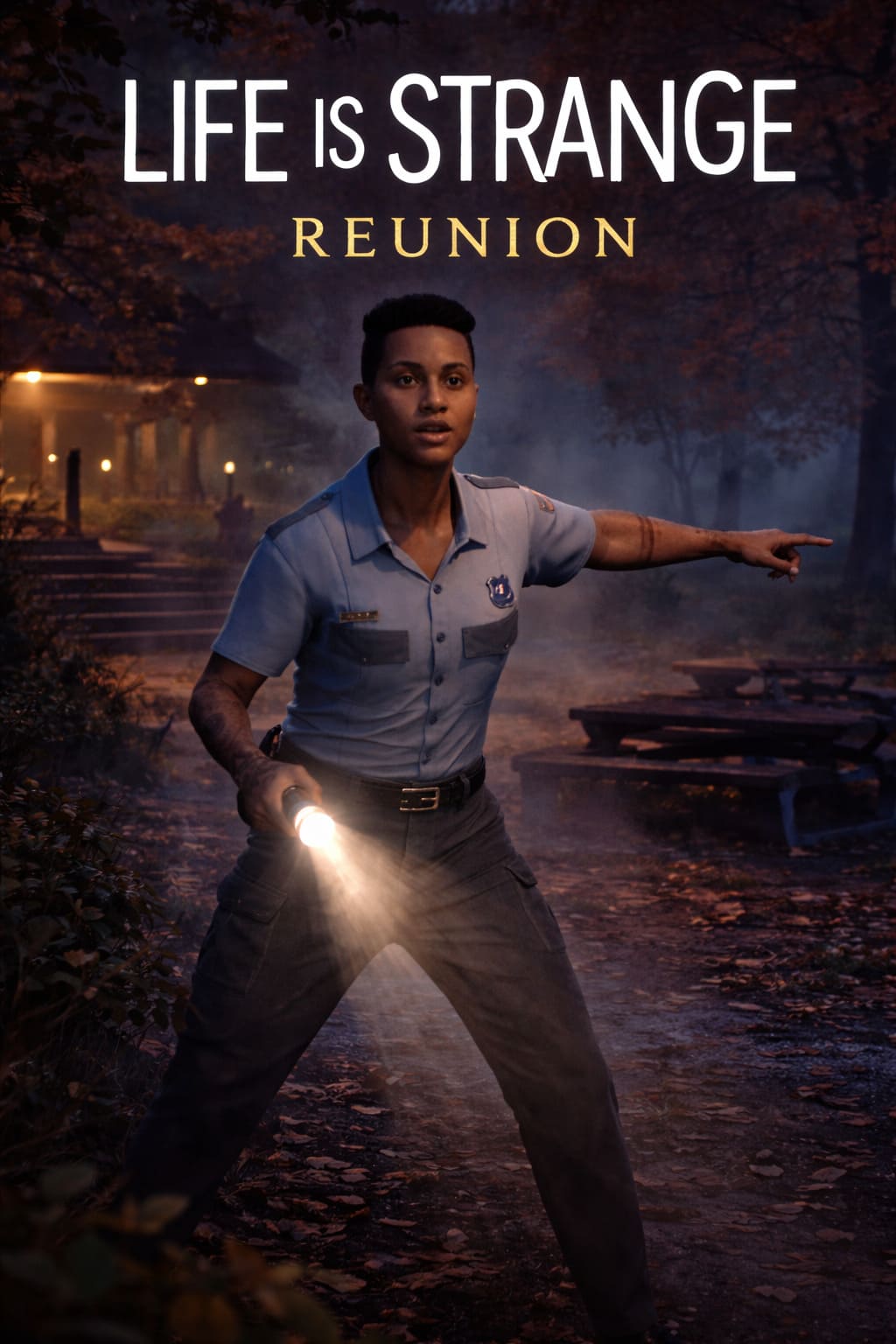
Chloe Price — No Powers, Still Dangerous
Chloe proves that she doesn’t need supernatural abilities to dominate a situation. Her presence brings a grounded but intense contrast to Max.
- Observation of character weaknesses through environment clues
- Dialogue battles that feel like psychological chess
- Stealth sections using distractions and lock-picking
Her Backtalk system feels sharper and more meaningful than ever, making every interaction feel like it matters.
Story & Emotional Core
The story begins during a snowy winter at Caledon University, where Max suffers from Chronological Decay—her body slowly breaking apart due to existing across multiple timelines. Then Chloe returns, not through cheap fan service, but through a Ghost Timeline merge that feels both strange and emotionally grounded.
What stands out most is how mature the writing feels. Max and Chloe are no longer impulsive teenagers; they are adults dealing with trauma, loss, and the fear of losing each other again. Conversations feel layered and real, like two people who share history and pain.
The Dialogue Problem
Life Is Strange has always had a unique writing style, and Reunion continues that tradition. Sometimes it works beautifully, and sometimes it doesn’t. There are moments where dialogue feels awkward, including an infamous scene involving questionable word choice that quickly became a meme.
However, when the writing hits its emotional peaks, it delivers some of the most powerful scenes in the entire series, especially during key story callbacks.
Visuals & Performance
Built on Unreal Engine 5.4, the game offers a significant visual upgrade while maintaining its artistic identity.
- Dynamic lighting clearly separates timelines with warm and cold tones
- Improved facial animations that feel natural and expressive
- Rich environmental storytelling with detailed surroundings
| Platform | Resolution | FPS | Notes |
|---|---|---|---|
| PS5 | 4K | 60 FPS | Smooth and stable |
| Xbox Series X | 4K | 60 FPS | Nearly identical performance |
| PC (High-End) | 4K + Path Tracing | 60+ FPS | Best visual experience |
| Mid-range PC | 1440p | 45–60 FPS | Requires optimization tweaks |
The game often encourages you to pause and appreciate its environments.
Soundtrack — Still the Soul
The soundtrack continues to define the emotional tone of the experience. It blends original compositions with licensed indie tracks, creating a deeply immersive atmosphere.
- Original score by Daughter
- Carefully selected indie music
- Return of quiet “Zen moments”
These slower moments allow players to reflect and connect with the characters on a deeper level.
Replayability & Choices
Unlike previous entries, Reunion brings meaningful choice back into focus. Your decisions impact not just dialogue, but entire narrative outcomes.
| Ending | Description |
|---|---|
| The Weaver | Max sacrifices her powers to stay with Chloe |
| The Guardian | Max protects time but loses physical connection to Chloe |
| The Chaos | Timelines collapse into a surreal conclusion |
| Hidden Variant | Unlocked through relationship-based decisions |
The relationship system tracks how you treat Chloe throughout the game, affecting emotional outcomes and endings.

What Works and What Doesn’t
- Pros: Emotional storytelling, strong character development, meaningful choices, visual improvements
- Cons: Occasional awkward dialogue, uneven pacing, some forced gameplay sections
Final Verdict
Life Is Strange: Reunion is a rare example of a sequel that truly understands its audience. It doesn’t just rely on nostalgia—it builds on it and brings closure in a meaningful way. The experience is emotional, sometimes flawed, but ultimately unforgettable.
It may not be perfect, but it delivers exactly what fans have been waiting for—a genuine farewell that feels earned.
SEO Summary
| Category | Details |
|---|---|
| Release Date | March 26, 2026 |
| Developer | Deck Nine |
| Genre | Narrative Adventure |
| Playtime | ~20 hours |
| Endings | 4+ |
| Platforms | PS5, Xbox Series X, PC |