Is Dragonkin: The Banished Canon to Warhammer? Lore, Developer Insights & 2026 Review
Let’s get this out of the way first: Dragonkin: The Banished is not part of the Warhammer universe. No hidden lore links, no secret Chaos cults, no Sigmar cameo waiting in DLC.
But here’s the thing most people are missing — as someone who’s sunk dozens of hours into ARPGs over the years, from Diablo clones to niche indie grinders — that separation is exactly what makes Dragonkin hit harder.
This isn’t a knockoff. It’s what happens when a studio finally takes the training wheels off.
Why Everyone Thought It Was Warhammer
If you’ve played Warhammer: Chaosbane, the DNA is immediately obvious. Same developer — Eko Software — same camera angle, same chunky combat feel, same “grimdark but colorful explosions” vibe.
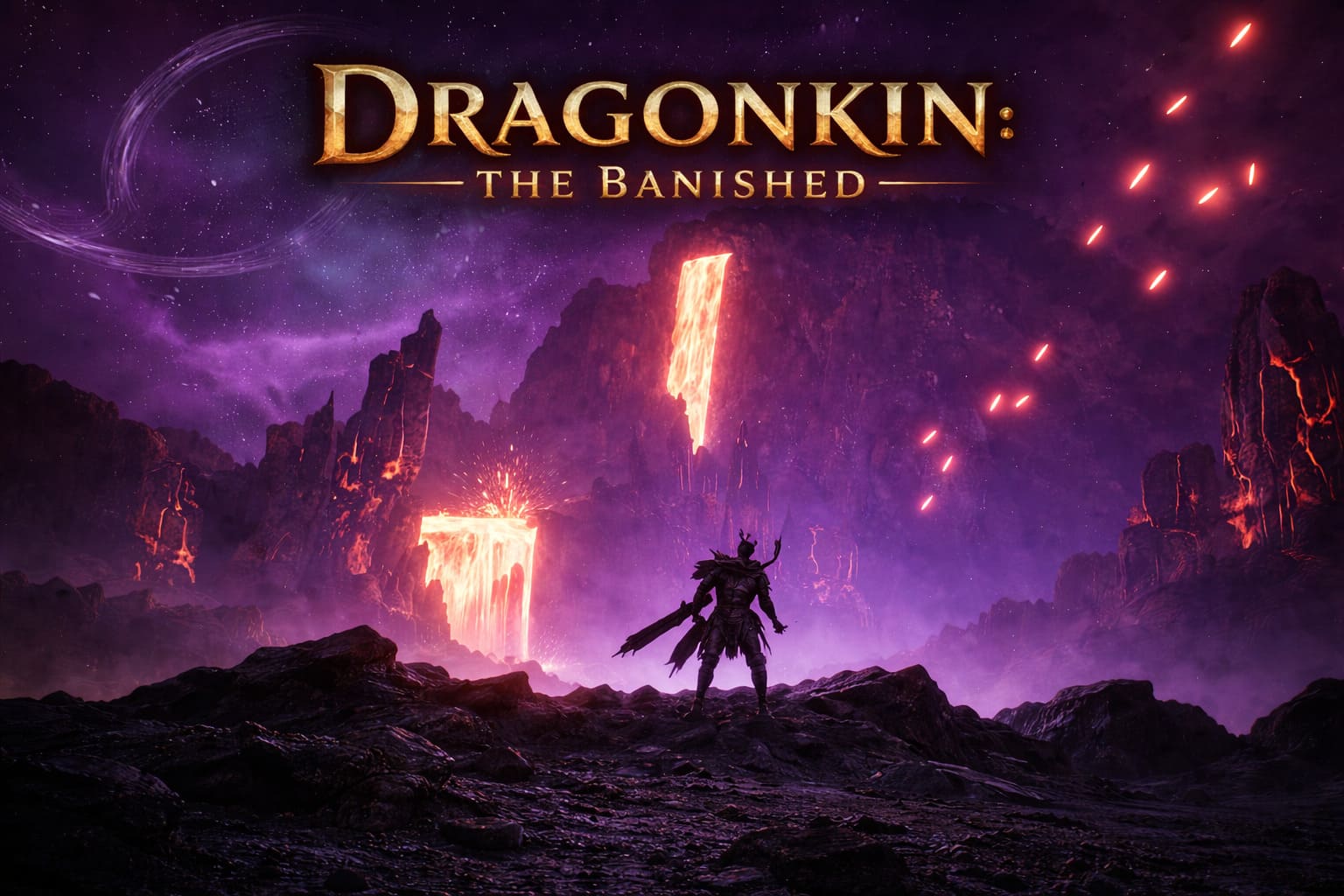
And honestly? For the first hour or two, it does feel like you accidentally booted up a sequel.
Here’s what fuels the confusion:
- UI familiarity – inventory, skills, menus feel almost identical
- Class archetypes – Barbarian, Knight, Archer, Oracle mirror classic fantasy roles
- Enemy design – grotesque mutations that feel Chaos-inspired
- World tone – dark, oppressive, constantly decaying
It’s like walking into a bar, seeing someone who looks exactly like your friend… but it’s not them. Close enough to make you hesitate.
But Lore-Wise? Completely Different Beast
Once you get past the surface, the illusion breaks — and in a good way.
Warhammer revolves around its iconic pillars: Chaos Gods, the Empire, the Winds of Magic, and decades of established canon. Dragonkin throws all of that out.
Instead, you get something more focused and surprisingly fresh.
The Core Idea: Power Through Corruption
In Dragonkin’s world, dragons aren’t just enemies — they are sources of power and decay.
You play as a “Banished” — someone who has consumed dragon blood, gained supernatural abilities, and been rejected by society for it.
It’s a familiar trope, but the execution feels tighter and more gameplay-driven than lore-heavy.
Montescail vs. The Old World
| Element | Dragonkin: The Banished | Warhammer Fantasy |
|---|---|---|
| Core Threat | Dragon Lords | Chaos Gods |
| Magic Source | Draconic essence | Winds of Magic |
| Setting Hub | Montescail | The Empire / Old World |
| Player Role | Outcast mutant hero | Chosen defender |
| Tone | Personal survival | Epic faction warfare |
Key takeaway: Dragonkin is less about massive lore and more about personal struggle and transformation.
The Real Star: Gameplay Evolution
Let’s be honest — lore alone doesn’t carry an ARPG in 2026.
What makes Dragonkin stand out is how it plays.
The Ancestral Grid System
This is where the game stops being “that Warhammer-like thing” and becomes something much more interesting.
Instead of a linear skill tree, you get a system based on modular skill fragments and grid placement.
- Skill fragments come in different shapes
- Placement affects how abilities behave
- Builds feel flexible and creative
For example, a Whirlwind ability can be modified into an elemental attack, a crowd-control tool, or a wide-area damage skill depending on your setup.
It lands somewhere between complexity and accessibility, giving players room to experiment without overwhelming them.
Combat Feel — Still a Major Strength
If there’s one thing Eko Software has consistently done well, it’s combat impact.
And that strength carries over here:
- Heavy attacks feel weighty and deliberate
- Magic hits with explosive force
- Enemy reactions add physical feedback
This is where the Warhammer comparison works in the game’s favor. Fans of that style will feel immediately comfortable.
Community Verdict
Over the past few weeks, discussions have shifted dramatically.
Early reaction: “Is this a Warhammer game?”
Current reaction: “Is this actually better than current ARPG competitors?”
That shift says a lot about how the game has been received.
Common feedback includes:
- Feels like a refined version of previous titles
- Higher difficulty adds depth
- Build crafting is engaging
- Systems reward experimentation
Criticism exists too, mainly around pacing, UI familiarity, and story depth, but overall sentiment remains positive.
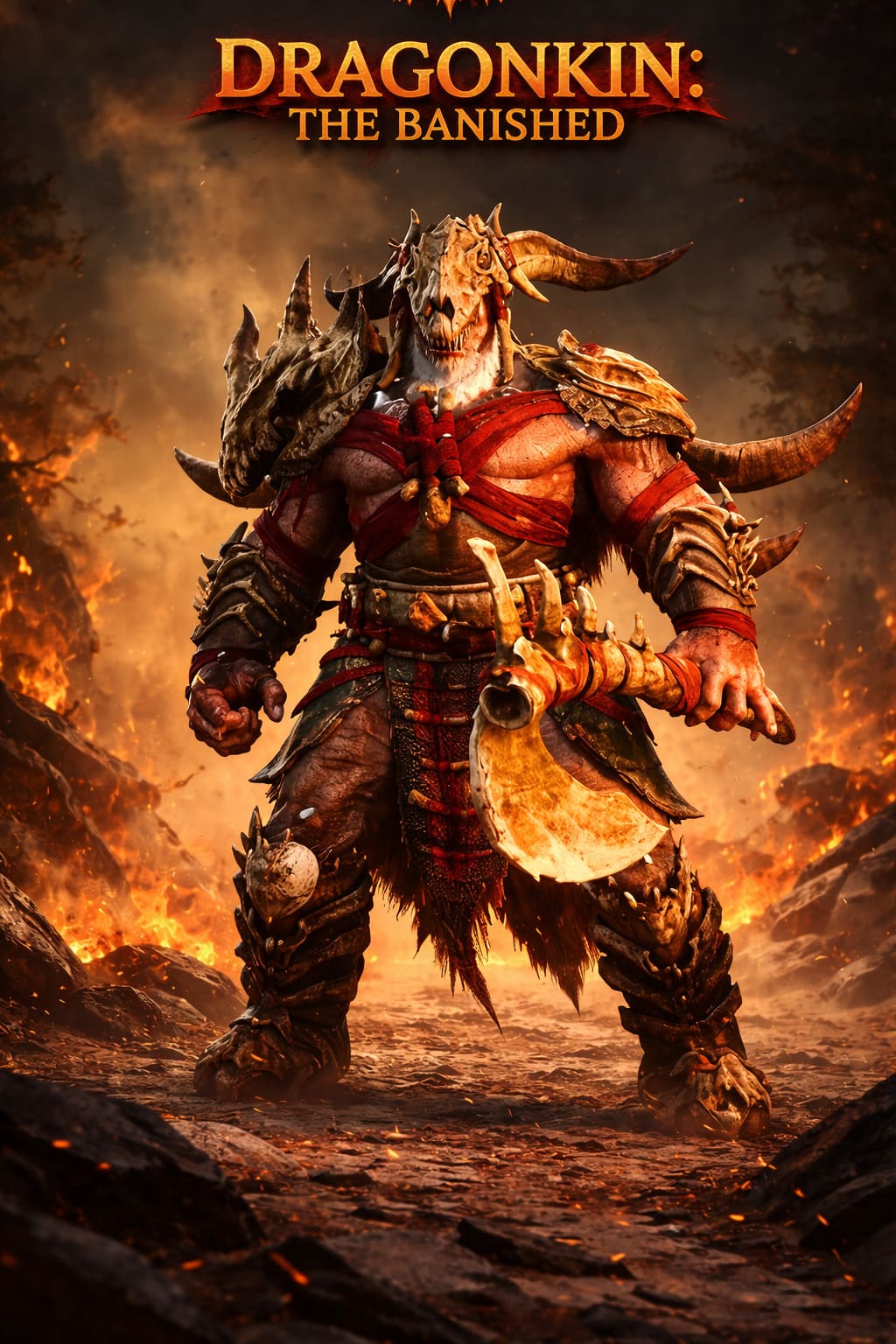
The “Dragonkin” Naming Confusion
Part of the confusion comes from naming overlap.
Warhammer already features creatures often associated with the term “Dragonkin,” leading to search confusion.
| Dragonkin (This Game) | Warhammer Creatures |
|---|---|
| Mutated humans | Ancient monsters |
| Blood-powered abilities | Chaos-aligned beings |
| Playable concept | Enemy faction |
The similarity is mostly superficial and doesn’t indicate any shared universe.
Should Warhammer Fans Play It?
Absolutely.
Even without official ties, the game delivers a familiar tone with more freedom.
Key reasons to try it:
- Dark, atmospheric world
- Heavy, satisfying combat
- Co-op gameplay that feels meaningful
- A functional and rewarding endgame
Endgame: The Wyrm’s Lair
One of the biggest improvements over previous titles is the endgame structure.
The Wyrm’s Lair introduces:
- Procedural encounters
- Scaling difficulty
- Build-dependent challenges
It keeps players engaged well beyond the main story and encourages continuous optimization.
Final Thoughts
Dragonkin: The Banished may look like a Warhammer-style game on the surface, but it quickly proves itself to be something more independent.
By stepping away from established lore, it gains flexibility, mechanical depth, and creative freedom.
It’s not perfect, but it stands confidently on its own.
Pros and Cons
Pros:
- Deep customization systems
- Satisfying combat mechanics
- Strong co-op features
- Engaging endgame content
Cons:
- Visual and structural familiarity
- Average narrative depth
- UI feels reused in places
Verdict
Score: 8.5 / 10
Dragonkin: The Banished proves that sometimes the best inspiration comes from stepping outside established universes.