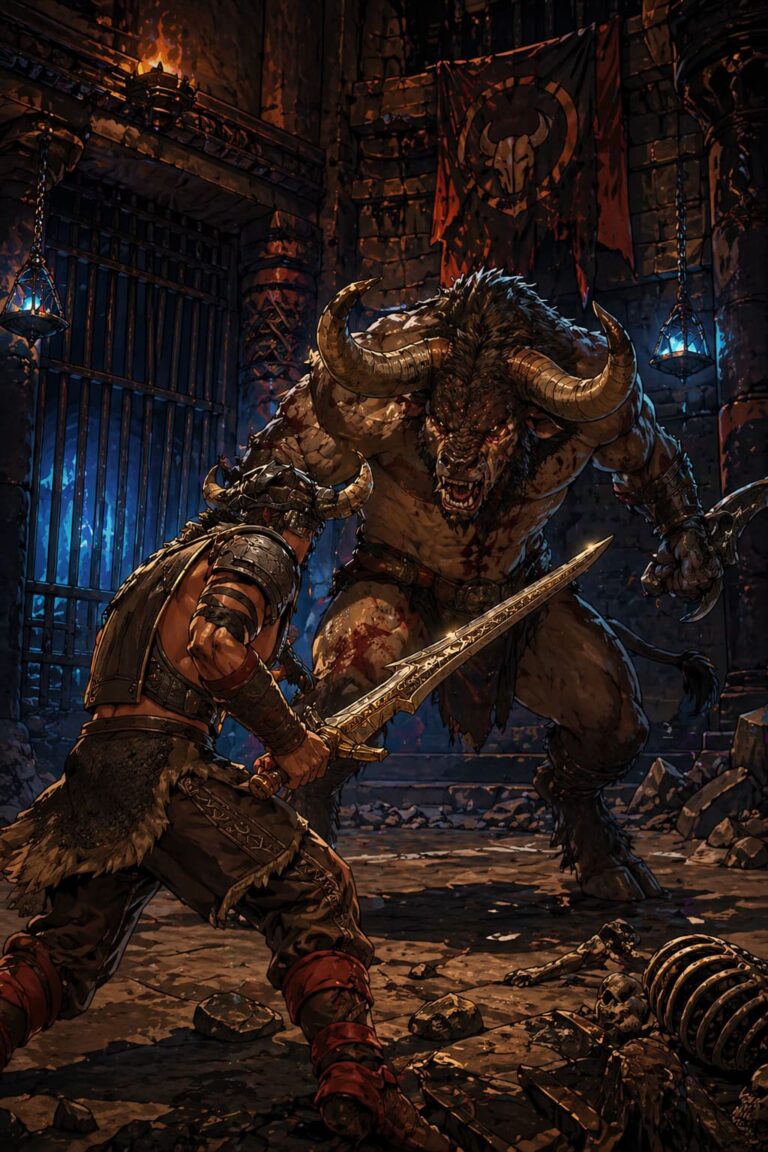
Endalor Lore & Story Explained: Why This New Playtest Feels Different
If you’ve been scouring Reddit, Steam discussions, or YouTube clips for the next hardcore RPG that actually feels alive, Endalor should be on your radar. Developed by the tiny but ambitious team at Diorite Games, this dark fantasy survival title is shaping up to be one of the most atmospheric experiences of early 2026.
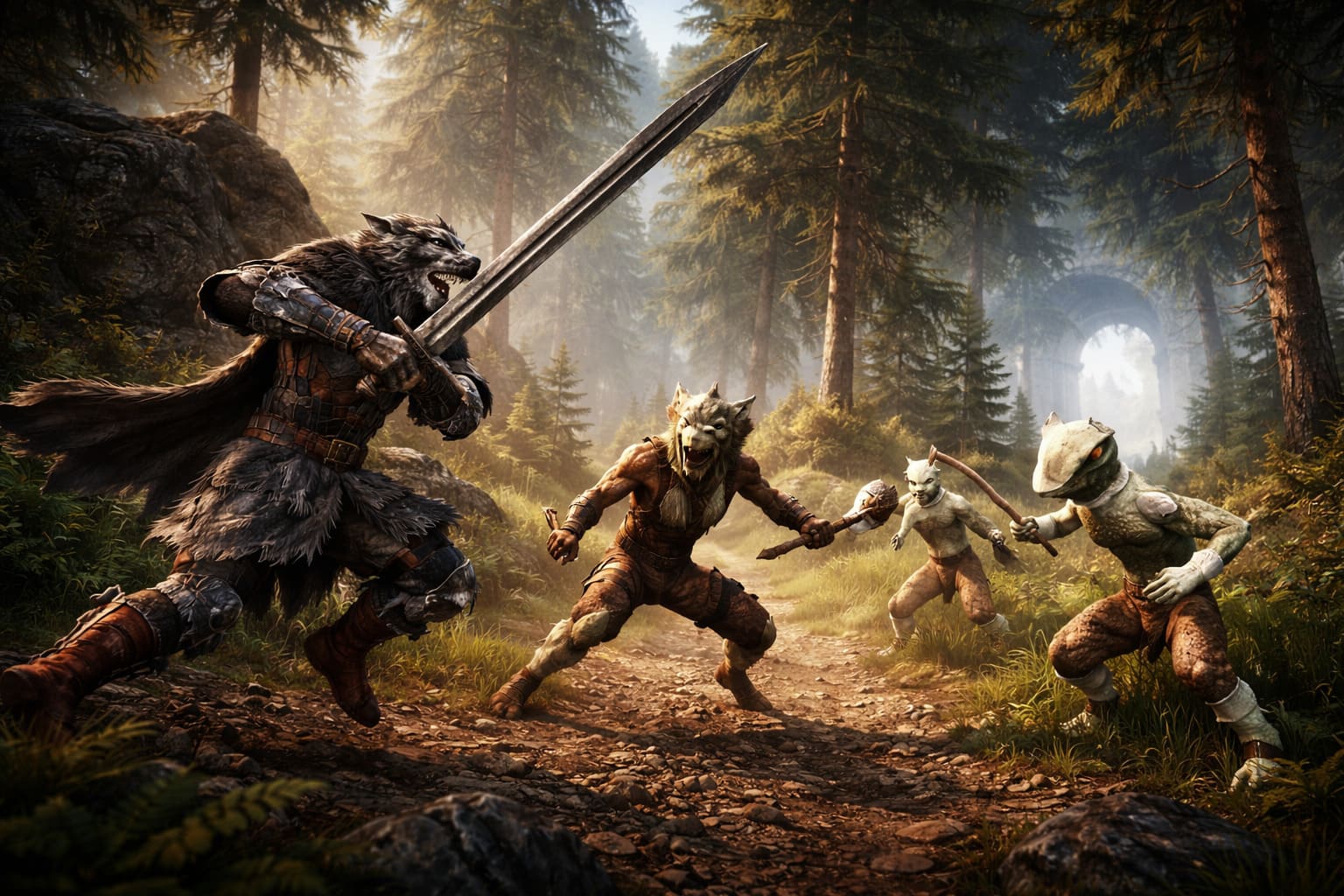
Unlike mainstream RPGs that hand you story on a silver platter, Endalor leans hard into environmental storytelling—a method that rewards exploration, curiosity, and a sharp eye for detail. Think Dark Souls or Elden Ring, but with a raw survival twist.
Here’s a deep dive into what makes Endalor’s lore and gameplay so fascinating.
Dragonkin: The Banished – Tracker Targeting & Combat Guide (2026)
The Origins of Endalor: The First Age
Endalor’s world isn’t just “post-apocalyptic fantasy”; it’s a land shaped by ambition, betrayal, and blood-soaked history. The narrative begins with a Great Prince fleeing his homeland across the Middle Sea, arriving at a vast, untouched continent he named Endalor, which translates to “New Land” in the Elden tongue.
- The Prince’s Campaign: Upon arrival, the Prince and his loyalists waged war against “wild men” and monstrous beasts. Their goal? To carve out a safe home in a harsh and untamed world.
- The Great Betrayal: Power corrupted some of the Prince’s closest allies. They sided with the very enemies they once fought, sparking a brutal civil war that decimated the southern territories.
- The Northern Exodus: Survivors fled to the frozen north, a land previously untouched by human settlement. After the Prince’s death, his sons divided the territory into three major kingdoms:
- Noriadar
- Norod
- Wennendor
This turbulent start sets the stage for a world defined by struggle and fragility. You don’t enter Endalor as a hero—you’re just another survivor in a world already scarred by betrayal and chaos.
The Second Age: Darkness and Decline
As Wennendor fell to mysterious Dark Forces, the Second Age began—a time when darkness seeped into every corner of the land. Civilization crumbled, leaving desolate landscapes and deadly threats behind.
Some key events that define this era:
- The Desolation of the Far North – Territories once habitable became frozen wastelands.
- The Fall of Vianor – A kingdom overtaken by the fearsome “Dreadmen,” an enigmatic and terrifying force.
- Southern Conquests – While the north suffered, southern kingdoms consolidated power, devouring smaller middle realms like Casriar.
By the time you step into Endalor, the world has long since lost its former glory. The land is unforgiving, and survival is as much a narrative experience as it is a gameplay mechanic.
Survival as Storytelling
One of the most compelling aspects of Endalor is how the world itself tells the story through player experience. Every ruined castle, abandoned village, and winding dungeon speaks volumes about the tragedies of the past.
Environmental Narrative Highlights:
- Ruined Castles: Not just places to fight; their design and placement hint at old defense strategies and political struggles.
- Deserted Villages: Ghost towns that suggest sudden, violent ends for their inhabitants.
- Underground Depths: Caverns and dungeons hold secrets, treasures, and dangers that slowly reveal the world’s history.
Artifacts and magic are equally important. Rare finds aren’t just gameplay tools—they carry the weight of the Elden legacy and the forgotten royal families of the First Age.
Combat, Survival, and the Player’s Role
Endalor doesn’t hold your hand. You start weak, under-equipped, and vulnerable, and the game’s stamina-based combat system punishes mistakes relentlessly.
- Combat Philosophy: Every swing, dodge, and block matters. One poorly timed attack could be the end.
- Resource Gathering: Collecting lizard lungs, wood, and stone isn’t “busywork”—it’s survival. You’re scavenging in a world where every resource counts.
- Environmental Adaptation: From freezing northern wastes to haunted forests, your surroundings constantly test your decision-making and resilience.
Survival itself is storytelling. Every successful raid, every narrowly survived encounter adds to the narrative of your character in this harsh, dying land.
Community Speculations: Is Endalor Truly Dead?
On forums like Reddit and Steam, players debate whether the world is fully “dead” or simply lying in a dormant, hibernating state. Hardcore monsters and strange NPCs suggest that while old kingdoms have fallen, a new ecosystem—twisted and dangerous—has risen in their place.
Developers have indicated that they’re actively expanding lore and gameplay mechanics behind the scenes. By keeping surprises hidden until launch, they aim to deliver an experience that feels alive and consequential.
Why Endalor’s Lore Matters
Endalor isn’t just another survival RPG. Its deep, tragic history enriches every moment of gameplay. The story of a Great Prince’s doomed ambition, a world corrupted by betrayal, and kingdoms succumbing to darkness provides a backdrop that makes every fight, every exploration, and every hard-earned artifact meaningful.
For players who love combining survival challenges with story-rich worlds, Endalor promises a rare experience where the landscape itself tells tales of triumph, loss, and horror. It’s brutal, it’s unforgiving, and it’s unmistakably alive—a world where the stakes feel real, and every step forward is a small victory against the odds.
Whether you survive or join the countless forgotten souls in the frozen halls of Endalor, the world itself is the true protagonist of this dark, compelling RPG.
Endalor is shaping up to be a survival RPG that rewards curiosity, patience, and strategic thinking. With its early access launch coming in Q1 2026, there’s never been a better time to explore the brutal, haunting lands of the New World and carve your story into its broken landscape.
Endalor’s Latest Playtest: Why This Survival RPG Feels Different
If you’re like me and love diving into survival games that punish mistakes but reward clever thinking, Endalor is shaping up to be a fascinating beast. Having spent hours in the latest playtest, I can say this: it’s not just another survival title. The combat hits hard, crafting progression feels meaningful, and every choice—from swinging a sword to setting up your base—carries weight.
Combat That Actually Demands Respect
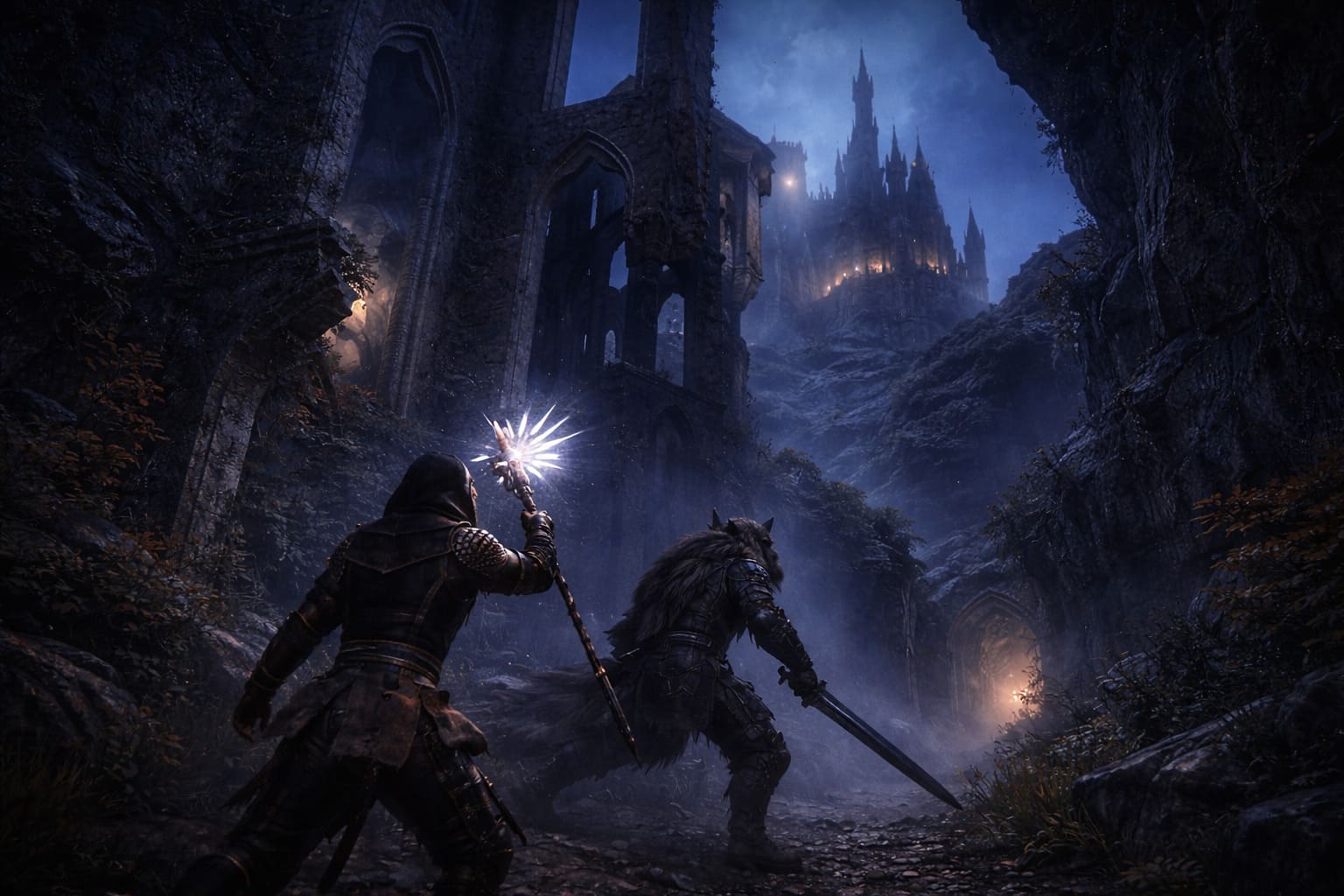
Unlike many survival titles where you can spam attacks and eventually win by sheer repetition, Endalor forces you to think about every swing. It leans heavily into “Souls-like” design philosophy, meaning timing, stamina, and positioning matter more than raw stats.
Weight and Momentum: Feel Every Weapon
Endalor nails the sense of physicality in combat. Every weapon carries a distinct “weight.” Swinging a two-handed claymore isn’t just slower—it’s a commitment. Miss a swing? You’re vulnerable, left with a noticeable recovery window. Lighter weapons allow faster combos, but you sacrifice the sense of impact. Personally, I switch between a nimble dagger for skirmishes and a greatsword for heavy-hitting encounters—a flexibility that feels extremely rewarding.
The Stamina Dance: Survival Hinges on Resource Management
The green stamina bar is your lifeline. Sprinting, dodging, attacking—they all pull from the same pool. In the latest build, “Stamina Regret”—running out mid-combo—is the leading cause of player deaths. Endalor punishes greed and rewards patience. Pro tip: never spam dodges thinking you’re invincible. The game doesn’t forgive.
Directional Blocking & Parrying
Blocking isn’t just holding a button. Timing is everything. A well-placed block can stagger smaller enemies and open them up to devastating riposte attacks. Landing a perfect parry on a bandit leader is a genuine adrenaline spike.
Magic and Ranged Combat Are Tools, Not Crutches
Magic isn’t a separate class in Endalor—it’s utility. Quick spells can weave into sword combos, but high-tier magic requires focus time, making it risky in solo play without distractions. Ranged attacks provide versatility, but relying solely on bows won’t carry you through the late game.
Crafting That Feels Like Progress, Not Grind
Endalor’s crafting follows a vertical progression. You cannot skip tiers; survival depends on carefully progressing through biomes to unlock higher-level gear. This gives exploration natural rhythm and forces players to earn every upgrade.
| Tier | Material Focus | Survival Capability | Lore Context |
|---|---|---|---|
| 1 | Wood, Flint, Fibers | Low | The desperate struggle of the newly arrived |
| 2 | Bronze/Copper | Moderate | Reclaiming the tools of the fallen Middle Kingdoms |
| 3 | Iron/Steel | High | The peak of “Human” technology in the Second Age |
| 4 | Elden/Mystic | Elite | Gear infused with the “Old Magic” of the Great Prince |
The “Lizard Lung” Twist
Endalor introduces unique mechanics like Lizard Lungs, used in consumables to provide buffs such as stamina regeneration or elemental resistance. Hunting becomes as important as mining, making exploration in new biomes a mini-adventure in resource management.
Base Building as Storytelling
Unlike games where your base is just a convenience, in Endalor it’s narrative-driven. Your crafting stations physically represent your presence in the world. Starting with a hasty campfire, each upgrade increases survival chances while ramping up game difficulty. Building a fortified forge doesn’t just unlock better gear—it triggers more aggressive spawns, as if the world is reacting to your dominance.
Why Endalor Feels Alive
The combination of punishing but fair combat, structured crafting, and a reactive world keeps the game engaging. Unlike other survival titles where progression feels like checking boxes, Endalor rewards strategic thinking, observation, and adaptation. Every choice matters, risk versus reward is tangible, and even crafting feels like a story-driven experience.
If you enjoy games where survival isn’t just about grinding resources but mastering a living, breathing system, Endalor deserves your attention.