The Ultimate Shot One Fighters Meta: Best Artifact Builds, Combat Synergies & Finding the Missing Friend
When I first came across Shot One Fighters, I expected a stylish indie fighting game that would lean heavily on visuals and combo expression. Instead, what I found was something more layered — a hybrid between a 2.5D fighter and a roguelite structure wrapped around a surprisingly emotional narrative.
At the center of it all is Volley, a protagonist whose journey is not about domination or tournament glory, but about undoing a mistake and finding someone she lost in a collapsing dimension known as the Void.
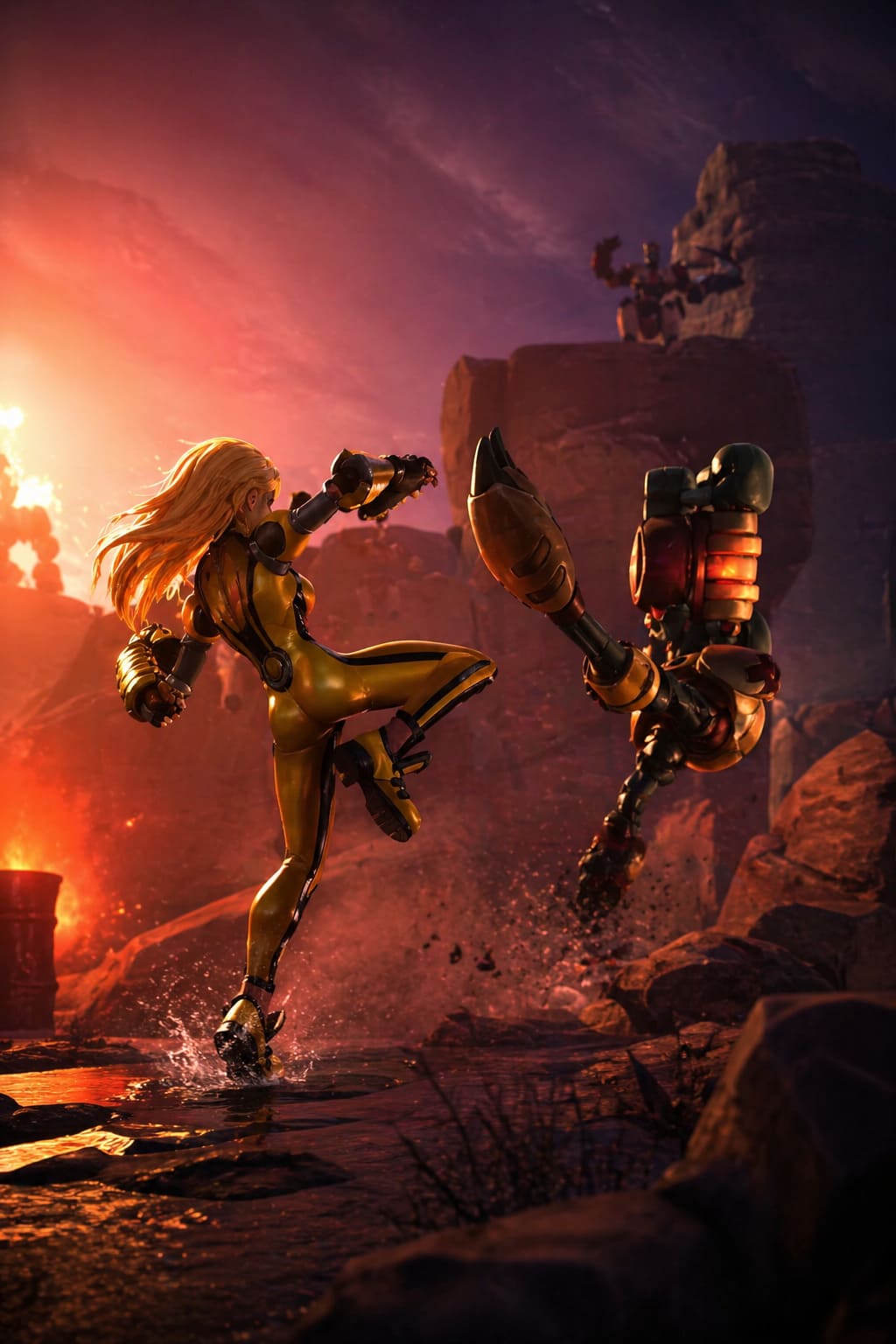
This framing changes how the entire experience feels. It’s not just about learning mechanics or optimizing builds — it’s about repetition, memory, and slowly assembling meaning from fragmented runs.
The Spell Brigade Achievement Guide & Roadmap: 100% Completion Walkthrough (2026)
A Fighting Game That Breaks Its Own Expectations
Traditional fighting games are built around mastery: you learn inputs, refine timing, and outplay opponents in structured matches. Shot One Fighters takes that foundation and layers something unusual on top of it — roguelite progression tied directly to narrative discovery.
Instead of a single story mode that you complete once, the game asks you to fail repeatedly. But those failures are not empty. Each run into the Void is treated as progress, even when you lose. The game reframes repetition as discovery rather than punishment.
This shift alone makes it stand out in a genre that rarely experiments with emotional structure.
The Emotional Core: Volley and the Missing Friend
The central narrative hook is simple: Volley accidentally broke the seal of something called the Paradox, and her best friend vanished into the Void as a result. There is no elaborate political setup or world-saving prophecy driving her forward — just regret, responsibility, and persistence.
What makes this premise effective is how it avoids straightforward resolution. You don’t simply “rescue” the missing friend. Instead, you piece together what happened through fragmented storytelling.
Across multiple runs, you uncover:
- Broken dialogue fragments that hint at past events
- Environmental storytelling hidden in shifting Void zones
- NPC accounts that often contradict each other
- Cinematic vignettes that reveal partial truths
None of these elements fully explain the situation on their own. Instead, they create uncertainty — and that uncertainty becomes part of the experience.
Why the Roguelite Structure Works So Well Here
Shot One Fighters uses its roguelite design not just as gameplay variety, but as a narrative engine. Every attempt into the Void contributes something meaningful, even if you fail early.
The structure is built around three major progression layers:
1. Act-Based Advancement
Each run is divided into acts, and progression is gated by boss encounters. Defeating an act boss is not just a mechanical achievement — it unlocks deeper narrative understanding and pushes the story closer to the truth about the missing friend.
2. Story Vignettes
These are short cinematic sequences that appear after specific milestones. They don’t always clarify events; instead, they expand ambiguity. Some vignettes even contradict previous ones, reinforcing the idea that the Void distorts perception and memory.
3. The Mech Hub Between Runs
Between attempts, players return to a central hub — a reconstructed space that evolves over time. This is where upgrades happen, but also where narrative expansion occurs. Characters appear, conversations change, and new story paths unlock as the hub develops.
It functions less like a menu and more like a living reflection of your progress.
The Void as a Narrative Device
The Void is more than a setting — it is the structural backbone of the entire experience. It explains randomness, shifting environments, and distorted encounters, but it also represents something deeper: instability of memory and perception.
Mechanically, it enables procedural variation. Narratively, it symbolizes emotional disorientation. You are never fully certain whether what you are seeing is real, remembered, or corrupted.
This ambiguity keeps the experience unsettled in a way that feels intentional rather than confusing.
Combat Systems and Build Expression
Even with its narrative ambitions, Shot One Fighters still needs strong gameplay to support repeated runs, and this is where it surprisingly delivers. The combat system is fast, expressive, and highly customizable.
Players can experiment with:
- Over 100 unlockable moves across multiple characters
- Deep artifact systems that enable powerful synergies
- Flexible build paths that evolve unpredictably during runs
What stands out is how builds can shift from intentional setups into chaotic combinations that feel emergent rather than planned. That unpredictability aligns well with the theme of the Void itself.
Core Systems Overview
| System | Purpose | Impact on Gameplay |
|---|---|---|
| Movesets | Define combat style and abilities | Shapes moment-to-moment gameplay |
| Artifacts | Provide passive modifiers and effects | Create synergy-based builds |
| Hub Upgrades | Meta progression system | Unlocks narrative paths and new interactions |
NPCs and Hidden Narrative Layers
One of the most interesting systems in the game is its NPC network. At first glance, they seem like flavor elements scattered across the hub and runs. But over time, they become essential to understanding the broader story.
NPCs:
- React to your progression through the Void
- Change dialogue based on past runs
- Occasionally contradict other characters
- Reveal fragmented lore that connects story threads
This creates a subtle sense that information is unreliable. You are constantly interpreting, rather than simply receiving answers.
Storytelling Through Repetition
What makes Shot One Fighters unique is how it uses repetition as a narrative tool. Each run feels like another attempt to understand something that resists clarity.
You rarely feel like you are fully progressing in a linear sense. Instead, you experience cycles of partial understanding:
- You discover something new
- It raises more questions than answers
- You lose progress but retain fragments
- You try again with slightly more context
This loop creates a sense of persistence that mirrors Volley’s own emotional journey.
A Fighter Built Around Memory and Loss
Shot One Fighters is not just another indie fighting game trying to stand out through mechanics or style. It is a game that uses its systems to explore emotional themes — especially loss, guilt, and the frustration of incomplete understanding.
Volley’s search for her missing friend is never treated as a simple objective. Instead, it becomes a process of gradual reconstruction, both of the world and of meaning itself.
It is not always clean or fully clear, and that is part of its identity. The game asks players to engage with uncertainty, to accept fragmented storytelling, and to find satisfaction in incremental discovery rather than final answers.
In the end, Shot One Fighters feels less like a traditional fighting game and more like a repeating journey through memory itself — unstable, shifting, and strangely persistent.
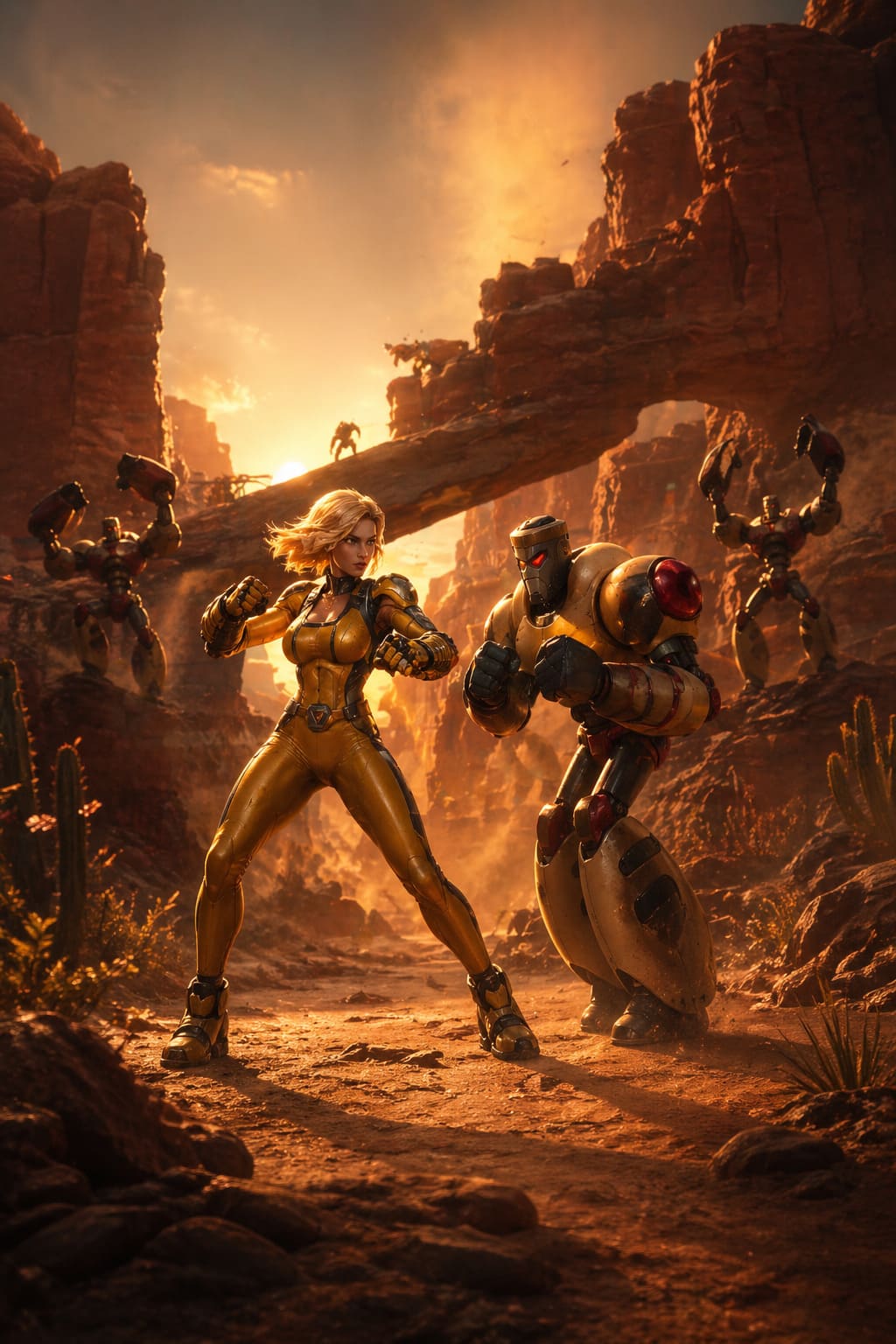
Best Artifact Builds & Combat Synergies in Shot One Fighters: A Player’s Meta Guide to Surviving the Void
Tags: Shot One Fighters, Roguelite Builds, Artifact Synergy, Void Combat Meta, Character Optimization
If there’s one thing I’ve learned after sinking way too many runs into Shot One Fighters, it’s this: raw skill only gets you halfway through the Void. The rest is build knowledge, adaptation, and sometimes just embracing chaos when the game decides to throw cursed artifacts at you like it’s a personality test.
This isn’t a “perfect meta guide” written from a spreadsheet. It’s more of a field report—what actually feels strong, what snowballs runs into absurd power spikes, and what builds make you go from “barely surviving” to “why is everything melting on screen?”
Let’s break down the most effective artifact synergies and character builds currently shaping the game’s evolving meta.
Volley – High-Speed Aggression Build (“Blink and You’re Dead” Style)
Volley is basically the definition of pressure gameplay. If you like fast movement, constant engagement, and never letting your opponent breathe, this is your character.
The core idea here is simple: you don’t defend—you erase the opponent before defense matters.
Core Playstyle Focus:
- Constant gap closing
- Combo extension chains
- Maintaining hit-streak momentum
Best Artifact Synergy:
- Overdrive Chip – boosts damage with every consecutive hit
- Void Spark – adds persistent elemental chip damage on specials
When these two stack properly, even defensive opponents slowly lose health just for existing near your pressure.
Why It Works: Volley naturally builds long combo strings. Overdrive Chip rewards that behavior, turning pressure into exponential scaling damage. Void Spark punishes passive playstyles and forces reactions on your terms.
The Juggernaut Build – Slow, Heavy, Unmovable Force
Some players prefer absorbing damage and answering with devastating counterattacks. This build turns your fighter into a walking punishment system.
Core Playstyle Focus:
- Counter-attacks
- Defensive timing windows
- Forcing enemy mistakes
Best Artifact Synergy:
- Iron Guard Shell – reduces damage during startup frames
- Paradox Fuel – heals when landing successful counters
Why It Works: This combination creates a feedback loop. The more your opponent attacks, the stronger you become. You absorb pressure, counter cleanly, and recover health in the process.
Gameplay Feel: Opponent overextends, you absorb the hit, counter, heal, and suddenly they reconsider everything.
Cursed Artifact “Break Builds” – High Risk, High Chaos
Cursed artifacts are the game’s way of asking: “Do you want power or stability?” Sometimes the correct answer is “both, but dangerously.”
Example Core Setup:
- Glass Paradox – massive damage boost, but one-hit death
- Hyper-Reflexes – expanded parry window
- Speed of the Void – extreme mobility
Why It Exists: This build is about execution, not safety. One mistake ends the run, but perfect play deletes bosses instantly.
Experience Summary: Every fight becomes a high-stakes puzzle where survival depends entirely on precision.
Build Comparison Overview
| Build Type | Difficulty | Damage Output | Survivability | Consistency | Fun Factor |
|---|---|---|---|---|---|
| Volley Hyper-Aggro | Medium | High | Low-Medium | High | Very High |
| Juggernaut Counter Build | Low-Medium | Medium-High | Very High | Very High | Medium |
| Cursed Glass Paradox Build | Very High | Extreme | Very Low | Low | Extremely High |
Mech Hub Progression – Long-Term Power Scaling
The Mech Hub is where the game quietly changes pace. You’re not just unlocking items—you’re shaping future runs.
Key Upgrades Worth Prioritizing:
- Additional artifact slots
- Passive stat enhancements
- Unlockable move variants
- Increased synergy probability
Even failed runs contribute to long-term power, which keeps progression satisfying.
Advanced Gameplay Tips
After enough runs, patterns become clear and certain habits start separating consistent players from frustrated ones.
1. Don’t Overcommit Early
Early flexibility matters more than forcing a single synergy.
2. Bosses Define Your Run
You don’t lose runs in normal fights—you lose them in boss encounters.
3. Stack Synergies, Not Singles
Multiple small interactions often outperform one powerful artifact.
4. Movement Is Defense
Positioning often matters more than blocking or trading hits.
Final Thoughts
What makes Shot One Fighters interesting isn’t just combat—it’s how it constantly forces you to rethink what “optimal” means.
Sometimes the strongest build is aggressive pressure. Sometimes it’s slow counterplay. Sometimes it’s pure chaos where survival depends on perfect execution.
The Void doesn’t reward perfect players. It rewards adaptable ones.
And that’s exactly why the game keeps pulling you back for one more run.