Blossom: The Seed of Life – Modular Customization Guide for 2026
When I first launched Blossom: The Seed of Life, I expected another typical survival crafting game where you constantly worry about hunger, oxygen, or some kind of inevitable disaster. Instead, what I found was something surprisingly refreshing — a slow, creative sandbox about rebuilding life on Mars, where the real challenge isn’t survival but energy and smart engineering.
Released on March 9, 2026, the game comes from Pebbledust Games and is published by Pretty Soon. Since launch it has quickly built a Very Positive reputation on Steam, and after spending several hours exploring its mechanics, I can see exactly why.
What really makes the game stand out isn’t just the terraforming concept. It’s the deep modular customization system that lets you build vehicles, bases, and even entire moving infrastructures.
And honestly? Once you realize your base doesn’t have to stay in one place, the game opens up in a big way.
A Survival Game Without the Stress
Many survival titles force you into constant micromanagement — food meters, thirst, temperature, oxygen levels.
Blossom flips that idea completely.
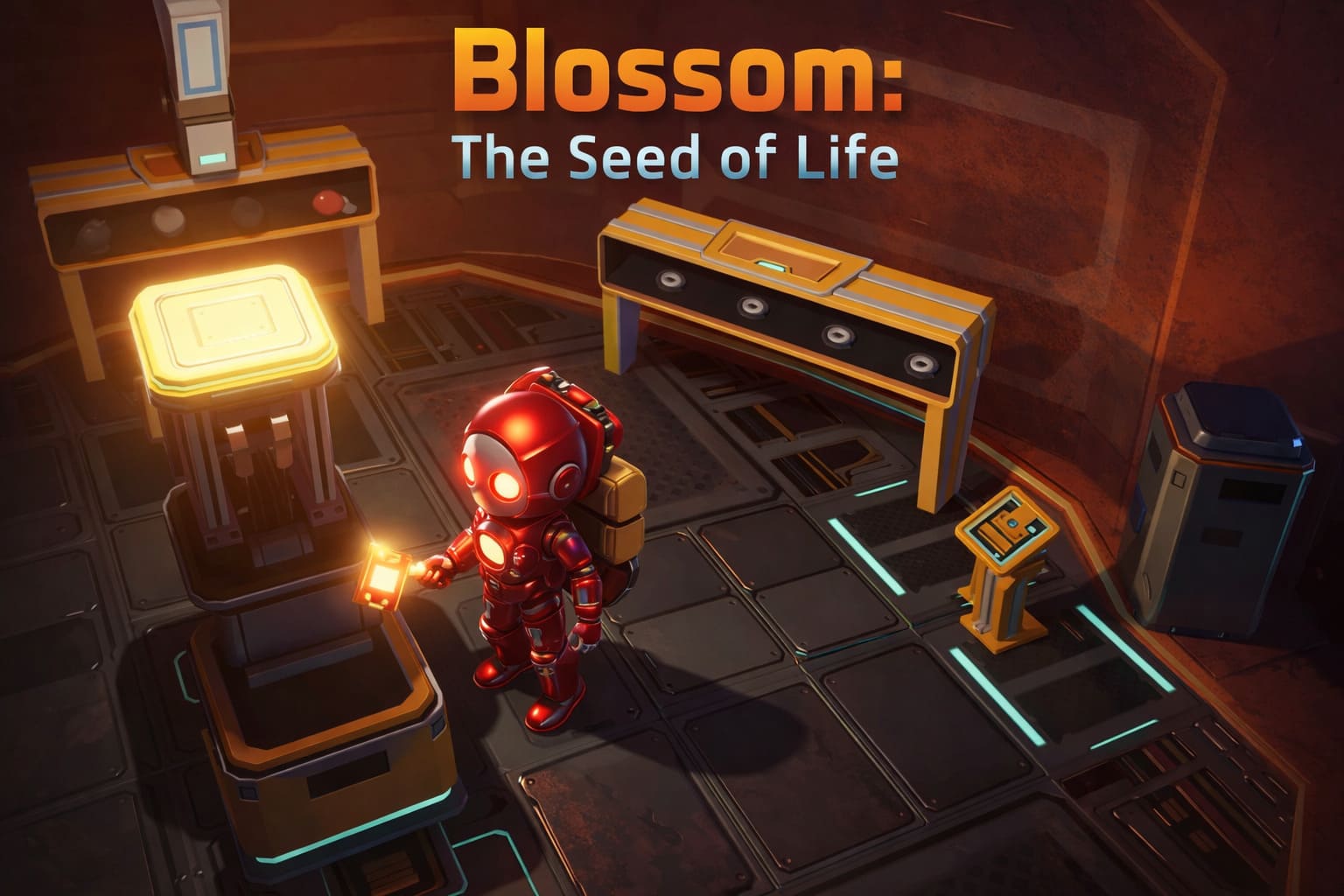
Instead of biological needs, you play as a small robot powered entirely by electricity. Your survival depends on energy systems and smart power management.
- Battery capacity
- Power networks
- Energy distribution
- Efficient machinery
This single design choice changes the entire pacing of the game.
Rather than rushing to survive the next night, you’re free to focus on exploration, engineering, and terraforming Mars.
It gives the game a surprisingly chill and creative vibe, something that reminds many players of a mix between The Planet Crafter and Astroneer.
But Blossom still manages to feel like its own thing.
How to Increase Pressure in Blossom: The Seed of Life (2026)
The Printing System: Build Anything From Martian Ruins
Everything in the game starts with scavenging.
Mars is filled with abandoned ruins, scrap technology, and dusty materials, which you collect and convert through the printing system.
Instead of crafting items manually, you print specialized modules that can be attached to your robot or vehicles.
These modules are the foundation of the entire gameplay loop.
Common module types include:
- Battery Modules – increase energy capacity for long expeditions
- Storage Units – carry large amounts of resources
- Mining Lasers – automate resource extraction while driving
- Construction Modules – allow mobile building and relocation
The beauty of the system is that nothing feels permanent.
You can constantly swap modules depending on your current objective.
Custom Rovers: The Heart of Exploration
Vehicles in Blossom aren’t just transportation.
They’re basically mobile tool platforms.
Players design rovers using a slot-based modular system, allowing each vehicle to specialize in a particular role.
For example:
- A mining rover loaded with extraction lasers
- A cargo rover packed with storage containers
- A scouting rover with extra batteries and sensors
The customization depth isn’t overwhelming, but it’s flexible enough to encourage experimentation.
I personally found myself constantly redesigning my rover depending on the terrain and the resources I was hunting.
Blossom: The Seed of Life Lore Explained – All Lore Fragments, Ancient Ruins, and Humanity’s Fate
The Convoy System (My Favorite Feature)
The moment that really sold me on the game was discovering the convoy mechanic.
Instead of building a base in one location and constantly traveling back and forth, you can link multiple rovers together into a mobile convoy.
Imagine something like a train of modular vehicles, each carrying its own function.
For example:
| Rover Role | Modules Installed | Purpose |
|---|---|---|
| Lead Rover | Mining Lasers, Scanner | Extract resources while moving |
| Cargo Rover | Large Storage Units | Transport materials |
| Power Rover | High-Capacity Batteries | Power the convoy |
| Utility Rover | Construction Modules | Build structures on the go |
Suddenly your entire base becomes a traveling operation across Mars.
And honestly, this system feels incredibly satisfying once you get it running smoothly.
From Simple Wagon to Mobile Terraforming Base
Early in the game, your rover feels almost primitive — basically a small wagon with limited energy.
But once you start unlocking the tech tree, things escalate quickly.
Advanced customization options include:
| Feature | What It Does | Strategic Value |
|---|---|---|
| Backpack Modules | Adds construction tools to your robot | Move structures without dismantling |
| Power Extenders | Expand energy grid range | Support larger mobile bases |
| Vehicle Slot Modding | Attach specialized tools | Optimize vehicles for specific tasks |
Eventually your convoy can function like a fully operational mobile outpost.
You mine, store, analyze, and build — all without returning to a fixed base.
That kind of freedom is rare in survival crafting games.
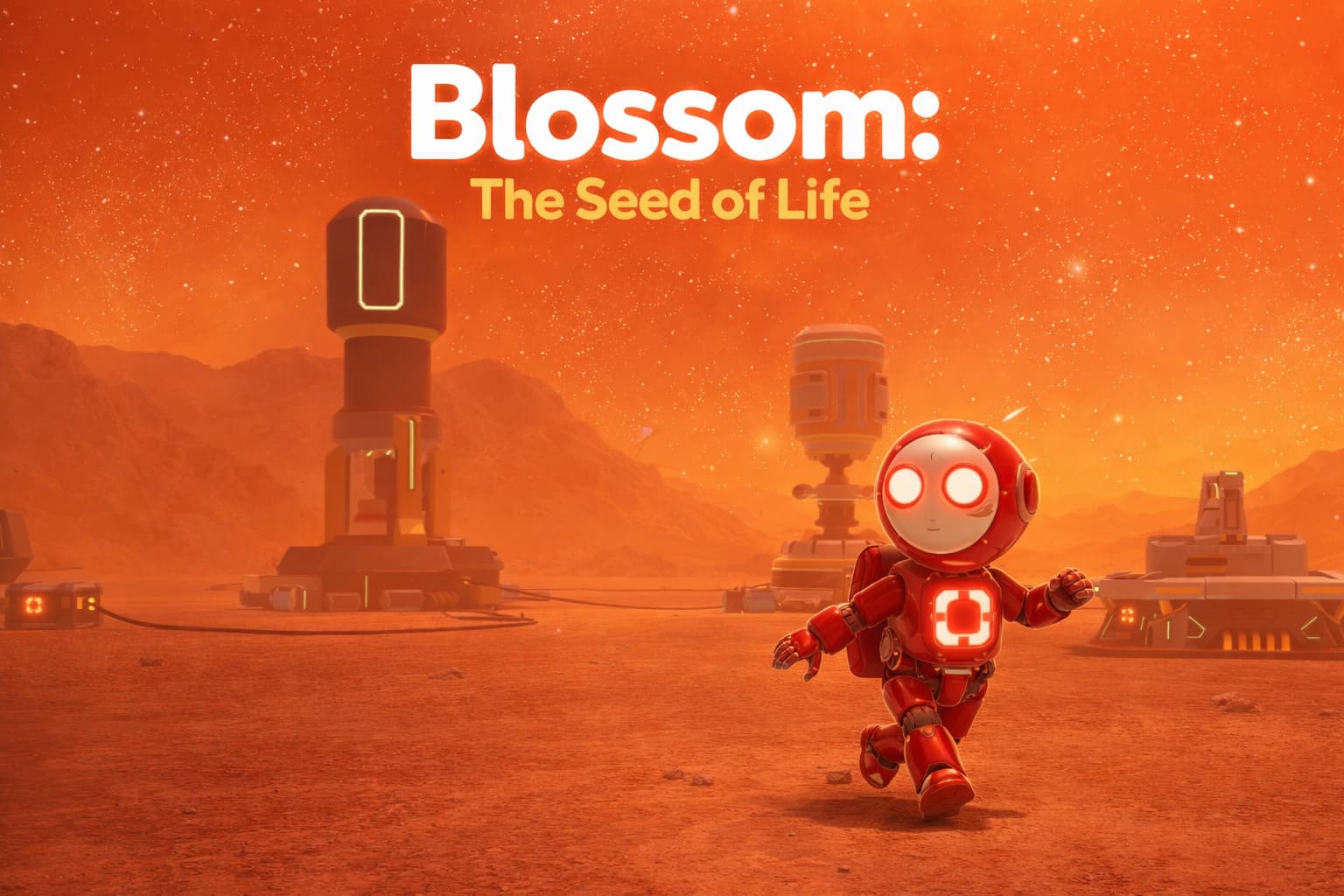
Terraforming Changes the World Visually
Another aspect that impressed me is how the world evolves.
As you terraform Mars:
- Atmospheric pressure increases
- Ice formations begin appearing
- Weather conditions change
- Eventually blue skies and vegetation emerge
Watching your convoy drive through biomes you helped create is genuinely rewarding.
The transformation makes your engineering efforts feel meaningful.
Quality-of-Life Features That Actually Matter
The developers have clearly paid attention to usability.
Recent updates like version 1.0.3 introduced improvements that make building much smoother.
- Free rotation when placing structures
- Automatic camera zoom during construction
- Better snapping for modular parts
These small tweaks make a huge difference, especially when you’re assembling complex vehicle setups.
Personal Tips After Playing
After several hours experimenting with the systems, a few strategies quickly became obvious.
Focus on energy early. Electricity is basically your food, stamina, and oxygen combined. Without enough battery capacity, exploration becomes painful.
Build specialized vehicles. Trying to make one rover do everything usually backfires. Dedicated machines work much better.
Use the convoy system as soon as possible. Once you go mobile, the game becomes dramatically more efficient and honestly way more fun.
Is Blossom Worth Playing?
If you enjoy creative sandbox survival games, Blossom: The Seed of Life is absolutely worth trying.
It offers:
- Relaxed survival mechanics
- Clever modular vehicle design
- A satisfying terraforming progression
- Freedom to build and explore at your own pace
Right now the game is available on Steam and GOG with a 15% launch discount, bringing the price to roughly $14.44.
For a sandbox crafting game with this level of modular creativity, that’s honestly a pretty great deal.
And if you enjoy experimenting with moving bases, engineering systems, and terraforming entire planets, there’s a good chance you’ll lose quite a few hours inside this one.