Blossom: The Seed of Life Crafting Recipes: The Ultimate 2026 Guide to Planetary Rebirth
When I first launched Blossom: The Seed of Life, I expected a typical survival-crafting loop: gather resources, craft tools, survive another night. Instead, the game surprised me. You’re not just surviving—you’re reviving an entire planet.
You play as a small sentient robot on a barren, Mars-like world, and your mission is nothing less than planetary rebirth. Every machine you print, every seed you plant, and every ecosystem you nurture slowly transforms lifeless dust into something beautiful.
After dozens of hours exploring dunes, mining ore veins, and experimenting with the printing system, I’ve put together a fan-level crafting guide that should help new players avoid early mistakes and move faster toward the game’s ultimate goal: the Blue Sky milestone.
Why Crafting Matters More Than Survival
Unlike most survival games where the focus is on food or combat, crafting in Blossom: The Seed of Life is basically terraforming engineering.
Your machines gradually improve the planet by increasing:
- Temperature
- Atmospheric pressure
- Water circulation
- Oxygen levels
As these values rise, the world visually changes. Ice melts, fog clears, rivers form, and plants begin spreading across the land.
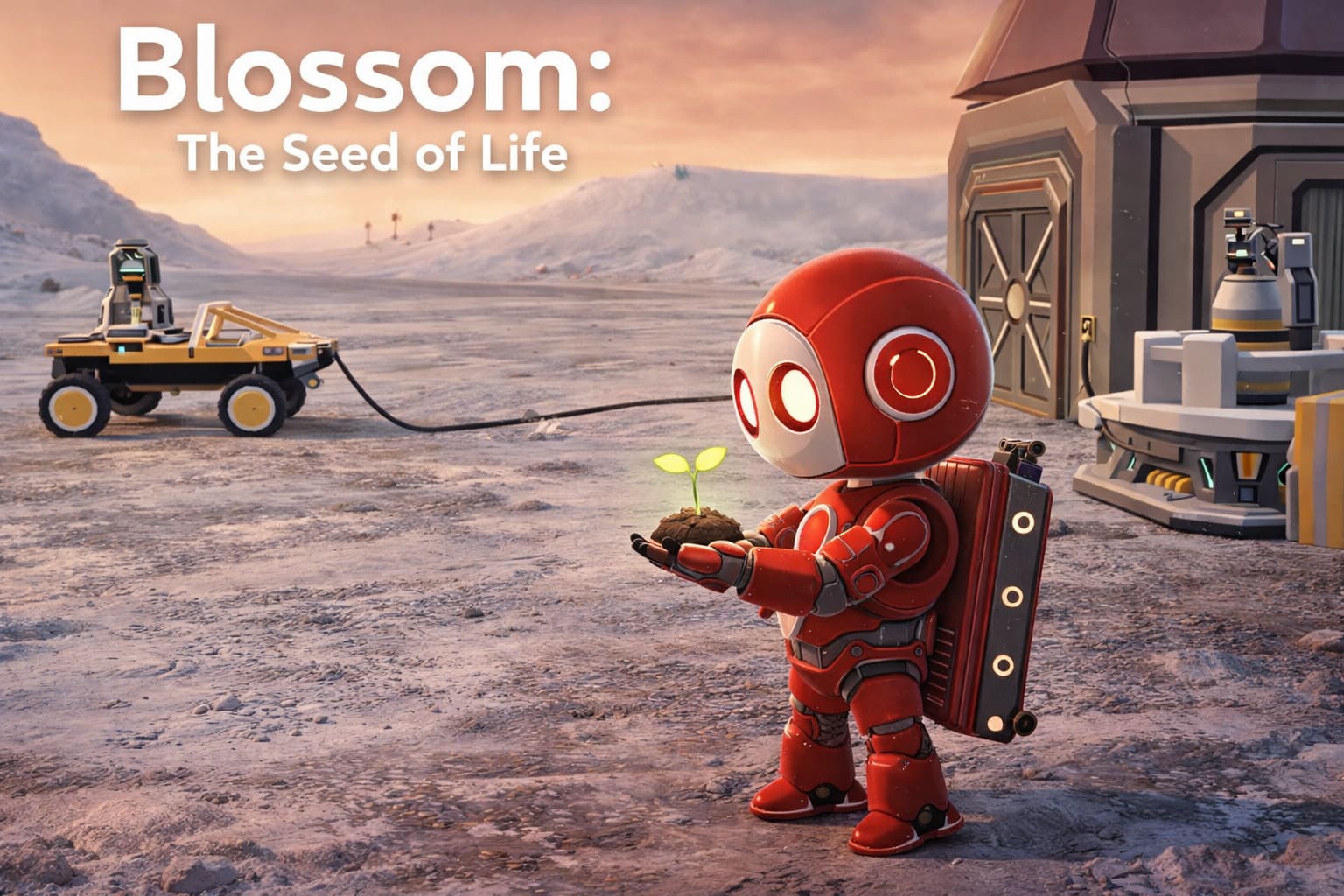
The key to everything is the Printer system, which acts as your base fabrication unit.
Early-Game Resources You Should Prioritize
Exploration is critical early on. The planet is divided into mineral-rich biomes, and learning where resources spawn saves a lot of time.
Here are the most important early-game materials:
| Resource | Main Use | Where You’ll Find It |
|---|---|---|
| Iron Ore | Structural components, machine frames | Rocky cliffs, cave walls |
| Copper Ore | Electronics, wiring, batteries | Lower plains and mineral fields |
| Aluminum Ore | Vehicle chassis and lightweight parts | Mountain ridges and high elevations |
| Silica | Glass and solar panel components | Sandy terrain near dry riverbeds |
| Sulfur | Energy storage and chemical systems | Volcanic zones and yellow soil patches |
Personal tip: Always carry extra storage modules when exploring caves. Iron deposits often cluster underground, and leaving them behind hurts later crafting progression.
First Machines You Should Print
Your base will feel extremely limited at the start, so choosing the right machines first makes a huge difference.
Blossom: The Seed of Life – Modular Customization Guide for 2026
Essential Tier 1 Machines
These are the backbone of your early terraforming efforts.
- Small Battery — 2 Copper + 1 Sulfur. Stores solar energy so machines keep running overnight.
- Solar Panel — 2 Silica + 1 Copper. Your main early power source.
- Small Sprinkler — 2 Iron + 1 Copper. Keeps early plant patches hydrated.
Fan strategy: Build multiple solar panels immediately, not just one. Terraforming machines consume power constantly, and downtime slows planetary progress.
Mid-Game: Controlling Atmosphere and Water
Once you’ve stabilized your energy grid, you unlock machines designed to reshape the environment.
Atmosphere Control Machines
- Heater T1 — 3 Iron + 2 Copper. Raises planetary temperature and begins melting frozen water deposits.
- Pressure Pump T1 — 3 Aluminum + 1 Iron. Thickens the atmosphere, slowly clearing the heavy fog covering the planet.
- Water Pump — 2 Iron + 1 Silica. Moves water from melted ice reservoirs toward irrigation systems.
What’s amazing is that these machines don’t just change numbers—they visibly transform the landscape. Watching frozen valleys turn into lakes is one of the most satisfying moments in the game.
Seed Crafting: The Heart of Planetary Restoration
This is where Blossom: The Seed of Life really becomes special.
You don’t simply find plants—you research, combine, and synthesize seeds to create entire ecosystems.
Core Seed Recipes
- Dandelion Seed — Bamboo + Manuka Flower
- Lumira Seed — Dandelion Seed + Flower Seed Pack
- Honeysuckle Seed — Pink Lily Seed + Purple Dahlia Seed
- Bee Balm Seed — Crocus + Lavender
Plant diversity matters because different species affect oxygen output, soil health, and pollinator activity.
Eventually, your small gardens evolve into self-sustaining forests.
How to Increase Pressure in Blossom: The Seed of Life (2026)
Reaching the Oxygen Phase
Once oxygen levels start rising, the game opens up some powerful new crafting options.
Important Mid–Late Game Items
- Portable Oxygen Tank — 3 Aluminum + 2 Silica. Extends exploration time far away from base.
- Advanced Sprinkler — 4 Iron + 2 Copper + 1 Silver. Irrigates a huge radius, making large farming zones viable.
This phase is when the planet truly begins to feel alive. Grass spreads naturally, insects appear, and the sky gradually shifts toward blue.
Vehicles: Essential for Long-Distance Exploration
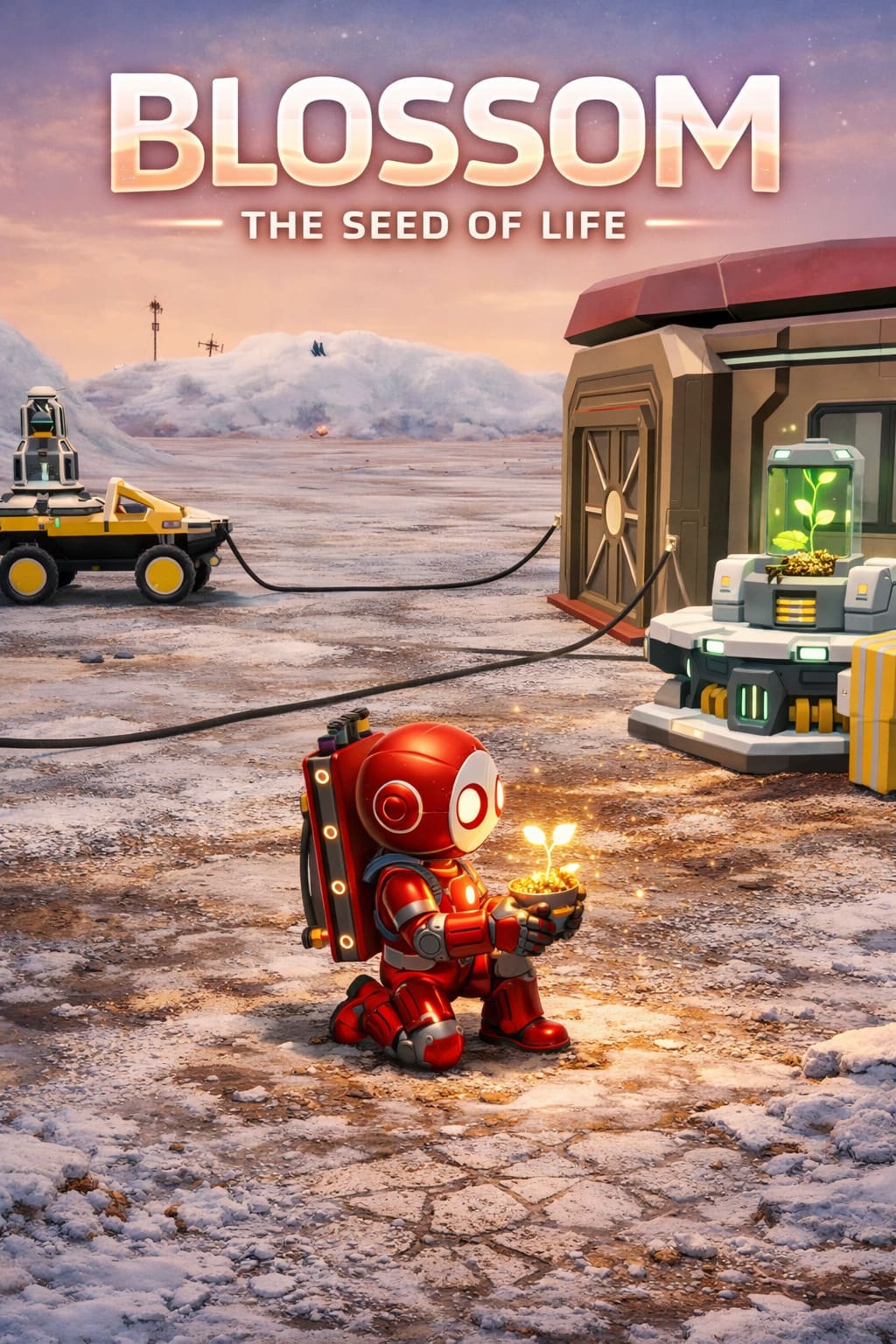
Eventually, your internal robot battery just isn’t enough for long expeditions.
That’s where rovers come in.
Rover Components
- Modular Rover Chassis — 10 Aluminum + 5 Iron
- Rover Battery Module — 5 Sulfur + 3 Copper
- Resource Grinder Module — 4 Iron + 2 Silver
The grinder module is a massive quality-of-life upgrade because it allows on-the-go ore processing.
In other words: mine → grind → store → keep exploring.
My Best Terraforming Tips After 40+ Hours
If you’re serious about progressing quickly, these strategies help a lot.
1. Build a Real Power Grid
Don’t rely on a single solar panel.
Stack multiple panels with battery storage so your heaters and pumps run 24/7.
2. Raise Atmospheric Pressure Early
Higher pressure clears the thick fog covering the planet.
This reveals ancient ruins, which often contain rare blueprints.
3. Start the Soil Cycle ASAP
Martian dust can’t support advanced plants.
Use bacteria processors to convert dust into fertile soil, unlocking high-tier flora.
Final Thoughts
Few survival games capture the feeling of healing a world the way Blossom: The Seed of Life does. Every system—from the crafting printer to seed synthesis—feeds into the same goal: transforming a lifeless rock into a thriving ecosystem.
The moment when the sky finally turns blue and forests stretch across valleys feels genuinely earned.
If you enjoy slow-burn survival games, terraforming mechanics, and exploration, this one is absolutely worth your time.
And honestly? Watching a planet come back to life because of your machines and gardens is one of the most satisfying gameplay loops I’ve experienced in years.