Soulbound Online 2026: How to Trigger and Master Procedural Boss Phases
If there’s one thing that surprised me after spending dozens of hours in Soulbound Online, it’s how quickly the game punishes habits that work perfectly in other MMORPGs. Years of playing raid-heavy games taught me to memorize boss patterns, wait for health thresholds, and optimize burst windows. Soulbound Online throws that entire playbook out of the window. Every dungeon feels like the game is watching your decisions and responding to them in real time.
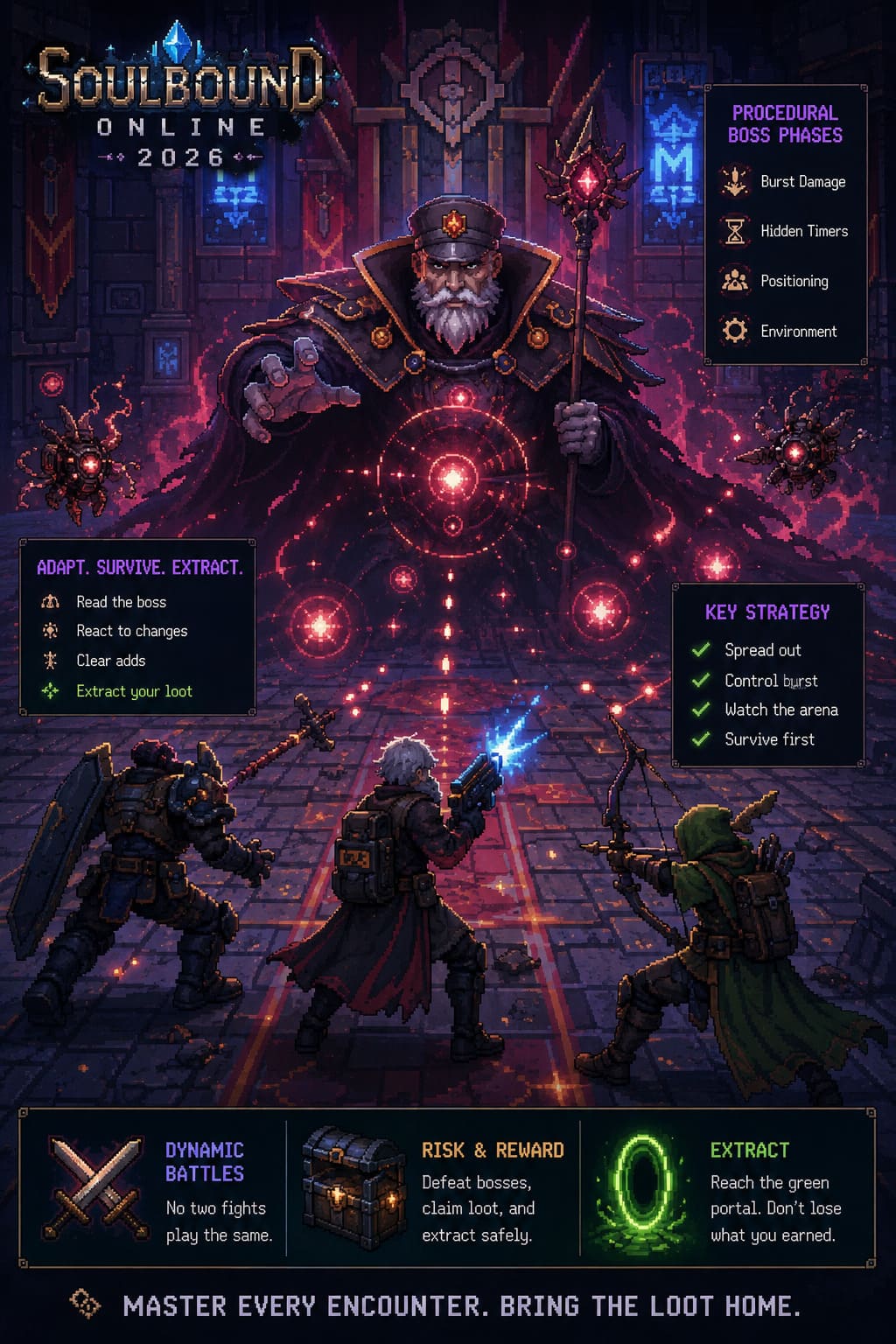
That unpredictable design is exactly why the game has become one of the most interesting indie MMORPG releases of 2026. Its mix of extraction mechanics, bullet-heaven combat, and cooperative dungeon crawling creates fights that rarely play out the same way twice. If your goal is to survive beacon dungeons, collect valuable loot, and leave through the Home Portal instead of losing everything you’ve earned, understanding the procedural boss system becomes just as important as upgrading your equipment.
Shift At Midnight ID Verification Guide: How to Spot Doppelgangers and Survive the Graveyard Shift
Why Soulbound Online Bosses Feel Different
Most online RPGs rely on predictable encounters. After enough attempts, players memorize every mechanic until the fight becomes routine. Even difficult raids eventually turn into carefully rehearsed performances.
Soulbound Online refuses to give you that comfort.
Instead of simply checking whether a boss has reached 75%, 50%, or 25% health, the game constantly evaluates what your team is doing. Damage output, positioning, survival speed, and even the pace of the encounter can influence what happens next. Sometimes the boss becomes far more aggressive after a powerful burst of damage. Other times it delays attacks before suddenly flooding the arena with projectiles and additional enemies.
After several dungeon runs, I realized that treating every fight like a scripted MMO boss was the fastest way to fail. The players who adapt on the fly usually perform much better than those trying to force a perfect damage rotation.
What Actually Triggers New Boss Phases?
From my experience and after comparing notes with other players, several mechanics appear to influence phase transitions.
- High burst damage within a short time.
- Dungeon timers reaching hidden thresholds.
- Party positioning across the arena.
- Environmental interactions during the encounter.
None of these seem completely isolated. In many battles, multiple triggers combine together, creating encounters that feel organic instead of predictable.
Burst Damage Can Backfire
Normally, seeing huge critical hits feels rewarding.
In Soulbound Online, it can also become a problem.
I’ve watched coordinated teams delete nearly half of a boss’s health in seconds, only to immediately trigger an extremely aggressive phase packed with dense projectile patterns. The fight instantly became twice as dangerous because everyone assumed faster damage automatically meant an easier victory.
Sometimes slowing down for a few seconds actually creates a much cleaner encounter.
Hidden Timers Keep Everyone Moving
One mechanic I genuinely enjoy is the invisible pressure created by dungeon timers.
If your group plays too cautiously or spends too much time healing, bosses eventually escalate on their own. New enemies appear, environmental hazards become more common, and the arena gradually becomes less forgiving.
This prevents players from abusing defensive strategies forever. Every encounter keeps moving forward whether you’re ready or not.
Positioning Matters More Than Most Players Think
One mistake I constantly notice in public groups is everyone standing together.
That habit works in many cooperative games because it makes healing easier. In Soulbound Online, however, clustering often invites disaster.
Boss AI appears to recognize when multiple players occupy the same area. Instead of spreading attacks around the arena, it frequently responds with devastating area-wide patterns aimed directly at the group.
Keeping some distance between teammates gives everyone more room to dodge while reducing the chance of overlapping projectile patterns.
| Situation | Better Choice |
|---|---|
| Entire team stacked together | Spread around the arena |
| Panic movement | Controlled repositioning |
| Constant chasing | Maintain safe spacing |
| Ignoring attack angles | Watch projectile directions |
This doesn’t mean everyone should run independently. Staying within support range while avoiding unnecessary stacking seems to produce the most consistent results.
Environmental Objects Aren’t Just Decoration
Another lesson I learned after several failed runs is that dungeon objects often matter much more than they initially appear.
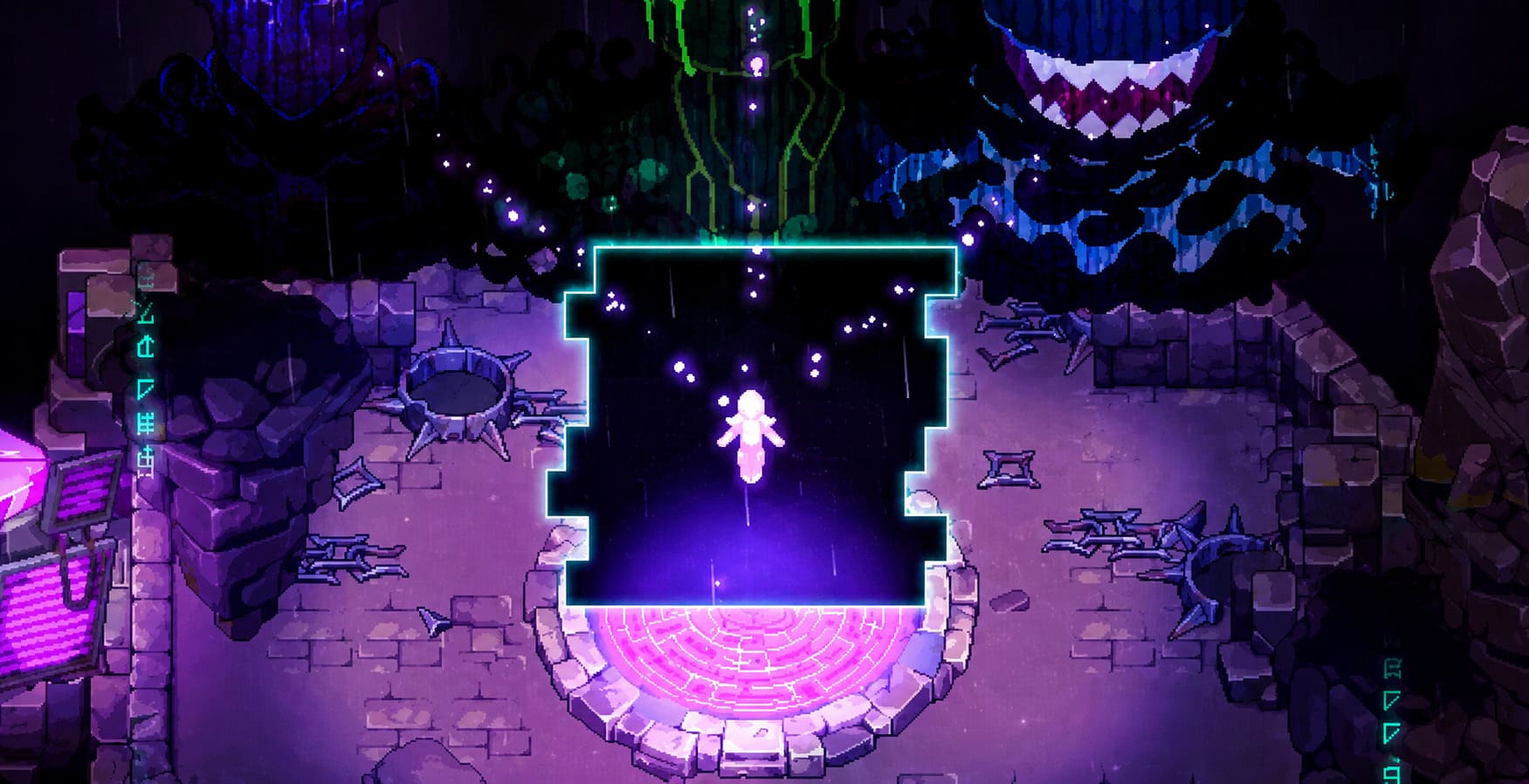
Certain beacon encounters include structures, automated devices, or interactive nodes that directly affect boss behavior. Ignoring these elements can unexpectedly accelerate the encounter or activate additional mechanics before your team is prepared.
Whenever we entered a new boss arena, our success rate improved dramatically after assigning one player to monitor environmental hazards while the others focused on damage.
It’s a small adjustment that pays off surprisingly often.
My Preferred Strategy Before Every Boss Fight
After experimenting with different approaches, I settled into a preparation routine that feels reliable regardless of which dungeon I’m entering.
- Upgrade your primary weapon before entering the dungeon.
- Bring healing food and cooldown-reduction consumables.
- Assign clear team roles before combat begins.
- Save your strongest abilities for the right moment.
- Decide who will deal with additional enemies.
Preparation doesn’t guarantee success, but it removes many unnecessary mistakes before the battle even begins.
Don’t Waste Your Biggest Abilities Immediately
One habit carried over from other RPGs almost got me killed repeatedly.
Opening every fight with maximum damage feels natural, especially when powerful cooldowns are available. In Soulbound Online, that approach often forces the encounter into a dangerous phase before anyone understands the boss variation they’ve spawned.
Instead, I prefer spending the opening half-minute simply observing.
Projectile speed, movement patterns, attack frequency, and arena hazards all reveal valuable information. Once everyone understands what they’re dealing with, coordinated burst damage becomes much safer.
Ironically, delaying your strongest abilities usually results in a smoother and faster victory.
Handling Phase Transitions
Every phase change creates temporary chaos.
Some bosses briefly stop taking damage while others dramatically change movement behavior. During these moments, smaller enemies frequently flood the battlefield.
One of the biggest differences between experienced and inexperienced groups is target priority.
Many players continue attacking the boss no matter what happens.
Veteran groups usually do the opposite.
They immediately eliminate newly spawned enemies before returning their attention to the boss. Clearing the arena prevents projectile density from reaching overwhelming levels later in the fight.
It’s less exciting than chasing boss damage numbers, but it’s also far more effective.
The Final Phase Is Designed to Test Everything
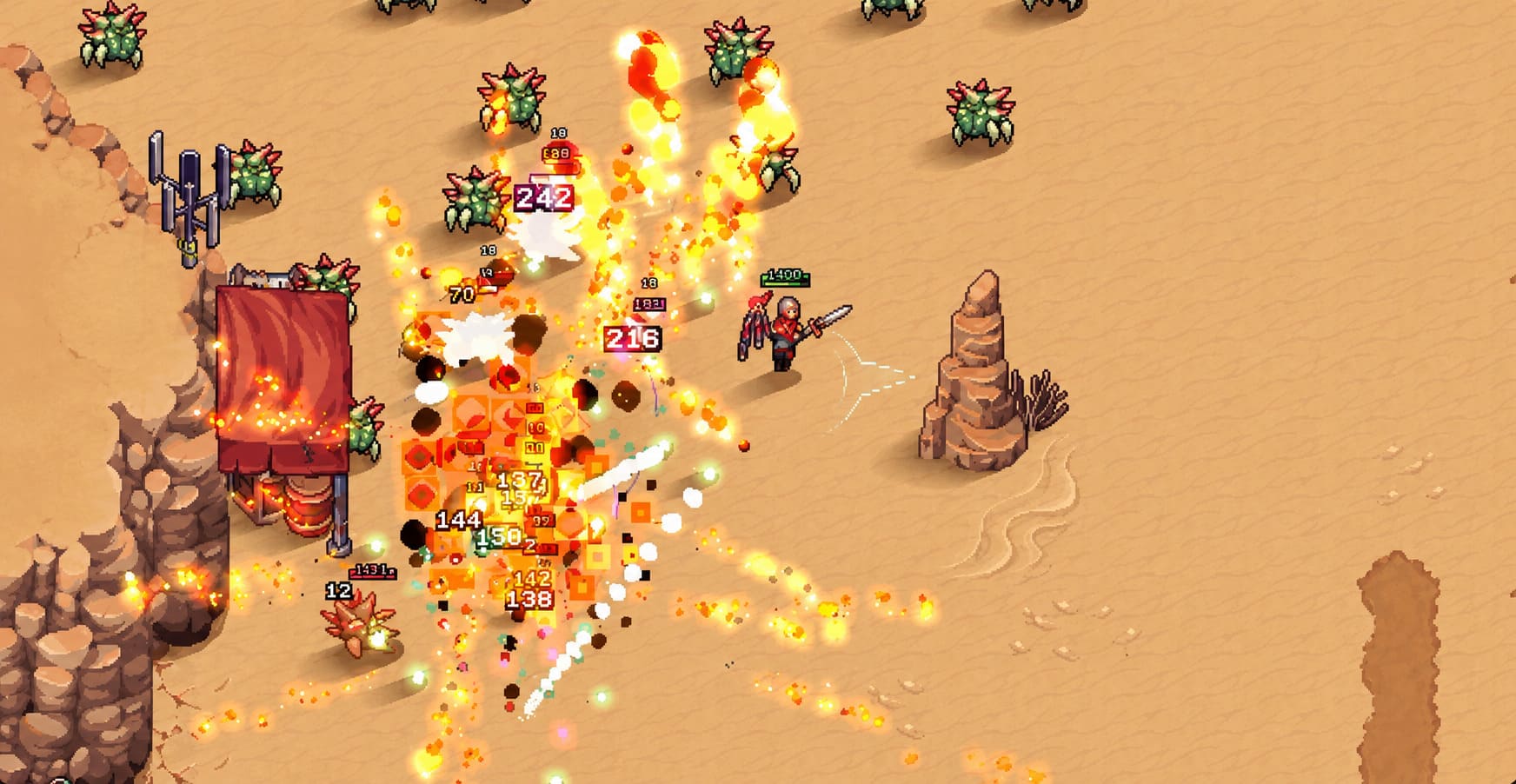
Late-stage encounters become absolute bullet storms.
Bosses combine multiple attacks, available space shrinks, and panic becomes the biggest enemy.
This is where patience matters.
Rather than trying to maximize damage every second, focus on staying alive. A missed attack is far less costly than dying with a backpack full of valuable loot.
Manual aiming also becomes much more useful during these moments. Taking accurate shots while maintaining movement often produces better results than standing still for perfect damage output.
Mistakes I See Over and Over Again
Even skilled players fall into similar traps.
Some of these errors seem minor, but together they can easily destroy an otherwise successful dungeon run.
- Triggering multiple boss phases too quickly.
- Ignoring spawned enemies.
- Standing too close together.
- Burning every cooldown immediately.
- Forgetting environmental mechanics.
- Chasing damage instead of survival.
I’ve personally made every one of these mistakes, especially during my first week with the game.
Fortunately, most are easy to correct once you recognize the pattern.
Don’t Get Greedy After the Victory
One of Soulbound Online’s most stressful mechanics isn’t the boss itself.
It’s what happens afterward.
Defeating the encounter creates a huge sense of relief, and that’s exactly when players become careless. I’ve watched teammates wander around searching for hidden resources instead of leaving immediately.
Considering the game’s extraction-based design, lingering rarely feels worth the risk.
Open your reward chest, collect everything you need, and head straight for the green Home Portal. Losing your inventory because you wanted to check one extra corner is an incredibly frustrating way to end an otherwise perfect run.
Final Thoughts
After playing countless MMORPGs over the years, I genuinely appreciate what Soulbound Online attempts with its procedural boss design. It doesn’t simply increase enemy health or add bigger attacks. Instead, it encourages players to think, adapt, and communicate throughout every encounter.
That’s what keeps the gameplay feeling fresh. Even after multiple dungeon clears, I still encounter situations that force my team to improvise rather than blindly repeat a memorized strategy. Some runs become smooth victories, while others spiral into complete chaos because of one poorly timed decision.
If you approach every boss with patience, control your burst damage, respect positioning, and never underestimate spawned enemies, you’ll dramatically improve both your survival rate and your chances of bringing valuable loot home. In a game built around risk and adaptation, learning the procedural system isn’t just another optimization—it’s one of the biggest skills you can develop.