Sparking Zero Giant Tier List: The 2026 “Anti-Giant” Meta Strategy
I’ve spent a ridiculous number of hours grinding ranked, testing weird team compositions, and going through community discussions, and if there’s one thing that became obvious in 2026, it’s that giant characters in Dragon Ball: Sparking! ZERO are no longer a joke pick.
What used to feel like a fun gimmick or a “raid boss cosplay” has turned into a real competitive option that can actually decide matches in high-rank play.
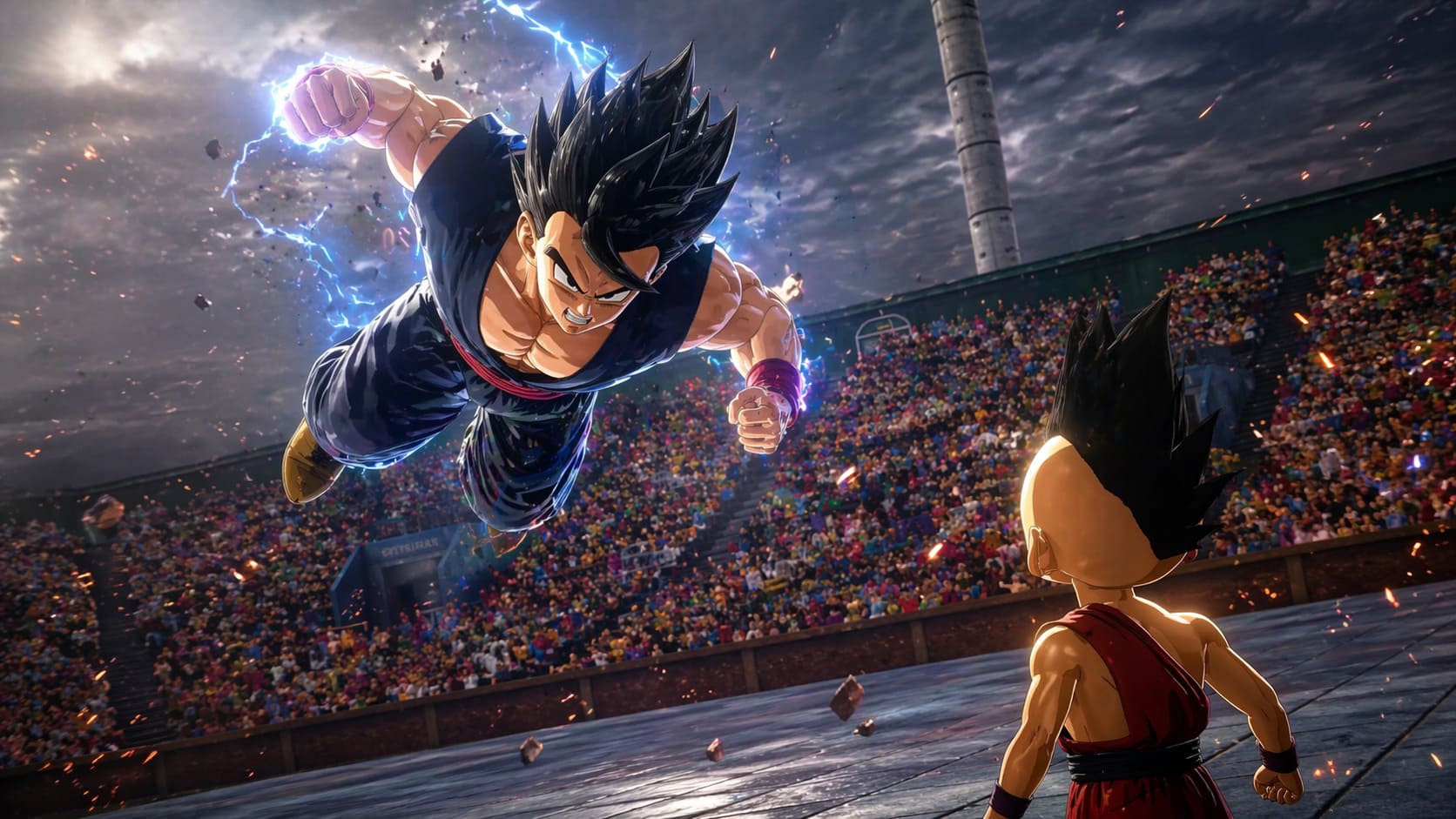
A year ago, picking a giant meant you were either trolling or just playing for fun. Now it’s a calculated meta decision that can completely shift how a match flows.
The evolution of these characters didn’t happen overnight—it came from balance adjustments, player adaptation, and a better understanding of how armor, pressure, and DP efficiency actually work in the current system.
Soulmask: Mask of the Sun God vs. Mask of Eternity – 2026 Comparison
Why Giants Actually Matter Now
The current meta didn’t just randomly start favoring giants—it evolved in a way that naturally benefits them. The biggest change is how players interact with hyper armor and pressure mechanics, and most people still underestimate it.
- Hyper armor misunderstanding still exists, letting giants walk through weaker attacks.
- DP efficiency makes some giants feel way stronger than their cost suggests.
- Unblockable pressure tools force opponents out of standard defensive habits.
These three factors alone are enough to push giants into relevance, especially in ranked matches where mistakes are heavily punished.
2026 Giant Tier List (Based on Real Gameplay Experience)
This tier list reflects actual ranked performance, not just theory or lab testing. It’s shaped by how these characters perform under pressure in real matches.
- S Tier (Meta Defining): Anilaza, Orange Piccolo (Giant), Dr. Wheelo
- A Tier (Strong Picks): Great Ape Vegeta, Cell Max, Super Baby 2 (Giant)
- B Tier (Playable): Hirudegarn, Great Ape Baby
- C Tier (Niche): Great Ape Gohan, Lord Slug
- D Tier (Struggle Picks): Giant Janemba
The difference between tiers isn’t just damage or health—it’s consistency, mobility, and how much control the character has over match tempo.
S-Tier Giants – The Ones That Shape the Meta
S-tier giants aren’t just strong, they actively change how opponents have to play the game. They force adaptation, mistakes, and often panic responses.
Anilaza – The Fastest “Non-Giant” Giant
Anilaza completely breaks expectations. Instead of feeling slow and heavy, he plays with surprising speed and flow. His combo strings are fast enough to keep pressure consistent, and his Rolling Hammer move creates reaction problems even for experienced players.
What makes him especially dangerous is how he disrupts timing. Most players expect giants to give them breathing room, but Anilaza removes that comfort entirely. His ability to stay aggressive while still having defensive options makes him one of the most complete giant characters in the game.
Dr. Wheelo – The Value Monster
Dr. Wheelo is not flashy, but he is extremely efficient. His low DP cost combined with a massive health pool makes him one of the best value picks in the entire roster. In ranked DP-limited formats, this alone makes him extremely popular.
He excels at slowing the game down and forcing opponents to overextend. Once that happens, he can reset momentum with sparking states and heavy pressure. He is the definition of a “resource advantage” character.
Orange Piccolo (Giant) – The Modern Design Giant
Orange Piccolo feels like a more modern interpretation of what a giant should be. Instead of pure tankiness, he combines range, pressure tools, and technical options that allow him to interact with faster characters more effectively.
His unblockable super attacks also create unique matchup pressure against defensive or evasive characters. Players who rely heavily on auto-dodge mechanics often struggle against him because he bypasses those safety nets more reliably than most giants.
A-Tier Giants – Strong but Not Overbearing
A-tier giants are consistent, reliable, and strong in the right hands, but they don’t warp matchups the same way S-tier picks do. They are more honest in design, meaning they rely more on player execution.
- Great Ape Vegeta offers strong damage but is easier to read in higher ranks.
- Cell Max has solid pressure tools but lacks flexibility in fast matchups.
- Super Baby 2 (Giant) performs well overall but gets outpaced by top-tier giants.
Where Giants Still Struggle
Despite their rise in power, giants are not without weaknesses. Skilled opponents have developed consistent strategies to deal with them, especially in higher-ranked matches.
Vertical Stalling
One of the most effective counter-strategies is simply staying airborne. Giants struggle with vertical tracking, and players who control air space can force them into awkward positions where their hitboxes become less effective.
Beam Punishment
Another common weakness is beam recovery. Giants often commit to slow, high-commitment attacks that can be punished by sidestepping and countering with beam attacks. Their large hitboxes make them easy targets in mid-range exchanges.
Stalling Playstyles
Some players avoid direct engagement entirely. They fly, stall, and build resources until giants lose momentum. Against these opponents, giants can feel frustratingly slow and reactive.
Personal Approach to Playing Giants
From my own experience, giants are situational but powerful tools. I don’t pick them in every match, but when I do, it’s usually for specific reasons.
- I use giants against low DP teams to exploit durability advantages.
- I pick them to disrupt aggressive players who rely on rush pressure.
- I avoid them when facing highly mobile or evasive opponents.
They are not universal answers—they are matchup tools that require awareness and timing.
Why Giants Work in the 2026 Meta
The real reason giants are effective right now has less to do with raw stats and more to do with psychology. They force opponents to change how they think about the game.
Giants disrupt rhythm, break standard attack patterns, and punish players who rely too heavily on muscle memory. Even if they are not always objectively the strongest option, they are mentally disruptive, and that alone gives them a competitive edge.
The Anti-Giant Revolution in Dragon Ball: Sparking! ZERO (2026): How Smart Players Are Taking Down the Biggest Threats
There’s something oddly satisfying about watching a massive, screen-filling boss character collapse—not because you out-statted them, but because you outplayed them. That’s exactly what’s happening in the 2026 competitive scene of Dragon Ball: Sparking! ZERO.
For a while, giants felt completely overwhelming, with characters like Cell Max or Anilaza dominating high-level ranked play. Huge hitboxes, absurd damage, and hyper-armor mechanics made traditional combat feel almost pointless against them. But the meta has evolved, and now we’re seeing something much more interesting: an Anti-Giant playstyle built entirely around skill, timing, and movement.
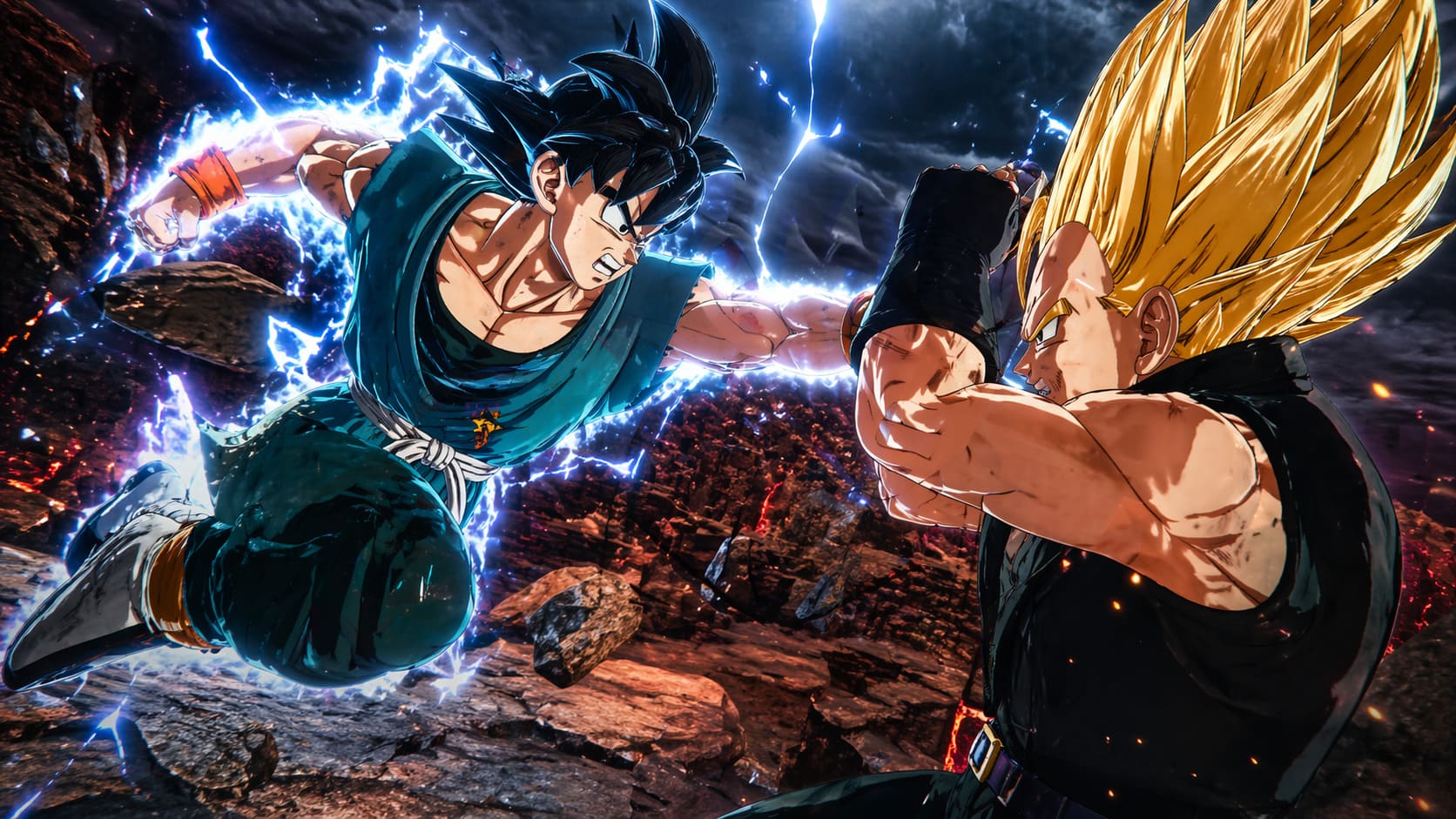
This shift didn’t just make giants weaker—it made the entire game deeper. Instead of brute force, players are focusing on precision, punishment, and mobility. And honestly, it’s one of the healthiest meta changes the game has seen so far.
Why Giants Took Over the Meta in the First Place
The rise of giant characters wasn’t accidental. A late-2025 balance patch subtly changed how grab recovery worked for large characters, allowing them to recover faster after missed attacks. That small adjustment completely changed the flow of high-level matches. Previously reliable punish strategies stopped working, and giants became significantly harder to deal with.
The result was a meta where giants gained overwhelming control through three core advantages:
- Hyper-Armor dominance that prevented interruption from weaker attacks
- Massive area-of-effect pressure covering large portions of the arena
- Psychological dominance forcing opponents into panic-driven mistakes
Once giants established momentum, most standard fighters struggled to recover. The issue wasn’t just raw power—it was control of space and tempo.
The Anti-Giant Meta: A Shift Toward Skill Expression
What makes the current 2026 meta interesting is that it doesn’t rely on stronger stats—it relies on smarter mechanics. Players aren’t trying to overpower giants anymore. Instead, they are exploiting weaknesses in speed, recovery, and animation tracking.
The new approach revolves around three principles: mobility, punishment, and patience. Instead of trading hits, players bait attacks, reposition constantly, and punish recovery windows. It’s less about aggression and more about control.
Top Anti-Giant Characters in the Current Meta
Ultra Instinct Goku – The Untouchable Counter
Ultra Instinct Goku remains one of the strongest anti-giant picks because of his built-in evasion mechanics. Giants rely heavily on slow but powerful attacks, and automatic dodge systems completely disrupt that rhythm.
His strengths include:
- Automatic evasion against most melee attacks
- Strong punishment windows after opponent recovery
- Ability to force resource usage from giant characters
The key strategy is patience. Instead of engaging directly, players wait for giants to commit and then punish their recovery. Once a giant burns enough resources, they become significantly easier to control.
Gogeta (Super Saiyan Blue) – The Speed Punisher
Gogeta Blue excels in this matchup due to his extreme mobility and pressure potential. Giants struggle with tracking fast repositioning, which makes him one of the most effective counters in the game.
His playstyle focuses on constant movement and positional advantage:
- Side vanish loops to break enemy tracking
- Fast combo transitions into heavy damage
- High-priority special attacks capable of breaking armor
The ideal strategy is to avoid frontal engagement entirely and instead attack from behind or from unexpected angles, forcing giants into constant rotation and defensive confusion.
Yajirobe – The Unexpected Survival Specialist
While often underestimated, Yajirobe has become a legitimate niche pick in longer matches. His strength lies not in damage output but in sustainability and fight extension.
Key advantages include:
- Healing-based survivability through consumable mechanics
- Ability to reset momentum in extended fights
- Strong performance in DP-restricted formats
Yajirobe works best in matches where patience matters more than burst damage, turning fights into endurance battles where giants eventually run out of pressure tools.
Core Mechanics That Define Anti-Giant Play
Hidden Stability and Stagger Windows
Giants have an underlying stability system that determines how easily they can be interrupted. While not visible on-screen, it plays a major role in how fights unfold. Fully charged heavy attacks and coordinated team hits can temporarily break this stability, creating short stun opportunities.
Solar Flare and Guaranteed Openings
Blind mechanics remain one of the most reliable tools against armored opponents. Characters with flash-based abilities can bypass defensive pressure entirely, creating free combo windows regardless of size or armor level.
Beam Struggles Are Risky
Beam clashes against giants are generally unfavorable unless the player has a significant power boost. Giants benefit from hidden advantages in these exchanges, making them a risky option in competitive play.
Vertical Gameplay: The Most Underused Advantage
One of the most important discoveries in the current meta is how effective vertical movement is against giants. Many giant animations are designed with horizontal engagement in mind, making upward positioning significantly safer.
Practical applications include:
- Fighting above the opponent to reduce hitbox overlap
- Forcing giants into slow aerial transitions
- Creating safer charging windows in the air
Players who consistently use vertical positioning gain a massive advantage in reaction time and spacing control.
Map Control and Environmental Exploitation
Stage selection now plays a meaningful role in match outcomes. Urban environments especially offer defensive advantages against giants due to environmental clutter and line-of-sight disruption.
| Map Type | Advantage | Effect on Giants |
|---|---|---|
| Urban Cities | High | Movement obstruction and visibility loss |
| Open Plains | Low | Giant advantage due to open space |
| Mixed Terrain | Medium | Balanced interaction with situational cover |
Using terrain effectively often determines whether a player can survive long enough to execute their strategy.
Why This Meta Feels So Good to Play
From a gameplay perspective, the anti-giant evolution has made matches more engaging and less one-dimensional. Instead of relying on raw stats or character selection, players are rewarded for adaptability and mechanical skill.
What stands out most is that losses now feel fair. When a giant wins, it’s usually because they successfully read and controlled the opponent—not because they simply out-statted them. That distinction is what makes the current meta enjoyable for competitive players.
Final Thoughts: Giants Are Strong, But No Longer Unstoppable
Giants still pose a major threat in Dragon Ball: Sparking! ZERO, especially in unprepared hands. A single mistake can still lead to massive damage or even a lost match. However, the difference in 2026 is that players now have consistent, reliable answers to deal with them.
Whether through high-mobility characters like Gogeta Blue, evasive specialists like Ultra Instinct Goku, or endurance picks like Yajirobe, the tools exist to counter even the most overwhelming opponents. The key is understanding that giants are no longer unbeatable bosses—they are systems to be solved.
And that’s what makes this meta exciting: it rewards learning, adaptation, and creativity instead of blind power.