How to Deflect Beams in Sparking Zero: 2026 Perception & Meta Shift Report
I’ll be honest — when I first jumped into Dragon Ball: Sparking! ZERO, I did what most players do. I spammed rush attacks, chased flashy combos, and tried to end every fight with a cinematic ultimate like I was starring in my own anime episode.
And then I ran into players who didn’t care about any of that. They just stood there. Holding a defensive stance. And somehow, my Kamehameha got slapped out of existence like it was nothing.
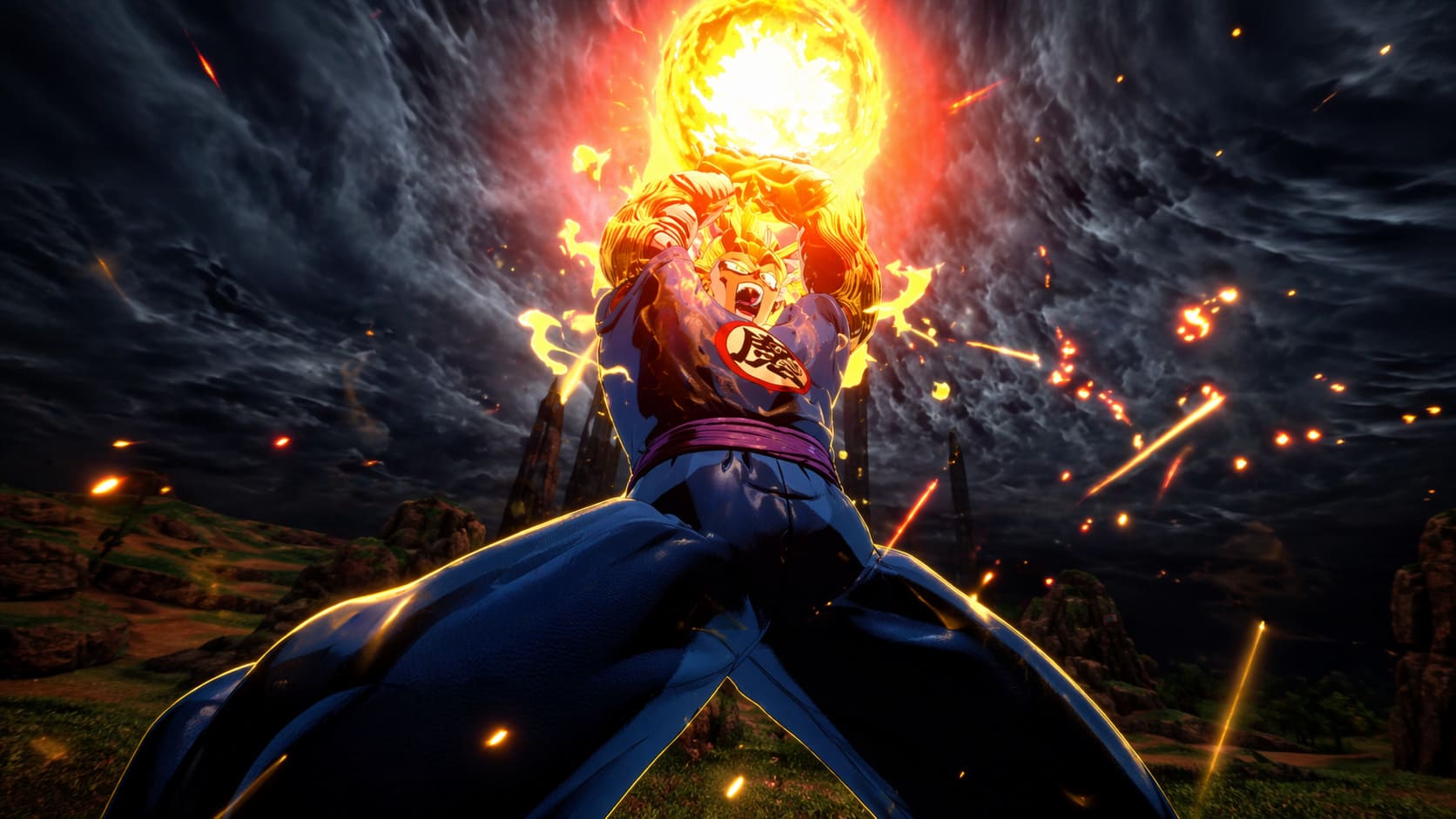
That’s when I realized: offense might look cool, but defense wins fights in this game — especially when you understand Perception and Super Perception.
This isn’t just a mechanic guide. It’s more like what I wish someone had told me before I got humbled in beam clashes for three hours straight.
Soulmask Sandcrawler Mount Guide: Best Locations, Taming Tips & Mastery (Shifting Sands DLC)
The Core Idea: Defense Isn’t Passive in Sparking! ZERO
Unlike older arena fighters where blocking is just “hold back and pray,” Sparking! ZERO gives you something way more active. Defense here is a decision system, not a reaction.
You’ve got Perception (basic defense stance) and Super Perception (high-level beam / super attack defense). At first glance, they sound similar. They are not. One keeps you alive in close combat. The other saves you from getting deleted by a screen-filling ultimate.
Understanding Perception – The Everyday Survival Tool
Perception is the move you’ll use constantly once you stop playing like a button masher. When you hold the Perception input, your character enters a focused defensive stance. It slowly drains your Ki, but in exchange, you gain powerful automatic reactions.
What Perception actually does:
- Auto-evades basic melee attacks
- Parry-like reactions to small Ki blasts
- Allows counter windows if timed correctly
- Enables Sonic Sway on perfect timing
If you activate Perception at the exact moment a rush attack connects, your character performs a cinematic dodge sequence. It looks clean, feels even better, and most importantly: it drains your opponent’s Ki and breaks their momentum.
Sonic Sway – The Flashy Reward for Good Timing
This is where good players separate from beginners. You’re not just defending — you’re stealing the fight back. Sonic Sway triggers when Perception is timed perfectly against a rush attack. The result is a cinematic dodge that resets momentum completely in your favor.
Super Perception – The Beam Slayer Mechanic
Now we get to the part everyone wants to know about: how do you deflect giant energy beams without dying instantly? That’s where Super Perception comes in.
This is not a reflex mechanic. It’s a resource-based system. Unlike Perception, Super Perception is built for high-impact threats like ultimates and beam attacks.
Requirements for Super Perception:
- At least 2 Skill Points
- Enough Ki to maintain stance
- Activation before beam impact (no frame-perfect timing needed)
Once these conditions are met, you can literally cancel ultimates mid-animation. Yes — even Kamehameha-tier attacks.
How Beam Deflection Works in Practice
When you activate Super Perception against a beam attack, your character performs one of two animations depending on positioning.
| Situation | Result | Animation |
|---|---|---|
| In the air | Beam is slapped away | Hand swipe deflect |
| On the ground | Beam disappears on impact | Aura nullification |
Mechanically, both outcomes are identical: zero damage taken, full momentum reset, and a very frustrated opponent on the other side of the screen.
The Real Strategy: When NOT to Use Super Perception
This is where most new players mess up. Because Super Perception uses Skill Points, it competes with transformations, fusions, Sparking Mode, and emergency counters.
If you burn it every time someone throws a beam, you’re basically deleting your own future options.
Simple rule: use Super Perception only when necessary — not when convenient.
Good situations include surviving ultimates, escaping low Ki pressure, or preserving a story branch requirement.
Hidden Depth: Story Mode Interactions
One thing I didn’t expect is how much this system matters in Story Mode. Some battles actually reward defensive mastery, and certain branching paths can only be unlocked by successfully deflecting specific attacks.
Defense here is not just survival — it’s progression design. That makes Super Perception feel like more than just a safety mechanic.
How to Deal With Perception Spammers
You will eventually meet someone who thinks holding Perception equals immortality. It doesn’t.
Here’s how to punish them:
- Use throws: Perception does not block grabs.
- Chip Ki: Small Ki blasts drain their stamina while they turtle.
- Flank them: Perception only works from the front, so reposition behind them.
Once you understand this, defensive spam stops being scary and starts being predictable.
My Practical Combat Flow
After a lot of matches (and a lot of getting deleted by ultimates), I started using a simple rhythm that actually works.
- Open with light pressure to test reactions
- Watch for Perception habits
- Punish with grabs or Ki chip
- Save Skill Points for beam emergencies
- Use Sonic Sway to swing momentum
It turns fights into something closer to reading an opponent than just executing combos.
Quick Reference Cheat Sheet
- Perception = basic defensive stance
- Super Perception = beam/ultimate nullification
- Cost = Ki + Skill Points (for Super version)
- Timing = hold before impact (no precision input needed)
- Weakness = grabs + back positioning
What surprised me most about Dragon Ball: Sparking! ZERO is how much respect defense actually gets.
Perception teaches patience. Super Perception teaches resource control. And together, they turn fights from chaos into structured mind games.
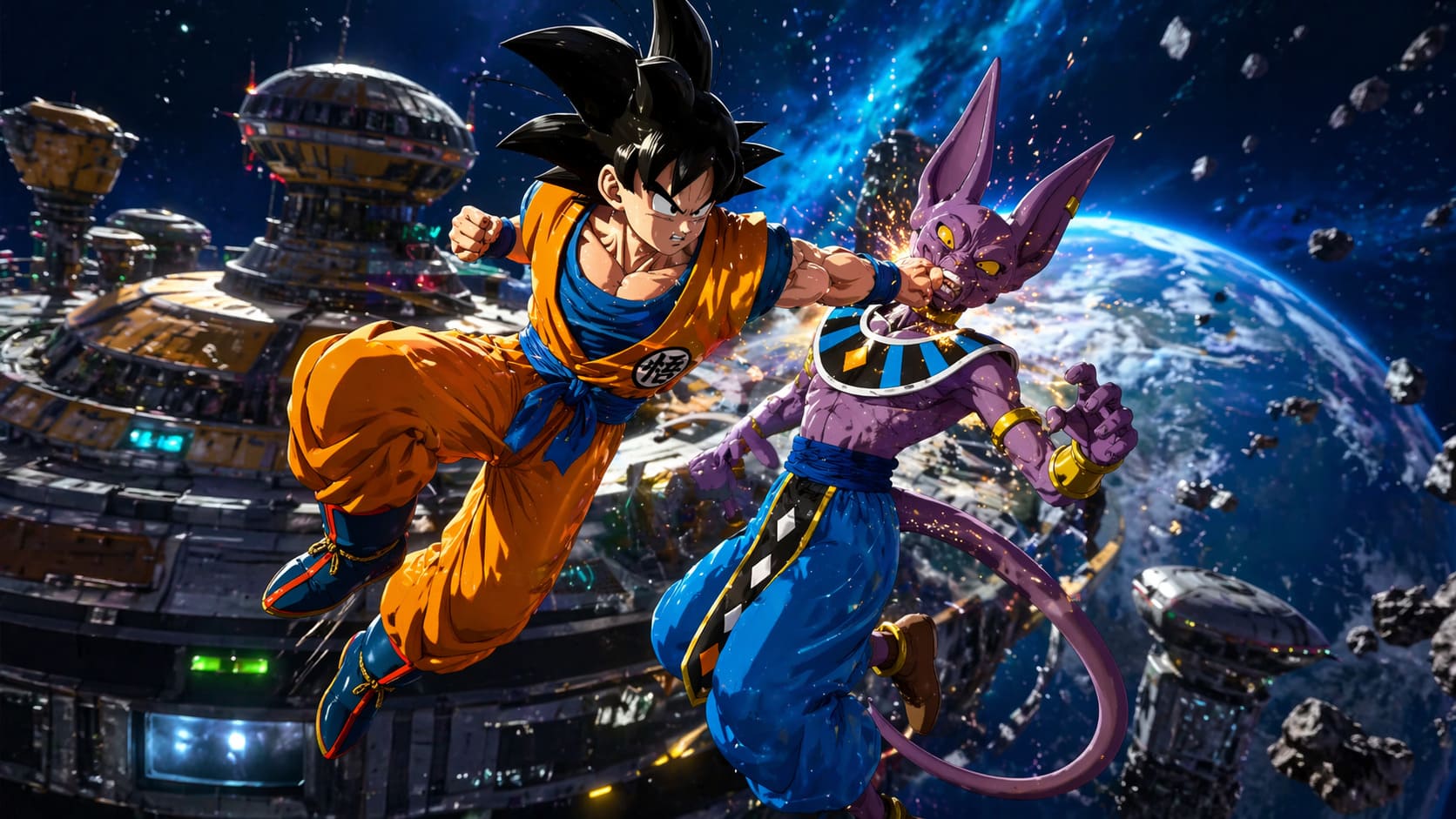
The first time I cleanly deflected a full-power beam and punished the opponent right after, I stopped thinking of defense as waiting. It felt like I had actually outplayed someone on a deeper level.
And honestly — slapping away a Kamehameha never stops feeling cool.
Dragon Ball Sparking! ZERO 2026 Meta Shift Report: How the Game Finally Found Its Competitive Identity
Overview: A Fighting Game That Finally Grew Into Itself
I’ve been following fighting games for years—from classic arena brawlers to modern competitive titles—and it’s rare to see a meta evolve as naturally as it has in Dragon Ball: Sparking! ZERO. What started as a nostalgia-heavy fighter has slowly turned into something far more structured and strategic, especially after the major updates and DLC waves leading into 2026.
The biggest surprise is how much deeper the game feels now. It’s no longer just about flashy combos or explosive damage. Instead, matches are shaped by resource management, timing, and decision-making under pressure. That shift alone completely changed how the game is played at high level.
The 2026 Competitive Landscape
Earlier versions of the game were chaotic in the best and worst ways. Matches often revolved around overwhelming pressure and high damage bursts, with certain character families dominating almost every tier list.
That changed after several key system updates, including environmental scaling adjustments, Vanishing Gauge rebalancing, and major tweaks to perception mechanics. The result is a slower, more tactical environment where players are forced to think about long-term resource control instead of immediate damage output.
Now, matches are often decided by who manages Ki better, who forces defensive errors first, and who understands how to pressure resources instead of just health bars.
S-Tier Meta Breakdown
At the top of the current competitive ladder, a small group of characters consistently defines high-level play. These fighters excel in efficiency, safety, and resource control rather than pure damage alone.
The most dominant picks include Ultra Instinct Goku (Sign), Moro (Planet-Eater), and Vegito Blue. Each of them brings something fundamentally different to the meta, but all three share one thing in common: they punish mistakes harder than most of the roster while maintaining strong defensive or pressure tools.
Ultra Instinct Goku (Sign): The Reaction Specialist
Ultra Instinct Goku (Sign) remains one of the strongest characters in the game, not because he overwhelms opponents with damage, but because he is extremely difficult to pin down.
His reduced Ki consumption during perception-based defense allows skilled players to survive longer exchanges and force opponents into impatience. In practice, this means he excels in drawn-out matches where small mistakes decide everything.
At high level, players often use him to bait aggressive options, punish recovery windows, and slowly build advantage through defensive consistency rather than aggression.
Moro: The Resource Control Nightmare
Moro is arguably the most disruptive DLC character introduced into the game. His energy drain passive fundamentally changes how opponents approach neutral interactions.
Simply staying near Moro drains Ki over time, which forces constant movement and prevents passive defensive play. This alone makes him a hard counter to players who rely heavily on perception and blocking.
Instead of fighting directly, Moro wins by starving opponents of resources and limiting their ability to respond effectively during key moments of pressure.
Vegito Blue: The Stabilizer Pick
Vegito Blue continues to serve as one of the most reliable characters in competitive play. While he may not dominate in the same flashy way as some DLC additions, his consistency makes him extremely valuable in structured team compositions.
His improved startup speed on key attacks and strong beam struggle performance allow him to control mid-range interactions effectively. In many ways, he acts as a stabilizing force for teams that rely on predictable pressure and safe conversions.
Major System Changes That Defined the Meta
Fusion Stability System
One of the most impactful changes in 2026 was the introduction of the Fusion Stability system. Previously, fusion characters often acted as guaranteed win conditions, but that is no longer the case.
Now, taking damage reduces fusion duration, meaning aggressive opponents can actively shorten fusion uptime through pressure. This has turned fusion characters into high-risk, high-reward tools rather than permanent power spikes.
Perfect Z-Counter 2.0
The updated Perfect Z-Counter system introduced a much higher skill ceiling for defensive play. Executing it requires precise timing combined with directional input and perception activation.
When successful, it does more than just stop pressure. It breaks the opponent’s guard state and creates guaranteed punish opportunities that cannot be avoided through standard defensive mechanics.
This change significantly improved defensive interaction and reduced passive blocking strategies at high level.
Anti-Meta Characters
Despite the dominance of S-tier characters, several lower-profile fighters have found success in niche strategies and counter-matchups.
Orange Piccolo benefits heavily from recent poise adjustments, allowing him to withstand light pressure and challenge rushdown-heavy characters more effectively than before.
Android 17 (Super) also stands out due to his barrier mechanics, which convert defensive situations into resource gain. In a meta focused on resource control, this ability gives him unexpected long-term value.
What the Meta Actually Feels Like
At its core, the current meta is no longer about who deals damage fastest. Instead, it is about who can force the opponent into resource inefficiency first.
Matches now typically follow a structured flow: early spacing and testing, resource baiting, mid-fight adaptation, and finally decisive punishment windows where small mistakes become critical.
This makes the game feel far more strategic than its early versions, with patience and awareness playing a much larger role than pure execution speed.
Final Thoughts
From a competitive perspective, Dragon Ball: Sparking! ZERO is in one of its healthiest states so far. The shift away from chaotic burst damage gameplay toward structured resource management has made the game more readable and more skill-based.
What stands out most is how diverse the meta has become compared to earlier versions. Instead of a handful of dominant characters, we now see a wider range of viable picks depending on playstyle and match strategy.
It is not a perfect balance state, but it feels intentional, expressive, and rewarding. For a fighting game that started as a nostalgia-driven project, that evolution is impressive on its own.
Whether you prefer defensive precision, aggressive pressure, or resource control, the 2026 meta has space for different approaches—as long as you understand how to manage what matters most: time, resources, and decision-making under pressure.