Best Ability Items to Equip: Sparking Zero 2026 Team Synergies & Meta Roles
If there’s one thing I’ve learned grinding ranked matches in Dragon Ball: Sparking! ZERO, it’s that raw skill alone won’t carry you forever.
At some point, the game stops being just about landing combos and starts being about preparation—specifically, how well you’ve built your Ability Item loadout.
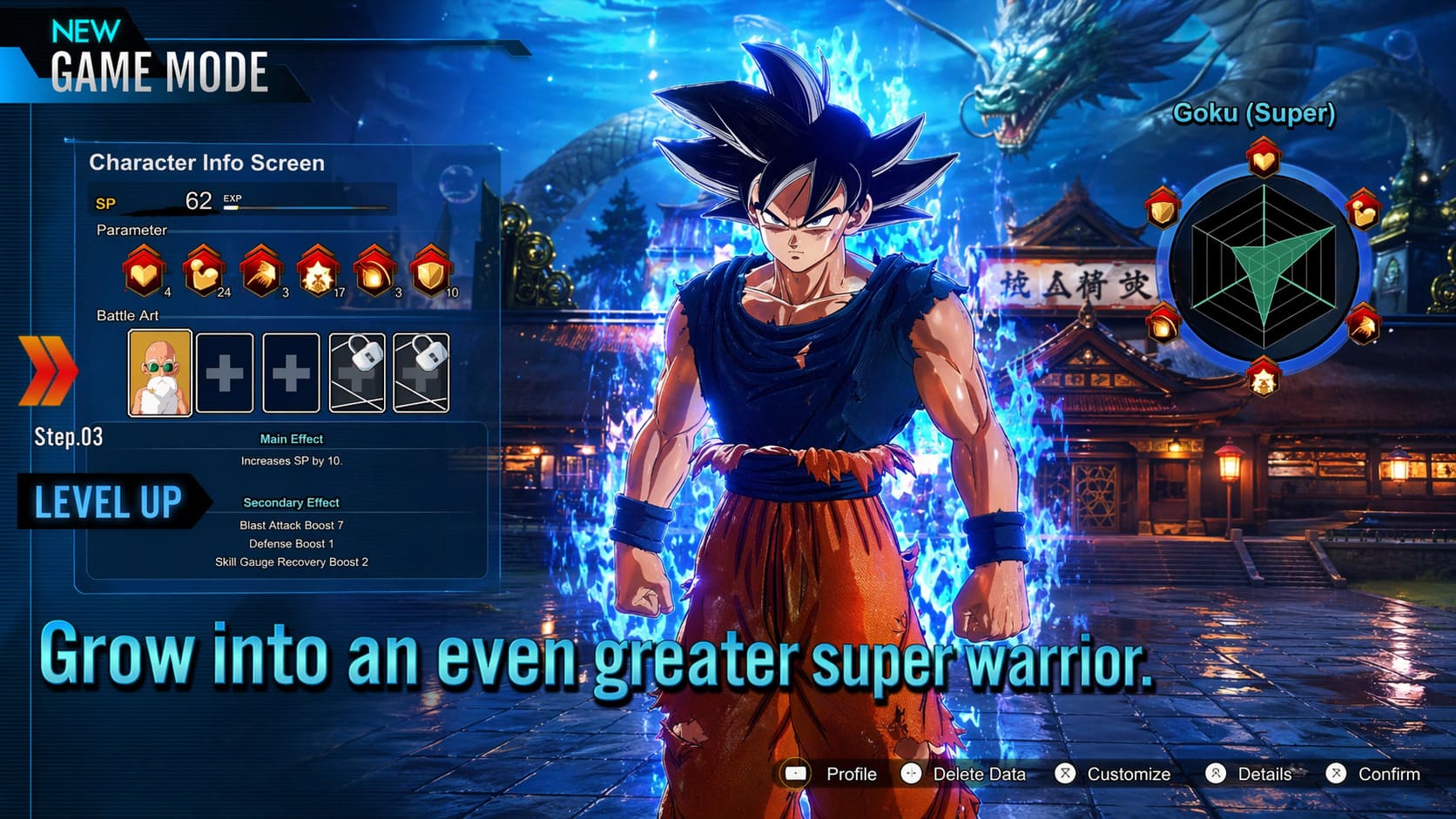
I’ve spent a ridiculous amount of time testing different Capsules, reading what top players are running, and honestly losing a fair share of matches just to understand what actually matters. This isn’t a perfect meta bible type of guide.
It’s more like a breakdown from someone who actually plays, experiments, and occasionally suffers in Ranked so you don’t have to.
Is the Horus Mask BROKEN? Full Breakdown and Nerfs: Soulmask 1.0 Meta Analysis (2026)
The Current Meta Reality: Why Ability Items Matter More Than Ever
At higher ranks, almost every player knows their combos. What separates wins from losses is usually who starts faster, who survives longer, and who controls Ki better. That’s exactly where Ability Items come in. Think of them as passive “rules breaks” that tilt fights in your favor before the match even begins.
Right now, the meta is heavily centered around early Ki advantage, survivability stacking, and anti-pressure tools.
Tier 0 Ability Items (The Ones You’ll See Everywhere)
These are the items I personally consider almost mandatory if you want consistency in Ranked.
Draconic Aura (Armor Break Pressure Tool) – Every hit causing flinch completely shuts down passive or armor-based playstyles. If your opponent relies on ignoring hitstun, this item deletes that strategy. Without it, fights often feel unnecessarily slow and defensive.
Rising Fighting Spirit (Instant Ki Start) – Starting with full Ki changes the pace of the entire match. You can immediately pressure, transform, or defend without early-game hesitation. Aggressive players benefit massively from this.
God of Destruction’s Training (HP Inflation Core) – This dramatically increases survivability. In close matches, that extra health bar or two is often the difference between winning and losing.
Dende’s Healing Ability (Passive Sustain) – Not flashy, but extremely annoying for opponents. Passive healing forces them into aggression, which often leads to mistakes.
Meta Loadout Categories (How Top Players Actually Build)
Most competitive players don’t just stack random buffs—they build around a purpose. The main archetypes are tank builds, Ki control builds, and mobility pressure builds.
1. Tank / Defense Builds
These builds are designed to outlast opponents and win through attrition rather than speed.
| God of Destruction’s Training | HP increase |
| King Kai’s Training | Extra durability stacking |
| Master Roshi’s Training | Survivability boost synergy |
| Perfect Guard | Negates chip damage |
This setup is frustrating to fight against. You’re not necessarily killing fast—you’re just refusing to die. It’s one of the most consistent ways to climb if you prefer stability over aggression.
2. Ki Control / Technical Builds
This category focuses on efficiency, timing, and resource control.
God Ki reduces Blast cost and improves efficiency, while Dragon Spirit increases Skill Point recovery. Secret Measures gives early Skill advantage for transformations or fusion setups.
This build rewards players who understand timing and resource management. If you like counters, transformations, and ability chains, this is your style.
3. Mobility & Pressure Builds
This is the fast-paced, aggressive archetype where opponents rarely get breathing room.
Battle Control improves switching speed, The Secret to Dragon Dashes enables near-limitless movement pressure, and Miracle Master helps escape knockdown pressure automatically.
This build creates constant momentum. It can feel overwhelming for opponents because they are always reacting instead of acting.
Recommended Ranked Loadouts (Practical Builds)
All-Rounder Meta Build (Most Reliable Option)
| God of Destruction’s Training |
| King Kai’s Training |
| Draconic Aura |
| Rising Fighting Spirit |
| God Ki |
| Perfect Guard |
| Dragon Spirit |
This is the safest build for climbing Ranked. It doesn’t hard commit to any single strategy but gives strong tools for every situation. If you only run one setup, this is the one I’d recommend.
Regenerative Switch Build (Team Play Focus)
| Warming Up | Switch healing |
| Battle Control | Faster swaps |
| Dende’s Healing Ability | Passive regeneration |
| Proof of Friendship | Ultimate synergy boost |
| God of Destruction’s Training | Base survivability |
This build focuses on rotation, sustain, and long-term advantage. It’s slower but extremely effective in drawn-out matches where attrition matters more than burst damage.
My Honest Take on the Meta
After extensive testing, the current meta feels heavily influenced by early momentum. Whoever controls the first 20 seconds often dictates the entire match flow.
Defense stacking is still very strong, Ki advantage is extremely valuable, and mobility builds are slightly underrated at mid-rank. Healing setups are frustrating to fight but surprisingly consistent over long sessions.
In simple terms: early game advantage equals win probability.
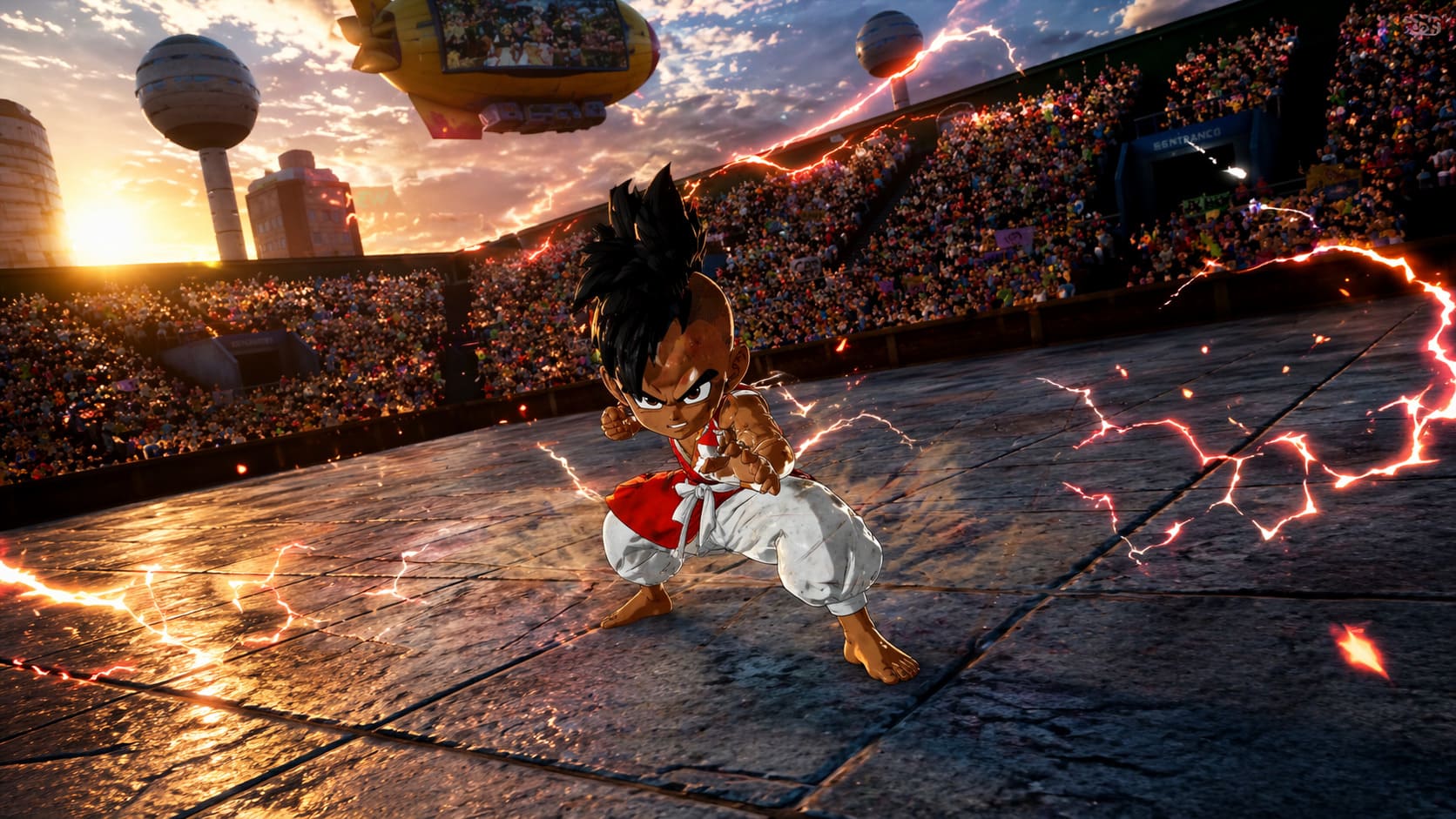
Dragon Ball: Sparking! ZERO 2026 Meta Team Building Guide – Best Synergies, Roles & Competitive Compositions
If there’s one thing I’ve learned grinding ranked in Dragon Ball: Sparking! ZERO in 2026, it’s that raw power alone doesn’t win matches anymore. The days of just slapping together your favorite Saiyans and hoping for the best are gone. The current meta—especially after the Super Limit-Breaking NEO DLC—feels way more tactical, almost like building a small ecosystem rather than just a team.
What really defines success now is synergy. Not just “who hits hardest,” but how your characters flow together: how they start pressure, how they stabilize mid-match, and how they close games under stress. The old Point-Mid-Anchor structure has basically evolved into something more flexible that I like to call Point – Pivot – Support, where roles can shift depending on match tempo.
The Modern Team Philosophy (2026 Meta)
The biggest shift in this meta is that teams are no longer linear. Instead of “this is my starter, this is my finisher,” you’re building adaptive shells that can survive chaos.
Each character now needs to do at least two things: apply pressure or force reactions, recover momentum or reset neutral, or provide sustain and utility under pressure. That’s why we’re seeing unusual but effective combinations like Whis with Goku Black or GT Vegeta paired with SSJ4 Goku dominating ladder play.
The goal is simple: make your opponent uncomfortable in every phase of the match.
Core Roles Explained
1. Point (Starter Role)
Your opener is not necessarily your weakest character anymore. It’s the one that dictates tempo. Good starters usually have fast movement or vanish tools, early pressure strings, and annoying defensive bait tools. Characters like teen Goku variants or Pan-style fighters excel here by forcing early vanish exchanges and draining opponent resources.
The idea is not to win instantly—it’s to control the rhythm of the match from second one.
2. Pivot (Mid Control Role)
This is honestly the most important role in 2026. Your pivot is the glue of your team. They stabilize losing situations, reset neutral when you’re overwhelmed, and maintain pressure without overcommitting.
A perfect example is Whis-style gameplay. Healing mechanics, fast punishes, and pressure tools make him feel like he’s constantly resetting the fight in your favor. If your pivot is weak, your whole team collapses under pressure.
3. Support (Anchor Role)
Anchors are your insurance policy. They don’t always need to be flashy—they just need to end games or stall until you can recover resources.
Typical anchors include high DP monsters, tank characters with strong survivability, and characters with devastating ultimate damage. Broly-type characters or Android-style defensive walls fit perfectly here. Their job is simple: survive long enough to turn the match.
Top Meta Team Compositions (2026)
1. GT Ultra Pressure Duo
This is probably the most “simple but extremely effective” shell in the current meta. The core consists of GT Vegeta and SSJ4 Goku.
This team works because of constant pressure loops, high damage with minimal setup, strong defensive trades, and natural synergy between aggression and punishment. GT Vegeta sets the tone with disruption and endurance, while SSJ4 Goku acts as the primary finisher.
Third slot options include Majuub for resource control or Future Gohan for stability and mid-range control.
2. Divine Pressure Control Team
This setup focuses on control, resource depletion, and psychological pressure. The core includes Whis, Goku Black or Fused Zamasu, and Beerus.
Whis is the engine of the team, forcing opponents to spend resources defensively. Zamasu provides sustain and momentum control, while Beerus acts as the finisher once opponents are drained.
This team doesn’t rely on speed—it relies on suffocation.
3. Super Armor Counter Shell
This composition is designed specifically to counter tank-heavy and armor-based builds in ranked play.
The core consists of Goku (End Z), Piccolo, and LSSJ Broly. Piccolo provides disruption and defensive barriers, while Broly absorbs pressure and delivers massive punishment. Goku ensures consistent combo output and reliable damage.
This team is ideal for players who want stability and strong counterplay tools.
Synergy Mechanics That Matter
DP Optimization Trick
One of the most important advanced strategies is DP manipulation. Instead of selecting expensive transformations directly, players often choose base forms and transform mid-match. This allows for more flexible team compositions, better early-game coverage, and stronger scaling into late match situations.
Fusion Timing Strategy
Mid-match fusion remains one of the strongest mechanics in the game. However, timing is critical. Fusing too early wastes resources, while fusing too late risks losing momentum entirely.
High-level players treat fusion as a comeback or finishing tool rather than a starting advantage.
Afterimage Stall Meta
Low DP characters with evasive abilities are extremely valuable in the current meta. They can effectively waste opponent Sparking Mode windows, force resource depletion, and reset neutral situations for free.
This strategy is often frustrating to play against but highly effective in ranked environments.
Ranked Strategy Adjustments (Ultra Patch Era)
Recent patches have significantly changed defensive mechanics, improving Ki recovery and perception systems. As a result, efficiency matters more than raw combo length.
Z-Burst Dash positioning is essential for breaking guard flow, while ground-to-air transitions have become more important than extended aerial combos. Clean hits now matter far more than flashy sequences.
Team Comparison Overview
| Team Type | Strength | Weakness | Difficulty |
|---|---|---|---|
| GT Ultra Duo | High pressure and damage output | Weak against stall strategies | Medium |
| Divine Control | Resource domination and sustain | Slow early momentum | High |
| Super Armor Counter | Defense and strong punish tools | Predictable offense patterns | Medium |
Final Thoughts
What makes Dragon Ball: Sparking! ZERO in 2026 so interesting is that it finally stopped being just a “pick your favorite character” fighter. Now it’s closer to chess with explosions, where every decision matters and every role has weight.
The best teams aren’t defined by raw strength but by adaptability. Each character needs to contribute beyond damage—whether it’s control, disruption, sustain, or tempo shaping.
If there’s one takeaway from the current meta, it’s this: you don’t win by having the strongest fighter—you win by having the most adaptable team.