War of the Worlds: Siberia Puzzle & Safe Codes Survival Guide – A Player’s Field Notes from the Frozen Front
When I first booted up War of the Worlds: Siberia, I expected a straightforward survival shooter with a bit of atmospheric storytelling.
What I got instead was something far more methodical and surprisingly thoughtful: a cold, mechanical world where progress is gated not just by bullets or stealth, but by observation, patience, and a lot of decoding rusty locks in freezing wind.
This isn’t just another “follow the marker” adventure. It’s a game where you stop, look around, re-check a torn note you picked up 20 minutes ago, and suddenly realize the answer was literally carved into a desk leg all along.
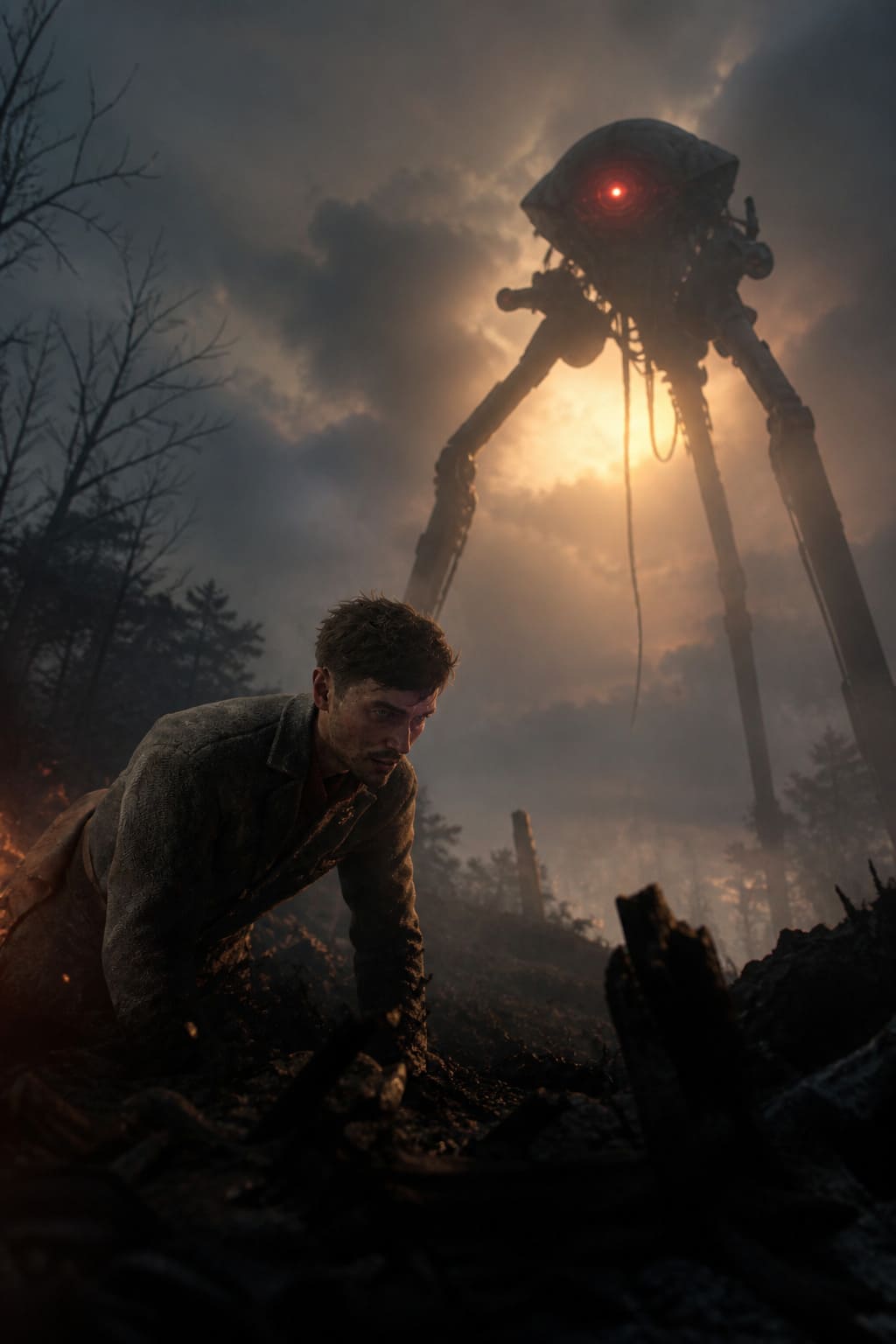
Below is my personal walkthrough-style breakdown of the game’s most important safe codes, puzzle logic, and mechanical solutions, written from the perspective of actually playing through it rather than just data-mining it.
Invincible VS Tier List 2026: Best Characters and Meta Team Guide
Why Siberia’s Puzzles Feel Different
What stood out to me early on is that War of the Worlds: Siberia avoids modern UI-heavy puzzle design. There are no glowing hints screaming at you. Instead, it leans heavily into environmental storytelling and physical interaction.
You’re dealing with things like rusted mechanical locks that require logic, steam-powered gates that respond to pressure balance, hidden codes written in marginal notes or wall carvings, and multi-step puzzles where clues are scattered across different rooms.
It feels less like solving puzzles and more like surviving through understanding.
Chapter 1 – Petrograd Outpost: First Real Test of Observation
The opening section looks simple, but it quickly teaches you to stop rushing.
Commander’s Desk Safe
- Location: Back office of the barracks
- Clue: A wall calendar with a circled date
- Solution Code: 1014
- Reward: Sidearm and rail map
At first, I overthought this. I looked for cipher books, hidden drawers, even environmental math. Turns out the game is far more literal than expected, and if something is highlighted in red, it usually matters.
Steam Gate Pressure Puzzle
- Left valve → clockwise 3 turns
- Right valve → counter-clockwise 2 turns
- Wait for pressure stabilization sound
- Pull central lever
This puzzle is not hard, but it forces patience. If you rush it, the system resets. That mechanic becomes important later in the game.
Chapter 2 – Mining Village: Where Logic Starts Layering
The abandoned mining settlement is where puzzles begin stacking complexity.
Foreman’s Safe
- Location: Office overlooking excavation pit
- Clue 1: Note under tea set contains “82”
- Clue 2: Scratched numbers under desk contain “19”
- Final Code: 8219
- Reward: Dynamite
This is where the game starts splitting information physically across the environment. You rarely get full answers in one place, which forces exploration.
Ore Elevator Puzzle
- Large Gear → bottom-right spindle
- Small Brass Gear → top-left spindle
- Activate pull cord twice
The solution is simple once understood, but the game expects you to read visual logic instead of relying on explicit instructions.
Chapter 3 – Martian Crash Site: Shift into the Alien Unknown
This section changes the entire tone of the game. Puzzles stop feeling industrial and start feeling alien and experimental.
Reflective Lens Puzzle
- Mirror 1 (North): face Southeast
- Mirror 2 (East): face Southwest
- Mirror 3 (South): align with central crystal
This puzzle feels less like engineering and more like reverse decoding alien logic patterns. It’s visually satisfying once completed.
Signal Frequency Box
- Pitch: 45Hz
- Amplitude: Maximum
Instead of physical interaction, this puzzle introduces waveform matching, which expands the game’s mechanical language.
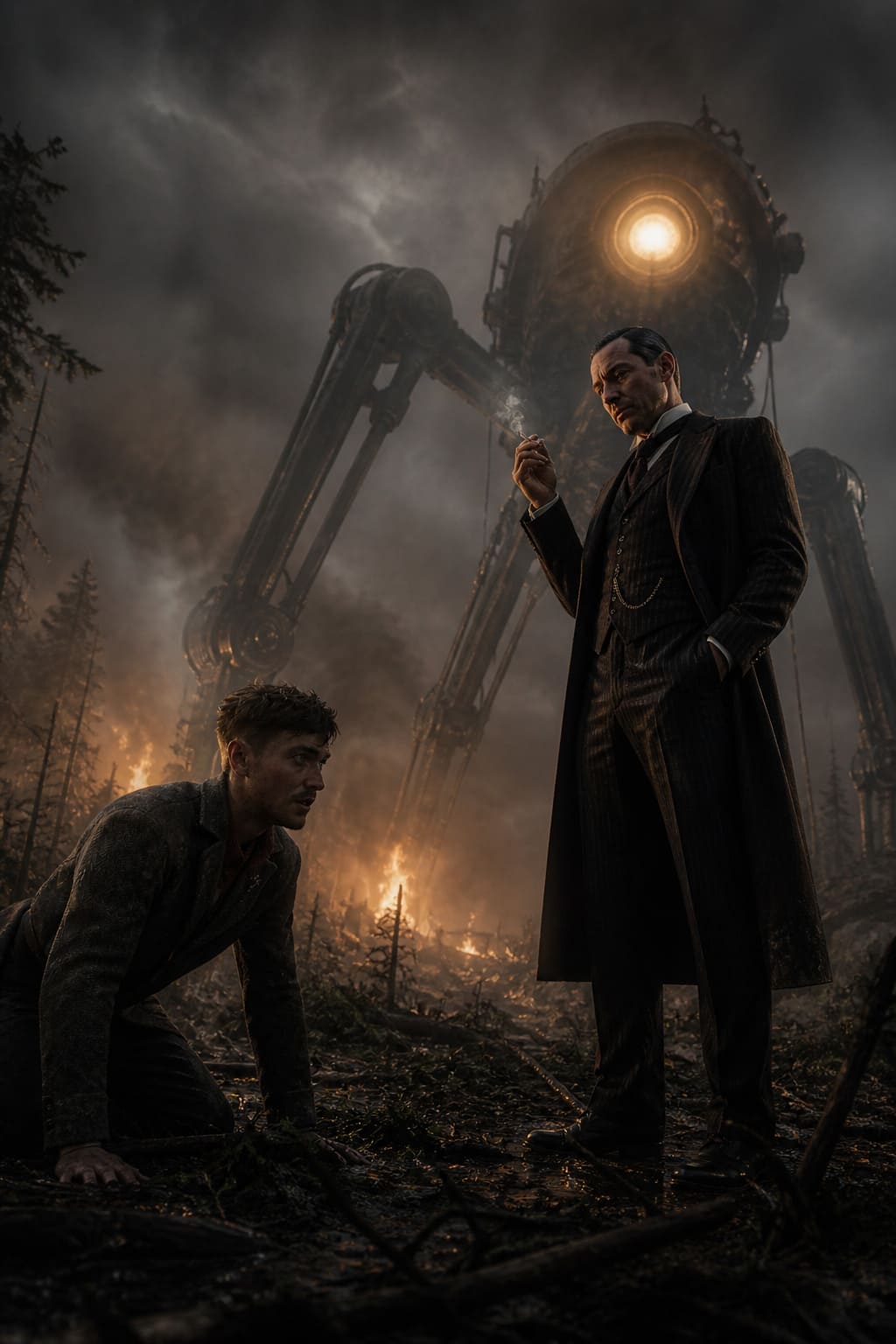
Chapter 4 – Trans-Siberian Train Mystery
This section is one of the most cinematic parts of the entire experience, combining environmental storytelling with mechanical puzzles.
Imperial Vault Code
- Location: Car 4 via roof access
- Clue: Tsar portraits and reign years
- Final Code: 1896
- Reward: Prototype weapon components
The interesting part here is how historical context becomes puzzle logic, blending lore directly into gameplay progression.
Boiler Room Sequence
- Blue Valve
- Red Valve
- Yellow Lever
- Main Release
Incorrect sequences lead to overheating risk, adding tension without feeling unfair.
Chapter 5 – Fortress of the Black Smoke: Endgame Complexity
This is where everything the game taught you comes together into layered puzzle systems.
Radio Tower Code
- Morse decoding required
- Final Code: 5723
- Reward: Evacuation coordinates
This puzzle rewards players who paid attention to audio cues throughout the game.
Grand Laboratory Door
- Fire Canister → left-most slot
- Ice Canister → second from right
- Steam Canister → right-most slot
- Chemical Canister → second from left
This final puzzle functions as a system balance challenge rather than a simple lock, combining multiple gameplay concepts into one final gate.
Quick Reference Table – Major Safe Codes
| Location | Code | Reward |
|---|---|---|
| Petrograd Desk Safe | 1014 | Sidearm + Map |
| Mining Foreman Safe | 8219 | Dynamite |
| Train Vault Car | 1896 | Weapon Parts |
| Radio Tower | 5723 | Evacuation Data |
Personal Thoughts on the Experience
What makes War of the Worlds: Siberia stand out is how seriously it treats its puzzles. They are not filler content or artificial barriers. They feel like part of the world’s logic, as if every locked door has a historical or mechanical reason to exist.
The game rewards curiosity more than speed. If you rush, you miss clues. If you observe carefully, everything becomes logical. It creates a slow but satisfying rhythm of discovery.
It’s not a game about solving puzzles quickly. It’s a game about understanding a broken, frozen world piece by piece.
Final Impression
By the end, I realized this wasn’t just a survival game with puzzles. It’s a layered exploration experience where intelligence, patience, and attention to detail matter just as much as combat or movement.
The satisfaction doesn’t come from action. It comes from recognition, when scattered clues suddenly align and the world makes sense again, even if just for a moment.