Subnautica 2 Leviathan Map Guide: My Survival Notes from the Ariadne Arm
When I first jumped into Subnautica 2 Early Access (2026), I honestly thought I was ready. I’ve played the original Subnautica, I’ve been chased by Reapers, I’ve panic-swum through pitch-black trenches thinking “this is it.”
But the Ariadne Arm changes the rules in a way that feels both familiar and way more unpredictable.
The map is bigger, the ecosystems are more layered, and most importantly — the Leviathans feel like they’re thinking with you, not just reacting to you.
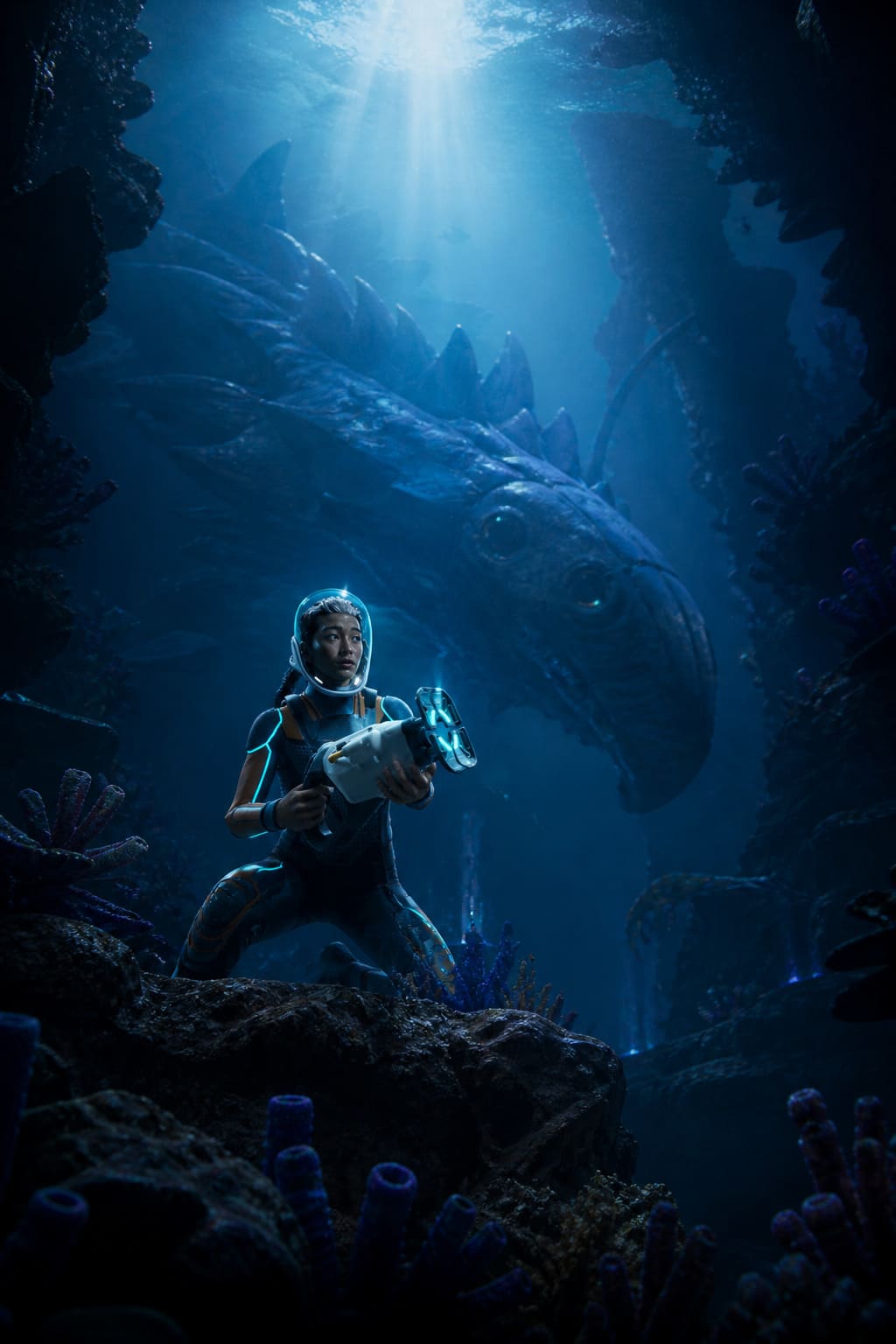
After several hours of exploration (and a few very loud submarine failures), I started mapping out where the real danger lives. This guide is less “perfect wiki data” and more like field notes from someone trying not to get eaten.
The Best Spells in The Spell Brigade (2026): Guide to Meta builds, Infusions, and Team Synergies
The New Leviathan Hierarchy in Subnautica 2
The game doesn’t just throw giant monsters at you anymore. It builds ecosystems where each apex predator has a role. Some hunt, some guard territory, and some just exist like moving disasters. The result is a world that feels less scripted and more like a living pressure system constantly pushing back against your curiosity.
Collector Leviathan (“The Kraken”)
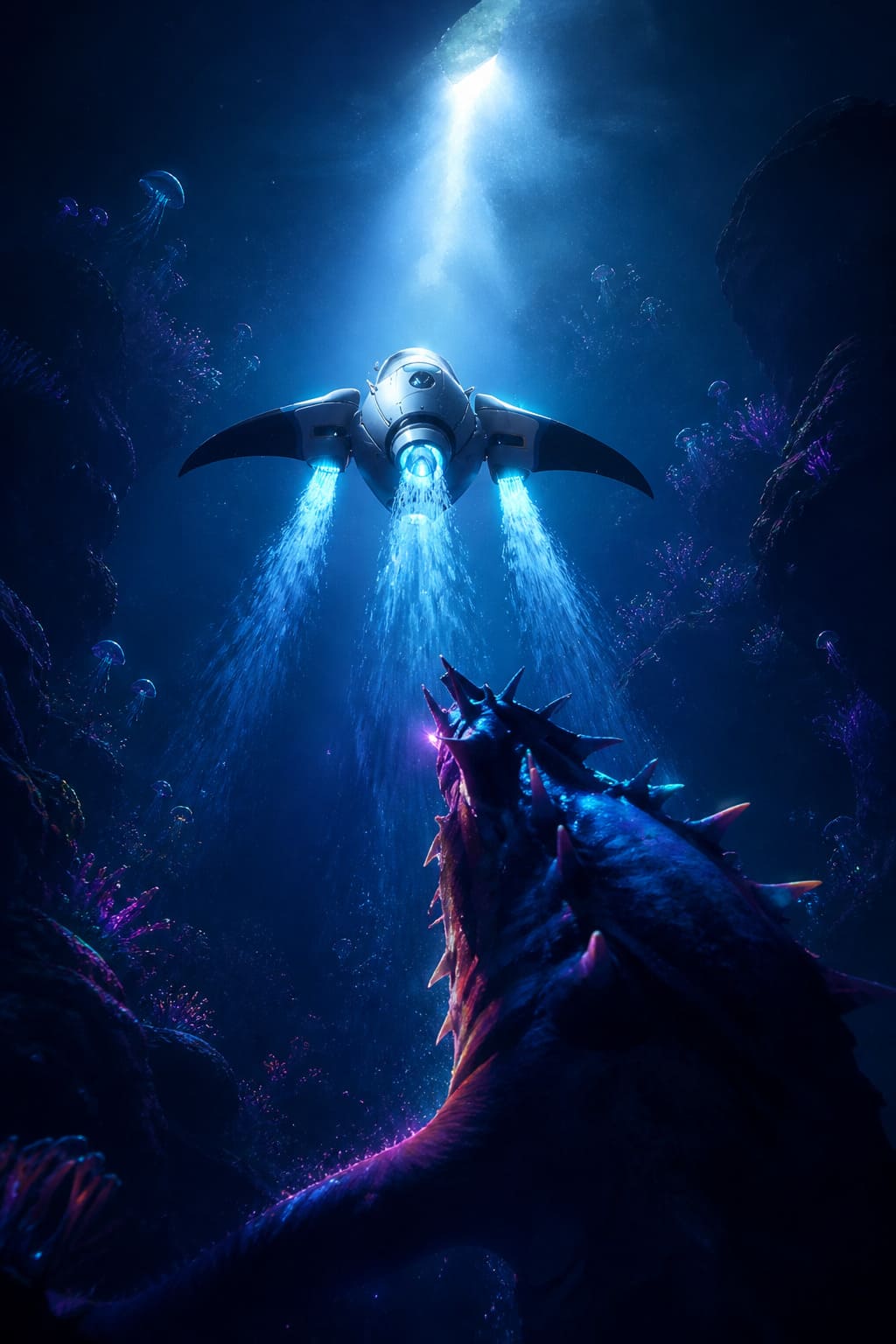
This is the one you remember after you stop playing. It feels like the spiritual successor to Reapers, but much more interactive and, honestly, more unsettling. The glowing head organ isn’t just visual flair — it helps read its aggression state in real time. When it shifts to deep red, everything in me just tells me to stop moving.
Location: Sparse Plains and trench transition zones
Threat Level: Extreme
Behavior: Reactive, adaptive, stealth-sensitive
It reacts to engine noise, light intensity, and sudden movement bursts. The biggest mistake is trying to rush through its territory. Slow travel is not just recommended — it’s survival logic. If you’re forced into its zone, decoys aren’t optional. They are your only bargaining chip.
Leg-Back Leviathan
This one is deceptive. The first time I saw it, I genuinely thought it was part of the terrain. It just exists — huge, slow, and almost peaceful in a way that makes you lower your guard without realizing it.
Location: Coral Gardens, High Reefs
Threat Level: Low to Medium
Behavior: Passive, territorial by presence
It doesn’t hunt you. It doesn’t chase you. The danger comes from its scale and movement path. You can easily crash into it or get trapped between its legs if you are not paying attention. I actually appreciate this design because it forces awareness instead of fear.
Stalker of the Deep (Abyssal Squid Leviathan)
If the Collector is fear through awareness, this one is fear through loss of control. It creates situations where your tools stop mattering for a few seconds, and that is usually enough to ruin everything.
Location: Abyssal Trench, Void edges
Threat Level: Extreme
Behavior: Ambush predator, sensory disruption
Its ink mechanic completely blinds visibility and disables your HUD. That moment of disorientation is what makes it dangerous, not raw damage. The best survival strategy I found is interruption timing with the Pulse Cannon followed by immediate retreat to shallow terrain where it loses tracking.
Leviathan Danger Zones: Biome Breakdown
The Ariadne Arm is structured around pressure zones rather than simple depth scaling. Each biome changes how you think, not just where you go. Some areas punish speed, others punish hesitation, and a few punish simply existing in the wrong place.
Sparse Plains (High Risk)
This is Collector territory. Wide, open, and deceptively safe-looking. There is almost no cover, which turns every movement into exposure. It is one of those areas where silence feels louder than noise, because you constantly expect something to react.
Ariadne Void (Infinite Risk)
This is not just empty space. It feels active. Entering this zone triggers multiple Leviathan-level threats that effectively push you back toward the map. It’s less an area to explore and more a boundary that refuses exploration.
Thermal Spires (Moderate Risk)
This region is not dominated by Leviathans yet, but smaller predators operate in groups. The danger here is accumulation rather than singular encounters. You don’t die instantly — you slowly lose control of resources, direction, and time.
New Survival Tools That Actually Matter
Subnautica 2 doesn’t just increase difficulty — it gives you ways to negotiate with it. Survival is no longer just avoidance. It’s interaction, timing, and controlled risk management.
Pulse Cannon
This tool changes the pacing of encounters. It doesn’t kill threats, but it interrupts them in critical moments. Think of it as a reset button rather than a weapon.
It is especially useful when dealing with charging predators or breaking escape sequences that would otherwise be guaranteed failure.
Tadpole Bio-Mimicry Upgrades
This system encourages stealth over speed. Instead of brute-force upgrades, you reduce detectability by aligning with environmental signals. The result is a gameplay loop that rewards patience and observation instead of aggression.
Defensive Decoys
Simple concept, huge importance. In high-risk zones like the Sparse Plains, decoys become essential resources rather than optional tools. Without them, exploration becomes gambling with extremely low odds.
My Personal Survival Observations
After extended exploration, one thing became clear: Subnautica 2 doesn’t punish mistakes randomly. It punishes habits. Fast movement, repeated patterns, and predictable behavior all increase risk over time.
I started changing how I play. I pause more often, not out of fear, but because observation is now part of survival. Rushing through areas feels less efficient and more dangerous than ever before.
The ocean here doesn’t just react to you. It learns how you move through it.
Co-op Changes Everything
Multiplayer completely shifts the experience. With multiple players, survival becomes coordination instead of isolation. One person navigates, another scans threats, and another manages movement timing.
This transforms encounters from panic events into structured survival decisions. It doesn’t remove fear — it distributes it across roles.
Final Thoughts
Subnautica 2’s Ariadne Arm doesn’t just expand the world — it changes how danger feels. Leviathans are no longer just enemies. They are environmental systems that shape how you move, think, and explore.
The Collector still makes me hesitate before entering deep water. The Stalker still disrupts my orientation at the worst possible moments. And the Leg-Back Leviathan reminds me that not everything in the ocean is hostile — some things are just too large to ignore.
But I still go back in. Because every time I think I understand the map, it quietly proves me wrong again.