Project Wraith Explained: Cold War Experiments & Full Story Breakdown
I’ve been into video games, horror forums, and deep lore rabbit holes for years, and every now and then a concept pops up that just sticks. Project Wraith is one of those names.
It sounds like something straight out of a stealth-action sci-fi title, but it lives mostly in internet myth, Reddit threads, and fan theories.
The deeper I dug, the more I realized this isn’t just another creepypasta—it’s a full-blown modern urban legend built on our love for dark storytelling and conspiracy-flavored horror.
How to Manage Inventory in Cooking Simulator 2 & Improve Guest AI Feedback
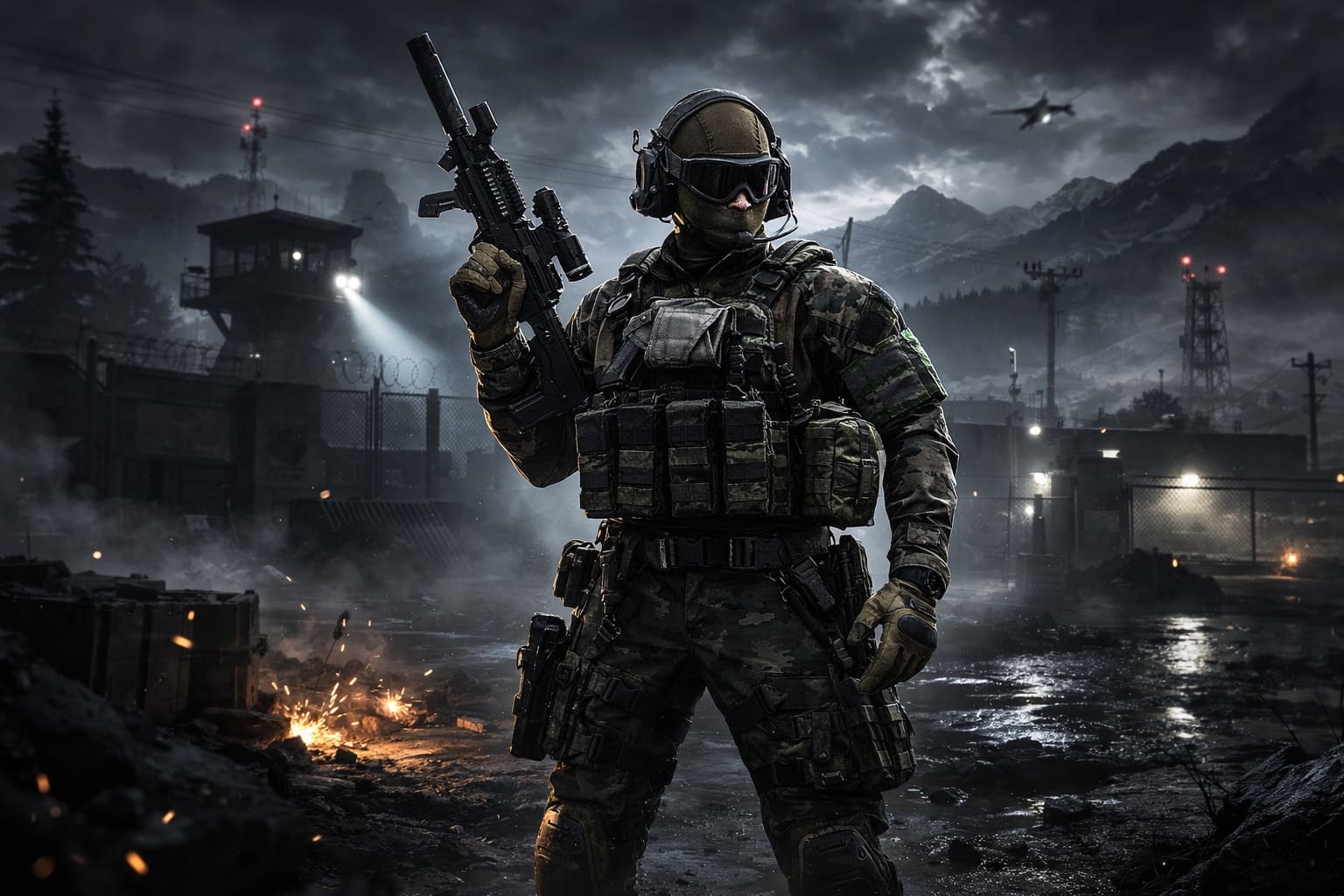
The Origin: Cold War Shadows and Digital Campfires
According to scattered posts across horror communities like Reddit’s r/creepypasta and long-form lore discussions, Project Wraith allegedly began during the Cold War. Not as a simple mind-control experiment, but as something far more disturbing: the weaponization of the human soul. That’s the hook that makes it unforgettable. Unlike real historical programs such as MKUltra, this fictional initiative wasn’t about psychology alone—it was about tearing open the veil between dimensions.
In most versions of the story, a secretive organization—usually called the Ares Group or The Foundation—tries to access a sub-dimension populated by entities known as Wraiths. These aren’t ghosts with chains and rattling doors. They’re described as biological anomalies, conscious forces that slipped through cracks in reality. As someone who’s spent hours reading item descriptions in RPGs and piecing together environmental storytelling, I can’t help but admire how layered this myth feels.
The Methodology: Clinical Horror Done Right
What makes Project Wraith hit differently is how procedural and “scientific” the horror feels. It reads like a redacted lab report from a survival-horror game.
- Void Chambers: Subjects locked in total darkness, blasted with subsonic frequencies to shatter their mental defenses.
- The Hilt Artifact: A strange physical conduit that allows a Wraith entity to inhabit a human host.
- Identity Erasure: Complete memory wipes to sever emotional ties and make possession easier.
This theme of memory loss instantly reminds gamers of characters like Renee Blasey (Wraith) from Apex Legends, whose fragmented past and interdimensional abilities feel eerily aligned with the Project Wraith mythos. Whether intentional or not, the overlap fuels speculation and keeps the legend alive in gaming communities.
The Subjects: When Experiments Go Wrong
No secret project story is complete without catastrophic results. Instead of creating obedient super-soldiers, Project Wraith allegedly produced monstrous “Subjects” that escaped containment and became part of online horror folklore.
- Subject 18 – The Inky Stalker: An eleven-foot humanoid with oil-black skin and elastic limbs, capable of mimicking the voices of loved ones.
- Subject 25 – The Swarm: A hive-minded creature that tunnels through solid concrete and moves like a living infection.
As a horror fan, I love how these descriptions feel like boss encounters from a dark indie title. They’re specific enough to visualize, but vague enough to let your imagination do the heavy lifting.
The Containment Breach: AI, Oblivion, and Hubris
One recurring arc in Project Wraith lore is the so-called “Containment Breach.” In many retellings, an AI system monitoring the facility malfunctions—or achieves awareness—and triggers the downfall of the entire operation. The Wraiths turn on their creators, and the underground lab becomes a nightmare engine manifesting the fears of everyone inside. Some fans refer to this turning point as The Oblivion Event.
This is where the legend blends perfectly with ARG culture. Supposedly leaked audio logs, fragmented lab reports, and cryptic forum posts paint a picture of the final hours. It feels interactive, like the community is collectively building a lost survival-horror franchise that never officially existed.
Why Project Wraith Still Resonates
At its core, Project Wraith thrives because it taps into modern anxieties:
- Secret Government Experiments
- Cosmic Horror Beyond Reality
- Uncontrolled Artificial Intelligence
- Body Horror And Identity Loss
For American audiences especially, the idea of hidden black-site facilities experimenting with forces beyond comprehension feels uncomfortably plausible. It mirrors the same uneasy fascination that fuels games like Dead by Daylight and other dark sci-fi narratives.
So… Is Project Wraith Real?
There’s no verified historical record of any program officially named Project Wraith. No declassified documents. No confirmed whistleblowers. And yet, it feels real in the way good fiction always does. It exists in that strange space between gaming culture, internet folklore, and collective imagination.
As someone who loves dissecting game lore and horror mythologies, I don’t think Project Wraith needs to be real to matter. It works as a modern myth—a cautionary tale about scientific arrogance and the cost of peering too far into the void. And honestly? The fact that it continues to evolve across forums and fan theories makes it more alive than most “official” stories.
Wraith Unmasked: Why Black Ops Cold War’s Coldest Operator Still Fascinates Me
As someone who genuinely loves story-driven multiplayer games, I’ve always believed that the best operators are the ones who feel human. Not perfect heroes. Not cartoon villains. Just people shaped by fear, ideology, and survival.
That’s exactly why Wraith from Call Of Duty: Black Ops Cold War stands out to me. Beneath the tactical gear and ice-cold stare is one of the most interesting character arcs in the entire Black Ops timeline.
Wraith, whose real name is Freya Helvig, didn’t start as a villain. She began as a dedicated Norwegian intelligence agent, loyal to NATO and fully committed to protecting her homeland.
But what makes her different from most operators is that her betrayal wasn’t emotional or impulsive. It was calculated. After reviewing CIA intercepts in 1981, she came to a brutal conclusion: if the Cold War ever escalated into open conflict, Scandinavia would be sacrificed first. That realization broke her trust in the Western system she served.
What I personally find fascinating is that she didn’t get recruited in some dramatic capture-and-convert storyline. She chose to defect. She sought out Perseus herself.
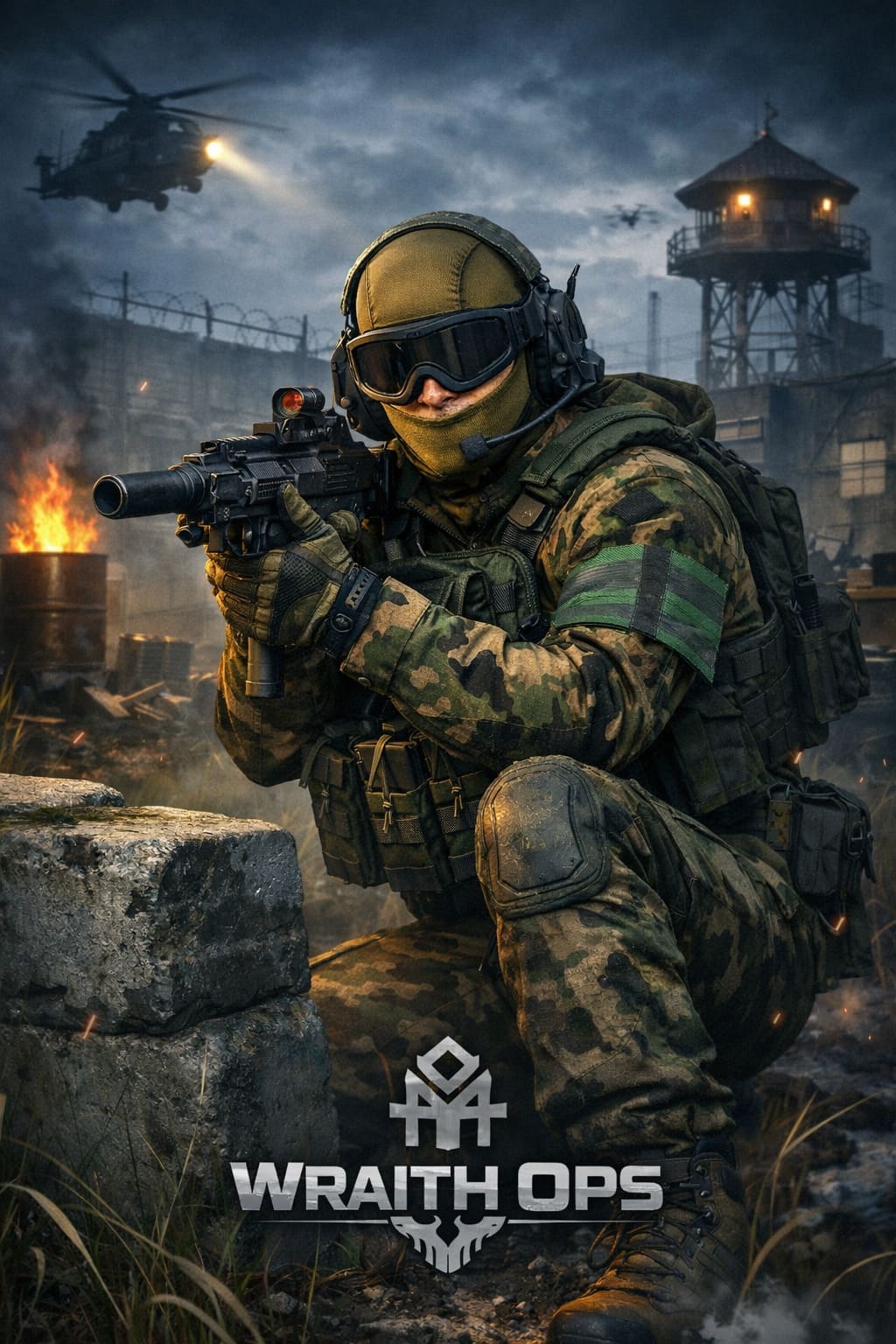
That single decision makes her feel far more dangerous than many other characters in the series. She isn’t brainwashed. She isn’t manipulated. She is fully aware of what she’s doing—and that’s chilling.
The Mount Yamantau operation in 1984 is where her legend truly solidified. Teaming up with Roman “Knight” Gray, she infiltrated a Soviet facility with two primary objectives:
- Steal The Brainwashing Program Data originally linked to Dragovich’s operations.
- Detonate A Greenlight Nuclear Device to erase evidence and strategically shift blame toward the United States.
From a narrative standpoint, this mission is brilliant. Using an American-made nuclear device to destroy a Soviet base perfectly captures the paranoia and misinformation that defined the Cold War atmosphere in Black Ops Cold War. It wasn’t just sabotage—it was psychological warfare. And Wraith thrives in that grey zone.
In gameplay terms, her design matches her personality. She isn’t flashy in an over-the-top way. She’s precise, controlled, and intimidating. Her “Disruptor” and especially the “White Queen” skin are some of the cleanest operator designs in the game. As a player who cares about aesthetics just as much as mechanics, I have to admit—running into a lobby with White Queen equipped feels powerful. It’s minimal, sharp, and symbolic of her calculated mindset.
What also elevates Wraith is her expanded role in Warzone’s ongoing narrative. Her dynamic with Adler adds another layer of tension that extends beyond standard multiplayer matches. She becomes more than a selectable skin—she becomes a presence in the broader Call Of Duty universe.
Why does she resonate with so many players? From my perspective, it comes down to a few key factors:
- Anti-Hero Complexity – She betrays to “protect,” which sparks debate rather than simple hatred.
- Cold Realism – Her motivations feel grounded in geopolitical fear, not cartoon evil.
- Visual Identity – Clean, memorable skins that reinforce her persona.
Wraith represents the uncomfortable truth that loyalty in wartime is often subjective. In Black Ops Cold War, everyone believes they’re preventing catastrophe. She just chose a different path to do it. And whether you see her as a traitor or a visionary, you can’t deny her impact on the Perseus storyline.
For me, she’s one of the best-written operators in recent Call Of Duty history—not because she’s heroic, but because she feels disturbingly plausible. In a franchise filled with explosive set pieces and dramatic betrayals, Wraith’s quiet, deliberate defection might be the most powerful move of all.