Monster Hunter Stories 3 Story Explained: Azuria vs. Vermeil and Navirou’s Role
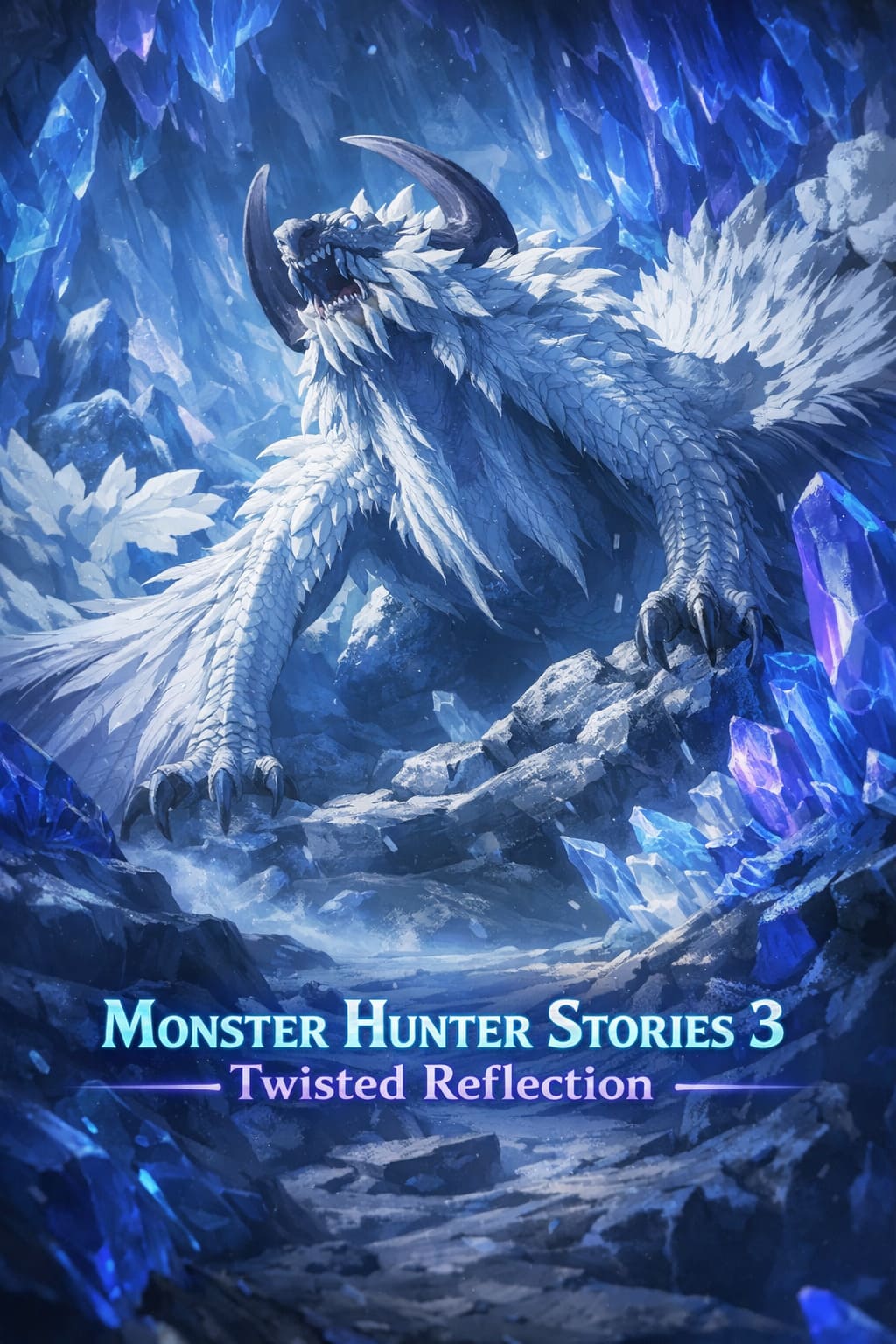
If you’ve ever dived into Monster Hunter Stories, you know it usually leans into charming adventures with quirky monsters and heartfelt bonds. But the newest entry, Monster Hunter Stories 3: Twisted Reflection, released on March 13, 2026, takes a bold turn.
This is a series stepping up its storytelling game, delivering political intrigue, environmental disaster, and a centuries-old curse that threatens to plunge two kingdoms into total chaos. Here’s my take on the story, its characters, and why it feels like a deep, almost cinematic evolution of the franchise.
A Tale of Two Kingdoms
At the core of Twisted Reflection is the age-old clash of Azuria vs Vermeil. These aren’t just neighboring kingdoms—they’re mirrors of each other in tragedy and ambition.
Azuria is the picture of harmony: rolling green landscapes, thriving wildlife, and a society that deeply values balance with nature. Here, the Rangers—elite Monstie Riders—work tirelessly to protect ecosystems and rehabilitate monsters affected by human neglect or natural disasters.
Contrast that with Vermeil, a kingdom that was once lush but is now scarred by the mysterious Crystal Encroachment. Its people are hardened, struggling to survive in a world where every resource is scarce. Their leadership, especially under Eleanor’s sister, has turned aggressive, seeing war as the only route to survival.
| Feature | Azuria | Vermeil |
|---|---|---|
| Environment | Verdant pastures, rich forests, healthy wildlife | Desolate, crystallized terrain, few resources |
| Governance | Rangers & Royal Family | Queen-led hierarchy, militaristic |
| Goal | Restore balance, heal the land | Survival, expand territory |
| Monster Status | Protected, rehabilitated | Feral due to blight |
| Cultural Mindset | Conservation-focused | Survival at all costs |
This contrast sets the stage for not just a battle of swords and claws, but a collision of ideologies: preservation vs. desperation.
Crystal Encroachment – Nature Turned Against You
The catalyst for this war isn’t just political tension—it’s a literal environmental apocalypse. Known as the Crystal Encroachment, this blight warps everything it touches: land, water, and even the monsters themselves. Those unlucky enough to be exposed often go “feral,” losing their minds and attacking indiscriminately.
Vermeil suffers the worst effects, which explains why its leaders see expansion into Azuria not as aggression but as necessity. It’s a grim reflection of how environmental collapse can twist morality and force desperate choices.
Personally, I love how this adds tension beyond combat. It’s not just “beat the monsters” anymore—there’s a real moral dimension to every battle and alliance.
Characters That Make the Story Shine
Where Twisted Reflection really elevates itself is in its characters, who aren’t just avatars for battle—they’re fully fleshed out with motivations, flaws, and emotional depth.
- The Protagonist (Azurian Heir): Captain of the Rangers and heir to Azuria, the protagonist is a literal “Twisted Reflection” of the past, born from both Azuria and Vermeil royalty. Their journey isn’t just about survival—it’s about reconciling two worlds in their own bloodline.
- Eleanor (Princess of Vermeil): Caught between family loyalty and conscience, Eleanor initially offers herself as a hostage to Azuria. Over time, she becomes a vital ally in searching for a cure to the Encroachment.
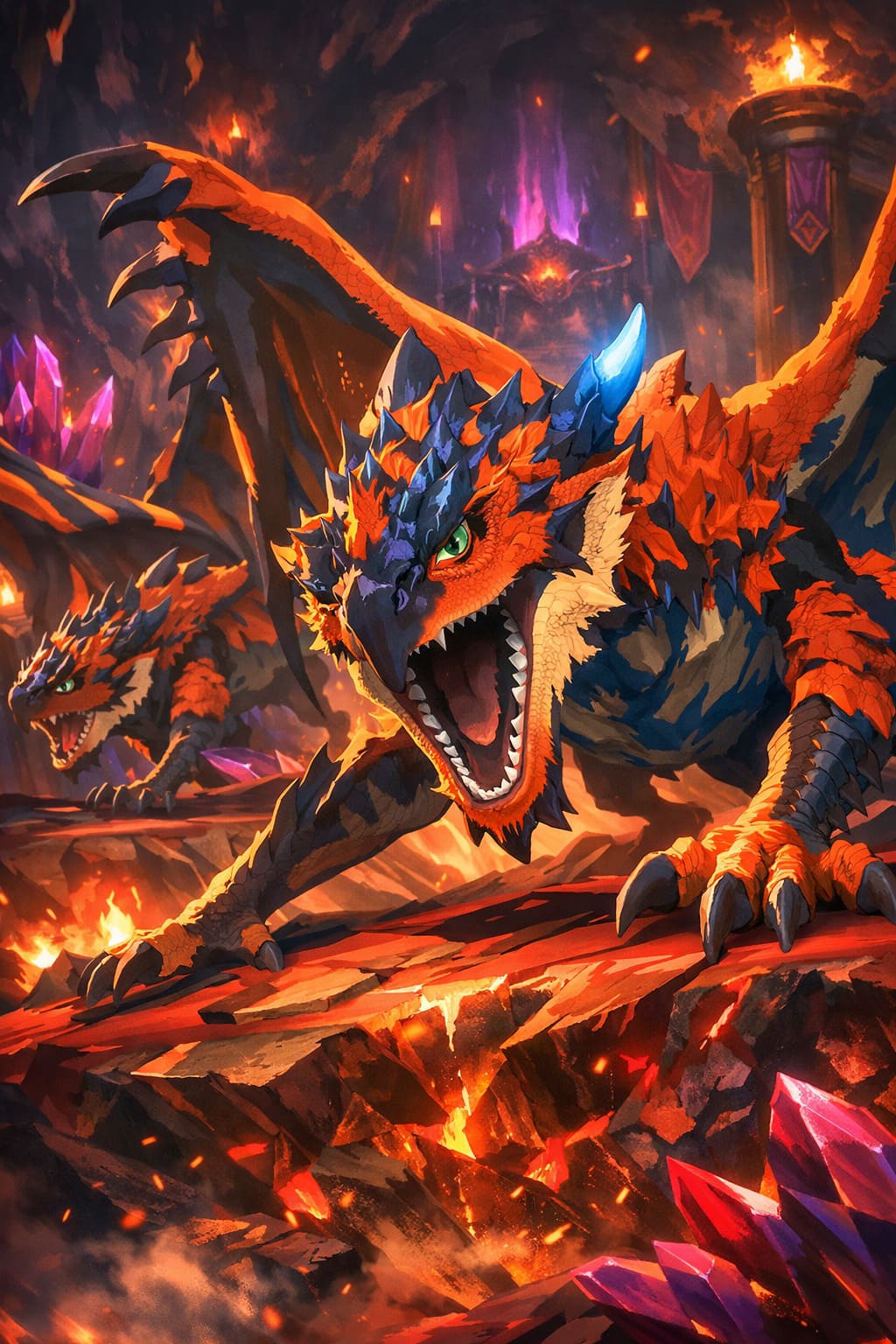
- The Twin Rathalos: Possibly the coolest element—two Rathalos hatch from one egg. One stays loyal to the protagonist, while the other, prophesied to bring disaster, is secretly saved by the protagonist’s mother. Their existence ties directly into a 200-year-old cycle of war, with “Skyscale” markings linking past and present conflicts.
The dynamic between these characters gives the narrative a personal edge. The story isn’t just kingdoms clashing—it’s about individuals trying to stop centuries of hatred.
The 200-Year Cycle of War
One of the most fascinating aspects of Twisted Reflection is the way it weaves historical cycles into the plot. The current conflict isn’t new—it’s a rekindling of a civil war that erupted 200 years ago. The Twin Rathalos symbolize this recurring disaster, and the game does a brilliant job of making history feel alive and threatening, rather than just backstory.
It’s rare to see a monster-riding RPG tackle political history, generational trauma, and ecological collapse all at once, and Twisted Reflection does it without losing the joy of exploration and monster bonding.
Why This Entry Feels Different
Having played the previous titles, I can honestly say Twisted Reflection is a leap forward in narrative ambition. It balances:
- Epic scale conflicts – kingdoms on the brink of annihilation
- Personal stakes – a protagonist with family ties to both sides
- Environmental storytelling – a world where your actions can literally heal or worsen the land
- Myth and prophecy – the Twin Rathalos aren’t just monsters, they’re history incarnate
It manages to retain the charm of Monstie bonding and strategic combat while introducing mature themes that make you think about morality, survival, and the cost of war.
Monster Hunter Stories 3: Navirou Out, Meet Rudy – The Felyne Companion Evolution
When I first booted up Monster Hunter Stories 3: Twisted Reflection on March 13, 2026, I’ll admit, my first thought was, “Okay, where’s Navirou?” The little donut-loving Felyne has been the heart, the comic relief, and, let’s be honest, the most chaotic companion of the previous two games. He was always there with his relentless puns and quirky energy, guiding silent protagonists through colorful worlds filled with Monsties.
So, imagine my surprise when I found out—Navirou isn’t a main companion in this new chapter. Instead, Rudy, a completely new Felyne, steps into the spotlight. And honestly, it’s a move that makes sense, even if it stings a little for die-hard Navirou fans.
Why Navirou Isn’t Here
Capcom took a bold step with Monster Hunter Stories 3. The game is set roughly 200 years after the events of Monster Hunter Stories 2, which naturally means the original cast—including Navirou—is absent. The story revolves around a new generation of Riders facing a threat called the Crystal Encroachment.
This time, the developers wanted a more mature, narrative-driven approach. By introducing Rudy, they give players a Felyne companion who fits this tone: more grounded, less slapstick, and ready to interact with a fully voiced protagonist.
In short: Navirou’s absence isn’t an oversight; it’s a conscious design choice to evolve the series.
Meet Rudy: The New Felyne Face
So, who is Rudy, and how does he differ from the iconic Navirou? Here’s what I’ve noticed:
- Personality: Rudy is portrayed as a “royal feline” and a Ranger, giving him a more serious, dependable vibe. While Navirou was all jokes and high energy, Rudy feels like a partner who’s genuinely part of the team’s strategic plan.
- Role in the Story: Rudy still fulfills the mascot role, but instead of over-the-top comedy, his humor is subtler, aiming for witty dialogue over constant pun-laden commentary.
- Design: Early fan reactions on Reddit show people appreciating Rudy’s more “natural” Felyne appearance compared to Navirou’s exaggerated, almost cartoonish style.
Honestly, I kind of love this direction. It feels like Capcom is acknowledging that the series is growing up alongside its audience. Not that I’ll ever forget the chaos of Navirou, but Rudy’s energy is refreshing.
Fans Holding Out Hope for Navirou
Despite the timeline jump and Rudy’s official role, the fan community isn’t ready to let go. Here’s a few theories floating around:
- The Descendant Theory: Rudy shares Navirou’s voice actor. Could he be a descendant? Fans are speculating wildly.
- Cameos & Legacy Rewards: Linking save data from previous Monster Hunter Stories games unlocks things like the Hakum Rider Outfit, keeping Navirou’s spirit alive even if he’s not walking alongside you.
- The Immortal Hero Theory: Some players still cling to the idea that Navirou is secretly immortal, leaving open the possibility of a hidden post-game encounter.
It’s amazing to see a community so emotionally attached to a character. For me, it’s bittersweet, but the fact that Capcom included these little nods shows respect for longtime fans.
The Ghost in the Extraction: How Durandal Connects to Bungie’s Marathon (2026)
Why This Change Actually Works
I get it—Navirou has always been a fan favorite. But let’s be real: some people found his constant jokes exhausting. I’ll admit, he could grate on your nerves during long grinding sessions. By introducing Rudy and a voiced protagonist, Capcom is aiming for:
- A more immersive narrative: Less slapstick, more story.
- An older audience: The humor is still there, but smarter and subtler.
- Fresh visuals and designs: Rudy’s look fits the game’s evolved tone.
It’s clear this isn’t about “killing a character” but about evolving the franchise in a way that feels natural for the next generation of players.
My Take as a Gamer
Playing through Twisted Reflection, I won’t lie—I missed the chaos of Navirou. That said, Rudy grew on me fast. His commentary is funny in a different way, and his grounded personality makes story moments hit harder. I also appreciate the nods to legacy content; it’s like a wink to players who’ve been riding with Navirou since the first game.
The new timeline, mature themes, and strategic approach make this entry feel like a fresh start without completely ignoring the past. Honestly, Rudy might just become the new iconic Felyne we never knew we needed.
Final Thoughts
Monster Hunter Stories 3: Twisted Reflection represents a turning point for the franchise. Navirou’s absence is noticeable, but Rudy is a promising replacement. Capcom is clearly aiming to balance nostalgia with progress, giving fans old and new reasons to get invested in this colorful world of Riders and Monsties.
Whether you’ll miss Navirou’s constant puns or enjoy Rudy’s more composed personality, one thing is clear: the series is moving forward, and it’s doing so thoughtfully.