How to Use Mui Hypnosis in Planet of Lana 2: Puzzle Solutions Guide
As someone who genuinely loves atmospheric puzzle adventures, I’ve been waiting for Planet of Lana II with the kind of excitement usually reserved for big AAA launches.
What made the original special wasn’t just its art direction or quiet storytelling — it was the emotional bond between Lana and Mui. Now, in the sequel, that bond feels deeper, sharper, and far more integral to gameplay.
The hypnosis mechanic is no longer a clever trick used occasionally; it’s the backbone of exploration, stealth, and environmental manipulation.
Icarus Stone Base Guide (2026): Master the Best Waterproof & Storm-Proof Build, 3×3 Shopping List
Developed by and published by, the sequel evolves everything that worked in the original. From my time analyzing demo impressions and gameplay breakdowns, it’s clear that Mui’s hypnosis has transformed into a dynamic system that encourages experimentation instead of rigid puzzle solving.
How Hypnosis Feels in the Sequel
Instead of being a short-range, situational ability, hypnosis now demands positioning, timing, and awareness.
You send Mui into place, watch for the subtle glow that signals susceptibility, and hold the interaction command to form the link. But here’s the catch — Lana can’t just wander off. She has to stay close enough to maintain focus, which adds tension, especially during hostile encounters.
- Positioning Matters — Line of sight is crucial.
- Timing Is Everything — Release too early and chaos follows.
- Mobility Boost — Mui transitions between targets much faster.
New Creatures, New Strategies
One of the most exciting changes is target diversity. Different biomes introduce unique wildlife and hybrid threats. Worm-like creatures can still be manipulated to trigger pressure plates, but now aerial beings can carry Mui — sometimes even Lana — across gaps. Smaller biomechanical enemies can be distracted or short-circuited, creating layered stealth opportunities.
What I personally love is the “two-stage” puzzle philosophy. First, you lure a creature into position. Then, at the perfect moment, you command Mui to seize control. While hypnosis holds, Lana must quickly interact with the environment. It creates this beautiful rhythm of cooperation that feels organic rather than scripted.
Original vs. Sequel: What’s Changed?
| Feature | Planet of Lana (2023) | Planet of Lana II (2026) |
|---|---|---|
| Hypnosis Range | Short and Static | Extended and Flexible |
| Creature Variety | Mainly Ground-Based | Aerial, Aquatic, Multi-Biome |
| Puzzle Structure | Linear Interactions | Multi-Stage, Reactive Design |
| Visual Feedback | Simple Glow | Enhanced Bond Effects & UI Cues |
High-Level Gameplay Tips
If you want smoother runs and fewer frustrating resets, remember these essentials: always maintain visual contact between Mui and the target, confirm the teal eye-glow before shifting Lana’s position, and never cancel hypnosis until your environmental objective is fully completed. The sequel punishes impatience but rewards planning.
Planet of Lana II: Children of the Leaf – A Passionate Gamer’s Puzzle Walkthrough & Honest Impressions
I’ve always had a soft spot for cinematic puzzle adventures, and Planet of Lana II: Children of the Leaf instantly reminded me why I fell in love with the first game. This sequel doesn’t just expand the world — it deepens the emotional bond, the mechanics, and the scale in ways that genuinely surprised me.
After watching the developer deep dives and spending time with the February demo, I can confidently say this is shaping up to be one of the most atmospheric puzzle platformers of 2026.
What struck me first is how much more agile Lana feels. Movement is smoother, faster, and more expressive. Wall jumps, sliding down slopes, climbing vents — traversal now feels dynamic rather than cautious. It’s still thoughtful and deliberate, but there’s a sense of flow that makes exploration incredibly satisfying.
Core Gameplay Evolution
The emotional heart of the series remains Lana and Mui’s partnership. But this time, it feels more tactical and layered. Mui isn’t just a helper — it’s a critical part of environmental logic and stealth planning.
- Improved Companion Commands – Greater precision when directing Mui.
- Advanced Mobility – Lana’s wall jumps and slides redefine level design.
- Creature Control – Hypnotizing wildlife and hybrid robots adds strategic depth.
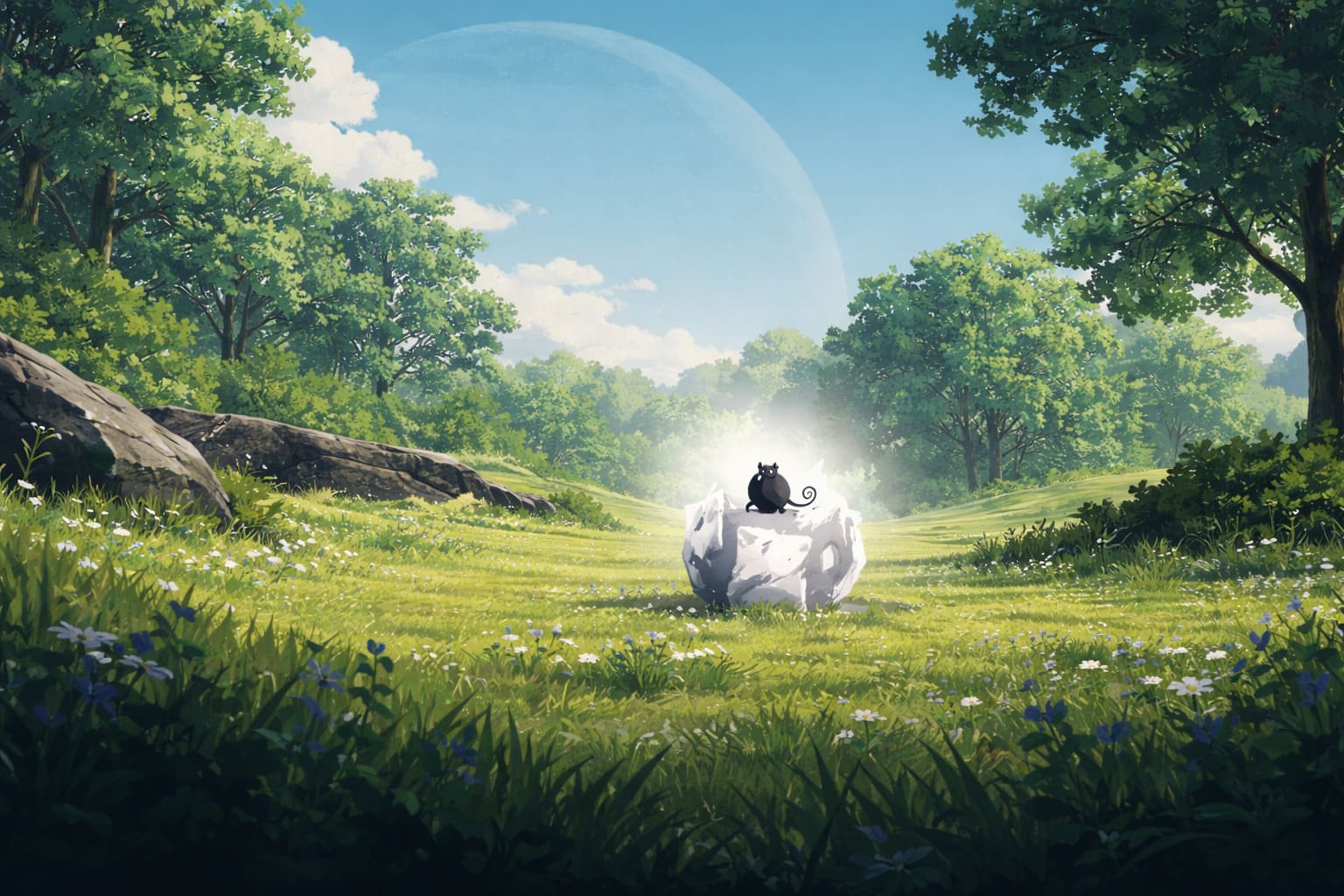
The ability to control creatures is where the sequel really flexes its creativity. Instead of simply hiding and sneaking past threats, you can manipulate the ecosystem itself. Creating distractions by influencing creatures feels organic rather than scripted, and it adds layers to stealth sections.
Demo Walkthrough – The Escape Chapter
The opening demo chapter sets the tone perfectly. Lana and Mui are separated inside a hostile facility where robots are reprogrammed by humans. This immediately forces you to think in dual perspectives.
| Puzzle Scenario | Challenge | Strategy |
|---|---|---|
| Captured Duo | Separated characters with limited reach | Switch control frequently; Lana climbs vents while Mui disables security beams through pipes |
| Urban Sentinel Patrol | Human-controlled robots in villages | Use tall grass, time patrol routes, create creature distractions |
What I personally loved here is how stealth demands patience. The “Wait” command for Mui becomes your secret weapon. Rushing almost always leads to failure. Watching patrol patterns and committing to timing makes success feel earned.
Environmental Puzzle Design
Each biome introduces mechanical twists that keep the pacing fresh. The level design feels purposeful rather than decorative.
Icy Mountains
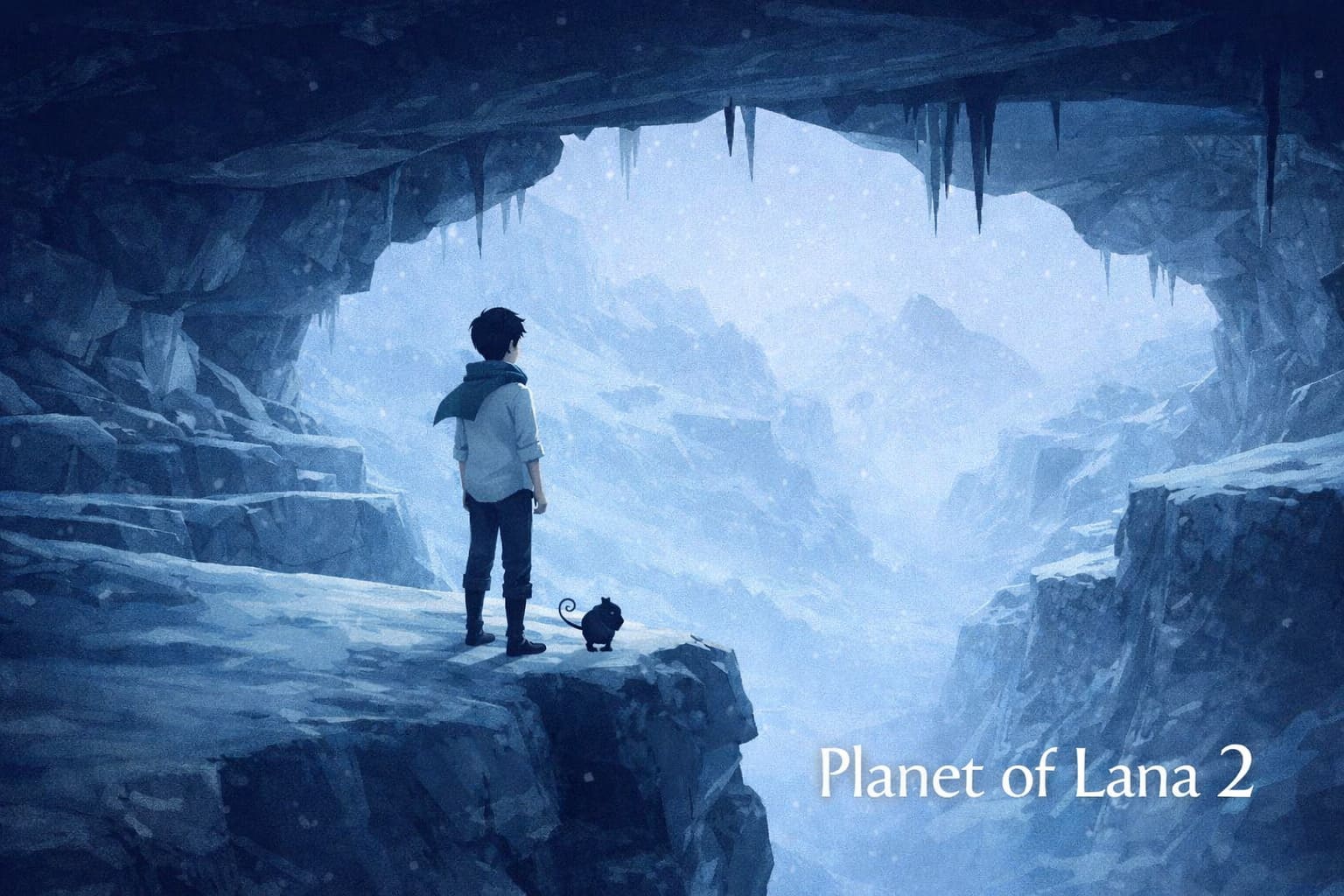
Verticality dominates these levels. Wall jumps aren’t optional — they’re essential. You’ll often move heavy ice blocks while Mui holds pressure plates. These sequences feel almost like cooperative couch gameplay, even though you’re playing solo.
Deep Oceans
Water sections introduce tension because Mui is afraid of water. This limitation transforms basic traversal into layered problem-solving. You’ll create safe pathways, manipulate platforms, and carefully ferry Mui across hazards. It’s subtle character-driven design that I truly appreciate.
Ancient Ruins
Hybrid robots and forgotten machines add a sci-fi mystery vibe. Interfacing with ancient systems to bridge gaps feels epic without becoming overly complex. Hidden shrines tucked away in corners reward exploration, and as someone who loves 100% completion runs, I can already tell I’ll be hunting every secret.
Personal Tips After Playing the Demo
- Don’t rush stealth sections — patience always wins.
- Observe environmental “veins” and subtle interaction hints.
- Experiment with creature control instead of defaulting to hiding.
- Think vertically — many solutions are above you.
From a gameplay perspective, Planet of Lana II feels more confident and ambitious. It respects the intelligence of the player. It doesn’t handhold excessively, yet solutions are usually hiding in plain sight. That balance is incredibly hard to achieve in puzzle platformers.
If you enjoyed cinematic indie adventures with emotional storytelling and environmental logic puzzles, this sequel should absolutely be on your radar. Between expanded stealth mechanics, deeper companion gameplay, and diverse biome design, Children of the Leaf looks ready to surpass its predecessor.
For me personally, it’s not just another indie release — it’s one of those games you sit with, absorb slowly, and appreciate for its artistry and mechanical elegance. And honestly, that’s the kind of gaming experience I always come back to.