Iron Nest Heavy Turret Simulator Console Ports (PS5, Xbox Series X|S) Release Window and Full Breakdown
The indie gaming scene has always had a way of surprising players with projects that feel far bigger than their actual production scale. Iron Nest: Heavy Turret Simulator is one of those rare cases where ambition, design depth, and atmosphere collide into something that instantly grabs attention. Developed by a two-person team, Nick Nieuwoudt and Dominik Latos, the game has rapidly gained traction after its impressive showing during Steam Next Fest, where its demo earned widespread praise and strong community engagement.
What makes the situation even more interesting is how quickly the discussion shifted from PC impressions to console expectations. As the full release is scheduled for August 2026 on PC, console players across forums are already asking the same question: when will PS5 and Xbox Series X|S versions arrive, and what can realistically be expected from them?
Is Iron Nest Coming to VR? Release Date, Rumors, and Developer Updates
Official Console Plans for Iron Nest
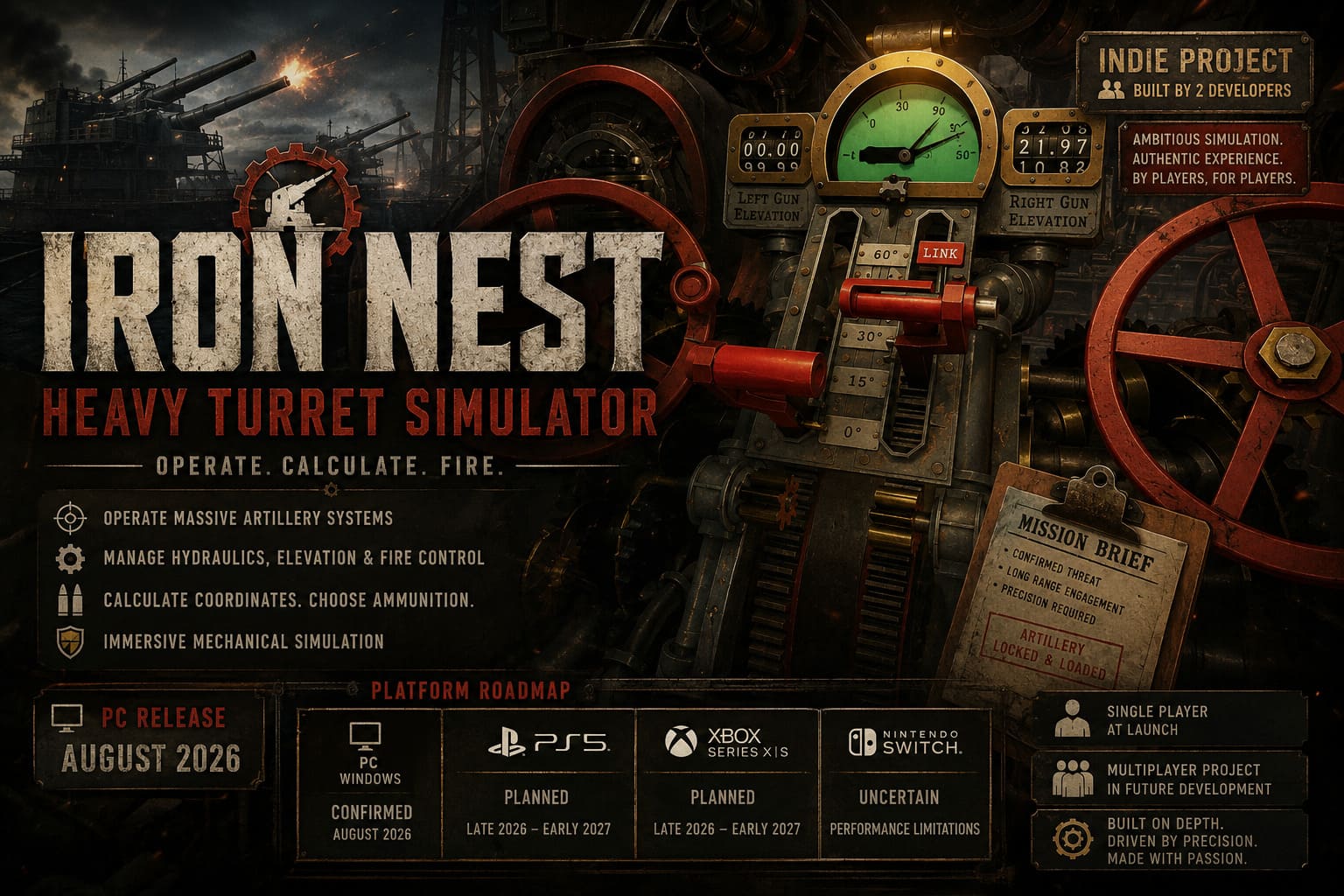
The developers have confirmed that console releases are indeed part of the roadmap. PlayStation 5 and Xbox Series X|S versions are officially planned, but not as simultaneous launches with the PC version. Instead, the studio is prioritizing a staggered release approach to ensure stability and optimization.
This means the PC version will arrive first in late summer 2026, followed by console ports several months later. The current expectation places console availability somewhere between late 2026 and early 2027, depending on how the initial PC launch performs and how quickly optimization challenges are resolved.
Why Console Ports Matter for This Game
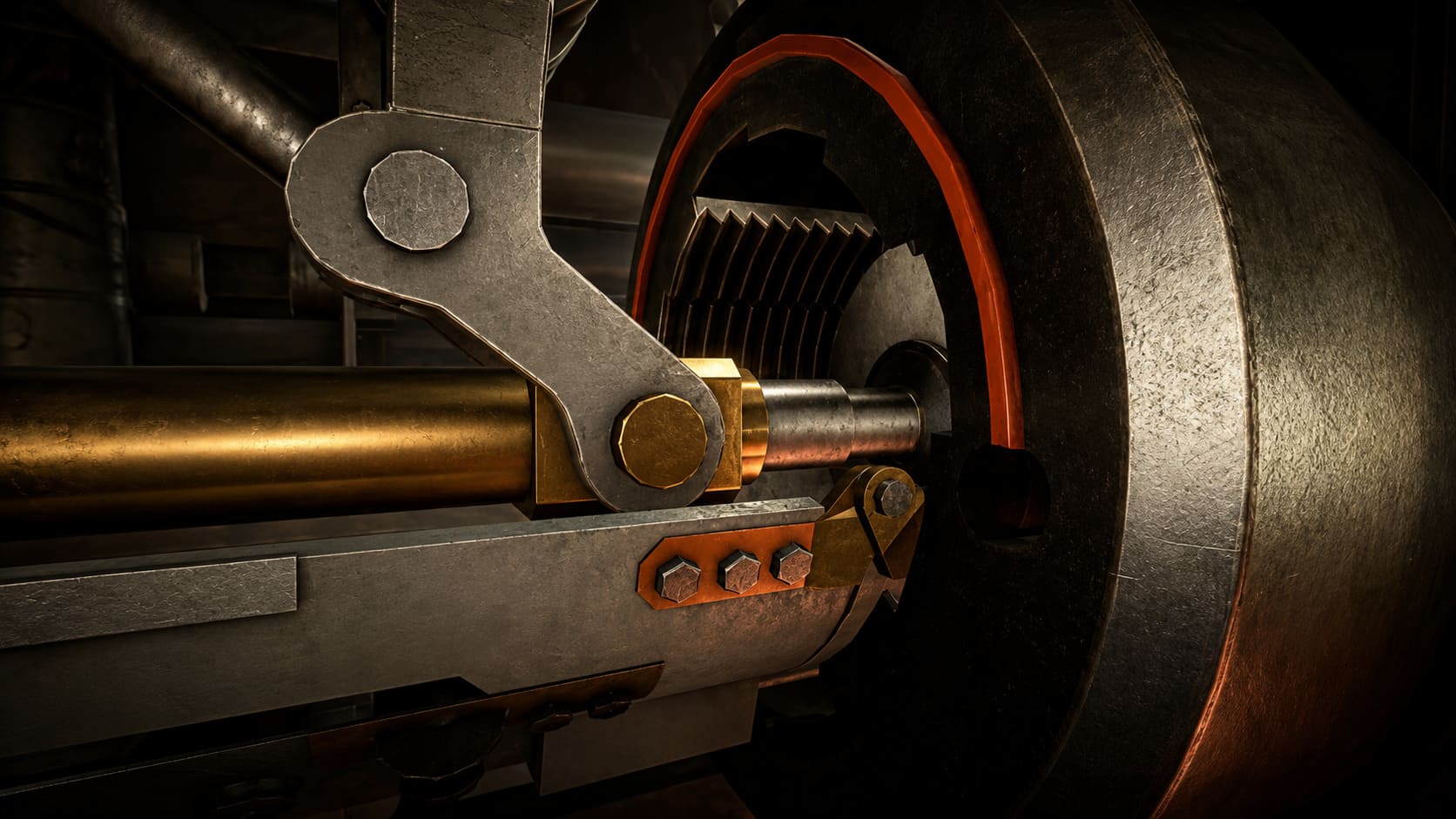
Unlike many indie titles that scale easily across platforms, Iron Nest is built around a highly detailed simulation system. The player does not simply aim and shoot; instead, they operate a complex mechanical artillery system from within a confined cockpit-like environment.
This design philosophy makes the game especially demanding from a porting perspective. Every input, interaction, and system layer must be carefully reworked for controller input without losing the tactile complexity that defines the experience.
Platform Breakdown Overview
| Platform | Status | Notes |
|---|---|---|
| PC (Windows) | Confirmed | Primary launch platform in August 2026 |
| PlayStation 5 | Planned | Expected DualSense integration |
| Xbox Series X|S | Planned | Likely parity with PS5 version |
| Nintendo Switch | Uncertain | Performance limitations possible |
What Makes the Simulation So Demanding
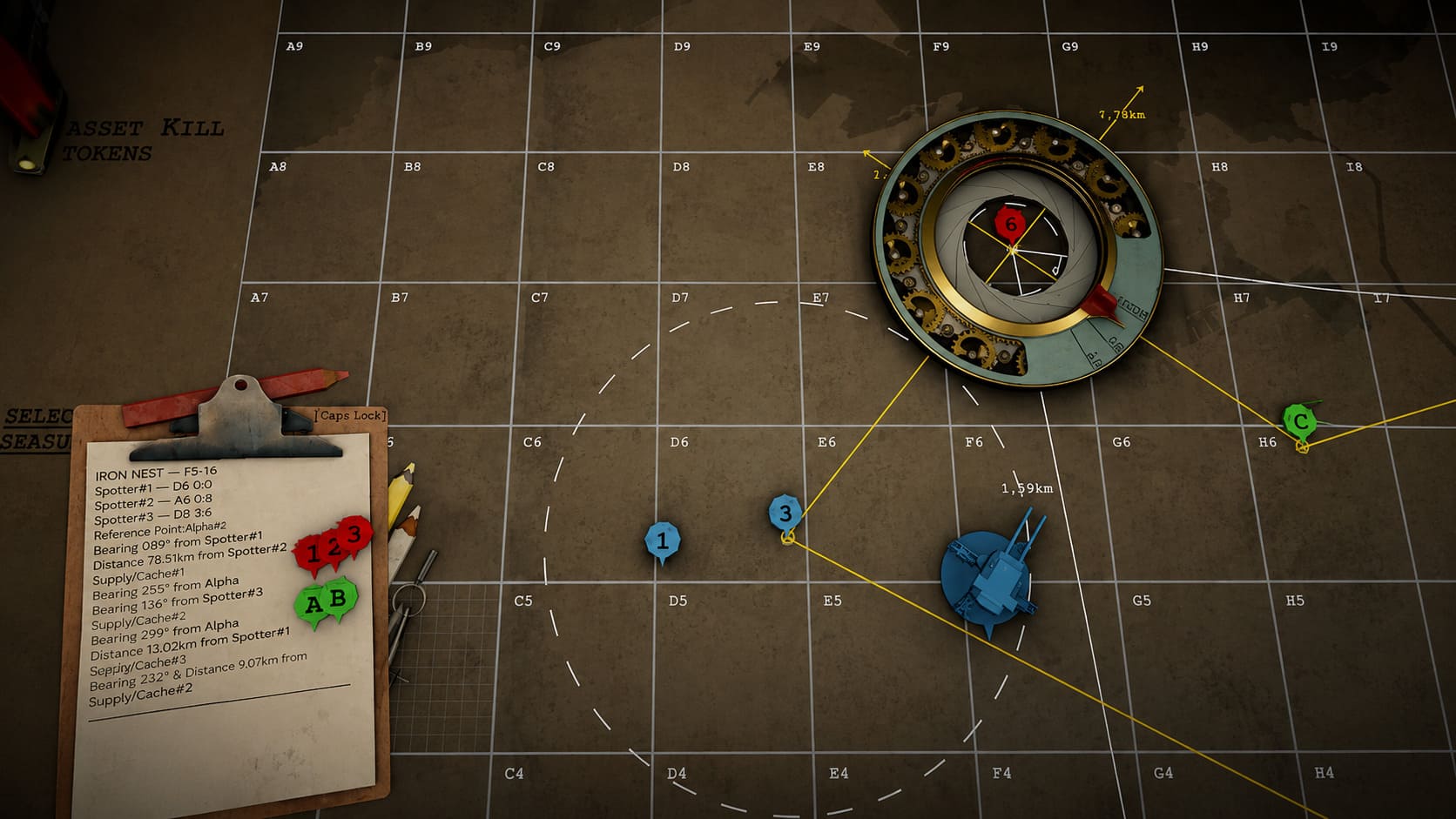
The core gameplay loop of Iron Nest revolves around operating a massive heavy turret system through procedural control steps. Rather than fast-paced action, the game emphasizes precision, calculation, and methodical execution of mechanical operations.
Players are required to manually calculate firing coordinates, adjust elevation systems, manage hydraulic pressure, and select ammunition types before firing. This layered structure creates a sense of immersion that feels closer to engineering than traditional shooting gameplay.
Because of this, the game’s systems are deeply interconnected, and even small UI changes can significantly affect how the experience feels. This is one of the main reasons console adaptation requires more than a simple control remap.
Indie Development Reality and Team Scale
One of the most frequently discussed aspects of Iron Nest is its development scale. With only two developers working on the project, the scope of what they are attempting is unusually ambitious. Despite limited resources, the game has managed to attract significant attention purely through gameplay quality and organic community growth.
This small team structure directly influences the release strategy. Supporting multiple platforms simultaneously would risk delaying the core PC version or compromising quality. Instead, the developers have chosen a more controlled rollout approach.
Control Adaptation Challenges on Consoles
Translating Iron Nest’s complex control scheme to a gamepad is one of the most important design challenges ahead. On PC, players benefit from precise cursor control and direct interaction with simulation tools, but consoles require a completely different interface philosophy.
The likely solution will involve radial menus, contextual input systems, and redesigned UI layers that simplify navigation without reducing strategic depth. The goal is to preserve the feeling of operating a real mechanical system rather than turning it into a simplified arcade interface.
Expected Console Input Solutions
- Radial selection systems for tools and ammunition
- Context-sensitive controller mapping
- Simplified coordinate input interface
- Adaptive UI depending on gameplay phase
Future Content and Multiplayer Expansion
At launch, Iron Nest: Heavy Turret Simulator will remain strictly a single-player experience. The focus is on immersive, narrative-driven scenarios where players operate under pressure while managing complex mechanical systems.
However, the developers have hinted at a broader future for the franchise. Once the main game is stabilized, a separate multiplayer project is planned that builds on the same mechanical foundation.
This future expansion could introduce cooperative turret operation, competitive artillery scenarios, and larger-scale tactical gameplay systems. If developed successfully, it could significantly expand the identity of the franchise beyond its current single-player focus.
Conclusion: Is the Console Wait Worth It?
Iron Nest: Heavy Turret Simulator stands out as one of the more ambitious indie simulation projects in recent years. Its combination of mechanical depth, atmospheric design, and methodical gameplay creates a unique identity that is difficult to compare with mainstream titles.
For console players, the wait will likely extend into late 2026 or early 2027, but this delay appears intentional rather than accidental. The developers are clearly prioritizing stability and design integrity over rushed multi-platform release.
If the transition to consoles is executed successfully, PS5 and Xbox Series X|S players could end up receiving one of the most distinctive simulation experiences available on their platforms.