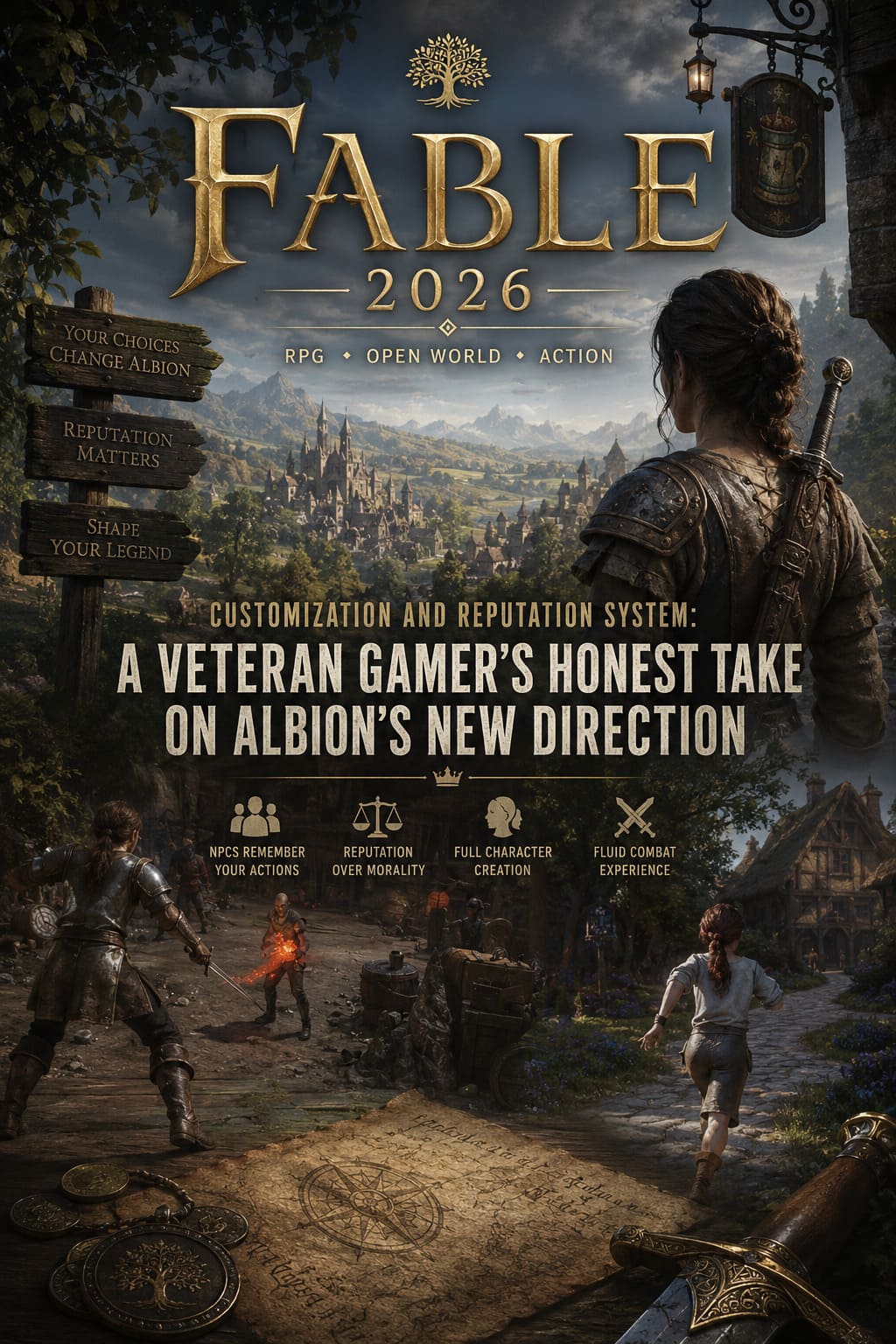
Fable 2026 Customization and Reputation System: A Veteran Gamer’s Honest Take on Albion’s New Direction
I’ve played enough RPGs over the years to remember when Fable felt genuinely different. Not “different in marketing speak,” but actually weird, experimental, and sometimes messy in a good way. So when I looked into the upcoming reboot of Fable (series) developed by Playground Games, I had a mix of curiosity and skepticism.
On paper, this new version of Albion is trying to evolve into something more grounded and modern. In practice, that means a lot of the old systems—especially morality-based visual morphing—are gone or heavily reworked. And depending on what kind of player you are, that’s either a smart redesign or a quiet loss of identity.
I’ve spent enough time with RPG systems like The Witcher, Skyrim, and older Fable titles to see what works long-term. So here’s my take on what’s changing, what might improve the experience, and what still feels uncertain.
Fable Reboot and the End of Binary Morality: Why Albion Feels More Alive Than Ever
The End of Classic Morality Morphing
Let’s get the big one out of the way first: no more devil horns for bad choices or glowing halos for being a saint.
Old Fable games were extremely direct about morality. You did something evil, your character started looking like a demon concept. You helped people, you became a fantasy poster child.
As much as I enjoyed that system back in the day, I also remember how quickly it became visually repetitive. After a few hours, everyone ended up looking like slightly different versions of the same archetype.
From a modern design perspective, I understand why this is being removed. In a high-fidelity engine, dynamic extreme morphing creates animation, clipping, and armor compatibility issues.
Modern RPGs also treat morality as something more nuanced than a binary slider. The old system now feels almost simplistic compared to current narrative design standards.
Still, I won’t pretend I don’t miss it. That instant visual feedback was iconic.
Living the Landlord Fantasy in Fable’s Reboot: My Take on Albion’s Property System
Reputation Over Morality: A More Grounded Albion
Instead of cosmic morality, the new system focuses on regional reputation.
Rather than the world judging you through abstract alignment, NPCs respond based on memory and lived experience. You’re not “good” or “evil”—you’re known.
This changes gameplay in meaningful ways:
- – Towns remember your actions instead of tracking alignment
- – Merchants adjust prices based on trust
- – Guards react based on reputation history
- – Companions respond to shared experiences
This approach feels closer to real social systems. It’s less abstract and more grounded in cause and effect.
Instead of asking “Am I good or evil?”, the game asks: what kind of person have I been to the people here?
Character Creation: Freedom at the Start
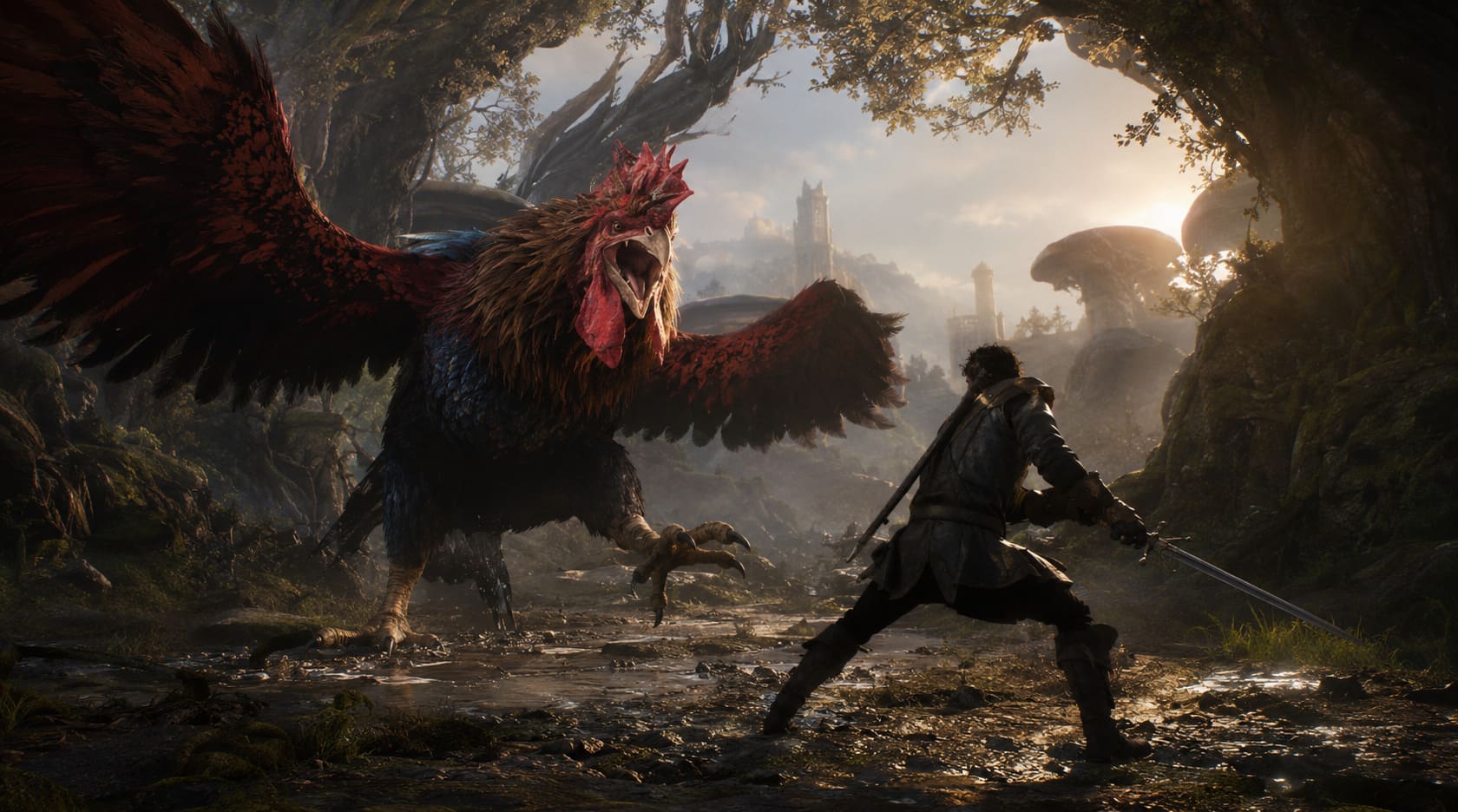
One major shift is the introduction of a full character creator at the beginning of the game.
Older Fable titles started you with a fixed identity that evolved. Now, you build your hero before the journey begins.
This has clear advantages:
- – Full control over appearance from the start
- – Stronger personal identity creation
- – No forced visual evolution
But it also removes something subtle but important from the original experience: the feeling that your character was being shaped unpredictably by the world.
Now it feels more curated than organic.
Weight, Scars, and Physical Progression
This is one of the most uncertain areas of Fable 2026.
In older games, your body changed based on behavior. Eating too much made you gain weight. Constant combat left scars. Magic altered your appearance.
In the new version, the situation is less clear.
What is confirmed
- – Scars and tattoos exist as customization options
- – Body types are selectable in character creation
- – No confirmed dynamic body change system during gameplay
What remains unclear
- – Whether scars are earned or purely cosmetic
- – Whether weight changes dynamically
- – Whether combat affects physical appearance
My impression is that the system is being simplified, likely to avoid complexity and technical inconsistency in a modern high-detail world.
Stat-Based Morphing and Physical Identity
In older Fable games, your build directly shaped your body.
- – Strength made you bulkier
- – Skill made you taller and leaner
- – Magic added glowing effects and visual distortion
This system was exaggerated, but memorable.
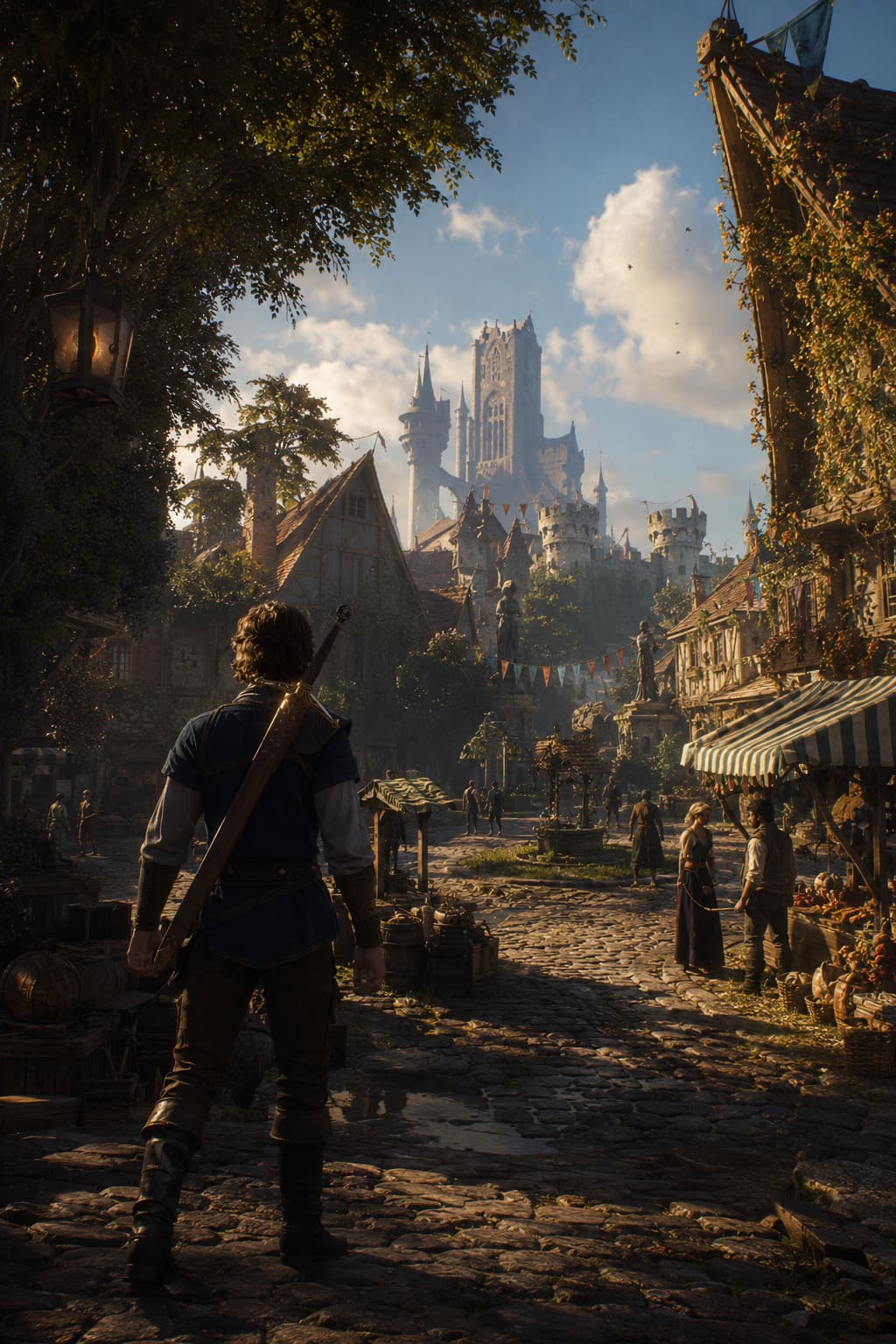
In Fable 2026, I expect this to be heavily toned down or removed entirely. Modern combat systems are too fluid for rigid physical transformations tied to stats.
Instead, we may see subtle visual feedback like:
- – Temporary combat glow effects
- – Slight posture or animation differences
- – Non-permanent magical visual cues
It’s a shift from physical transformation to visual expression.
Old vs New Design Philosophy
| Feature | Classic Fable | Fable 2026 Direction |
|---|---|---|
| Morality System | Good vs Evil slider | Regional reputation |
| Body Changes | Extreme morphing | Likely minimal or static |
| Character Start | Fixed protagonist | Full character creator |
| Combat Identity | Class-based stats | Fluid combat system |
| Visual Feedback | Physical transformation | Social and environmental response |
What Works and What Feels Risky
After years of playing RPGs, I see both strengths and weaknesses in this direction.
What works
- – Reputation systems feel more realistic and grounded
- – NPC memory adds immersion potential
- – Character creation increases player ownership
- – Modern systems align with current RPG expectations
What feels risky
- – Loss of physical consequence systems
- – Reduced visual identity tied to gameplay
- – Risk of becoming too generic in structure
- – Potential loss of the original Fable personality
That last point matters most. Fable was never just mechanics. It was tone, exaggeration, and unpredictability.
Final Thoughts: A New Albion, Not the Old One
What Fable 2026 represents is not a continuation, but a reinterpretation of the franchise.
It is clearly designed for modern expectations—systems-driven NPC behavior, realism-focused visuals, and flexible character expression.
That may make it more broadly appealing, but it also risks losing some of the strange charm that defined the original games.
As someone who remembers the chaotic identity of classic Fable, I’m cautiously optimistic. The foundation looks solid, but the personality will depend entirely on execution.
Because in the end, Fable was never about perfection. It was about consequence, humor, and unpredictability. Whether that survives this reboot is the real question.