Best Stamina Management Tips: Ascenders Beyond The Peak Climber’s Guide
If there’s one thing I’ve learned after way too many failed runs in Ascenders: Beyond The Peak, it’s this: stamina isn’t just a mechanic — it’s the entire game. You can have perfect route planning, solid gear, even a bit of luck… but if you mismanage stamina for even a second, you’re watching your whole team disappear into the void.

This isn’t one of those “just climb better” games. It’s about efficiency, restraint, and knowing when not to act. After spending hours experimenting (and falling), I’ve put together a more human, practical take on how to actually master stamina — not just survive with it.
Xenonauts 2 Achievement Guide: How to Manually Change Difficulty and Unlock Achievements in 2026
Understanding Stamina (Without Overthinking It)
The game doesn’t just give you one stamina bar — it gives you two layers of safety: Primary Stamina — your main fuel for climbing, sprinting, and jumping, and Bonus Stamina (Yellow Bar) — your emergency reserve, kicking in only when the main bar is empty.
Here’s the catch most new players miss: Bonus stamina is not a second chance to play normally. It’s a last resort.
One small but powerful trick: you can’t sprint using bonus stamina, but you can still jump without sprinting, which makes short, controlled “static jumps” far more valuable than panic movements.
The Stamina Mindset Shift
At some point, you stop thinking “How do I climb faster?” and start thinking: “How do I spend less stamina per meter?” That shift is what separates average runs from those smooth, controlled climbs where everything just works.
The Techniques That Actually Changed My Runs
I’m not going to overload you with tricks — just the ones that consistently make a difference.
The Late Lunge Trick
Most players use lunge too early, wasting its potential. The better way is to climb until your stamina is almost empty, then lunge at the last possible moment.
Why it works: the stamina cost is noticeably lower, you still get full distance value, and it often gives you just enough reach to hit a safe ledge or place a piton.
It feels risky at first, but once you get used to that last-second timing, it becomes one of the most reliable techniques in the game.
Stop Wasting Stamina Before the Climb Starts
Jumping onto a wall to begin climbing might feel natural, but it’s actually a waste of stamina. Instead, walk up to the surface and start climbing directly with a grab.
Result: you keep your full stamina pool for vertical movement instead of burning it before the climb even begins.
Food Is Not Optional — It’s Your Engine
Cooking is one of the most underrated systems early on, but it becomes essential very quickly. Cooked food provides more stamina, increases your bonus stamina, and gives you better efficiency overall.
A simple but powerful early-game habit is to use the plane fire at the Shore start and cook everything before climbing. It may feel slow, but it sets you up for a much stronger run.
Buff Stacking and Temporary Power Plays
Some item combinations are extremely strong, especially when timed correctly. The Energy Drink and Lollipop combo provides a massive speed boost and near-infinite stamina for a short window.
The key is not to waste it. Save it for long vertical sections, dangerous terrain, or final pushes where failure would cost the run.
Be careful using it in high-risk zones like heat-heavy areas, where the aftermath can be just as dangerous as the climb itself.
Biome-Specific Stamina Strategy
Each biome forces you to adapt your stamina usage and rethink your approach entirely.
| Biome | Main Problem | Recommended Approach |
|---|---|---|
| Shore | Time pressure | Move quickly and avoid unnecessary detours |
| Tropics | Slippery rain | Use short, controlled climbs and avoid overextending |
| Mesa | Heat drain | Stay in shaded areas and use terrain for protection |
| Alpine | Cold buildup | Keep moving or use heat items strategically |
| Kiln | Extreme heat and lava | Avoid ground routes and rely on vertical movement |
From personal experience, Tropics is where stamina discipline really gets tested, Alpine punishes hesitation more than mistakes, and Kiln becomes manageable only when you commit to vertical navigation.
Team Play and Shared Risk
Because your team is roped together, stamina management becomes a shared responsibility. One mistake doesn’t just affect you — it affects everyone.
Some strategies that consistently work include assigning a “mule” to carry heavier gear so others stay light, using a scout with mobility tools to set up safe routes, and placing pitons only at maximum reach to get the most value out of every climb.
Small Habits That Win Runs
Don’t panic sprint, plan your route before climbing, rest when you have the chance, and avoid overcommitting when your stamina is low. These small decisions add up more than any single mechanic.
What Most Guides Don’t Tell You
Stamina management in this game is as much psychological as it is mechanical. Most failures don’t happen because stamina runs out, but because players panic when it gets low.
Once you become comfortable operating near zero stamina and still making controlled decisions, the game becomes far more manageable and even predictable.
Mastering Team Stamina in Ascenders: Beyond The Peak: The Ultimate Climber’s Guide
If you’ve ever tried scaling the vertiginous heights in Ascenders: Beyond The Peak, you know that it’s not just about personal skill—it’s about team endurance. The moment your squad gets roped together, every weak link can turn a smooth climb into a disastrous tumble.
That’s why understanding class synergies and crafting a team that balances stamina, utility, and mobility is essential. In this guide, I’ll break down my personal favorite combinations, explain why they work, and share practical tips you won’t find in a standard game manual.
Why Team Composition Matters More Than Gear
Many players obsess over equipment stats, but the truth is: your stamina pool and teamwork dictate survival. Even the best crampons or energy drinks won’t save a team if one member constantly drains their stamina or mismanages their position.
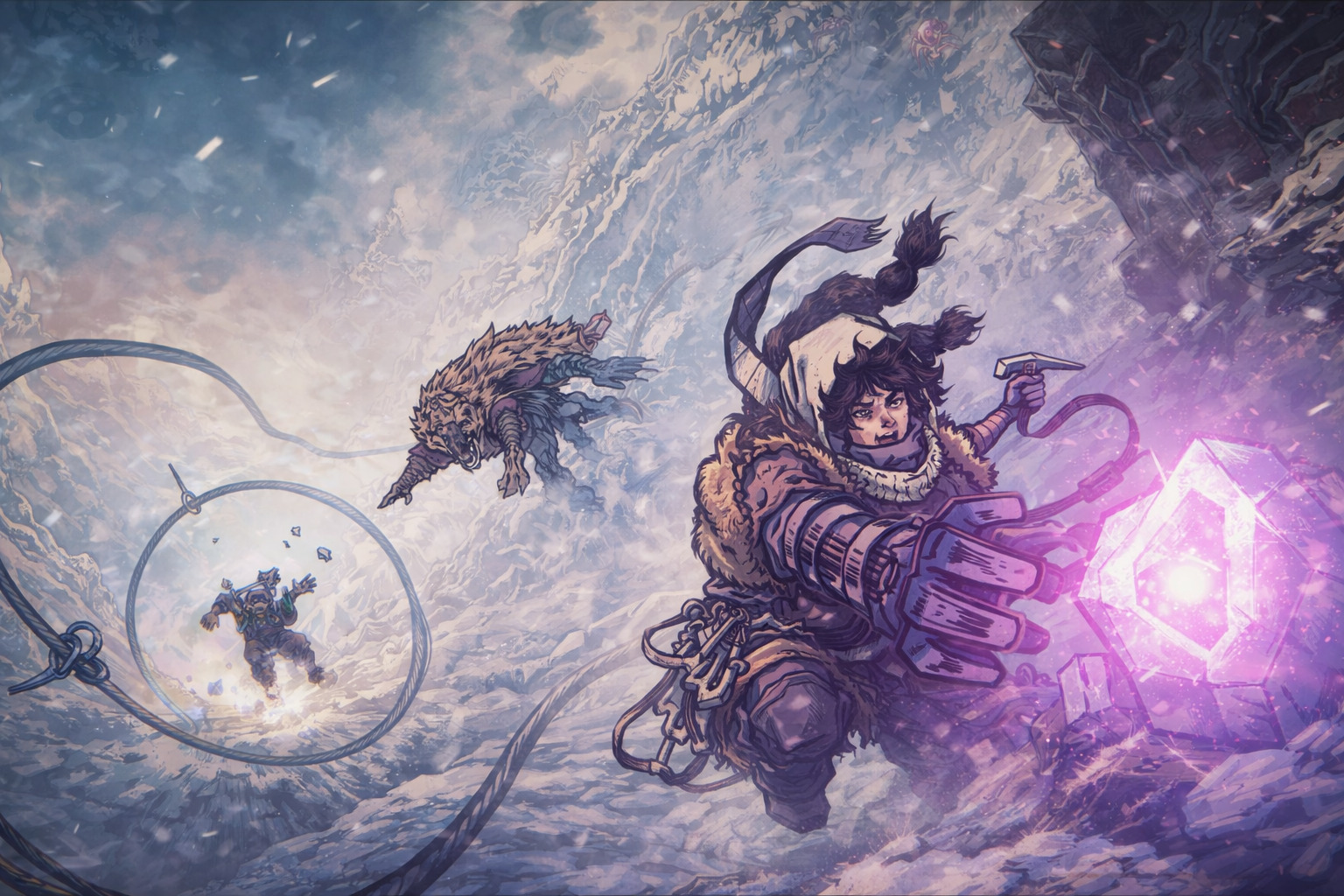
The key is pairing classes that complement each other’s strengths while covering weaknesses. Here’s how I personally approach it: think of your team as a well-oiled climbing machine, where each role contributes to both vertical efficiency and safety.
Core Duo: The “Anchor & Scout” Combo
If there’s one pairing that feels bulletproof, it’s the Highlander and Scout duo.
Highlander (The Anchor)
– Strengths: Highest base stamina and massive weight capacity.
– Role: Carrying heavy supplies like tents, pots, and ropes.
– Unique Skill: Stance—locks into a rock face, reducing stamina loss while catching teammates.
Scout (The Trailblazer)
– Strengths: Fast mobility and precision climbing.
– Role: Leading the ascent and scouting safer routes.
– Unique Skill: Haul—pulls teammates up with reduced stamina cost.
Synergy Insight: Have your Scout grapple to a ledge first, then pull teammates up. Meanwhile, the Highlander is your safety net—catching slips with significantly lower stamina expenditure. Together, they create a stamina-efficient core, perfect for tough Alpine or Mesa climbs.
Sustenance Specialists: The “Chef & Sherpa” Loop
Running out of bonus stamina is a rookie mistake that even experienced climbers underestimate. Enter the Forager and Sherpa combo.
Forager (The Chef)
– Strengths: Maximizes meal efficiency; increases stamina from cooked food by 20%.
– Role: Harvesting biomes for edible buffs like Sun-Dried Berries.
– Synergy: Feeding the Sherpa’s team provides a Light-Footed buff, enhancing everyone’s endurance.
Sherpa (The Battery)
– Strengths: Unique stamina-sharing ability.
– Role: Transfer stamina to teammates mid-climb.
– Synergy: If your Highlander struggles with a heavy pack, the Sherpa can boost them just enough to prevent a catastrophic fall.
Why I Love This Combo: It turns climbing into a resource-based chess game, where every meal, berry, or energy drink counts. Unlike solo climbing, the team never hits a stamina dead-end.
Late-Game Advantage: The Engineer (Technician)
When you hit the later Ascend stages (5+), a strong Engineer can transform a grindy climb into a strategic triumph.
Engineer (The Technician)
– Strengths: Deploys mechanical pulleys.
– Role: Creates “stamina-free zones” on vertical stretches—ideal for backtracking or transporting heavy loot.
– Best Use: Team compositions focused on mining or loot farming where repeated ascents are unavoidable.
Even if they’re slower on pure vertical movement, a well-timed pulley system saves the team countless stamina points over multiple climbs.
Recommended Three-Person Teams
| Strategy | Team Build | Why It Works |
|---|---|---|
| The Powerhouse | Highlander + Scout + Sherpa | Maximum raw stamina and recovery. Ideal for beginners and tense climbs. |
| The Speedrun | Scout + Forager + Scout | Hyper-mobile, infinite energy buffs, perfect for racing against time. |
| The Heavy Hauler | Highlander + Engineer + Sherpa | Efficient for carrying massive loot or mining runs. Team rarely suffers from fatigue. |
Pro Tip: Equip your Highlander with Crampons (found in Alpine zones). This reduces stamina drain during catch animations by 15%, giving you near-total immunity to wipeouts from slips.
My Personal Climber Philosophy
I’ve played a lot of climbing games, but Ascenders: Beyond The Peak stands out because teamwork is not optional—it’s survival. A great team composition can make what seems impossible feel intuitive. I’ve had moments where a Sherpa’s stamina transfer literally saved a full Alpine expedition from collapse. The mental satisfaction of seeing your team glide up a vertical face, perfectly roped together, with zero stamina waste? Unmatched. It’s not just strategy; it’s artful coordination.
Quick Tips for Maximizing Stamina
– Rotate the Load: Let the Highlander carry heavy items while Scouts focus on movement.
– Meal Timing: Always cook food before big vertical stretches. Even one berry buff can save crucial stamina.
– Pulley Planning: In late-game climbs, set up mechanical pulleys before moving heavy loot. Think of them as permanent shortcuts.
– Buff Stack: Combine Light-Footed, Stance, and energy-drink buffs for insane endurance.
– Scout First, Pull Later: Always let mobile team members secure ledges before heavier climbers ascend.
By prioritizing class synergy, team coordination, and smart resource use, you can transform even the harshest vertical biomes into manageable climbs. Ascenders: Beyond The Peak rewards patience, strategy, and creativity—so don’t just climb, climb smart.