Agefield High Rock the School Guide: Master Time and School Systems
Agefield High: Rock the School is the kind of game that immediately reminds me why I love messy open-world adventures. It has that unmistakable early-2000s teenage rebellion energy: a school full of rules you absolutely want to break, rival students looking for trouble, teachers watching your every move, and just enough freedom to make you feel like you are creating your own ridiculous high-school story.
You play as Sam, a new student with only three months left before graduation. Together with Kale and Axel, you are trying to pull off the legendary Rock the School plan while dealing with friendships, romance, rival jocks, schoolwork, money, and the occasional encounter with the police.
What makes the game more interesting than a simple school sandbox is its time management system. Your day is constantly divided between school obligations and everything you actually want to do. Once you understand that rhythm, Agefield High becomes much easier to control.
How Time Works in Agefield High
The first thing I recommend learning is the game’s daily rhythm. Time is not just background decoration in Agefield High; it controls what you can actually do.
Weekdays are split into two major phases:

| Time Phase | What You Can Do | Main Risk |
|---|---|---|
| School Hours | Attend classes, explore the campus, socialize | Teachers and school security |
| After School | Main missions, side activities, shopping, exploration | Police and rival gangs |
The school phase begins in the morning when students arrive by bus. From that point onward, the campus becomes a heavily controlled area. Teachers are moving around, students are heading between activities, and wandering into places where you shouldn’t be can quickly attract attention.
The important part is that story progression largely happens after school. Once the final bell rings, Agefield opens up considerably. This is when Sam can meet Kale and Axel, work on the main plan, complete side missions, visit shops, and explore the surrounding neighborhoods.
You only have around 8–10 hours of total gameplay, so wasting entire days can actually hurt your progress. I found it much more enjoyable to think of every day as a small schedule rather than simply running around until something happens.
Classes Are More Useful Than They Look
There are five main subjects in Agefield High:
- English
- Math
- Geography
- German
- Music
Each subject has its own interactive activity or challenge. Doing well in these classes is not just about maintaining the image of a good student.
The biggest advantage is money.
Good grades generate a reliable source of pocket money, and that makes the early portion of the game much easier. You don’t have to constantly take risky street jobs just to afford basic upgrades.
This is why I wouldn’t recommend skipping school from the very beginning. It sounds like the obvious choice for a game built around teenage rebellion, but there is a lot of value in spending your first few days learning the class mechanics and building some cash.
There is also another advantage: maintaining a good relationship with the school keeps the faculty from constantly treating you as a problem.
My advice: be a good student first, then become a much better troublemaker once you have the resources to support it.
Skipping School Changes Everything
Eventually, though, you’re going to want to ditch class.
And Agefield High makes sure that decision actually matters.
Walking away from school during active class hours effectively turns you into a truant. Teachers, monitors, and authorities become much more alert to your presence. Suddenly, simply walking through the wrong corridor can become a stealth sequence.
This is one of my favorite systems in the game because it makes the school feel like an actual controlled environment.
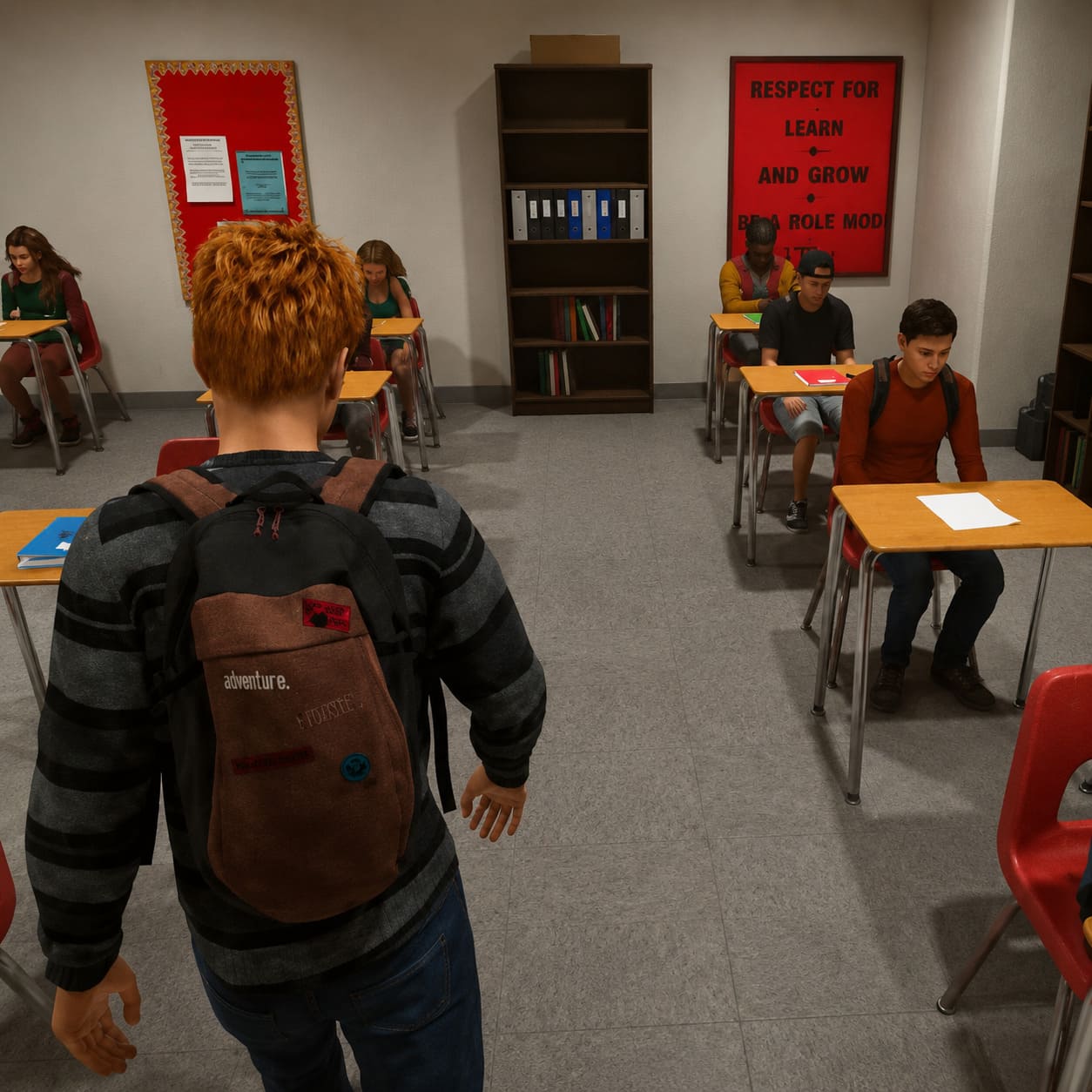
When you’re skipping, don’t run around in the open unless you have a reason.
Use corners, environmental cover, side paths, and hidden areas to stay out of sight. If a teacher spots you, the situation can escalate quickly, and getting caught can cost you valuable time.
The trick is to stop thinking like a student and start thinking like someone infiltrating a restricted area.
Once you understand the patrol patterns, skipping becomes much more manageable.
How to Make Money When You’re a Truant
The downside of skipping classes is obvious: you lose the dependable income from good grades.
The upside is that you gain several extra hours to make money elsewhere.
Agefield’s streets contain various small jobs and questionable activities that can generate cash much faster than school allowances. These include deliveries, errands, pranks, fights, and other activities that fit the game’s rebellious tone.
Some of these jobs are particularly useful because they combine money-making with exploration.
The catch is that street work is considerably riskier.
You may have a time limit, hostile characters, or police patrols to deal with. A mission that looks like easy money can suddenly become a chase across half the neighborhood.
Before starting a risky activity, I strongly recommend checking your surroundings. Knowing where the nearest alley, shortcut, fence opening, or ramp is can save you from a very annoying police chase.
Learn the Four Areas of Agefield
Agefield is small compared with modern blockbuster open worlds, but I actually think its compact design works in its favor.
The map is divided into several useful areas.
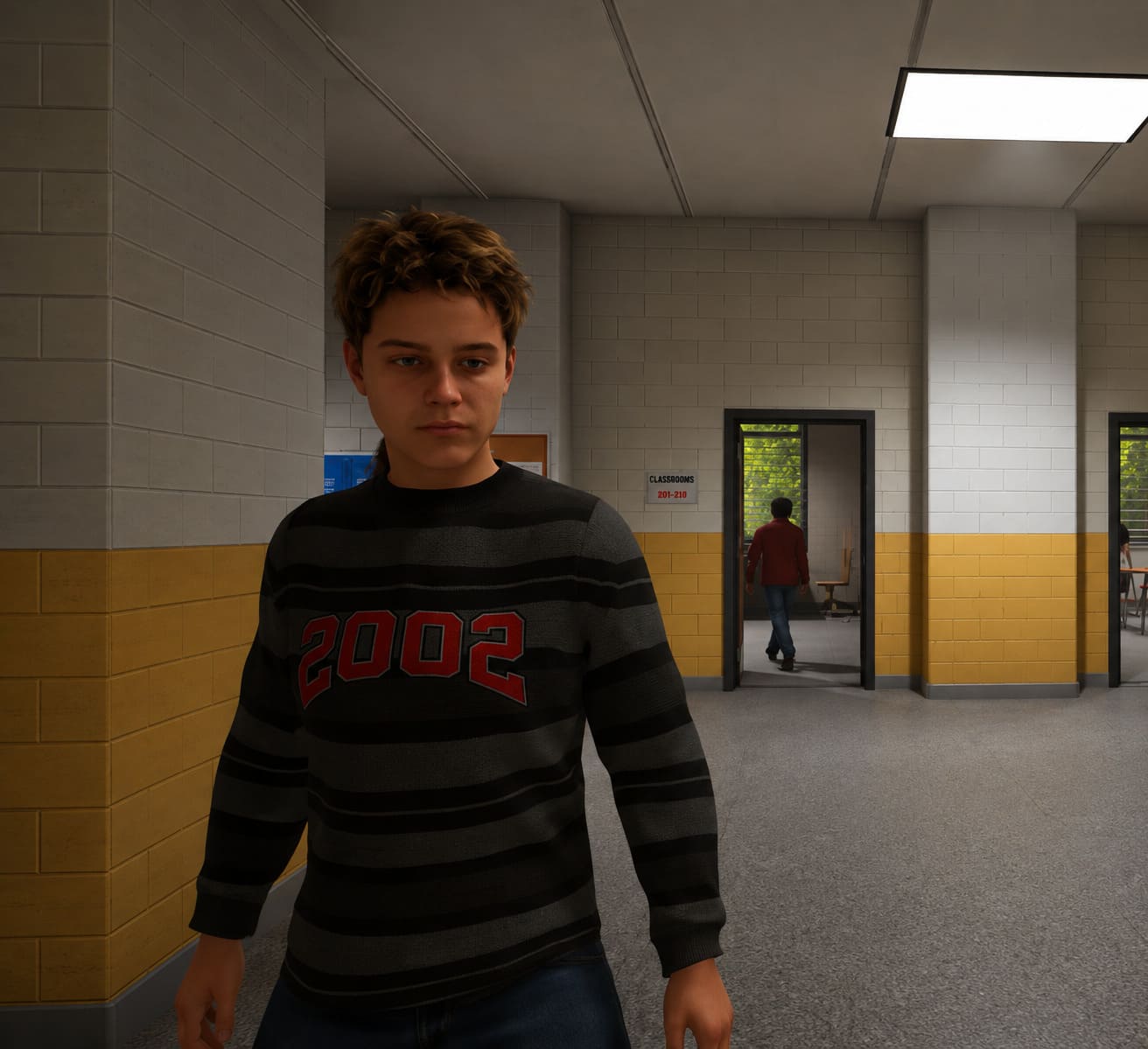
1. Agefield High School
This is where your daily routine begins. It’s also the center of the game’s academic and social systems.
Learn the corridors, entrances, exits, hiding spots, and shortcuts as early as possible. Knowing the campus layout is especially useful when you’re trying to avoid teachers.
2. Residential Neighborhoods
The neighborhoods surrounding the school are full of houses, parks, paths, and shortcuts.
These areas are extremely useful when escaping pursuers because they give you more options than simply staying on the main road.
3. Town Center
This is where your money starts becoming important.
The town center contains shops and customization options, including clothing, hairstyles, tattoos, bicycles, and various other purchases.
If you have spare cash, this is where you’ll probably spend a good portion of it.
4. Countryside
The countryside is the quieter part of the map and offers more space for exploration. There are stunt areas, unusual locations, ramps, and side activities that make it worth visiting once your bicycle is upgraded.
Your Bicycle Is More Important Than You Think
One of the earliest useful upgrades is your bicycle.
At first, the basic bike gets the job done. But once you start taking longer missions or regularly escaping police patrols, better mobility becomes extremely valuable.
A faster bicycle doesn’t just make traveling less boring. It can directly improve your ability to complete timed activities and escape dangerous situations.
I’d prioritize mobility before spending too much money on cosmetic upgrades.
Once you have a reliable bike, you can start putting more money into Sam’s appearance.
Customization Actually Has a Purpose
Clothing, hairstyles, accessories, and tattoos aren’t simply there to make Sam look different.
Your appearance can influence how different groups perceive you and can contribute to certain character interactions.
That makes customization surprisingly important for progression.
Still, don’t spend every dollar immediately. I recommend maintaining a simple priority system:
- Improve mobility.
- Keep enough cash for missions and emergencies.
- Buy useful clothing and customization items.
- Spend leftover money on fun cosmetic options.
This keeps Sam flexible instead of leaving you broke after one shopping trip.
Watch Out for the Jocks
The jocks are among the most obvious physical threats in Agefield.
They’re aggressive, territorial, and perfectly happy to turn an ordinary encounter into a fight. Their presence is especially important during story missions involving Sam, Kale, and Axel.
The combat system isn’t incredibly complicated, but you should still learn the basics early. Knowing when to attack, defend, reposition, and escape will make several missions much less frustrating.
Not every confrontation needs to become a full fight, either.
Sometimes the smartest move is simply getting out of there.
Teachers and Police Are Different Problems
One mistake new players can make is treating every authority figure the same way.
Teachers primarily control the school environment.
Police control the outside world.
That distinction matters.
If you’re caught wandering the school during class, teachers can chase you and force you back into the academic system. Outside campus, breaking laws or causing serious trouble can bring police attention instead.
Once you know where the school authority effectively ends and police jurisdiction becomes the bigger concern, moving around Agefield becomes much easier.
My Recommended Strategy for a Full Playthrough
I wouldn’t play Agefield High as a permanent rebel.
At least, not initially.
The strongest approach is a hybrid schedule.
Spend your first few days attending classes and learning the academic mini-games. Build up some money, understand the school layout, and get yourself a better bicycle.
Then start deliberately choosing which days are worth sacrificing.
If you need money or want to maintain your school standing, attend classes.
If you have a major side activity, exploration plan, or money-making opportunity, use that day to skip school.
This approach also makes the game feel more natural. Sam isn’t randomly ignoring school every morning. He’s making calculated choices based on what he wants to accomplish.
Can You Play Agefield High: Rock the School with Friends Online? Multiplayer Status and Guide
How to Prepare for the Final Missions
The game contains 32 main missions and 15 side activities, eventually leading toward the prom-night finale.
Because the narrative can branch depending on your decisions, your relationships with Kale and Axel, and the way you approach school and rebellion, it’s worth paying attention to your choices rather than simply rushing through objectives.
There are two different endings, and they reflect the broader philosophy of Sam’s journey.
One represents the full rebellious route, where you commit to disrupting the system and completing the grand Rock the School plan.
The other provides a different resolution for Sam if you have managed to balance rebellion with responsibility.
That is why I think the time system is the real heart of Agefield High.
Agefield High Rock the School Walkthrough: Guide to All Missions, Classes, and Endings
Final Thoughts
Agefield High: Rock the School works best when you stop treating it like a checklist and start treating it like a small simulation of Sam’s final months at school.
The game gives you a surprisingly entertaining choice between two lifestyles. You can attend class, earn respectable money, maintain your reputation, and slowly build your resources. Or you can ditch school, make money on the streets, annoy the jocks, evade teachers, and eventually attract the attention of the police.
But the most effective playstyle sits somewhere in the middle.
Study when it benefits you. Rebel when the opportunity is worth the risk. Upgrade your bicycle early. Learn every shortcut you can find. And never start a questionable street job without knowing where you’re going to run afterward.
Once you understand that rhythm, the three months before graduation stop feeling restrictive and start feeling like one big playground.
And honestly, that’s exactly what I wanted from Agefield High.