The Binding of Isaac Lore Explained: Full Story, Tragic Reality, and Repentance Endings Analysis
There are plenty of indie games that become popular because of addictive gameplay. The Binding of Isaac became something much bigger. At first glance, it looks like a bizarre roguelike full of monsters, strange items, and dark humor. Spend enough time with it, however, and it becomes obvious that every enemy, every floor, and every boss exists for a reason.
I’ve replayed Isaac countless times over the years, and every new expansion made me rethink the story. What originally felt like a twisted parody of biblical themes slowly transformed into one of the most heartbreaking narratives I’ve ever experienced in gaming.
For me, The Binding of Isaac isn’t really about fighting monsters. It’s about a frightened child trying to survive inside his own mind.
A Family That Was Already Falling Apart
One thing I appreciate about Isaac’s lore is that it never presents evil as something simple.
There isn’t one villain responsible for everything.
Isaac’s father clearly loved his son. We learn through various memories and story fragments that he encouraged Isaac’s imagination, played with him, and inspired his creativity. But he also had a serious gambling problem. Eventually, financial pressure and endless arguments destroyed the family.
His father left.
That single event completely shattered the fragile balance inside the house.
Isaac’s mother, left alone with overwhelming guilt and anger, became obsessed with religious television. What began as faith slowly turned into fanaticism. She started seeing sin everywhere, especially in the things Isaac loved—his toys, his drawings, and even his own personality.
From Isaac’s perspective, the conclusion was devastating:
“Dad left because of me.”
Children often blame themselves for situations they cannot understand, and I think that’s one of the most realistic parts of the entire story.
Is the Basement Real?
One of the biggest misconceptions among new players is believing the basement actually exists.
Personally, I don’t think that’s ever been the point.
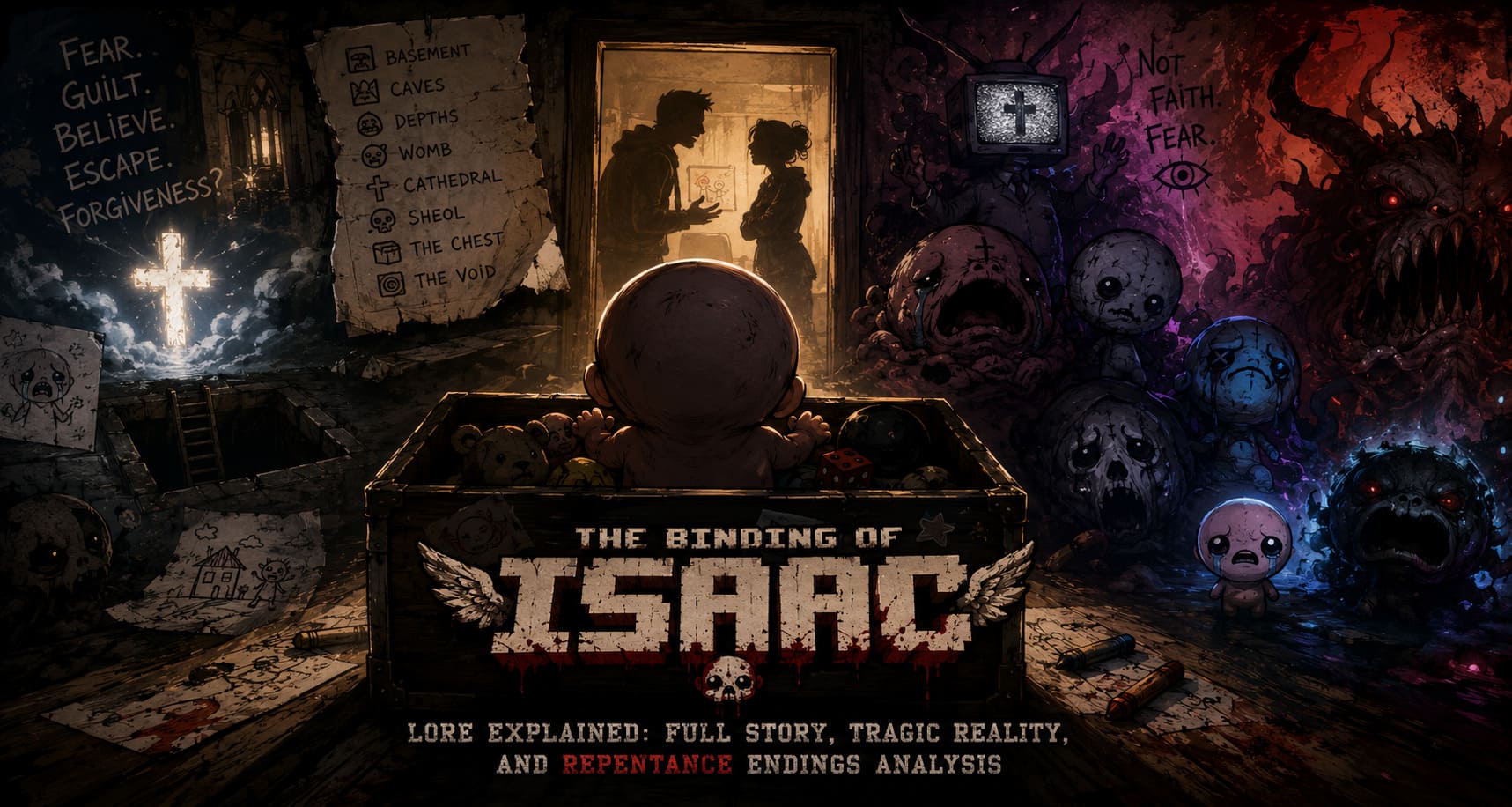
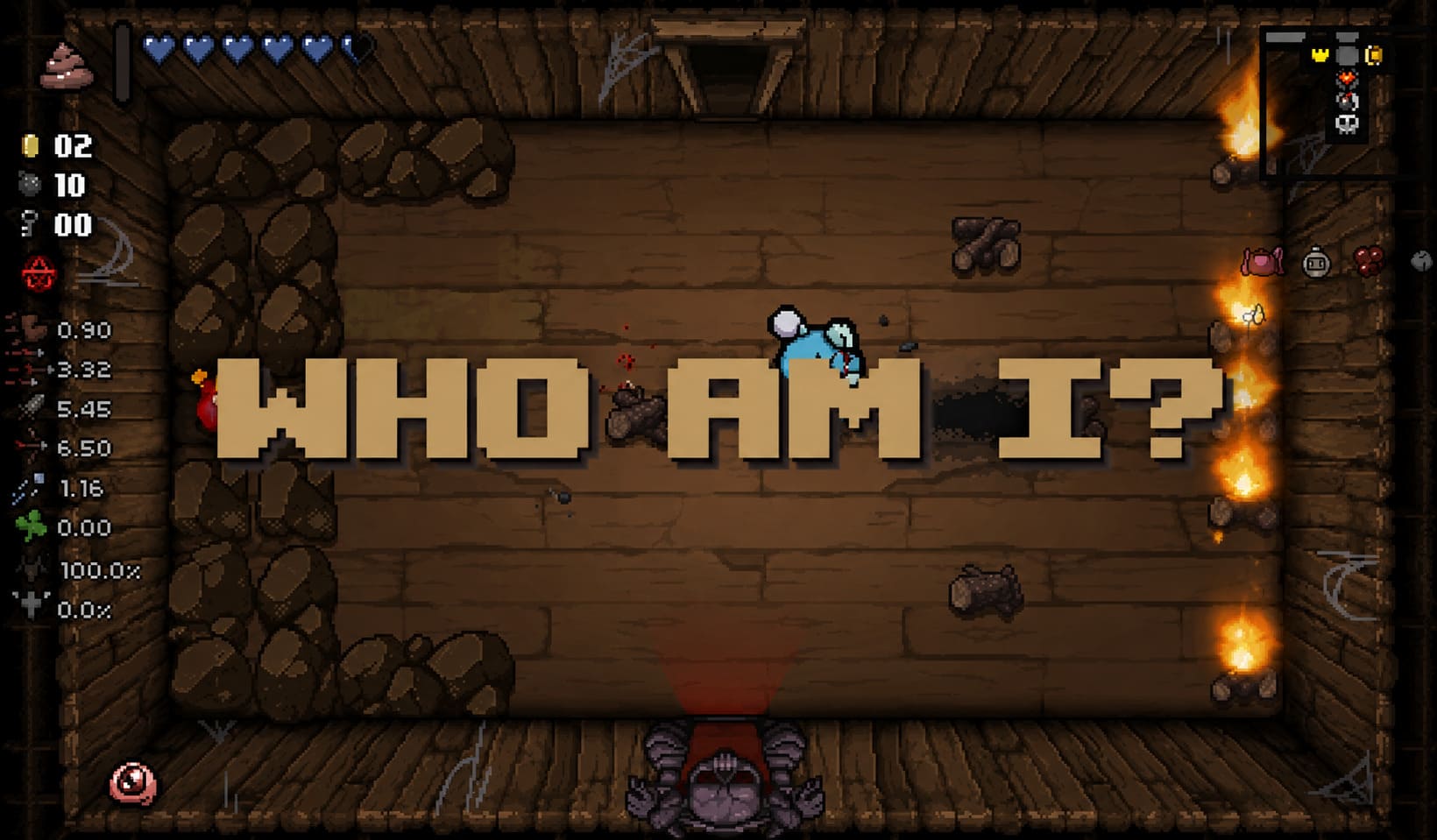
Everything suggests that Isaac never enters some supernatural dungeon filled with demons. Instead, he hides inside his toy chest while his imagination creates an endless nightmare.
Once you start looking at the game through that lens, everything suddenly makes sense.
| Game Location | What I Think It Represents |
|---|---|
| Basement | Fear and isolation |
| Caves | Anxiety growing deeper |
| Depths | Emotional collapse |
| Womb | Desire to escape reality before birth |
| Cathedral | Hope for forgiveness |
| Sheol | Self-hatred and guilt |
| The Chest | Acceptance of death |
| The Void | A collapsing mind |
What makes these areas fascinating is that none of them need to exist physically. They’re emotional landscapes rather than actual places.
Isaac Is Fighting Himself More Than Anyone Else
One detail I’ve always loved is that Isaac rarely defeats an outside villain.
Most bosses are symbolic.
- Sometimes they’re distorted versions of family members.
- Sometimes they’re religious fears.
- Sometimes they’re literally Isaac himself.
That’s why the Cathedral ending always stood out to me.
Instead of finally confronting some ultimate evil, Isaac has to face… Isaac.
That says everything.
The child genuinely believes he is the source of every problem.
It’s heartbreaking because that’s exactly how abused children often process trauma.
Cathedral or Sheol? Neither Choice Is Truly Good
I’ve seen endless discussions about which route represents the “good” ending.
Honestly?
I don’t think either one does.
The Cathedral represents Isaac desperately trying to become pure enough to deserve love.
Sheol represents giving up completely and accepting that he’s evil.
They’re opposite emotional reactions to exactly the same trauma.
One says:
- “Maybe I can become perfect.”
The other says:
- “Maybe everyone was right about me.”
Neither mindset is healthy.
Both come from the same broken child.
Blue Baby Changed How I Saw the Entire Story
The first time I defeated Blue Baby years ago, I thought it was simply another creepy final boss.
Later, after digging into the lore, that fight became incredibly disturbing.
Blue Baby isn’t just another monster.
It’s Isaac.
More specifically, it’s what Isaac believes he has become.
The blue skin immediately brings to mind oxygen deprivation and suffocation, something that connects frighteningly well with the idea that Isaac has been trapped inside the chest for far too long.
Whether that interpretation is completely literal or partially symbolic, it completely changes the emotional impact of the ending.
Hush and Delirium Feel Like a Mind Falling Apart
The later expansions pushed the psychological horror even further.
Hush is one of my favorite bosses—not because it’s fun, but because it feels uncomfortable.
Everything about the Blue Womb feels unnatural.
- The silence.
- The color palette.
- The oppressive atmosphere.
To me, it represents the terrifying moment when Isaac’s body begins shutting down while his imagination desperately refuses to let go.
Then comes Delirium.
If I had to choose one boss that perfectly represents Isaac’s fractured psyche, it would be this one.
Delirium constantly changes shape.
It can’t decide what it is.
Every memory, every fear, every nightmare starts blending together until nothing has a clear identity anymore.
That feels less like a boss battle and more like watching a child’s consciousness collapse.
Repentance Finally Connected Every Piece
I already loved Isaac before Repentance, but this expansion completely changed how I interpreted the story.
Instead of descending deeper underground, Isaac climbs back upward during The Ascent.
That simple gameplay reversal carries enormous symbolic weight.
Rather than burying memories, he’s finally confronting them.
The conversations between his parents hit much harder than any monster encounter.
For the first time, we hear adults behaving like flawed people instead of supernatural figures.
His father sounds defeated.
His mother sounds exhausted.
Nobody feels like a comic-book villain anymore.
They’re simply broken people who accidentally broke their child.
Dogma Is One of the Best Bosses Ever Designed
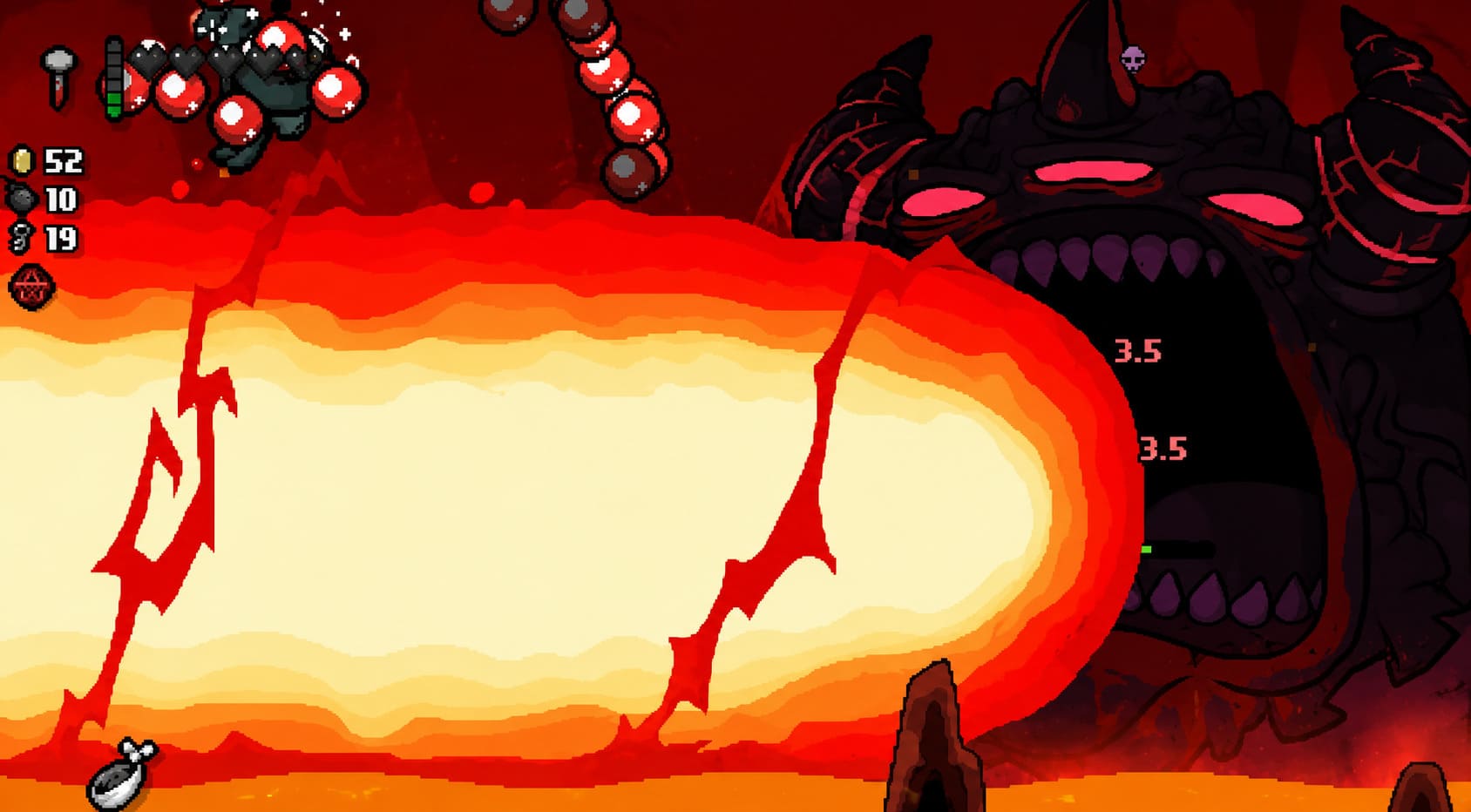
If someone asked me which Isaac boss has the strongest symbolism, I’d immediately answer Dogma.
It’s brilliant.
Instead of representing God, Dogma represents distorted religion.
- The television.
- The endless preaching.
- The static.
- The overwhelming noise.
Everything about the fight screams manipulation rather than faith.
I never interpreted Dogma as criticizing religion itself.
Instead, it criticizes the way fear can be weaponized against vulnerable people.
That’s a very important distinction.
The Beast Isn’t Just Another Final Boss
After Dogma falls, the game could have easily ended there.
Instead, it introduces The Beast, and I think that’s exactly what the finale needed.
The Beast feels like every nightmare Isaac has ever imagined combining into one impossible monster.
- Hell.
- Punishment.
- Judgment.
- Fear.
- His mother’s anger.
- His own guilt.
Everything appears together for one last confrontation.
Mechanically it’s spectacular.
Emotionally it’s exhausting—in the best possible way.
Did Isaac Actually Die?
This is still the biggest debate among fans.
I’ve read countless theories over the years, and I honestly think both major interpretations work.
Interpretation One: Isaac Dies
This is probably the darker reading.
Isaac suffocates inside the chest.
Everything afterward is his soul finally finding peace.
His father becomes the comforting narrator waiting on the other side.
It’s tragic.
But it’s also strangely beautiful.
Interpretation Two: Isaac Survives
The alternative interpretation feels more hopeful.
Isaac’s father returns before it’s too late.
The final narration becomes a healing exercise between father and son.
Instead of rewriting history, they’re rewriting Isaac’s memories together.
Neither interpretation completely disproves the other.
And honestly, I like that.
Some stories are stronger because they refuse to answer every question.
How to Transfer Binding of Isaac Saves to a Clean Steam Install (2026 Guide)
Why Isaac Still Matters
Even after so many years, I rarely find games willing to trust players as much as The Binding of Isaac does.
It never pauses gameplay to explain every metaphor.
It never tells you exactly what to believe.
Instead, it leaves clues scattered across endings, item descriptions, environmental details, and boss designs.
That approach rewards curiosity.
The deeper you dig, the more tragic everything becomes.
At the same time, the game never loses its identity as an incredible roguelike. You can spend hundreds of hours experimenting with item combinations without touching the lore at all.
But if you decide to explore the narrative, you’ll discover something surprisingly emotional beneath all the grotesque visuals.
The Ultimate Binding of Isaac: Repentance Plus Achievements Guide & Full Unlock List
Final Thoughts
For me, The Binding of Isaac remains one of the greatest examples of storytelling in indie gaming.
It’s horrifying without relying only on gore.
It’s emotional without becoming melodramatic.
And perhaps most impressively, it tells a deeply personal story while leaving enough room for every player to build their own interpretation.
Whether Isaac truly dies, reaches some form of heaven, or survives to begin healing, I think the real ending is much simpler.
A lonely child who spent his entire life believing he was beyond saving finally imagines a world where someone tells him his story doesn’t have to end in tragedy.
Sometimes that’s the most powerful ending a game can give.