Voidling Bound Review 2026: The Best Sci-Fi Monster Taming Shooter
For years, monster-collecting games have followed a familiar recipe. Catch creatures, level them up, watch numbers grow, repeat. Some games refined the formula, others copied it, but very few had the courage to tear the entire blueprint apart and build something new.
Then Voidling Bound arrived.
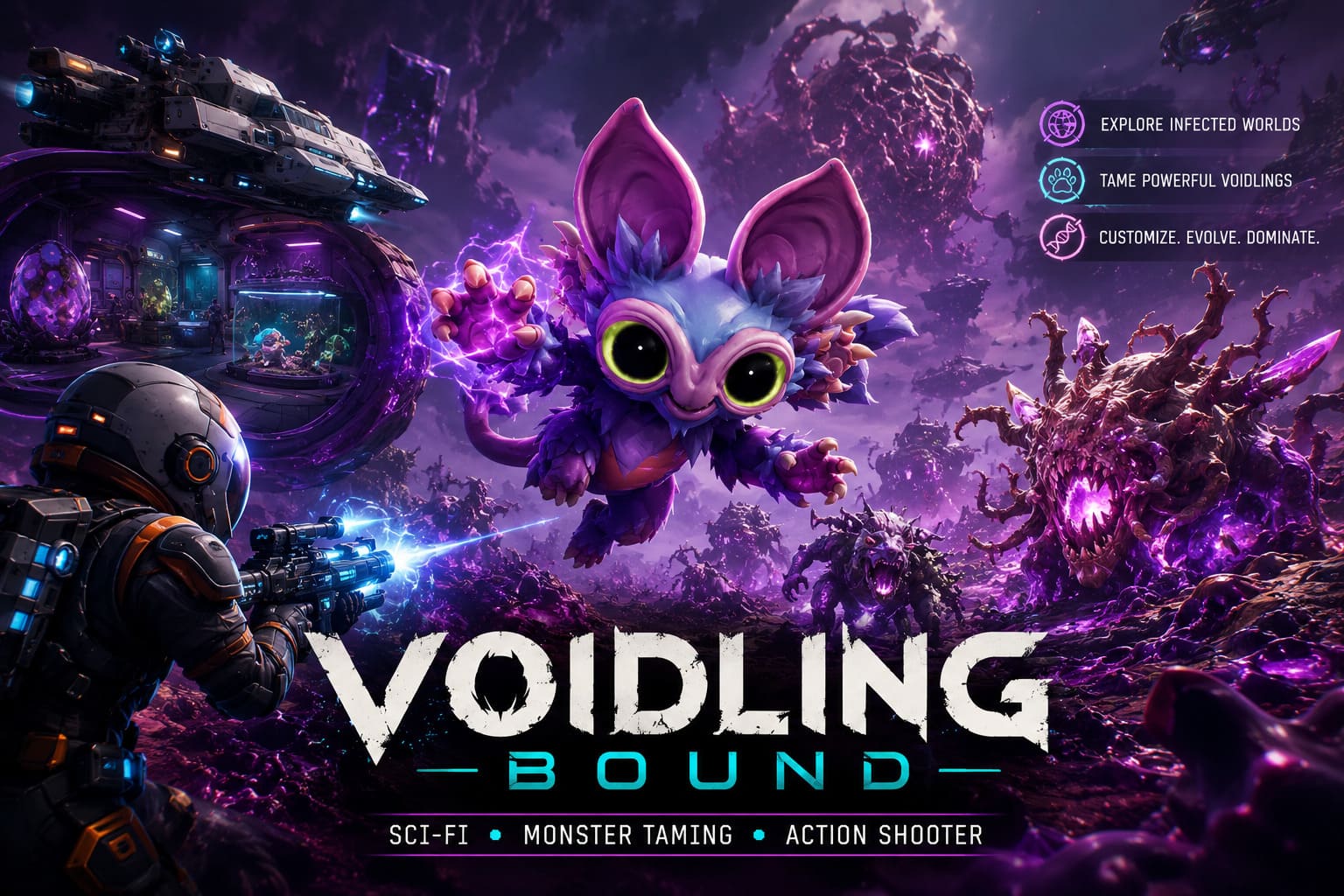
Released in June 2026 by Hatchery Games, a studio made up of developers with deep experience in creature-focused game design, this indie title does something I honestly wasn’t expecting. It takes the addictive progression of monster tamers, mixes it with fast-paced third-person shooting, throws in creature engineering, roguelite progression, and a surprisingly satisfying exploration loop, and somehow makes all those pieces work together.
After spending dozens of hours diving into infected planets, breeding experimental Voidlings, and chasing increasingly ridiculous genetic combinations, I can confidently say this is one of the most refreshing action RPGs I’ve played in recent years.
A Monster Tamer That Actually Lets You Fight
One of my biggest frustrations with the creature-collection genre has always been the disconnect between player skill and combat performance.
You collect monsters.
You build teams.
You select abilities from menus.
The creatures do all the action.
Voidling Bound flips that concept on its head.
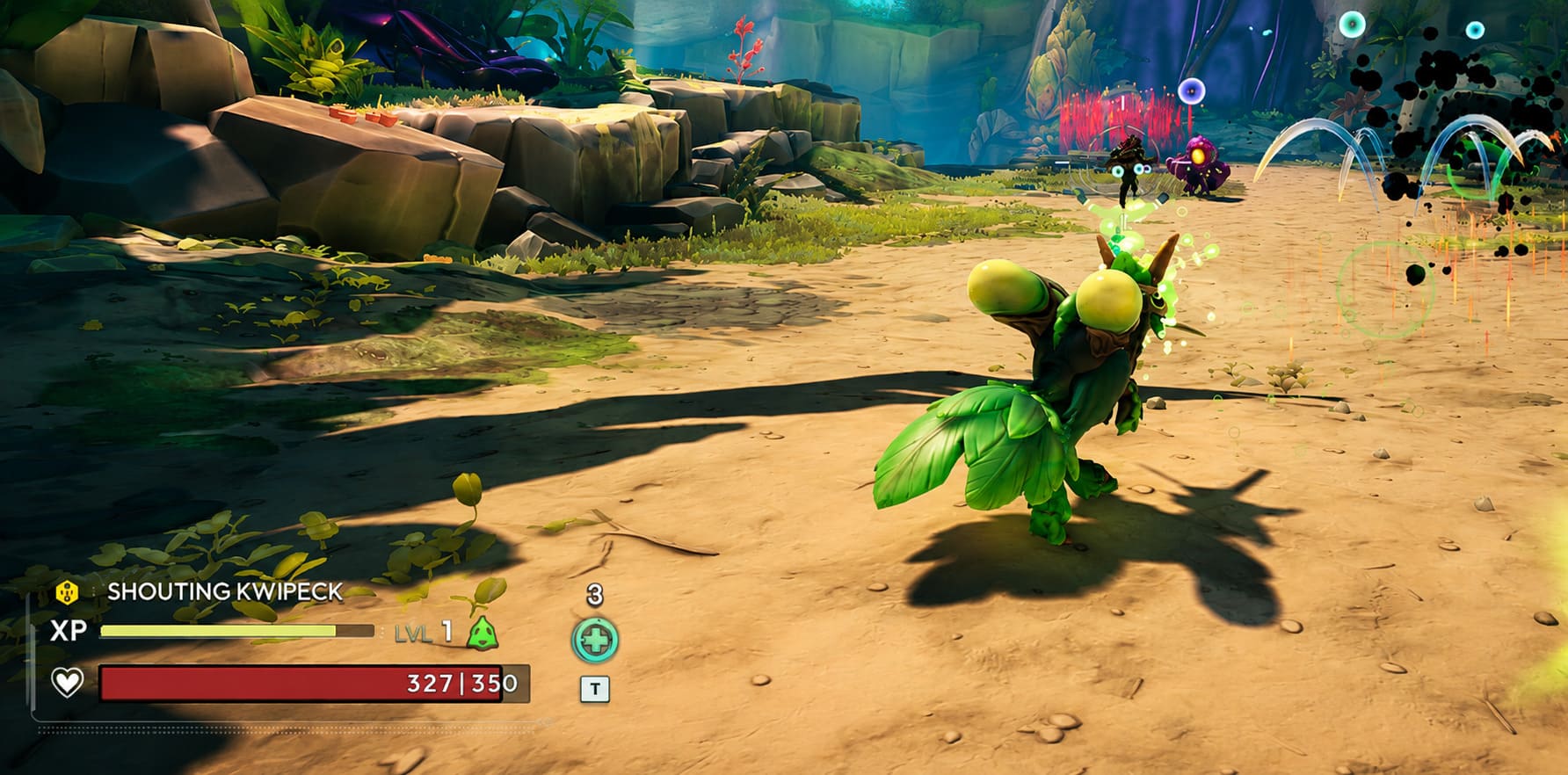
Instead of standing on the sidelines issuing commands, you directly merge with your chosen Voidling through a neural-link system. Once connected, you become the creature. Every dodge, attack, jump, hover, and special ability depends on your own reflexes.
That single design choice changes everything.
Combat feels far more personal because victories aren’t decided solely by statistics or optimized builds. Mechanical skill matters. Positioning matters. Timing matters.
During intense boss encounters, I found myself weaving through attacks, managing stamina, chaining abilities, and improvising strategies in ways that reminded me more of action shooters than traditional monster RPGs.
It’s a bold direction for the genre, and honestly, I hope other developers take notes.
The Setting Is Weird, Dark, and Surprisingly Cool
The game’s universe revolves around a devastating cosmic infection that spreads across planets like a living plague.
Entire ecosystems have been corrupted.
Wildlife mutates into hostile nightmares.
Strange organic growths consume everything in their path.
Only one species appears naturally resistant to the infestation: the mysterious Voidlings.
As a Space Wrangler, your mission is simple on paper:
- Explore infected worlds
- Eliminate corruption sources
- Recover resources
- Rescue valuable genetic material
- Expand your Voidling collection
Of course, nothing stays simple for long.
Each expedition feels like stepping into a dangerous alien ecosystem that’s actively trying to kill you. Purple corruption covers landscapes, mutated creatures lurk around corners, and giant infected bosses dominate the most dangerous regions.
The setting isn’t trying to win awards for storytelling, but it creates a fantastic backdrop for the gameplay loop.
The Ship Hub Is More Important Than It Looks
At first glance, the central spaceship feels like a standard RPG hub.
You walk around.
Talk to NPCs.
Upgrade equipment.
Manage resources.
Pretty normal stuff.
After several hours, though, I realized how much time I was actually spending there.
The ship gradually transforms into a living laboratory where you hatch eggs, evolve creatures, research technologies, experiment with genetics, and prepare for future missions.
The terrarium quickly became one of my favorite locations.
Watching customized Voidlings wander around while comparing builds and planning future evolutions created a weird sense of attachment that many monster games struggle to achieve.
These aren’t disposable party members.
They’re projects.
Small Creature Roster, Massive Build Diversity
When I first learned the game only featured nine core Voidling species, I was skeptical.
Nine?
Really?
Modern creature collectors often advertise hundreds of monsters.
Then I started digging into the evolution systems.
That’s when the real depth revealed itself.
Each species branches into multiple biological and cybernetic development paths that dramatically alter combat roles, abilities, and visual appearance.
Some evolutions focus on:
- Poison damage
- Electrical attacks
- Crowd control
- Mobility
- Defensive tanking
- Area denial
Others become strange hybrid combinations that barely resemble their original form.
The result is a system where a relatively small roster creates far more meaningful diversity than many games with hundreds of creatures.
Quality beats quantity here.
Every single time.
The DNA Splicing System Is Pure Addiction
If there’s one feature that kept me playing far later than I intended, it’s DNA splicing.
This system deserves serious praise.
Instead of locking creatures into rigid progression paths, Voidling Bound gives players the tools to create absolute genetic abominations.
And I mean that in the best possible way.
During expeditions, you’ll discover rare genes, mutations, and biological traits that can be extracted and transferred between creatures.
The possibilities quickly become ridiculous.
Imagine combining:
| Feature | Source |
|---|---|
| Primary Attack | Species A |
| Passive Ability | Species B |
| Mobility Skill | Species C |
| Visual Traits | Species D |
| Elemental Affinity | Rare Mutation |
The end result can become something entirely unique.
By the twenty-hour mark, my strongest Voidling looked nothing like its original species and played completely differently from anything I had encountered naturally.
That level of player expression is incredibly rare.
Breeding Adds Another Layer of Depth
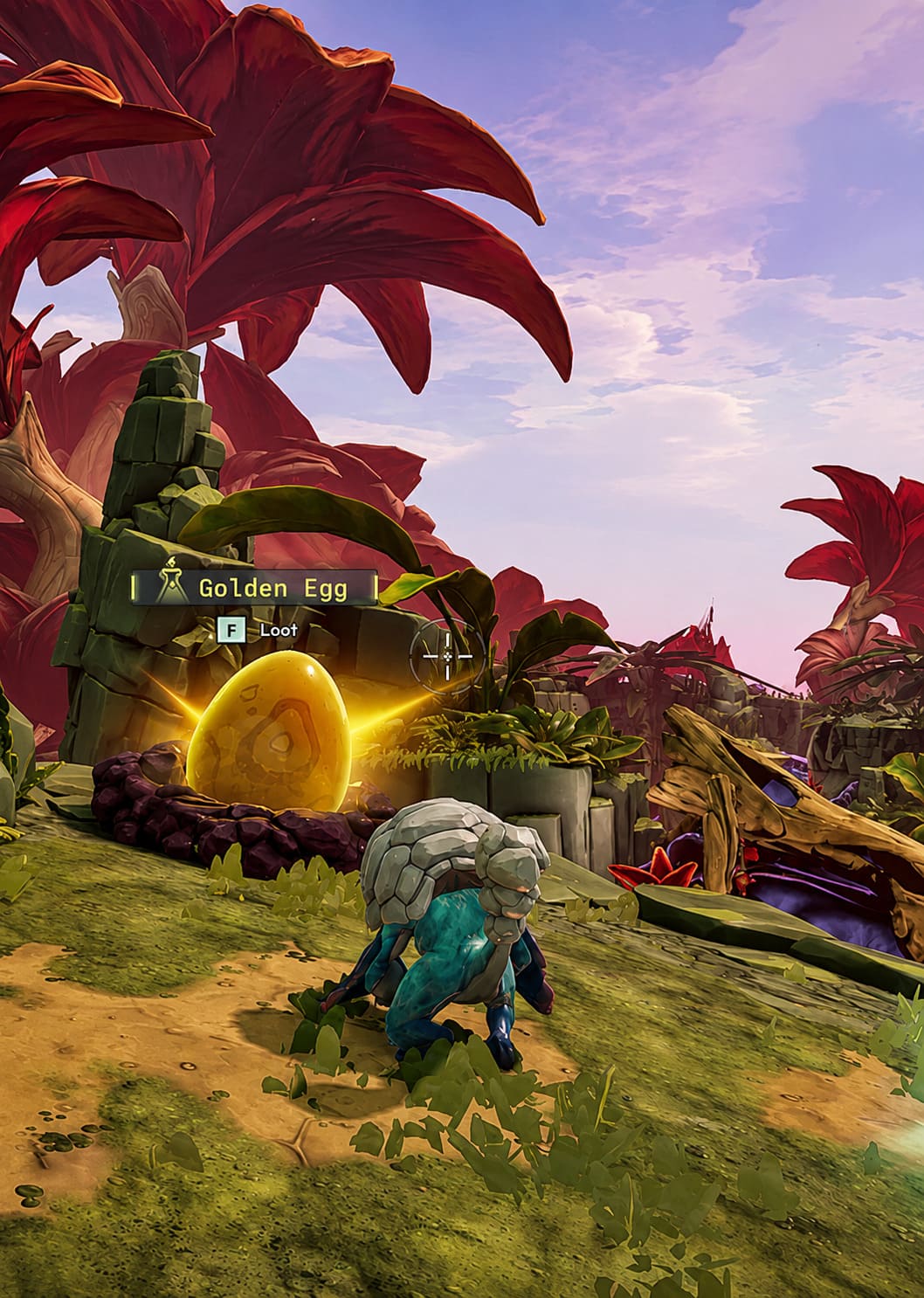
If DNA splicing wasn’t enough, the breeding system introduces even more customization.
Eggs discovered throughout missions can hatch with unique traits and stat modifiers.
Players can selectively breed creatures to pass down desirable characteristics and create stronger future generations.
The system isn’t overly complicated, which I appreciate.
I’ve seen games bury breeding mechanics beneath endless spreadsheets and hidden calculations.
Voidling Bound keeps the process approachable while still rewarding players who enjoy optimization.
Casual players can ignore much of the complexity.
Theorycrafters can spend hundreds of hours chasing perfection.
Both playstyles work.
Combat Never Stops Feeling Fun
A lot of progression-focused games eventually fall into the trap of becoming number simulators.
Voidling Bound avoids that problem because combat remains genuinely entertaining throughout the entire experience.
Missions range from short arena encounters to larger exploratory zones packed with secrets, puzzles, collectibles, and optional objectives.
Boss fights are easily the highlight.
Several encounters forced me to completely rethink my approach.
One build might dominate regular enemies but struggle against airborne threats.
Another might excel at sustained damage while lacking survivability.
Experimentation becomes a natural part of progression rather than a forced mechanic.
That’s smart game design.
Performance and Visual Presentation
As someone who reviews a lot of PC releases, I’ve become painfully accustomed to technical disasters.
Stuttering.
Shader compilation issues.
Random crashes.
Optimization nightmares.
Voidling Bound was a pleasant surprise.
Performance remained consistently smooth during my playtime, even during large-scale battles filled with particle effects and enemy swarms.
Visually, the game lands in a sweet spot between nostalgic and modern.
There’s a charming old-school energy to the art direction that reminds me of classic console action games, yet the lighting, effects, and creature animations feel distinctly contemporary.
The creature designs deserve special recognition.
Many indie games struggle to create memorable monsters.
Voidling Bound succeeds.
Several Voidlings instantly stand out thanks to expressive animations and strong visual identities.
Where the Game Falls Short
No review is complete without discussing flaws.
Even excellent games have rough edges.
The biggest issue is the absence of cooperative multiplayer.
This game practically begs for co-op.
Imagine teaming up with friends, bringing customized Voidlings into battle, and taking down giant corruption bosses together.
The foundation is already there.
Hopefully the developers consider it in future updates.
Mission repetition can also become noticeable after extended play sessions.
While progression systems remain compelling, you’ll eventually revisit familiar environments and objectives multiple times.
The core gameplay loop is strong enough to carry the experience, but additional biome variety would significantly improve long-term replayability.
Audio design is another area that could use refinement.
Nothing sounds bad.
It simply doesn’t reach the same level as the gameplay or visuals.
Some attacks lack impact, and certain creatures deserve more memorable sound effects.
Goblin Company Guide: How to Find the Legendary Giant Nugget
Final Verdict
Voidling Bound isn’t just another indie monster game trying to compete in an overcrowded genre.
It’s a genuine evolution of the formula.
By combining real-time action combat, creature engineering, roguelite progression, exploration, and deep customization systems, Hatchery Games has created something that feels fresh in a space that desperately needed innovation.
What impressed me most wasn’t any single feature.
It was how naturally everything fits together.
The shooting feels good.
The exploration feels rewarding.
The creature progression is dangerously addictive.
The genetic experimentation system constantly pushes you toward one more mission, one more upgrade, one more impossible creature build.
After spending significant time with the game, I can easily recommend it to fans of action RPGs, creature collectors, roguelites, and third-person shooters alike.
Score: 9/10
Voidling Bound proves that monster-taming games don’t need bigger rosters or flashier marketing to stand out. Sometimes all it takes is a great idea, excellent execution, and the courage to challenge a genre’s oldest traditions.